In This Guide
Let's be real. When the leaves start turning and there's a real chill in the air, few things hit the spot like a steaming mug of mulled cider. That sweet, spiced, tangy aroma filling your kitchen? It's basically the official scent of cozy season. But here's the thing—I've had my share of disappointing mulled cider. Too sweet, too bland, tasting like potpourri, or worse, burnt. It took me a few tries (and one sadly ruined batch) to figure it out.
So I'm dumping everything I've learned into this guide. Think of it as your friendly, no-stress roadmap to making incredible mulled cider every single time. Whether you're a total newbie or just looking to perfect your game, we're covering it all. The best apples, the secret spice balance, how to make it boozy or keep it kid-friendly, and all those little tricks that make a difference.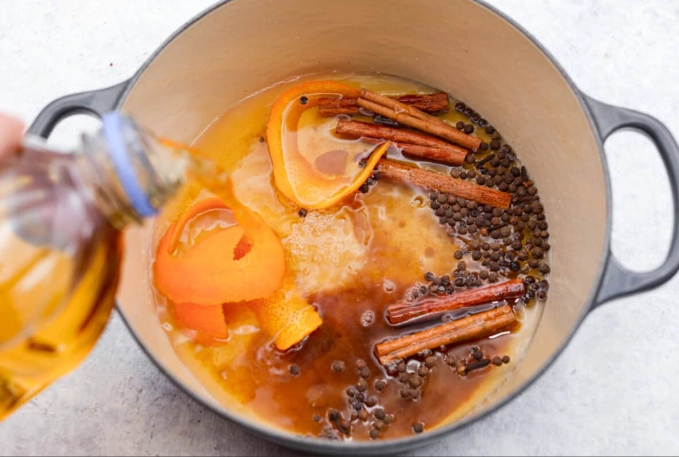
This isn't just one rigid mulled cider recipe. It's the core formula, plus all the ways you can make it your own.
What Exactly Is Mulled Cider, Anyway?
Before we dive into the pot, let's clear something up. Mulled cider is simply apple cider—the unfiltered, unsweetened apple juice kind, not the hard stuff—that's warmed gently with a bundle of spices and sometimes citrus and sweeteners. "Mulling" just means heating and spicing a drink. It's an ancient practice, really. People have been warming up spiced wines and ciders for centuries to ward off the cold. There's something timeless about it.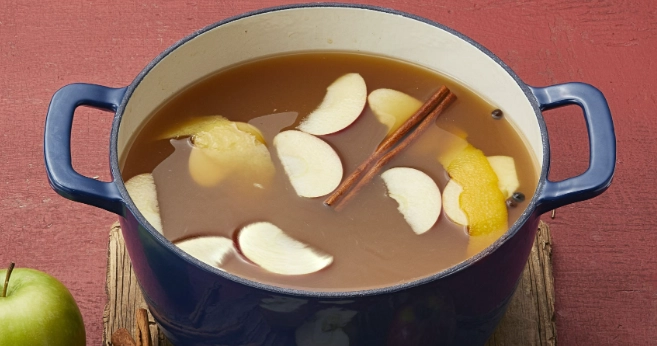
Its cousin, glühwein (German mulled wine), gets more press, but a good mulled apple cider recipe holds a special place. It's often non-alcoholic by default, making it a crowd-pleaser for all ages, and the apple base gives it a wonderful fruity depth that's different from wine.
The magic happens when the heat coaxes out the flavors from the spices and fruit, blending them into the cider. It's not boiling it to death—that's a common mistake. It's a gentle, patient simmer.
My first attempt at a homemade mulled cider recipe was... educational. I got impatient, cranked the heat to high, and walked away. Came back to a kitchen smelling vaguely of caramelized sugar and regret. The cider had reduced to a syrupy, overly intense mess. Lesson learned: low and slow is the only way to go.
Your Core Mulled Cider Recipe: The Foundation
This is my go-to, never-fail base recipe. It's balanced, not too sweet, and the spice level is warm but not aggressive. Memorize this, and you can build a world of variations from it.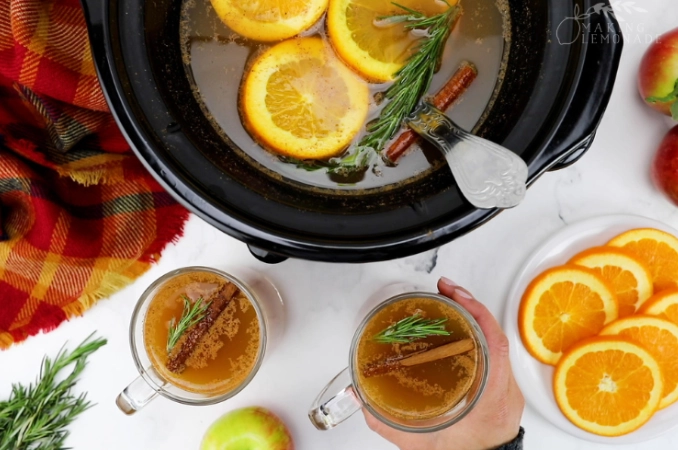
The Ingredients (No Fuss, I Promise)
Gathering the stuff is half the fun. Here’s what you need for a big batch that serves about 8 people:
- Apple Cider (½ gallon): This is the star. Get the good stuff—fresh, unfiltered, pasteurized apple cider. The cloudy kind with sediment at the bottom. That sediment is flavor. Trust me, the clear, filtered apple juice from the shelf won't give you the same rich body. Check your local orchard or farmer's market first.
- Oranges (1 large): We're using the whole thing. You'll slice it up, peel and all. The peel adds essential oils and a slight bitterness that cuts the sweetness perfectly.
- Fresh Ginger (a 2-inch knob): Peel it and slice it into coins. This adds a bright, peppery kick that most pre-made spice blends miss.
- The Spice Bundle: This is where you can go loose or use a bag. I prefer throwing it all in and fishing it out later.
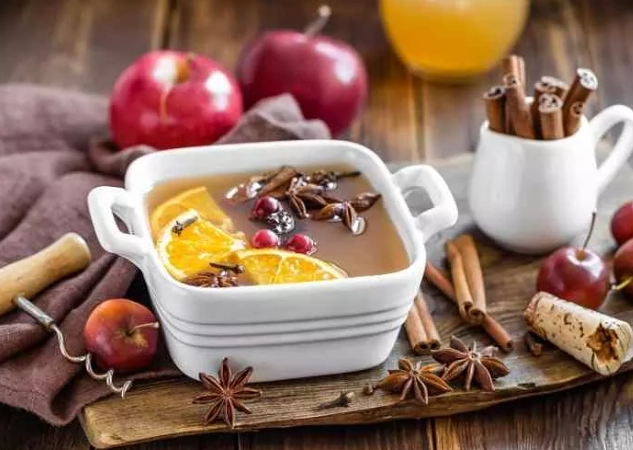
- 4-5 whole cinnamon sticks (not the powdered stuff)
- 8-10 whole cloves
- 8-10 allspice berries
- 2-3 star anise pods (they look pretty floating too)
- Optional: 1-2 cardamom pods, lightly crushed
- Sweetener (¼ to ½ cup): This is to taste. I start with ¼ cup of dark brown sugar or pure maple syrup. The cider itself is sweet, so you might not need much. Honey works too, but add it at the end off the heat so it doesn't lose its nuance.
Pro Tip: Can't find whole spices? A heaping tablespoon of a high-quality mulling spice mix in a muslin bag or large tea infuser is a totally fine shortcut. Just make sure it doesn't contain sugar or artificial flavors.
The Foolproof Method: Step-by-Step
- Combine. Pour your half-gallon of apple cider into a large, non-reactive pot (stainless steel or enameled cast iron is perfect). Add the orange slices, ginger coins, all your whole spices, and your starting sweetener (say, ¼ cup).
- Heat Gently. This is crucial. Place the pot over medium-low heat. You want to bring it slowly to a bare simmer. Look for tiny bubbles around the edges and a steady stream of steam. If it starts bubbling vigorously, you've gone too far—turn it down.
- Simmer & Steep. Once it's simmering, reduce the heat to the lowest setting that maintains that gentle simmer. Let it cook, uncovered, for at least 30 minutes. You can go up to an hour for deeper flavor. Stir it occasionally.
- Taste & Adjust. After 30 minutes, ladle out a small sample (let it cool a bit first!). Is it spicy enough? Sweet enough? Tangy enough? Now's the time to adjust. Need more sweetness? Add another tablespoon of your sweetener and stir until dissolved. Want more spice? Let it simmer another 15 minutes.
- Serve. Ladle the mulled cider into mugs. I like to include a cinnamon stick and an orange slice in each mug for looks. If you used loose spices, you can strain it through a fine-mesh sieve into a heatproof pitcher first for a cleaner drink.
That's it. Your foundational mulled cider recipe is done. The house smells amazing, and you have a steaming mug of comfort in your hands.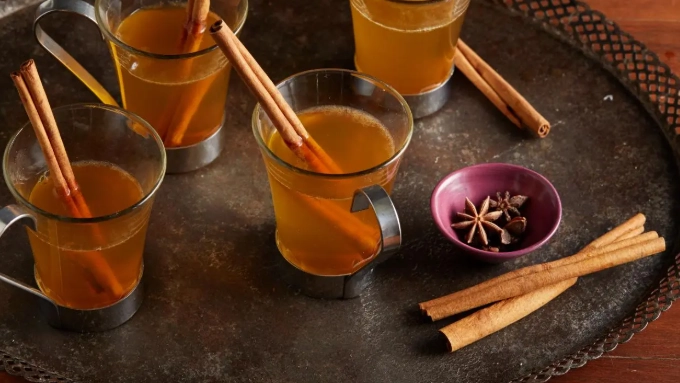
Going Deeper: The Ingredient Breakdown
Want to really understand your mulled cider? Let's geek out on the components. This is where you can start to customize based on what you like.
Choosing Your Apple Cider: It Matters More Than You Think
Not all ciders are created equal. The base of your mulled cider recipe determines everything.
- Fresh & Unfiltered (The Gold Standard): This is pressed apple juice that hasn't been stripped of its pulp and particles. It's often sold refrigerated. It has a complex, tangy, true apple flavor and a fuller body. This is what I always recommend for the best mulled cider. The U.S. Apple Association has great resources on apple varieties and cider-making if you're curious about the process.
- Filtered Apple Juice (The Backup): The clear, shelf-stable kind. It will work in a pinch, but your final drink will be lighter in color, thinner in body, and sweeter in a one-dimensional way. You might need to add a splash of lemon juice to brighten it up.
- Fresh-Pressed from an Orchard (The Champion): If you have access to a local orchard's own cider, grab it. It's often a blend of apple varieties (sweet, tart, sharp) chosen specifically for balance. This will make the most nuanced, incredible mulled cider you've ever tasted.
Honestly, the difference between a mulled cider made with grocery store juice and one made with a robust local cider is night and day. The good stuff has character.
The Spice Rack: Building Your Flavor Profile
Whole spices are superior to ground for mulling. Ground spices make the drink cloudy and can leave a gritty, overpowering sediment. Whole spices release their oils slowly and evenly.
| Spice | Flavor It Adds | My Personal Take & Tips |
|---|---|---|
| Cinnamon Sticks | Sweet, woody warmth. The backbone. | Ceylon cinnamon ("true" cinnamon) is milder and more complex. Cassia cinnamon (more common) is stronger and spicier. I use Cassia for a bigger punch. Don't use powder. |
| Whole Cloves | Pungent, warm, slightly bitter & numbing. | Powerful! A little goes a long way. 8-10 for a batch is plenty. More than that, and it can start to taste medicinal. I once over-cloved a batch... not great. |
| Allspice Berries | Like a combo of clove, nutmeg, and cinnamon. | Underrated! Adds incredible depth. Crush them lightly with the back of a knife before adding to release more flavor. |
| Star Anise | Sweet, licorice-like, aromatic. | Beautiful to look at. The flavor is distinct, so if you're not a licorice fan, use just one pod or skip it. |
| Fresh Ginger | Spicy, bright, peppery zing. | This is my non-negotiable secret weapon. It cuts through the sweetness and adds a lively kick that dried ginger can't match. |
| Nutmeg (whole, grated) | Nutty, warm, slightly sweet. | Add a few scrapes of fresh nutmeg at the very end of simmering. The pre-ground stuff loses its magic too fast. |
A Word of Caution: Be wary of pre-packaged "mulling spice" blends that are mostly brown sugar and dried orange peel with a dusting of ground spices. They often clump and don't infuse well. If you use a blend, seek out ones from reputable spice companies like Penzey's or The Spice House that are primarily whole spices.
Beyond the Basics: Your Mulled Cider Playground
Once you've mastered the core mulled cider recipe, the fun begins. Here are the most popular ways to tweak it.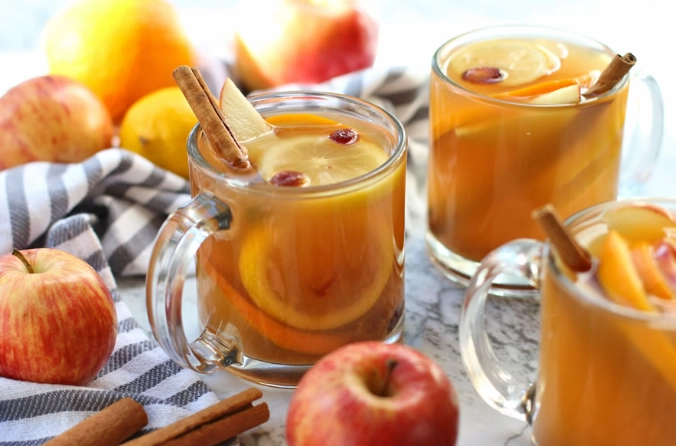
The Boozy Upgrade
Turning your mulled cider into an adult beverage is easy and delicious. The key is adding the alcohol off the heat just before serving. Heating high-proof spirits for too long can make the alcohol taste harsh and burn off the nuances.
- Rum (Dark or Spiced): A classic. Adds caramel and molasses notes. Start with 1-2 ounces per mug. Stir it in after ladling the hot cider.
- Bourbon or Whiskey: Adds a wonderful oaky, vanilla warmth. It pairs beautifully with the brown sugar version.
- Brandy or Calvados (Apple Brandy): This is a next-level move. Calvados, being apple-based, integrates seamlessly and amplifies the apple flavor. It feels sophisticated.
- Fireball or Other Cinnamon Whiskey: Use sparingly! It's very sweet and can overpower. Maybe just a half-ounce to add a kick.
My personal favorite is a good dark rum. It just feels right.
The Non-Alcoholic Crowd-Pleaser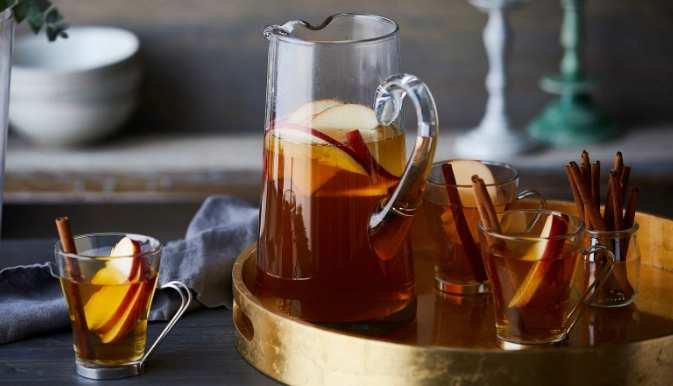
This is often the main event for family gatherings. The base recipe is already non-alcoholic, but here's how to make it extra special:
- Fruit-Forward: Add a handful of fresh or frozen cranberries to the pot. They pop and add a beautiful tartness and vibrant color. A peeled and cored pear, sliced, is also lovely.
- Sweetener Swaps: Try using all maple syrup for a deep, woodsy sweetness. Or use half brown sugar, half honey.
- Creamy Version: For a truly decadent treat, add a splash of vanilla extract or a cinnamon stick that's been soaked in vanilla at the end. You can even float a little whipped cream on top.
Common Questions (The Stuff You Actually Google)
Serving & Presentation: The Final Touch
You've made an amazing mulled cider recipe. Now, serve it with style.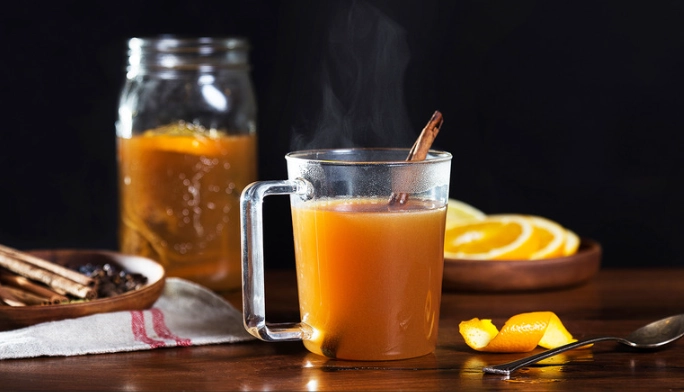
- The Vessel: Use heatproof mugs. Glass mugs show off the beautiful color. Handle-less mugs (like small punch cups) force people to cradle it and warm their hands, which is part of the experience.
- The Garnish: This is where it gets pretty. A fresh cinnamon stick stirrer, an orange wheel or slice, a few fresh cranberries, a thin apple slice, or a star anise pod floating on top.
- The Setup: For a party, set up a "mulled cider bar." Have the hot cider in a slow cooker or a thermos dispenser. Put out small bowls of garnishes (cinnamon sticks, orange slices) and, if offering, bottles of rum, bourbon, and brandy. Let people customize their own.
What to eat with it? Sharp cheddar cheese, spiced nuts, gingerbread cookies, or a simple coffee cake are all perfect companions.
Quick Flavor Variations to Try:
- Pear-Ginger: Use pear cider as half the base, up the fresh ginger.
- Cranberry-Orange: Add 2 cups of cranberry juice and reduce cider slightly. Very tart and festive.
- Chai-Spiced: Add a few black peppercorns, cardamom pods, and a slice of fresh turmeric to the spice mix.
- Maple-Bourbon: Use only maple syrup to sweeten, and offer bourbon as the boozy add-in.
Troubleshooting & Pro Tips from My Kitchen (and Mistakes)
Let's wrap this up with the hard-earned wisdom.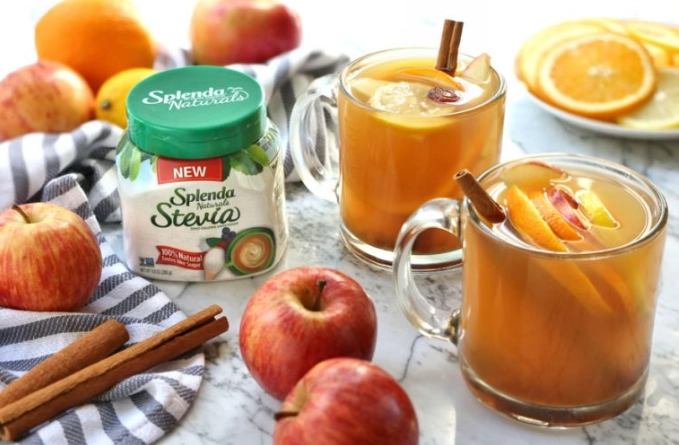
- Too Sweet? Squeeze in the juice of half a lemon or lime. The acidity will balance it right out. You can also add a pinch of salt—it sounds weird, but it works to enhance all flavors, not just saltiness.
- Too Spicy/Bitter? You probably overdid the cloves or let it steep too long. Dilute it with a bit more plain, warm apple cider. Next time, use fewer cloves and pull the spice bundle out after 45 minutes.
- Bland? Simmer longer to concentrate. Add more fresh ginger or a couple extra allspice berries. A dash of vanilla extract at the end can add perceived sweetness and depth without more sugar.
- Don't Boil! I said it before, but it's the #1 mistake. A simmer is a shiver on the surface, not a rolling boil. Boiling drives off the delicate aromatics and can make the cider taste cooked or flat.
- Taste as You Go. This isn't baking. Adjust the sweetness, the steep time, everything, to your liking. Your perfect mulled cider recipe is the one that tastes perfect to you.
There you have it.
From picking your cider to garnishing your mug, you're now equipped to make a mulled cider that'll have people asking for your recipe. It's more than just following steps; it's about understanding how the flavors work together so you can make it your own. So grab a pot, round up those spices, and get simmering. Your new favorite fall and winter tradition is waiting.
And honestly? The best part might just be that incredible smell wafting through your home. That's a success you can't bottle.