For years, I saw watercress as that slightly intimidating, peppery leaf relegated to the corner of a fancy restaurant plate, more for decoration than consumption. Then, I grew some in a shady spot in my garden. Faced with an abundance of it, I was forced to get creative. What I discovered transformed my cooking. Watercress isn't just a garnish; it's a versatile, nutritional powerhouse that can be the star of soups, salads, and even hot dishes. Let's move beyond the sprig and explore how to make watercress the hero of your kitchen.
In This Article: Your Watercress Roadmap
What Exactly is Watercress?
Watercress (Nasturtium officinale) is a leafy green from the Brassicaceae family (think broccoli, kale). It grows naturally in cool, flowing water. That peppery, slightly mustard-like kick? That's from glucosinolates, the same compounds that give horseradish its heat. But here's thething most recipes don't tell you: that bite is its superpower. It cuts through richness, adds dimension to salads, and wilts beautifully into warm dishes, offering a flavor profile spinach can only dream of.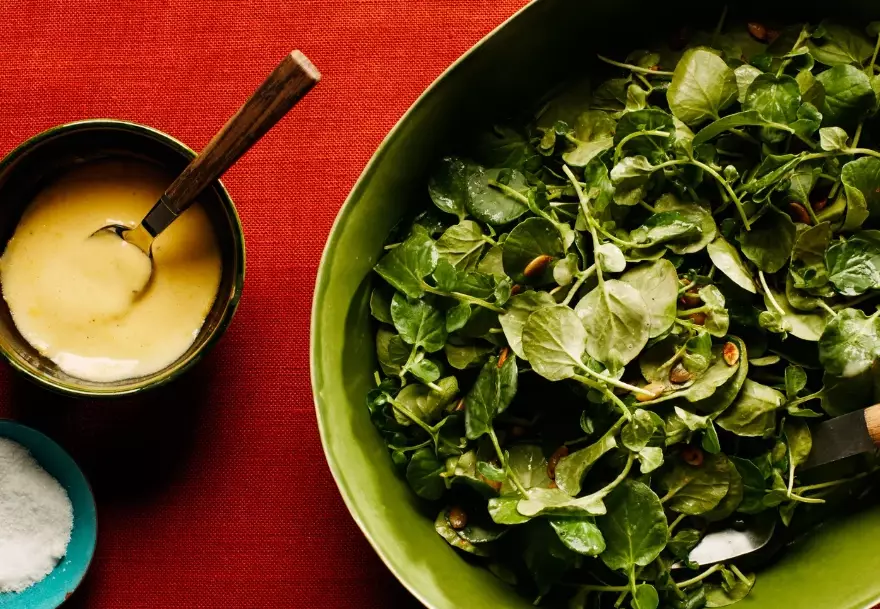
Nutritionally, it's a heavyweight. The Centers for Disease Control and Prevention (CDC) once ranked it as the number one powerhouse fruit or vegetable for nutrient density. It's packed with vitamins K, C, and A, and is a good source of calcium and antioxidants.
Buying and Storing: A Quick Guide
Look for vibrant, deep green leaves with crisp, un-wilted stems. Avoid any bunches with yellowing leaves or slimy stems.
Pro Storage Tip Most People Get Wrong
Don't just shove it in the veggie drawer. Treat it like fresh herbs. Trim the stem ends, stand the bunch in a jar with an inch of water, loosely cover the leaves with a plastic bag, and refrigerate. Change the water every other day. This keeps it crisp for 4-5 days. Washing it before storage accelerates wilting.
Recipe 1: Creamy Potato & Watercress Soup (Serves 4)
This is my ultimate comfort food. The potatoes mellow the peppery edge of the watercress, creating a soup that's vibrant, creamy without being heavy, and ready in about 30 minutes. The key is adding the watercress at the very end to preserve its color and fresh flavor.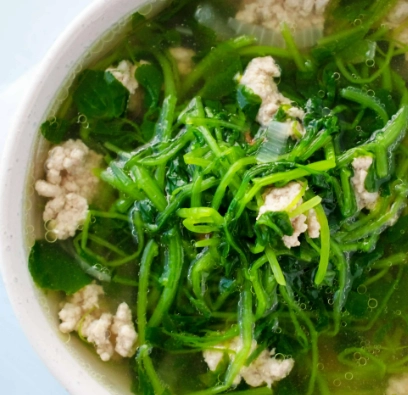
| Ingredient | Quantity |
|---|---|
| Large bunch of watercress | 1 (about 100g) |
| Potatoes (Maris Piper or Yukon Gold), peeled and diced | 500g |
| Onion, chopped | 1 medium |
| Vegetable stock | 750ml |
| Single cream or crème fraîche | 100ml |
| Olive oil | 1 tbsp |
| Salt and black pepper | To taste |
Method
- Heat the oil in a large pot over medium heat. Add the onion and cook until soft (about 5 mins).
- Add the potatoes and stock. Bring to a boil, then simmer for 15-20 minutes until potatoes are tender.
- Remove from heat. Roughly chop the watercress (reserve a few small sprigs for garnish) and stir most of it into the hot soup—it will wilt instantly.
- Using a blender, purée the soup until smooth. Be careful with hot liquids.
- Return to the pot, stir in the cream, and gently reheat. Season well with salt and pepper.
- Ladle into bowls and garnish with the reserved watercress and a swirl of extra cream.
Why this works: The starch from the potatoes thickens the soup naturally, allowing you to use less cream. Adding the watercress off the heat prevents it from overcooking and turning brown.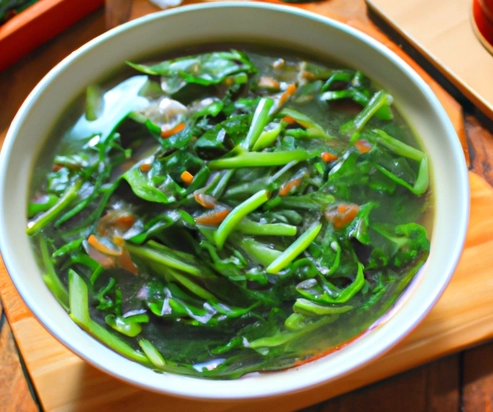
Recipe 2: Watercress Salad with Citrus & Avocado
This salad is a masterclass in balance. The peppery watercress, sweet citrus, creamy avocado, and crunchy almonds create a textural and flavor symphony. It's a perfect side for grilled chicken or fish, or a satisfying light lunch on its own.
For the salad: 1 large bunch watercress, tough stems removed • 1 orange or 2 blood oranges, segmented • 1 ripe avocado, sliced • 2 tbsp toasted flaked almonds • Optional: crumbled goat's cheese or feta.
For the dressing: Whisk together 3 tbsp extra virgin olive oil, 1 tbsp fresh orange juice, 1 tsp honey or maple syrup, 1 tsp Dijon mustard, salt, and pepper.
Simply toss the watercress with most of the dressing. Arrange on plates, top with citrus, avocado, almonds, and cheese (if using). Drizzle with the remaining dressing. Serve immediately.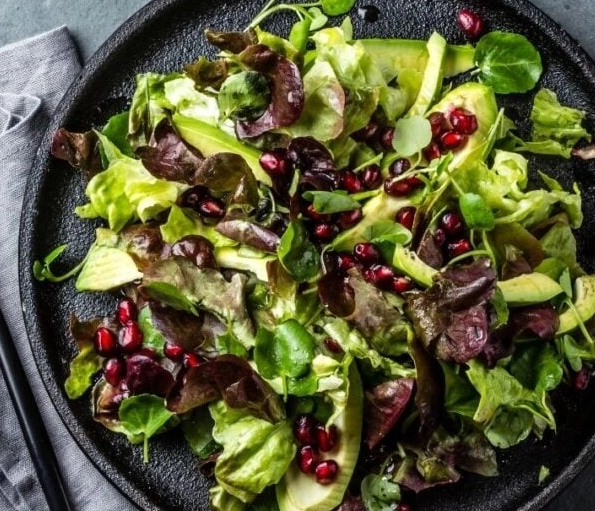
Salad Secret: Taming the Pepperiness
If the raw watercress tastes too strong for you, don't give up. Soak the leaves in a bowl of ice-cold water for 10-15 minutes before drying. This crisps them up and mellows the peppery bite significantly.
Recipe 3: Watercress & Mushroom Pasta (Serves 2)
This is a 15-minute weeknight wonder. The watercress wilts into a silky, flavorful sauce that clings to every strand of pasta. Using a mix of mushrooms adds depth, but even just chestnut mushrooms work perfectly.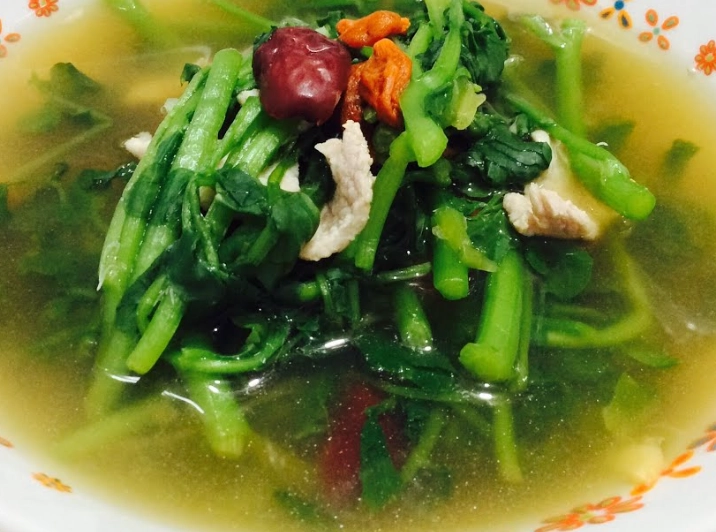
Ingredients: 180g spaghetti or linguine • 200g mixed mushrooms (shiitake, oyster, chestnut), sliced • 1 large bunch watercress, tough stems removed • 2 cloves garlic, thinly sliced • ½ lemon, zest and juice • 3 tbsp olive oil • 30g Parmesan, grated, plus extra to serve • Salt and black pepper.
Method
- Cook the pasta in salted boiling water according to package directions. Reserve a mug of pasta water before draining.
- While the pasta cooks, heat 2 tbsp oil in a large frying pan over medium-high heat. Add the mushrooms and cook until browned and any liquid has evaporated (5-7 mins).
- Add the garlic and cook for 1 minute until fragrant. Remove from heat.
- Place the raw watercress in a large bowl (the one you'll serve in). Add the hot, drained pasta, the mushroom mixture, the remaining 1 tbsp olive oil, lemon zest, juice, and Parmesan.
- Toss everything together vigorously. The residual heat from the pasta and mushrooms will wilt the watercress perfectly. Add splashes of the reserved pasta water until you get a glossy, light sauce coating everything.
- Season generously with salt and pepper and serve immediately with extra Parmesan.

The expert move: Adding the raw watercress to the bowl before the hot pasta gives it just the right amount of wilting without turning it to mush. The pasta water is magic—it helps the sauce emulsify.
Your Watercress Questions Answered
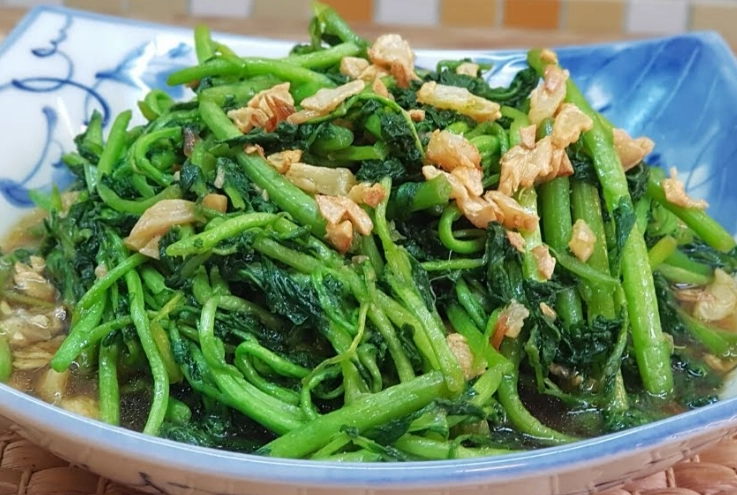
So, next time you see watercress, don't just think garnish. Grab a bunch. Whether you blend it into a vibrant soup, toss it into a bright salad, or stir it through a quick pasta, you're not just making a meal—you're tapping into one of the most nutrient-dense foods on the planet. And honestly, that's a pretty delicious superpower to have in your fridge.