Your Black Cod Journey
- Why Black Cod Deserves a Spot on Your Plate
- Getting Started: Your Black Cod Pre-Checklist
- The Core Cooking Methods Demystified
- The Classic: Miso-Glazed Black Cod (Misyozuke)
- Beyond Miso: Other Fantastic Black Cod Recipes
- Answering Your Black Cod Questions (FAQ)
- Putting It All Together: A Week of Black Cod Dinners
Let's be honest. You see black cod on a restaurant menu, and it's almost always the most expensive thing there. It's buttery, it flakes apart with a gentle nudge of your fork, and it feels like a total luxury. The first time I tried to cook it at home, I was terrified. I spent forty bucks on a couple of fillets and was convinced I'd ruin them. But here's the secret: black cod is one of the most forgiving, delicious fish you can cook in your own kitchen. You don't need to be a pro.
This guide is everything I wish I'd had back then. We're going to move beyond just the famous miso-glazed version (though we'll master that too) and explore a whole world of black cod recipes. Whether you're looking for a show-stopping dinner party dish or a simple weeknight meal, you'll find your answer here.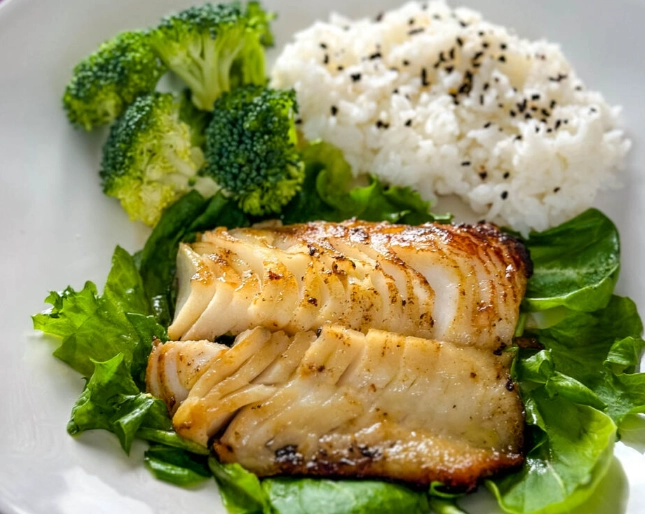
Why Black Cod Deserves a Spot on Your Plate
Before we dive into the black cod recipes, let's talk about why this fish is special. It's not just hype.
The fat content is a game-changer. We're talking about 15-20% oil, which is huge for a fish. This does two things: it makes the flesh incredibly moist and almost impossible to dry out, and it acts as a brilliant carrier for flavors. Marinades don't just sit on the surface; they get pulled right into the meat. That's why the classic miso marinade works so well—it has days to penetrate.
Then there's the sustainability angle. I try to be mindful about seafood, and it's a minefield out there. The good news? Most black cod from Alaska and British Columbia is managed really well. The NOAA FishWatch profile for sablefish is a great resource to check the latest stock status. It's a feel-good choice, which makes enjoying it even better.
But flavor is king, right? The taste is mild, slightly sweet, and never fishy. The texture is its crowning glory—large, tender flakes that are almost creamy. It's the fish for people who think they don't like fish.
Getting Started: Your Black Cod Pre-Checklist
You've bought the fish. Now what? A little prep goes a long way in making sure your black cod recipes turn out perfect.
Buying the Best Fish
Fresh is fantastic if you can get it. Look for firm, glossy flesh with a clean, ocean-like smell. No ammonia. The skin should be shiny and metallic, not dull. But here's a little insider tip: frozen is often your best bet. Black cod freezes exceptionally well because of all that fat, and it's usually frozen at sea right after catching, which locks in peak freshness. Thaw it slowly in your fridge overnight. Don't use hot water—you'll start cooking the edges and make the texture mushy.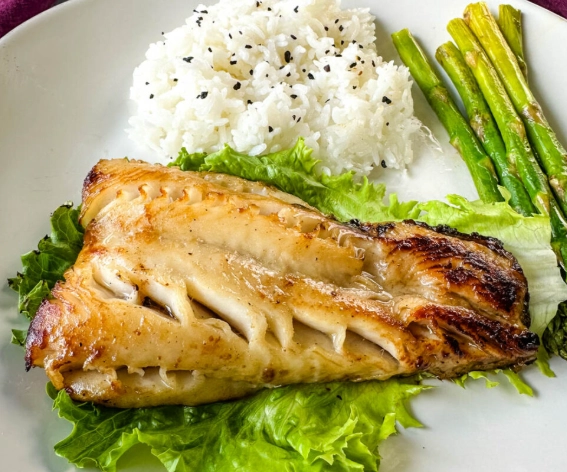
To Skin or Not to Skin?
The skin is edible and gets wonderfully crispy when seared. I love it. But not all black cod recipes need it. For steaming or for the misyozuke (miso cure) where you'll wipe off the marinade, skin-on is fine. For pan-searing, I prefer skin-on to get that crackling texture. If your fillet has a tough, rubbery layer called the "belt" or "lateral line," you can trim it off—it's edible but chewy.
Pat it dry. Always. This is the single most important step for getting a good sear. Moisture is the enemy of browning.
The Core Cooking Methods Demystified
How you cook it changes everything. Let's break down the big four methods. I've even made a table because I'm a visual person and it helps me compare.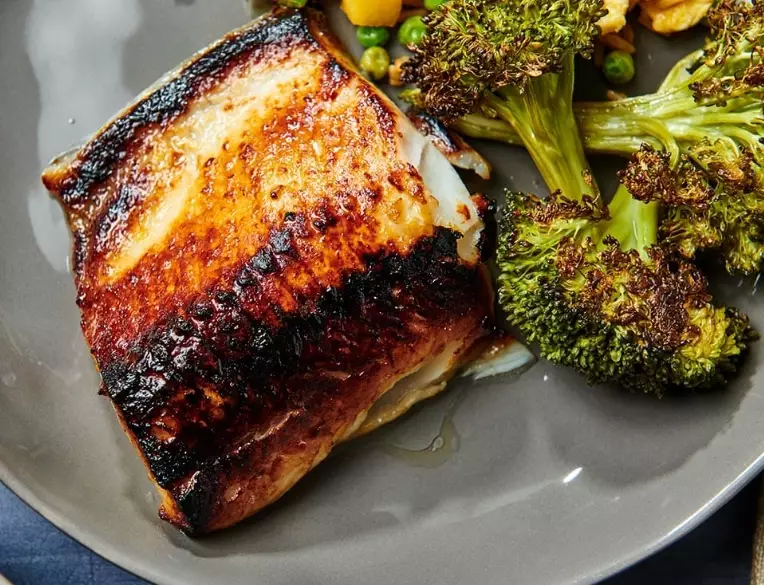
| Method | Best For... | Key to Success | My Personal Take |
|---|---|---|---|
| Pan-Searing | Quick, crispy skin, simple preparation. | Hot pan, dry fish, don't move it. | My weeknight hero. 8 minutes total for a 1-inch fillet. Foolproof. |
| Broiling/Baking | Miso-glazed cod, hands-off cooking. | Watch closely under the broiler—it goes from perfect to burnt fast. | Great for thicker cuts. The high heat mimics restaurant salamanders. |
| Steaming | Delicate, pure flavor, Asian-inspired dishes. | Don't over-steam. It's done when just opaque. | Underrated. The texture is unbelievably silky. Try it with ginger and scallions. |
| Poaching | Elegant, gentle cooking in flavored liquid. | Keep the liquid at a bare simmer, never a boil. | Feels fancy with minimal effort. A olive oil or butter poach is decadent. |
Pan-searing is where most home cooks start, and for good reason. Heat a neutral oil with a high smoke point (grapeseed, avocado) in a heavy skillet until it shimmers. Lay the fillet in skin-side down. It will probably curl—gently press it with a spatula for 10 seconds to ensure full contact. Then, just leave it alone. For a 1-inch thick piece, it'll take about 5-6 minutes to get the skin super crispy. Flip it, cook for another 2-3 minutes until just done. That's it. Squeeze of lemon, maybe a herb butter. Perfection.
Broiling is the secret to that iconic caramelized miso glaze. Preheat your broiler on high. Put a rack about 6 inches from the element. Place your marinated fillet on a foil-lined baking sheet. Broil for 7-10 minutes. But you must watch it like a hawk after the 5-minute mark. The sugar in the marinade can burn in seconds. I've learned this the hard way. A little char is good; a blackened brick is not.
The Classic: Miso-Glazed Black Cod (Misyozuke)
You can't talk about black cod recipes without this one. It's famous for a reason. The umami from the miso, the sweetness from the mirin and sugar, and the rich fish create something greater than the sum of its parts.
Here's my tried-and-true version, adapted over years. The key is the marinade time.
The Marinade Formula
- White (Shiro) Miso: 1/2 cup. It's sweeter and milder than red miso. You can use a mix, but start with white.
- Mirin: 1/4 cup. Real mirin, not "mirin-style seasoning." It adds sweetness and complex flavor.
- Sake: 2 tablespoons. Cooking sake is fine.
- Sugar: 3 tablespoons. I know it seems like a lot, but it's necessary for the caramelization. You can use white granulated or a lighter brown sugar.
Whisk it all together in a small saucepan. Heat it gently just until the sugar dissolves. Let it cool completely. This is crucial—putting hot marinade on fish will start cooking it and make the texture weird.
The result? A fillet with a deeply savory, slightly sweet crust and a meltingly tender interior. It's restaurant-quality at home. Serve it with simple steamed rice and some quick-pickled cucumbers to cut through the richness.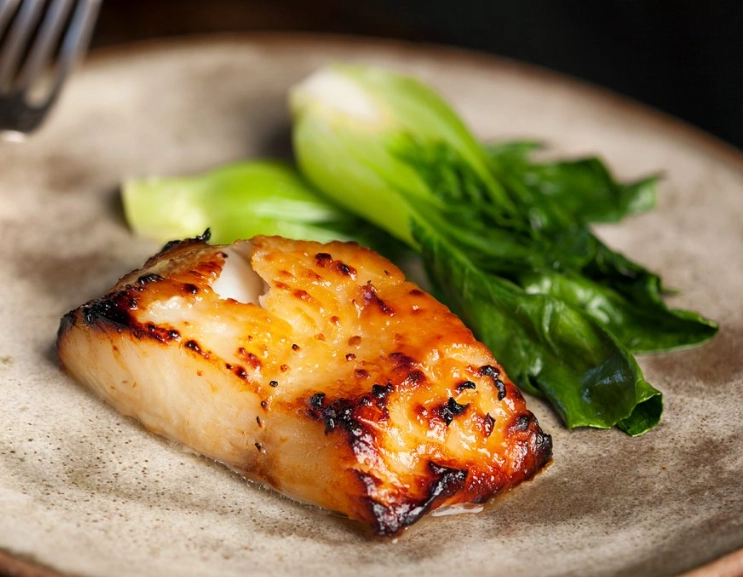
Beyond Miso: Other Fantastic Black Cod Recipes
The classic is a masterpiece, but your black cod journey shouldn't end there. Here are some other avenues to explore.
Pan-Seared with Lemon-Herb Butter
This is my back-pocket, no-fuss dinner. After pan-searing the fish as described, remove it to a plate. In the same hot pan, toss in a few tablespoons of cold butter. It'll foam. Throw in a big handful of chopped herbs—parsley, dill, chives, whatever you have. A squeeze of lemon juice. Swirl it until it comes together, then pour it right over the fish. The simplicity lets the fish shine.
Black Cod with Tomato and Olive Stew
A Mediterranean twist. Sear the fish quickly, then set aside. In the same pan, sauté garlic, add a can of good crushed tomatoes, a handful of pitted Kalamata olives, and a pinch of red pepper flakes. Let it simmer for 10 minutes to thicken. Nestle the fish back in, cover, and let it finish cooking for 5-6 minutes. The acidity of the tomato works beautifully with the fatty fish.
Steamed Black Cod with Ginger and Scallions
For when you want something light and clean. Place the fillet on a heatproof plate that will fit inside your steamer or a wok with a rack. Scatter matchsticks of fresh ginger and sliced scallions over it. Drizzle with a teaspoon of soy sauce and sesame oil. Steam over boiling water for 8-10 minutes. When done, pour a tablespoon of hot neutral oil over the top to sizzle the aromatics. The texture here is out of this world—silky and pure.
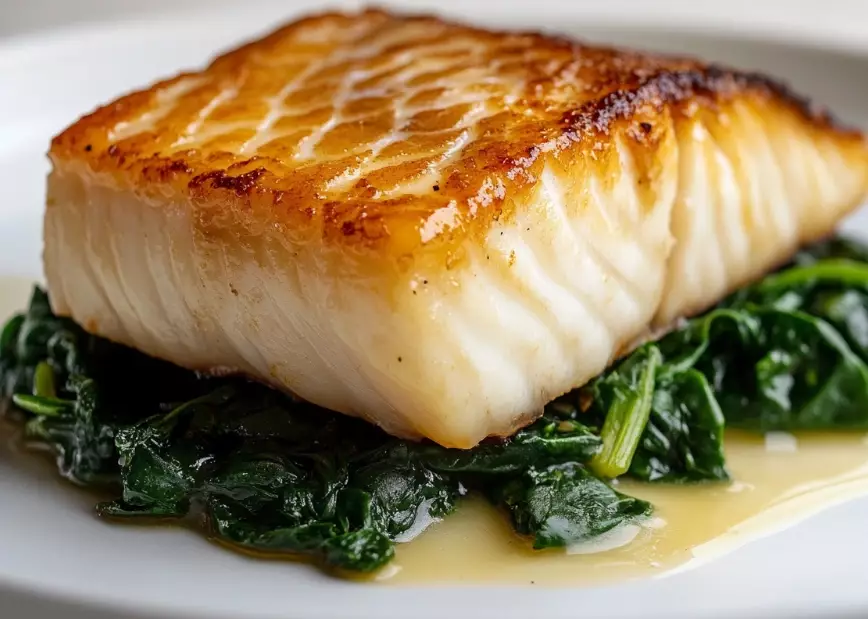 See? It's not a one-trick pony.
Answering Your Black Cod Questions (FAQ)
Putting It All Together: A Week of Black Cod Dinners
To show you how versatile this fish is, here's a sample plan. Buy a larger piece, cut it into portions, and try different black cod recipes.
- Monday (Quick): Simple pan-seared black cod with lemon and capers. 15 minutes start to finish.
- Wednesday (Marinate Ahead): Start the miso marinade on Tuesday night. Wednesday, broil it and serve with rice and greens.
- Friday (Comfort Food): Black cod "chowder." Poach the fish in milk with potatoes and onions, then flake it in at the end. Creamy and satisfying.
The world of black cod recipes is deep and rewarding. It's a fish that rewards a little knowledge and patience with consistently spectacular results. From the iconic misyozuke that put it on the map to simple, modern preparations, it's a staple that deserves a permanent place in your seafood rotation. Don't be intimidated by its price tag or reputation. Dive in, get your hands on some fillets, and start cooking. You've got this.