Quick Navigation
Let's be real. You've probably seen pictures of this bright yellow dish with chunks of white fish and thought, "What is that, and why does it look so good?" If you're here, you're past the curiosity stage. You want to make it. You want the real deal, the authentic taste of Jamaica on your plate, not some watered-down version. Well, you've come to the right place. Making a proper ackee and saltfish recipe isn't just about following steps; it's about understanding a bit of history, respecting the ingredients, and nailing those little techniques that make all the difference between "okay" and "oh my goodness, this tastes like Kingston."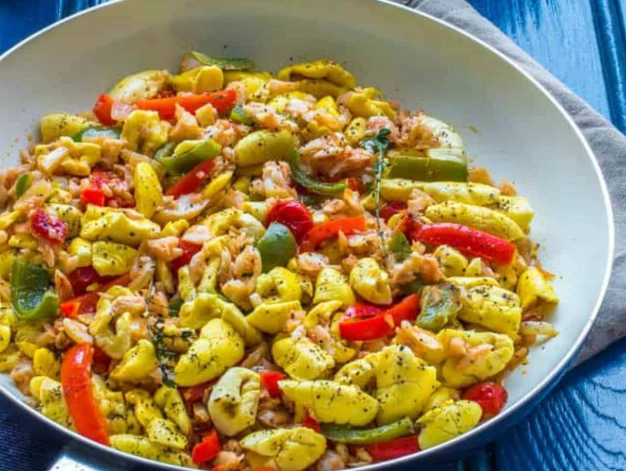
I remember my first attempt. It was... a learning experience. The saltfish was so salty it could have preserved itself for another century, and the ackee turned into a mushy, unappetizing paste. Not a proud moment. But after many trials, errors, and tips from a few Jamaican aunties who took pity on me, I figured it out. This guide is that hard-won knowledge, passed on to you so you can skip the failures and go straight to success.
What Exactly is Ackee and Saltfish?
Before we dive into the pot, let's talk about what we're actually making. Ackee and saltfish is the national dish of Jamaica. It's a savory, hearty, and incredibly flavorful combination of ackee fruit and salted cod. It's eaten any time of day but is famously a weekend breakfast or brunch staple, often served with fried dumplings (called festivals), boiled green bananas, breadfruit, or just plain white rice. The Jamaica Tourist Board rightly highlights it as a cultural icon.
The ackee itself is a fascinating (and slightly mysterious) ingredient. It's a fruit, but it's treated like a vegetable. It was brought to Jamaica from West Africa in the 18th century. Now, here's the critical part you must know: the raw ackee fruit contains toxins. Only the soft, yellow arils (the fleshy part around the black seeds) are edible, and only when the fruit has naturally opened on the tree. The unopened pods and the pink membrane are poisonous. This sounds scary, but don't worry—if you're outside Jamaica, you'll almost certainly be using canned ackee, which is perfectly safe and pre-prepared. The Jamaican Ministry of Agriculture and Fisheries has strict guidelines for its canning and export to ensure safety. The canned stuff is a lifesaver and gives a consistent result.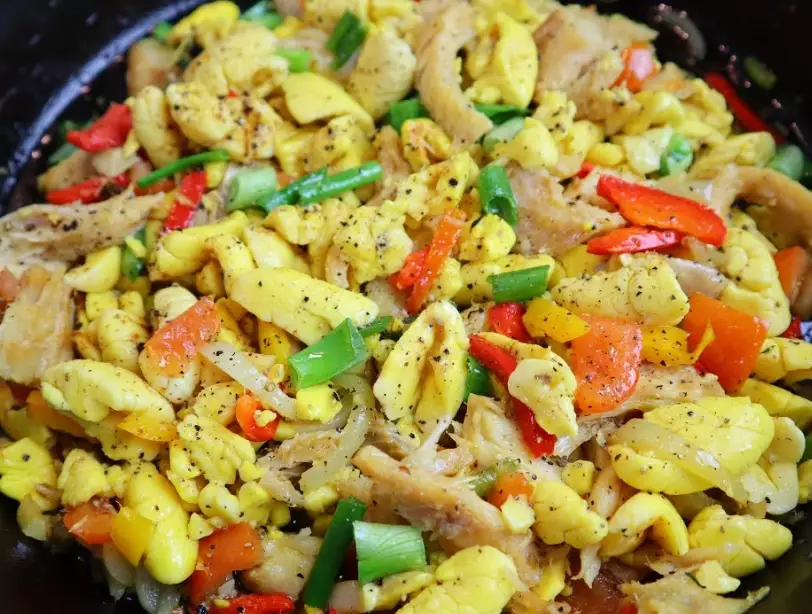
Then there's the saltfish. This is typically salted cod, a preservation method that dates back centuries and was crucial for feeding people across the Caribbean. It's intensely salty and rock-hard when you buy it. The magic happens when you soak and boil it, transforming it into flaky, savory, protein-packed goodness that pairs unbelievably well with the mild, buttery ackee.
Gathering Your Ingredients: The Right Stuff Matters
You can't build a great house with bad bricks, and you can't make a great ackee and saltfish recipe with subpar ingredients. This is where many first-timers go wrong. Let's get your shopping list sorted.
The Core Components
These are non-negotiable. You need them to even call the dish by its name.
Ackee: Unless you have an ackee tree in your backyard (lucky you!), you'll use canned ackee. Look for brands like "Grace" or "Busha Browne" in the international aisle. One 19-oz can is perfect for 2-3 people. When you open it, you'll see the yellow pods floating in brine. Gently rinse them in a colander. Handle them like you would delicate tofu—they bruise and fall apart easily.
Saltfish (Salted Cod): You can find this in blocks or fillets in Caribbean, Latino, or some well-stocked grocery stores. Go for boneless if you can find it to save time. You'll need about 1/2 pound to pair with one can of ackee. It looks intimidating, but trust the process.
Now, the supporting cast—the "flavor builders." This is where the dish gets its personality.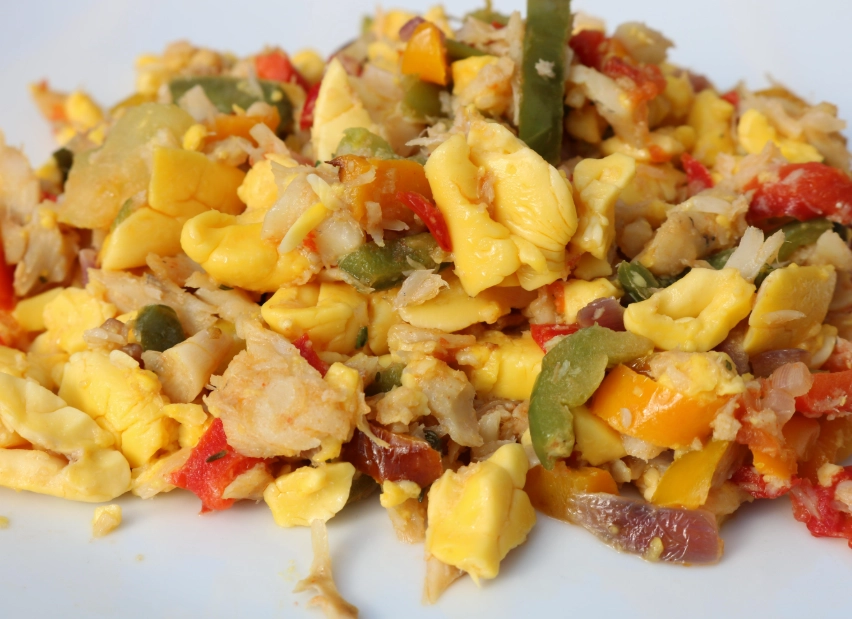
| Ingredient | Role in the Dish | Pro Tip / Note |
|---|---|---|
| Onion (1 medium) | Sweet, aromatic base. Usually white or yellow. | Slice thinly for even cooking and sweetness. |
| Bell Pepper (1) | Adds color, sweetness, and a slight crunch. | I prefer red or green for traditional color contrast. |
| Scotch Bonnet Pepper (1) | THE source of authentic heat and fruity flavor. | DO NOT chop and scatter! Add it whole to infuse heat without making the dish explosively spicy. You can pierce it once. |
| Tomato (1 ripe) | Adds acidity and juiciness to the sauce. | Chop it small so it breaks down a bit. |
| Garlic (2-3 cloves) | Essential savory depth. | Minced fine. Don't use powder here. |
| Green Onions (2-3) | Fresh, sharp finish. | Add these last to keep their brightness. |
| Thyme (a few sprigs) | Classic Caribbean herb. Earthy and fragrant. | Fresh is ideal. If using dried, a teaspoon. |
| Black Pepper | Warmth and spice. | Freshly cracked is always better. |
| Vegetable Oil | For sautéing. |
The Step-by-Step Process: No Shortcuts to Flavor
This isn't a 15-minute throw-together meal. Good food takes time, and a big part of that time is spent on the saltfish. Rushing this is the biggest mistake.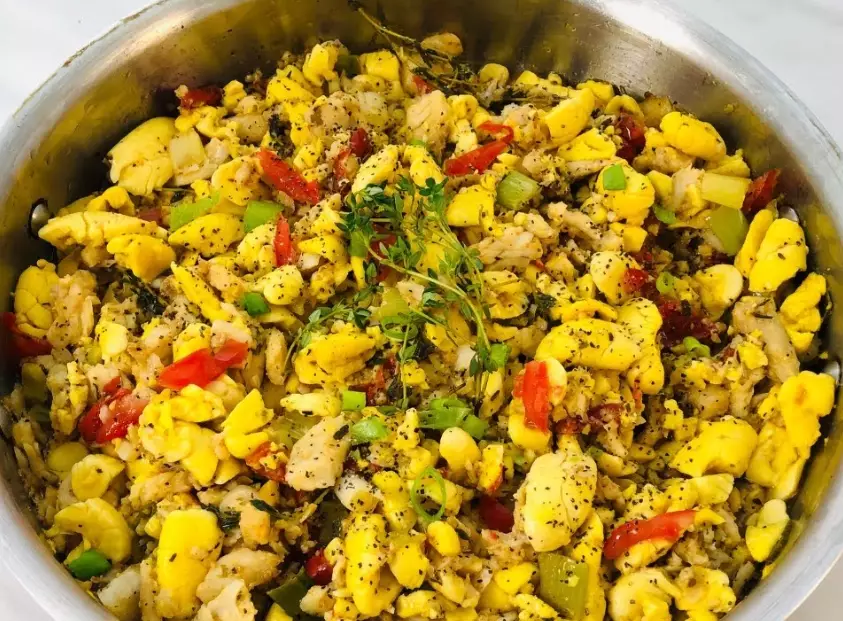
Phase 1: Taming the Saltfish (This is Crucial)
This step cannot be skipped or hurried. Your goal is to remove enough salt so the fish is palatable and to rehydrate it.
- Soak It: Place your chunk of saltfish in a large bowl and cover it with cold water. Let it soak for at least 8 hours, or ideally overnight. Change the water once or twice if you can. This slowly draws out the salt.
- Boil It: After soaking, drain the fish. Put it in a pot, cover with fresh water, and bring to a boil. Let it boil for 15-20 minutes. This finishes the desalting and cooks the fish. Taste a tiny flake. It should be pleasantly salty, not mouth-puckering. If it's still too salty, boil it again in fresh water for another 10 minutes.
- Shred It: Drain the fish and let it cool enough to handle. Remove any skin and bones you find. Using your fingers or a fork, flake the fish into small, bite-sized pieces. Set aside.
Time-Saver Tip (The Aunties Might Frown): If you're really short on time, you can do a quick soak by boiling the saltfish for 5 minutes, discarding the water, and boiling it again in fresh water until tender. It works, but the overnight soak gives a more even and gentle result.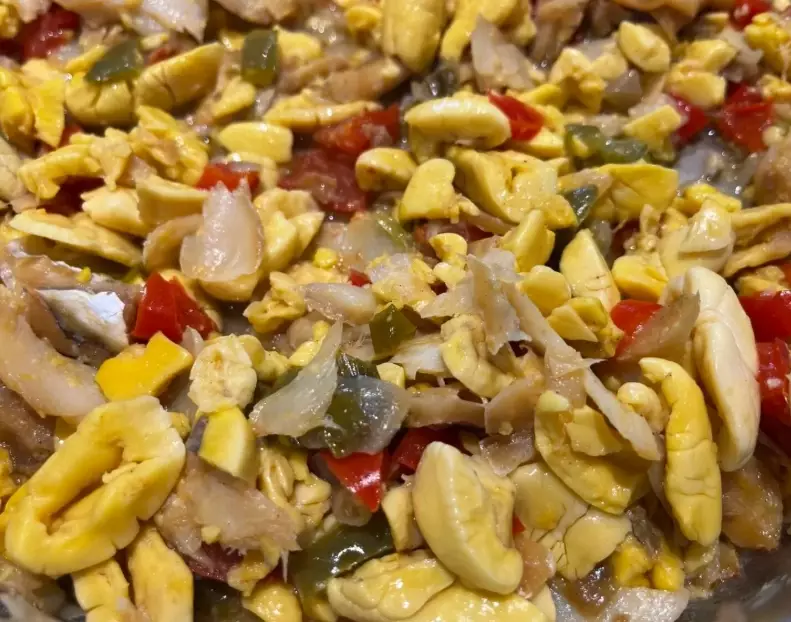
Phase 2: Building the Flavor Base (The "Fry Down")
This is where the magic starts to smell incredible. In a large skillet or wide pot, heat 2-3 tablespoons of oil over medium heat.
- Add the sliced onions, bell pepper, and minced garlic. Sauté for 3-4 minutes until they soften and become fragrant. Don't let the garlic burn.
- Add the chopped tomato, the whole Scotch Bonnet pepper (remember, whole!), and the sprigs of thyme. Stir and cook for another 3-4 minutes until the tomatoes start to break down and release their juices. You're creating a flavorful, sofrito-like base.
Phase 3: Bringing It All Together
Now, introduce the stars of the show.
- Add the flaked saltfish to the skillet. Stir it well into the vegetable mixture. Let it cook together for about 5 minutes. This allows the fish to absorb all those wonderful flavors.
- Here comes the ackee. Gently fold in the drained ackee pods. Be so gentle—use a wooden spoon or silicone spatula and fold from the bottom. You want to coat the ackee with the sauce without mashing it.
- Let everything heat through for 3-4 minutes. The ackee is already cooked; you're just warming it and letting the flavors marry. Season with black pepper. Be very careful with adding salt! The saltfish usually provides enough. Always taste first.
- Right at the end, stir in the chopped green onions. Give it one final, gentle fold.
- Remove the whole Scotch Bonnet pepper and the thyme sprigs (the leaves will have mostly fallen off) before serving.
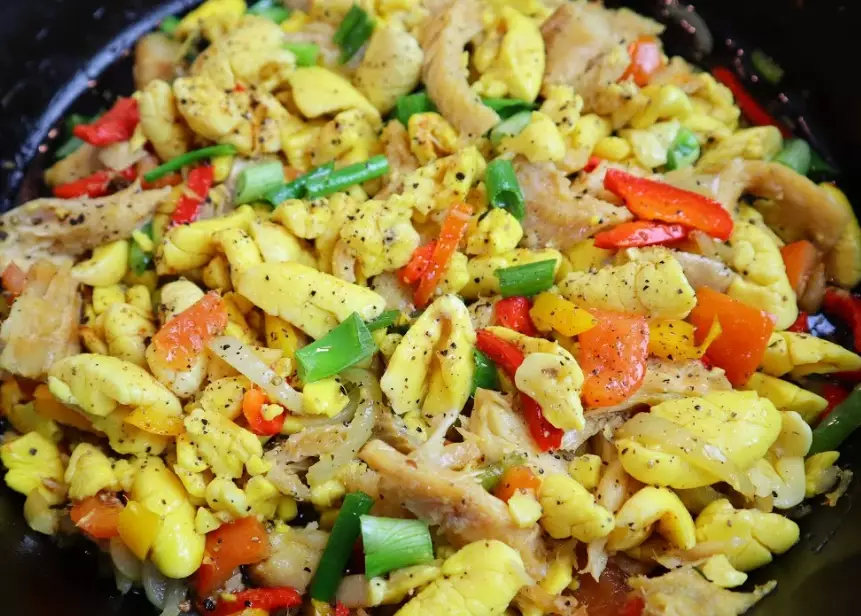
Watch Out! Do not stir vigorously once the ackee is in. Do not overcook the ackee. It will become mushy and lose its distinct texture. It's ready when it's heated through.
And that's it. You've done it.
The Classic Ackee and Saltfish Recipe (Quick Reference)
Serves: 2-3
Prep (incl. soaking): 8+ hours
Cook: 30 minutes
Core: 1 can ackee, 1/2 lb saltfish.
Flavor: 1 onion, 1 bell pepper, 1 tomato, 1 scotch bonnet, 3 garlic cloves, 3 green onions, thyme, black pepper, oil.
Key Move: Soak & boil fish. Fry veggies. Gently fold in ackee last.
Common Questions & Troubleshooting (Stuff You Might Be Wondering)
Let's tackle some of the questions that pop up when you're actually in the kitchen, staring at ingredients.
Serving It Right: The Full Jamaican Experience
Ackee and saltfish is rarely eaten alone. The sides are part of the ritual. Here’s how to build your plate, from most traditional to simple alternatives.
- The Champions League (Traditional): Serve with fried dumplings (festivals)—sweet, doughy, fried fingers of joy—and boiled green bananas or breadfruit. This is the classic weekend breakfast plate.
- The Everyday MVP: A simple side of white rice or rice and peas. The rice soaks up the savory oils and flavors perfectly.
- The Quick Fix: Honestly, it's fantastic with a slice of buttered hardo bread (a Jamaican hard dough bread) or even some crusty baguette to scoop it up.
- My Personal Favorite Combo: A scoop of the ackee and saltfish recipe on top of a pile of rice and peas, with a few slices of avocado on the side. The creaminess of the avocado is a perfect match.
What you drink with it matters too. A glass of cold sorrel, pineapple juice, or even a cup of Jamaican hot chocolate rounds it out. For adults, a light beer or a rum punch wouldn't be out of place later in the day.
Acknowledgements and Final Thoughts
Creating this guide meant leaning on tradition and verified information. The cultural significance of the dish is documented by sources like the Jamaica Tourist Board, and the vital safety information regarding ackee comes from official channels like the Jamaican Ministry of Agriculture. This isn't just a recipe; it's a piece of heritage.
So there you have it. Everything I wish I knew before I started messing up pans of saltfish. Making ackee and saltfish is a labor of love. It asks for a bit of patience, especially with the saltfish, but it pays you back tenfold in flavor and satisfaction. It’s a dish that feeds the soul as much as the stomach.
Don't be intimidated. Get your saltfish soaking tonight, grab a can of ackee tomorrow, and give it a go. Follow these steps, be gentle with the ackee, and you'll be sitting down to a truly magnificent meal. A meal that tells a story.
And once you've mastered the basic ackee and saltfish recipe, that's when the real fun begins. You start making it your own.