That first bite into a warm, toasted crumpet, slathered with butter that melts into its signature holes… it’s a special kind of comfort. For years, I thought they were some kind of bakery magic, impossible to replicate at home. Then I tried. My first batch was a disaster—dense, pale, and hole-less. It took a few frustrating attempts, a chat with a baker friend, and learning a few non-negotiable tricks to crack the code.
Now, making crumpets is a weekend ritual. And the secret isn't complexity; it's patience and a bit of know-how. Let's get into it.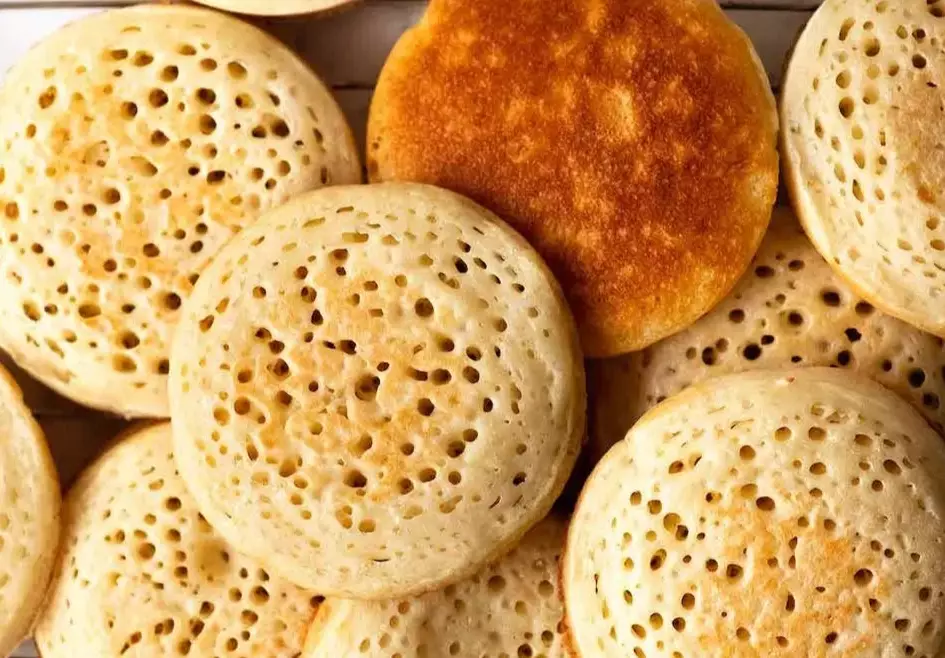
What's Inside This Guide
What Are Crumpets, Really?
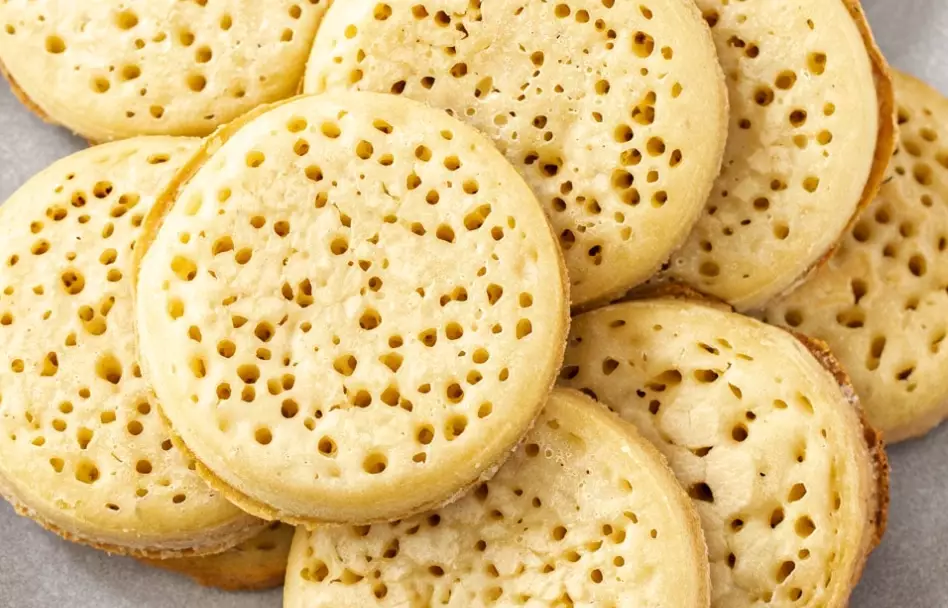
Let's clear something up first. Crumpets are not English muffins. English muffins are a bread, rolled and cut, cooked on a griddle. Crumpets are a batter, almost like a very thick pancake batter, cooked in rings. The magic happens as the bottom sets on the hot surface and the top remains wet. The yeast ferments, creating bubbles of carbon dioxide that rise up through the wet batter, forming those iconic holes (or "nooks and crannies," as one famous brand calls them). The top then sets, trapping the holes.
That's the theory. In practice, getting those holes right is the whole game.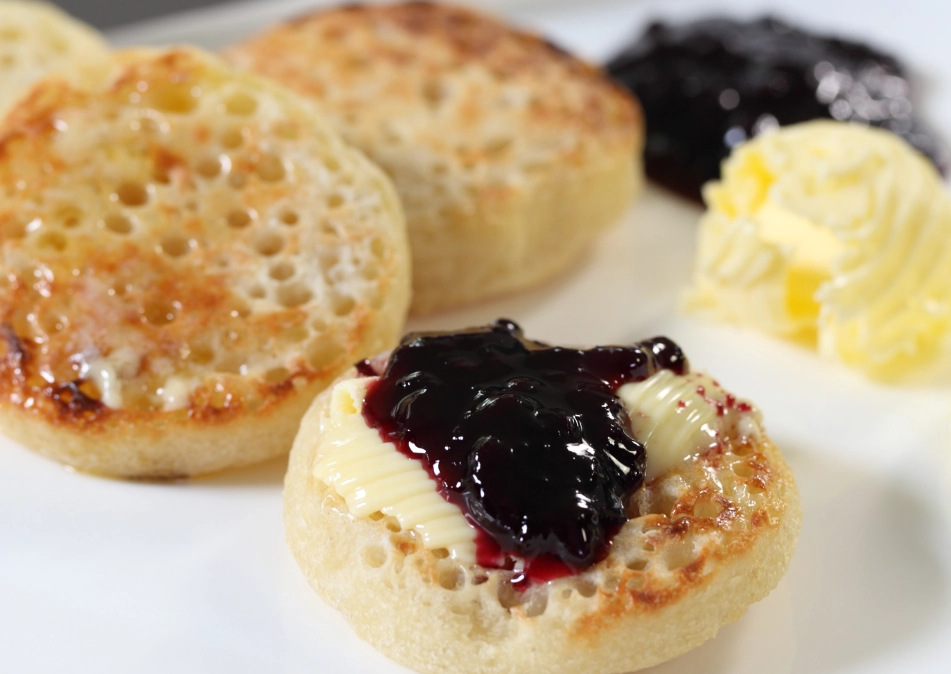
Ingredients: The Simple List That Matters
You only need a handful of things. But the choice within them makes a difference.
- Flour: Strong white bread flour is my go-to. The higher protein content gives the batter more structure to hold those bubbles. All-purpose flour works, but your holes might be slightly less robust.
- Liquid: Warm milk and water. The milk adds a slight richness and helps with browning. Using all water is traditional and works fine—they'll be slightly chewier.
- Yeast: Active dry yeast. You'll proof it first. Instant yeast works if you mix it with the dry ingredients, but I find the proofing step helpful for beginners to see if the yeast is alive.
- Salt & Sugar: Salt for flavor, a pinch of sugar to feed the yeast.
- Bicarbonate of Soda (Baking Soda): This is the second lift. A tiny bit, dissolved in warm water and stirred in just before cooking, gives the batter an extra boost, creating more bubbles. Don't skip it.
The Step-by-Step Process (With Pictures in Your Mind)
This isn't a rush job. Plan for about 2 hours, most of which is hands-off waiting.
1. Mixing and The First Rise
Proof your yeast in the warm milk/water with the sugar. After 10 minutes, it should be frothy. If it's not, start over—your yeast is dead. Whisk this into the flour and salt to make a thick, smooth batter, about the consistency of double cream. Seriously, it should pour slowly. Cover the bowl and leave it in a warm place for at least an hour, until it's doubled in size and covered in bubbles.
2. The Critical Second Activation
This is the step most beginner recipes gloss over. After the first rise, your batter will have collapsed a bit. That's fine. Dissolve the bicarbonate of soda in a tablespoon of warm water and gently fold it into the batter. You'll see it immediately become more frothy. Let it rest again for 20-30 minutes. This second rest is when the magic bubbles really develop.
3. Cooking: Where the Holes Are Born
Heat your griddle or heavy frying pan over a medium-low heat. Grease it lightly, and grease your crumpet rings (metal biscuit cutters or dedicated crumpet rings) well. Place the rings on the griddle. Ladle the batter into each ring, filling it about halfway up.
Here's the crucial part: do not touch them. Let them cook slowly. You're waiting for the top to set and become riddled with holes. This takes 8-12 minutes. If the bottom is burning before the top sets, your heat is too high. If the top sets with no holes, your batter was too thick or didn't rise enough.
Once the top is set and no longer wet, carefully lift off the ring (tongs help). Flip the crumpet and cook for just 1-2 minutes to lightly brown the top. The first one is always a test—adjust batter thickness or heat for the next batch.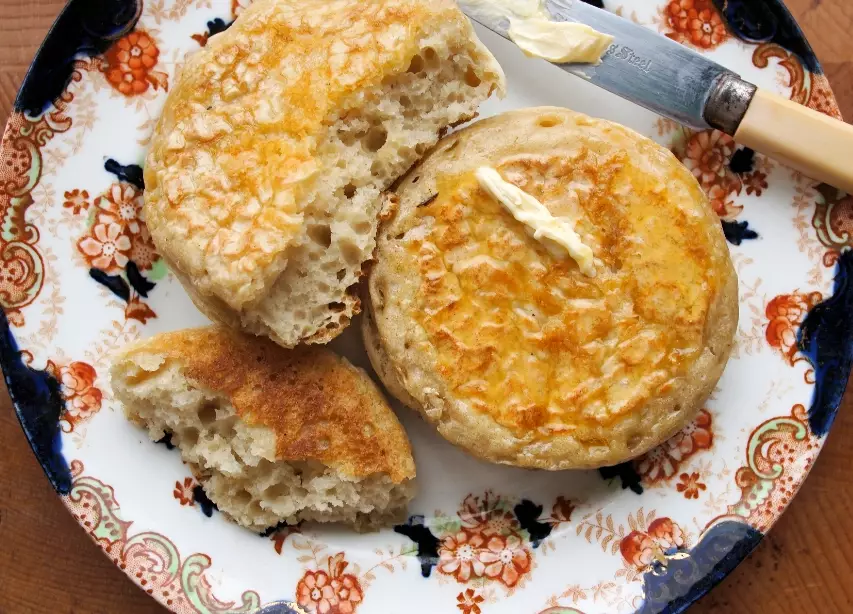
Your Crumpet Troubleshooting Cheat Sheet
| Problem | Likely Cause | Quick Fix |
|---|---|---|
| No holes / Very small holes | Batter too thick, heat too high, or insufficient rising time. | Thin batter with a splash of warm water. Cook on lower heat. Ensure full, bubbly fermentation. |
| Holes are only on the top, not through | Batter too thin, or you flipped too early. | Use a bit less liquid next time. Wait until the entire top surface is matte and set with holes before removing the ring. |
| Crumpet is raw/doughy in the middle | Too much batter in the ring, heat too high (outside burns, inside raw). | Fill rings only halfway. Maintain a steady, medium-low heat for longer cooking. |
| Sticking to the ring horribly | Insufficient greasing, or rings weren't hot when batter was added. | Grease rings thoroughly with oil or butter. Let them heat up on the griddle for a minute before adding batter. |
Serving, Storing, and Next-Level Ideas
Let them cool completely on a wire rack. I know it's tempting, but toasting is non-negotiable for the best texture. It re-crisps the exterior and warms the soft interior perfectly.
The classic is, of course, a generous amount of good salted butter. But don't stop there.
- Sweet: Honey and ricotta. Lemon curd and a dollop of clotted cream. Maple syrup and crispy bacon bits.
- Savory: Smoked salmon, cream cheese, and dill. Poached eggs and hollandaise for a crumpets benedict. Melted cheese and chutney.
To store, once cool, keep them in an airtight bag for 2-3 days. They freeze brilliantly. Just pop them straight from the freezer into the toaster.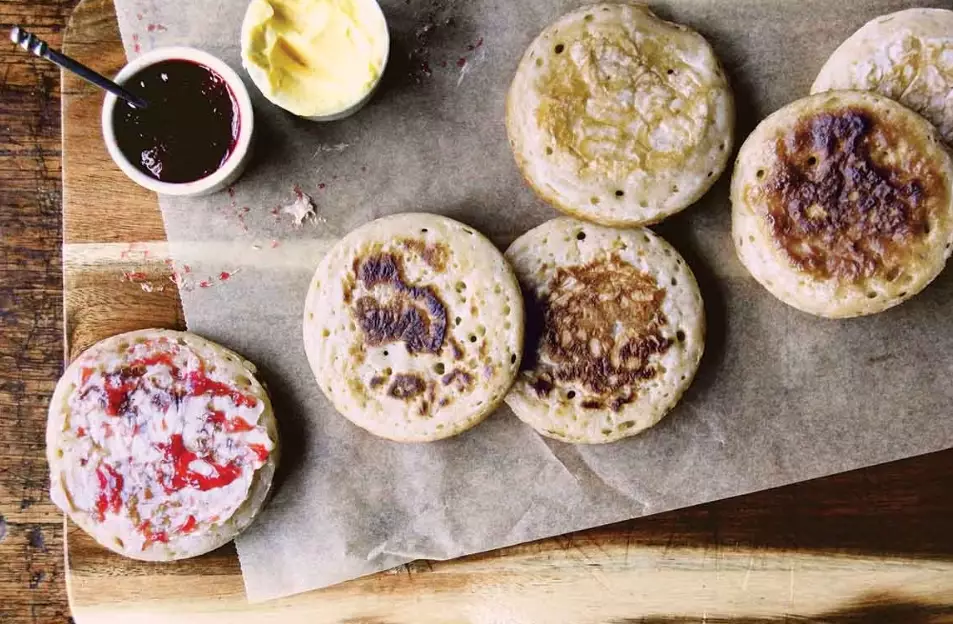
Common Questions Answered
Can I make crumpets without special rings?
You can try using well-greased metal cookie cutters or even the rings from wide-mouth mason jar lids. The key is they need to be metal and at least 1 inch (2.5 cm) tall. In a pinch, you can free-form them on the griddle, but they'll spread out more like a pancake and lose the classic tall shape and concentrated holes. The ring is what gives the batter nowhere to go but up, creating the right structure.
My batter didn't rise much. What went wrong?
Three likely culprits: old yeast (always proof it to check), liquid that was too hot (killing the yeast) or too cold (stalling it), or a drafty rising spot. Find a warm, cozy spot—an oven with just the light on, a turned-off microwave next to a cup of boiled water, or a sunny countertop. The warmth is crucial for activating the yeast.
Are crumpets vegan?
The traditional recipe uses milk, but they're easily made vegan. Simply swap the dairy milk for a plant-based alternative like soy or oat milk. Use all water if you prefer. The rest of the ingredients—flour, yeast, salt, sugar, baking soda—are plant-based. Just ensure your sugar is vegan-friendly (some refined sugars use bone char).
Why use baking soda AND yeast?
They're a team. The yeast does the heavy lifting during the long fermentation, creating flavor and lots of gas bubbles. The baking soda (an alkali) reacts with the acidic byproducts of that fermentation when added later, creating an instant extra burst of carbon dioxide. This second lift gives you that final, open, holey texture that's light as air. Think of yeast as your slow-rise foundation and baking soda as the finishing touch.
The journey to a perfect crumpet is part science, part patience. Your first batch might not be magazine-worthy, but they'll taste homemade and wonderful. By the second or third try, you'll have the rhythm down. You'll know the exact frothiness of the batter, the perfect hum of the griddle, and the precise moment to lift the ring.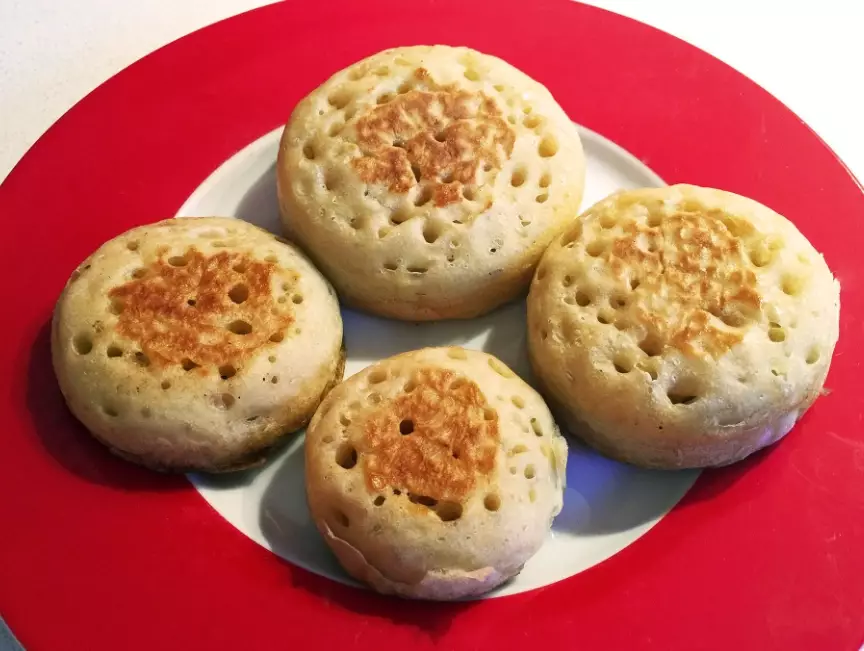
And then you'll have it: a stack of warm, holey, buttery crumpets, made by you. There's really nothing quite like it.