That red plastic tub in the back of your fridge? It's time to move it to the front. Gochujang, Korea's fermented chili paste, is more than just the soul of bibimbap. It's a flavor bomb waiting to transform your weeknight dinners from bland to brilliant. I've been cooking with this stuff for a decade, and I still get excited finding new ways to use it. Forget the one-note hot sauce. This is complex, funky, sweet, and spicy all at once.
The real magic happens when you stop thinking of it as just "Korean" and start seeing it as your go-to umami booster.
What's Cooking? Jump to Your Favorite Part
What Exactly Is Gochujang?
Let's clear something up first. Gochujang isn't just spicy. It's built on three pillars: gochugaru (Korean chili flakes), fermented soybean powder (mejugaru), and glutinous rice powder, all bound together with salt and sweeteners. The mixture then ferments for months, sometimes years. This process is what sets it apart.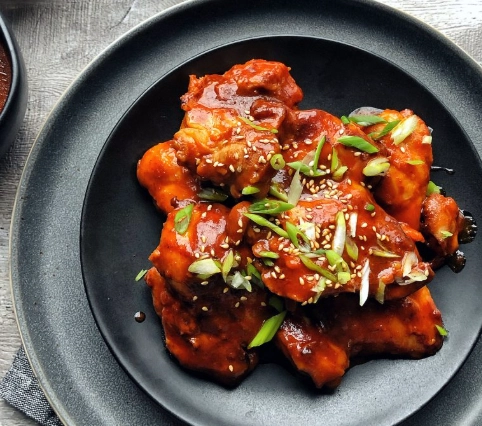
That fermentation creates a deep, savory flavor—umami—that you just don't get from mixing chili and sugar. The heat is a slow, building warmth, not a sharp punch. The texture is thick and paste-like, almost like soft clay.
When you see it at the store, you'll find a range. The mass-market ones in plastic tubs are fine for beginners. But if you see a version in an earthenware pot (called an onggi), grab it. The flavor difference is night and day—deeper, more complex, less artificially sweet. Sempio and Chung Jung One are widely available and reliable brands to start with.
3 Gochujang Recipes You Need to Try
Ready to cook? Start here. These recipes move from a classic Korean staple to modern twists that show off its versatility.
1. The Classic: Dolsot Bibimbap (Stone Bowl Mixed Rice)
This is where gochujang shines brightest. The key isn't just mixing rice with veggies and paste. It's about the crispy, toasted rice at the bottom of a hot stone bowl (dolsot). If you don't have one, a heavy cast-iron skillet works in a pinch.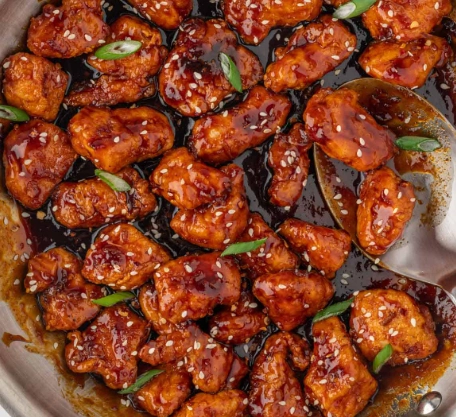
You'll need:
Cooked short-grain rice, spinach (blanched), bean sprouts, shredded carrots, shiitake mushrooms (sautéed), and thinly sliced beef (bulgogi-style, marinated in soy, sugar, and sesame oil). Fry an egg sunny-side up.
Assembly is everything. Heat your stone bowl or skillet with a good drizzle of sesame oil until smoking hot. Pack in the rice—it should sizzle. Arrange the veggies and beef neatly on top, crown it with the egg. Serve immediately with a generous dollop of gochujang sauce (see formula below) on the side. Mix it all together, scraping up the crunchy bits from the bottom. That contrast of textures is everything.
2. The Weeknight Hero: Gochujang Glazed Salmon
This is my 20-minute dinner savior. The paste's sugars caramelize under the broiler, creating a gorgeous, sticky glaze that locks in moisture.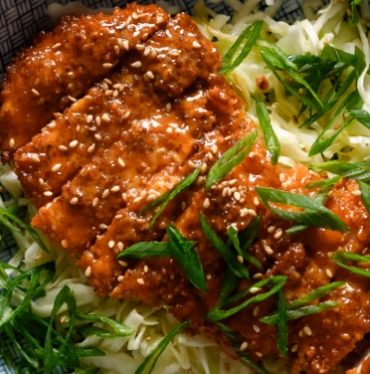
Why it works? The fat in the salmon stands up to the bold flavors perfectly. You can use the same glaze on chicken thighs or tofu.
3. The Game Changer: Gochujang Burger Sauce
This will ruin you for ordinary ketchup. It's stupidly simple and makes a burger feel special.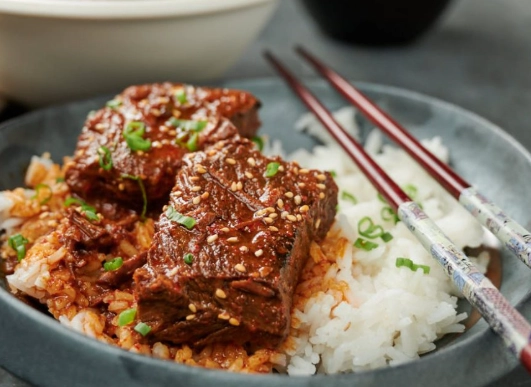
Mix 3 tablespoons of mayonnaise, 1.5 tablespoons of gochujang, 1 tablespoon of ketchup, and a squeeze of lime juice. That's it. Taste it. It's creamy, tangy, spicy, and sweet with that underlying fermented depth. Slather it on your burger bun, use it as a dip for fries, or thin it with a little buttermilk for a salad dressing. It bridges cuisines effortlessly.
The Master Gochujang Sauce Formula
Once you know this ratio, you can sauce anything. Memorize it: 1 part gochujang, 1 part sweetener, 1 part liquid, plus aromatics.
| Ingredient Role | Options & Purpose | Example for a Marinade |
|---|---|---|
| The Base (1 part) | Gochujang. Provides heat, umami, and body. | 3 tbsp Gochujang |
| The Sweetener (1 part) | Honey, maple syrup, brown sugar, grated apple. Balances heat and aids caramelization. | 3 tbsp Honey |
| The Liquid (1 part) | Soy sauce, rice vinegar, mirin, sesame oil, water. Thins the paste and adds salt/acidity. | 2 tbsp Soy Sauce + 1 tbsp Sesame Oil |
| Aromatics (To taste) | Minced garlic, grated ginger, chopped scallions. Adds fresh, pungent notes. | 2 cloves garlic, 1" ginger |
Whisk it together. Use it as a marinade for meats (30 mins to overnight), a stir-fry sauce added in the last minute, or a dipping sauce. Adjust the ratios. Want it tangier? Use more vinegar. Thicker for a glaze? Reduce the liquid.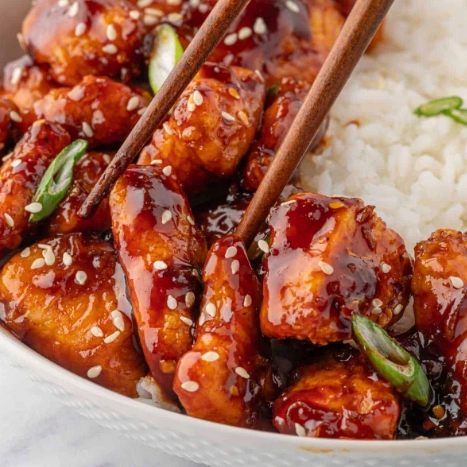
Buying and Storing It Right
You'll find gochujang in the refrigerated section of most Asian grocery stores, often near the tofu and kimchi. In well-stocked supermarkets, check the international aisle.
Once opened, always keep it refrigerated. That fermentation is still active. I've made the mistake of leaving it in the pantry—it develops a boozy, off smell. The paste lasts for ages, easily over a year, due to its high salt and sugar content. Just use a clean spoon to scoop it out to prevent mold.
If the surface darkens or some liquid pools on top, don't panic. That's normal. Just stir it back in.
Your Gochujang Questions, Answered
So, grab that tub. Start with the burger sauce—it's a five-minute win. Then try the salmon. Before you know it, you'll be sneaking a spoonful into your soup, your scrambled eggs, your life. It's that kind of ingredient.
It's not just about following a recipe. It's about understanding a flavor. Once you get that, you're not just cooking Korean food. You're cooking better food, period.