Your Quick Navigation
- The Big Three: Filipino Beef Recipes You Absolutely Need to Know
- Choosing Your Beef: A Quick Guide to Cuts
- Step-by-Step: Making Classic Beef Kaldereta
- Common Questions (And Real Answers) About Filipino Beef Recipes
- Beyond the Stew Pot: Other Must-Try Filipino Beef Dishes
- Final Thoughts Before You Head to the Kitchen
Let's be honest. You can find a million recipes online for Filipino food. But how many of them actually get it right? I've tried so many that promise "authentic" flavors and end up tasting... well, not like Lola used to make. It's frustrating.
That's why I spent way too much time in my kitchen, talking to titas and lolas, and even annoying my Filipino friends with constant questions, just to nail these dishes. We're not just throwing ingredients together here. We're talking about the soul-warming, rice-demanding, utterly delicious world of Filipino beef recipes.
And it's more than just following steps. It's about knowing why you sear the meat first, when to add the patis, and how to balance that rich tomato sauce with just a hint of sweetness. Miss one little thing, and the whole flavor profile shifts. I learned that the hard way with a sadly bland pot of kaldereta a few years back.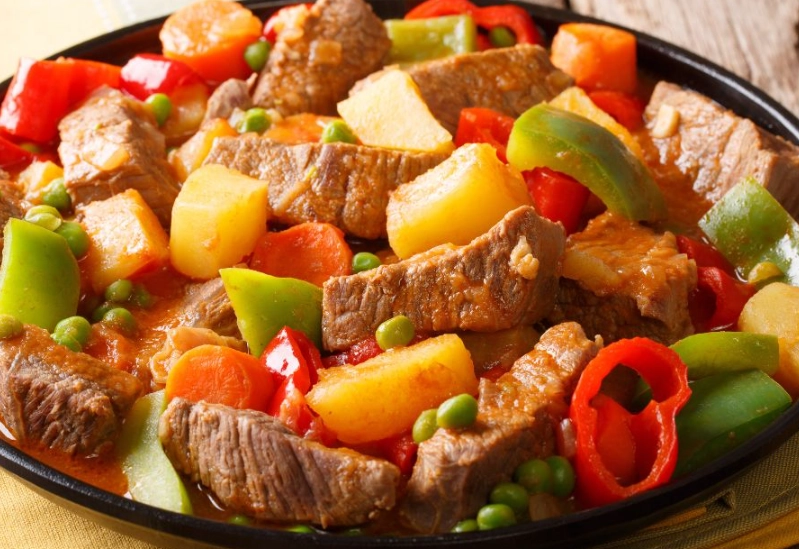
So, whether you're a homesick kababayan, a curious home cook, or someone who just had an amazing Filipino meal and wants to recreate it, this is for you. We're diving deep into the classics, the tips no one tells you, and answering all those little questions that pop up when you're elbow-deep in sautéing garlic and onions.
The Big Three: Filipino Beef Recipes You Absolutely Need to Know
If you're exploring Filipino beef recipes, these three dishes are the pillars. They show up at every family gathering, fiesta, and special occasion. Each has its own personality, but they all share that deep, comforting, savory character Filipino food is famous for.
Beef Kaldereta: The Festive King
Kaldereta is the star of the party. It's rich, slightly spicy, and packed with flavor from liver spread (trust me on this) and a melange of vegetables. The name comes from the Spanish "caldereta," meaning stew pot, and it's a perfect example of the Spanish influence on Filipino cuisine.
The key to a great kaldereta is building layers of flavor. You start by browning the beef well—don't rush this step. That fond at the bottom of the pot is pure gold. Then come the aromatics: lots of garlic, onions, and tomatoes. The tomato sauce and liver spread create a thick, luxurious gravy. Some people use peanut butter as a thickener, which adds a nice depth, but I find the classic liver spread version more authentic.
Common veggies are potatoes, carrots, and bell peppers. Some add olives or green peas. The chili gives it a gentle heat. Serve this with mounds of steamed rice, and you've got a celebration on a plate. When people search for beef recipes Philippines, this is often the first one they want to master.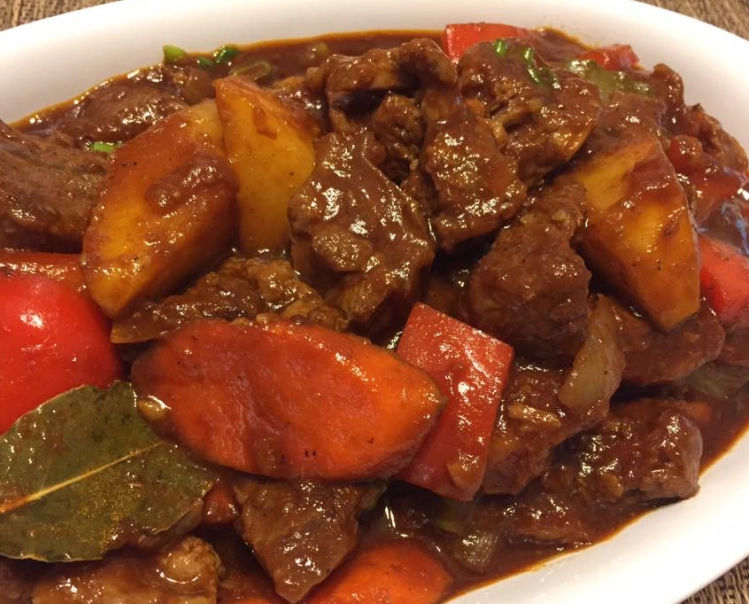
Beef Mechado: The Tomato-Based Comfort
Mechado is the ultimate comfort food. It's less complicated than kaldereta but no less delicious. The name comes from the Spanish "mecha" (wick), referring to the strip of pork fat traditionally inserted into the beef to keep it moist. Nowadays, we usually just use beef chunks with some marbling.
The base is a savory, slightly tangy tomato sauce. Soy sauce and calamansi (or lemon) provide that signature Filipino salty-sour punch. It simmers for hours until the beef is fork-tender and the sauce has reduced to a glossy, deep red coating.
What I love about mechado is its simplicity. The flavor comes from patience, not a long list of ingredients. The beef, tomatoes, soy sauce, and bay leaves work their magic slowly. It's the kind of dish that makes your whole house smell amazing.
I remember my aunt telling me the real test is if the sauce is good enough to pour over your rice on its own. If you find yourself doing that, you've succeeded.
Bulalo: The Soul-Warming Bone Marrow Soup
Now for something completely different. Bulalo isn't a thick stew; it's a clear, savory soup. But don't let "soup" fool you—it's a meal in a bowl. The star is the beef shank with the bone marrow still inside.
You boil the beef shanks for hours, skimming the scum diligently, until the broth is crystal clear but intensely flavorful. Then you add corn on the cob, cabbage, potatoes, and sometimes green beans. The magic happens at the end when you scoop out that glorious, buttery bone marrow and mix it into your rice or sip it with the broth.
It's perfect for rainy days, when you're feeling under the weather, or just when you need something profoundly comforting. The Philippine Department of Tourism often highlights Bulalo as a must-try culinary experience, especially in the Tagaytay region where it's a specialty.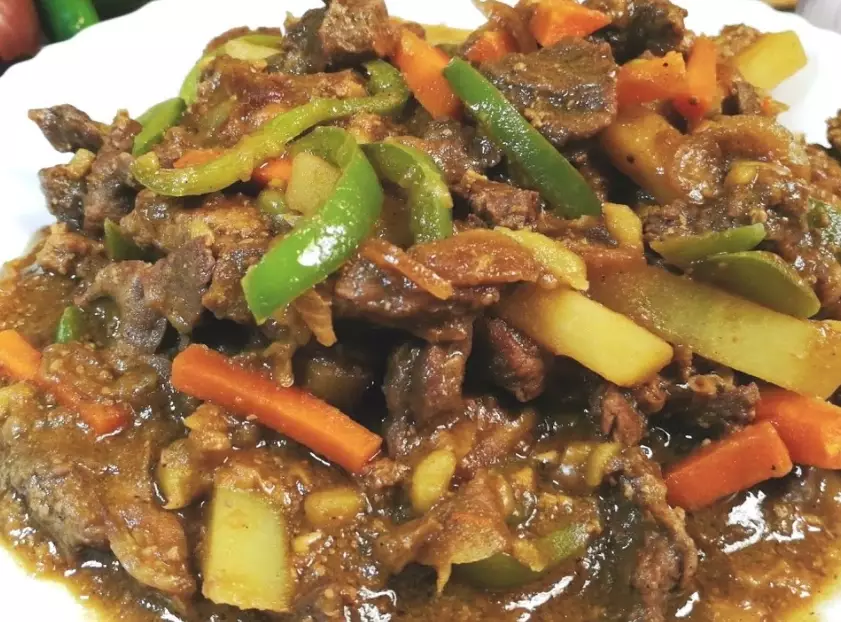
Choosing Your Beef: A Quick Guide to Cuts
This is where many recipes online just say "beef chunks" and leave you hanging. The cut matters. A lot. Using the wrong one can lead to tough, chewy meat no matter how long you cook it.
For stews like kaldereta and mechado, you need a cut with connective tissue that breaks down during long, slow cooking, making the meat tender and enriching the sauce.
| Beef Cut | Best For | Why It Works | My Personal Take |
|---|---|---|---|
| Beef Chuck | Kaldereta, Mechado, Nilaga | Perfect fat marbling and collagen. Becomes incredibly tender when braised. | My absolute go-to. Reliable, flavorful, and easy to find. |
| Beef Shank (with bone) | Bulalo, Nilaga | The bone and marrow give unmatched depth and richness to broths. | Essential for authentic bulalo. The marrow is non-negotiable. |
| Beef Brisket | Slow-cooked stews | Very flavorful and fatty, melts in your mouth after hours of cooking. | Can be a bit too fatty for some. I use it sometimes for a richer kaldereta. |
| Beef Round | Stir-fries (Bistek), quicker cooks | Leaner, good for dishes with shorter cooking times. | I avoid this for stews. It can get dry and tough if braised too long. |
See the difference? A simple tip: ask your butcher for "stewing beef" or specifically for chuck. It makes all the difference in your Filipino beef recipes. The Philippine Department of Agriculture's resources on local meat cuts can be helpful if you're sourcing beef within the Philippines, as naming conventions can vary.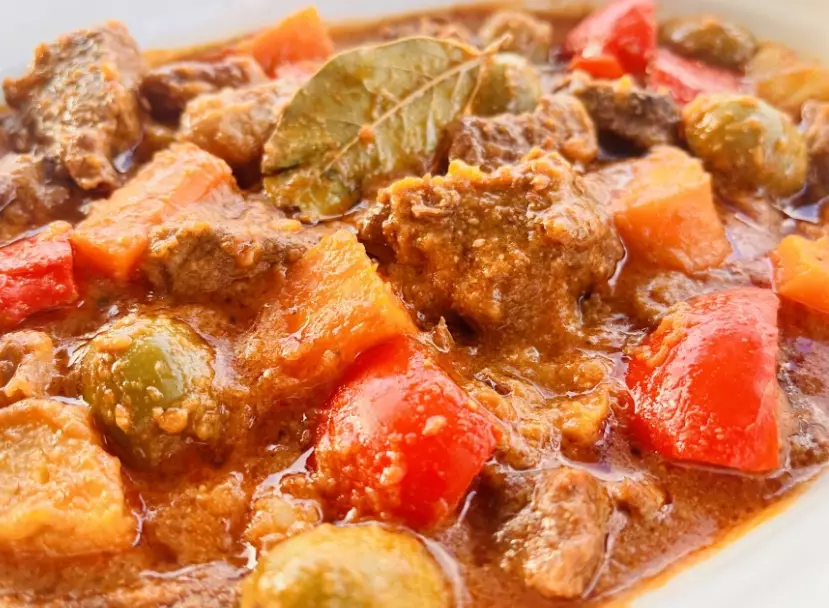
Step-by-Step: Making Classic Beef Kaldereta
Let's get practical. Here's how I make my kaldereta, with all the little stops and starts that make it real.
This is where the flavor base builds.
Check occasionally and add a little hot water if it's reducing too much.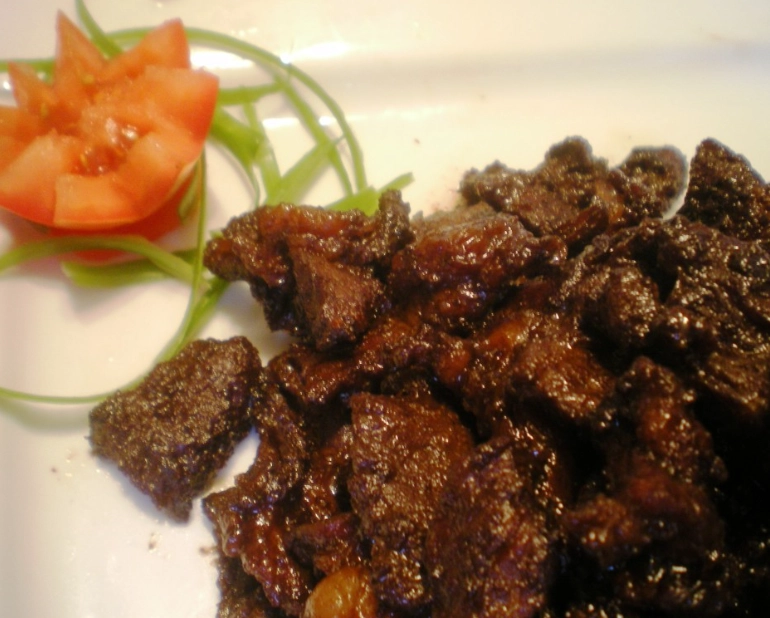
Let it sit for 10 minutes off the heat before serving. The flavors settle and marry.
Common Questions (And Real Answers) About Filipino Beef Recipes
Can I use a pressure cooker or Instant Pot?
Absolutely. It cuts the cooking time drastically. For kaldereta or mechado, use the sauté function to brown the meat and cook the aromatics. Then add the liquids, lock the lid, and cook on high pressure for about 35-40 minutes for chuck. Do a natural release for 10 minutes. Then open it, switch back to sauté, and add the liver spread and vegetables to finish. The one downside? You don't get the same reduction and concentration of flavor as a long, slow simmer. The sauce might be a bit thinner.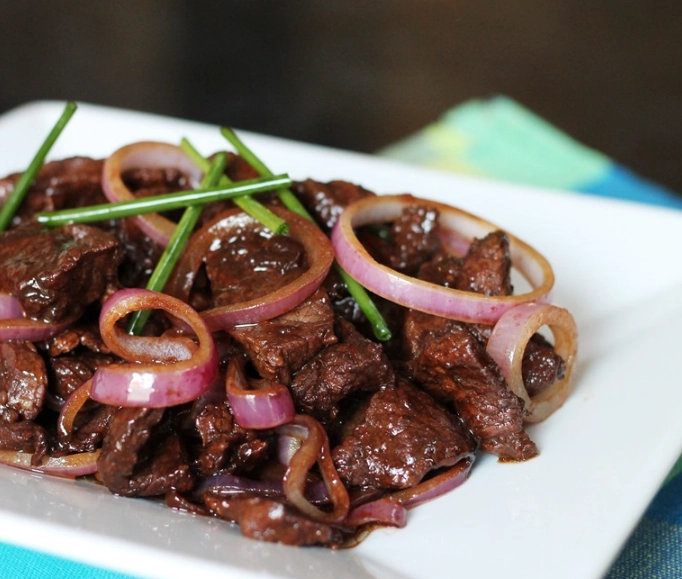
What's a good substitute for liver spread?
This is the most common question. The liver flavor is distinctive. If you really can't find it or dislike it, you can try a tablespoon of smooth peanut butter mixed with a teaspoon of soy sauce. It will give body and umami, but the taste will be different—more like a peanut-based kare-kare stew. Another option is to puree a small can of cooked lentils into the sauce for thickness. But honestly, try to find the liver spread. Start with a smaller amount if you're wary.
Why is my stew sour/bitter?
Two likely culprits. First, you might have burned the garlic. Garlic burns in seconds. Always sauté it on medium heat until just fragrant, not brown. Second, the tomato sauce might have scorched at the bottom before you added the liquid. Make sure to deglaze the pot well after adding the tomato sauce, scraping up all the browned bits.
Can I make these dishes ahead of time?
They taste even better the next day! The flavors have time to deepen and meld. Just cool the stew completely and store it in the fridge. Reheat gently on the stove, adding a splash of water if the sauce has thickened too much. Most Filipino beef recipes are fantastic for meal prep.
Beyond the Stew Pot: Other Must-Try Filipino Beef Dishes
While the stews are iconic, the repertoire of Filipino beef recipes is wonderfully diverse.
Beef Tapa: Thinly sliced beef marinated in a mix of garlic, soy sauce, calamansi, and sugar, then dried slightly and pan-fried until caramelized. It's a classic breakfast item with garlic rice and a fried egg (the famous "Tapsilog"). The key is slicing the beef against the grain for tenderness.
Beef Bistek (Filipino Beef Steak): Similar to tapa but with a saucier finish. The beef is marinated, quickly pan-fried, and then a sauce of onions, soy sauce, and calamansi is made in the same pan and poured over the top. It's tangy, savory, and so easy for a weeknight.
Beef Kare-Kare: A rich, thick stew with a sauce based on ground peanuts and toasted rice, flavored with annatto for its signature orange color. It's served with a side of bagoong (fermented shrimp paste). It uses oxtail and tripe along with beef, and it has a unique, nutty, complex flavor that's an acquired taste for some, but a beloved classic for many.
Each of these dishes offers a different window into Filipino culinary traditions, from Spanish-influenced braises to indigenous souring techniques and unique uses of local ingredients.
Final Thoughts Before You Head to the Kitchen
Don't get overwhelmed. Start with one dish—maybe mechado, as it's the most straightforward. Get the sear right, be patient with the simmer, and taste as you go. Filipino cooking isn't about precision; it's about adjustment. Too sour? A pinch of sugar. Too bland? More patis or salt. Too thick? A splash of water.
The best Filipino beef recipes aren't just about feeding people. They're about creating that feeling of warmth, community, and shared history around the dining table. It's messy, it's flavorful, and it's meant to be enjoyed with lots of rice and even more laughter.
So grab your pot, pick a recipe, and give it a try. You might not get it perfect the first time (I certainly didn't), but that's part of the fun. And when you finally nail that perfect balance of savory, tangy, and rich, you'll understand why these dishes are so cherished.
Happy cooking!