What to Expect
Let's be honest for a second. The first time I tried to cook octopus, it was a disaster. I ended up with something that could have doubled as a bouncy ball. Chewy, rubbery, and frankly, a bit sad. It put me off for ages. But then I learned the tricks—the real ones, not just the old wives' tales about cork or beating it with a rolling pin. And now? Now I can confidently say I've cracked the code for a truly tender octopus recipe.
This isn't just about following steps. It's about understanding why those steps work. Whether you're eyeing a smoky grilled octopus recipe or a rich, slow-braised dish, the journey starts long before the pan gets hot. It starts at the store, with the right choice, and continues with a bit of patience and know-how.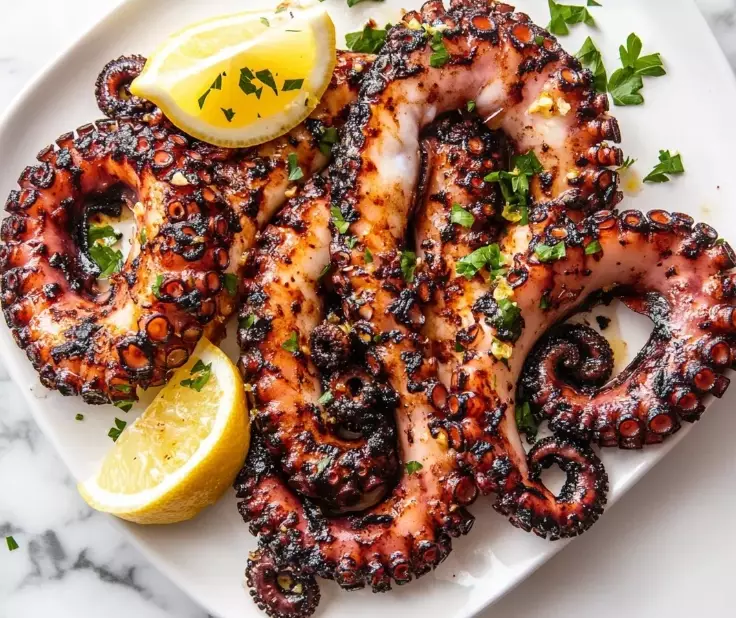
The goal is simple: tender, succulent meat that melts, not fights.
Before You Cook: The Foundation of a Great Octopus Recipe
You can't build a great house on a shaky foundation, and the same goes for your octopus dish. The initial steps are non-negotiable if you want to avoid that dreaded rubbery texture.
Buying Your Octopus: Fresh vs. Frozen
This is the first crossroads. Many home cooks instinctively reach for fresh, thinking it's superior. I used to. But here's a little secret most seafood counters won't tell you: high-quality frozen octopus is often the better choice for a home cook. Why? The freezing process actually starts the tenderizing process by breaking down some of the tough muscle fibers. Most octopus is frozen at sea immediately after catch anyway, so "fresh" often means thawed. If you do buy fresh, look for clear, shiny eyes (if the head is attached), a pleasant sea smell (not fishy or ammoniac), and firm, springy flesh.
| Type | Pros | Cons | Best For |
|---|---|---|---|
| Frozen Octopus | Often pre-cleaned; freezing aids tenderization; readily available year-round; more consistent quality. | Can have a slight loss of texture if poorly thawed; you must trust the supplier. | Most home cooks, especially for braises and stews. The most reliable starting point for a foolproof octopus recipe. |
| Fresh (Thawed) Octopus | You can inspect it visually; preferred by some traditionalists for grilling. | Can be more expensive; quality varies greatly; may still be tough if not previously frozen. | Experienced cooks who know their fishmonger and plan to grill or serve simply. |
For sustainability info, it's worth checking resources like the NOAA FishWatch to make informed choices about species and origins.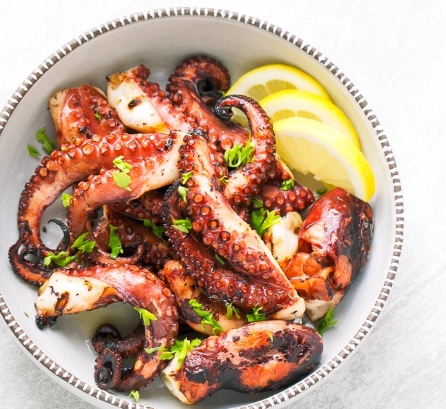
The Great Thaw (If Using Frozen)
Never, ever thaw octopus in warm water or the microwave. You'll ruin the texture before you even start cooking. The only acceptable method is a slow thaw in the refrigerator, ideally overnight. Place it in a bowl or on a plate to catch any drips. If you're in a pinch, you can submerge the sealed bag in cold water, changing the water every 30 minutes, but the fridge method is king.
Cleaning and Prepping: It's Easier Than You Think
If you bought it cleaned, you can skip most of this. But if you have a whole one, don't panic. Turn the head inside out (like a sock) and pull out the innards. Remove the beak, which is a dark, hard, parrot-like structure in the center where the tentacles meet. Just squeeze the base of the tentacles and it should pop out. Rinse everything thoroughly under cold water, inside and out. Some people remove the thin outer skin for aesthetics, but it's not necessary for tenderness and adds flavor. I usually leave it on.
The Heart of the Matter: How to Actually Cook Octopus Tender
Here's where the magic (or tragedy) happens. There are several paths to tenderness, each with its own merits. The core principle is low and slow heat or high pressure to break down the collagen into gelatin. Forget boiling it rapidly for 20 minutes—that's the express lane to chew town.
Which method is right for you? It depends on your time, tools, and final dish vision.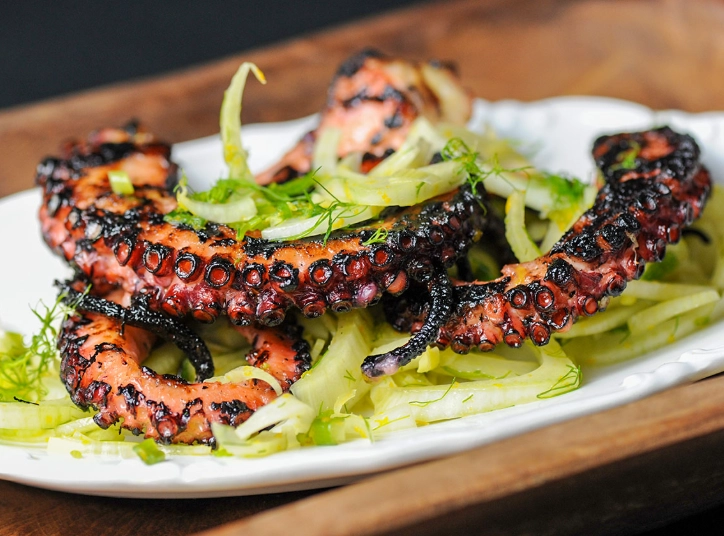
Method 1: The Simmer (The Classic, Reliable Workhorse)
This is the most traditional method and my go-to for guaranteed results. You gently poach the octopus in flavorful liquid until it yields to a knife. No boiling.
The test? Pierce the thickest part of a tentacle, near the head, with a sharp knife or a skewer. It should slide in with little to no resistance. If it fights back, give it another 15 minutes and check again. Once tender, you can let it cool in its cooking liquid for extra flavor. This method is perfect for an octopus recipe that will later be grilled, seared, or added to a salad.
Method 2: The Pressure Cooker (The Time-Saving Game Changer)
If you own an Instant Pot or a stovetop pressure cooker, this is a revelation. It cuts the cooking time by two-thirds or more. The high-pressure environment breaks down the connective tissue incredibly efficiently.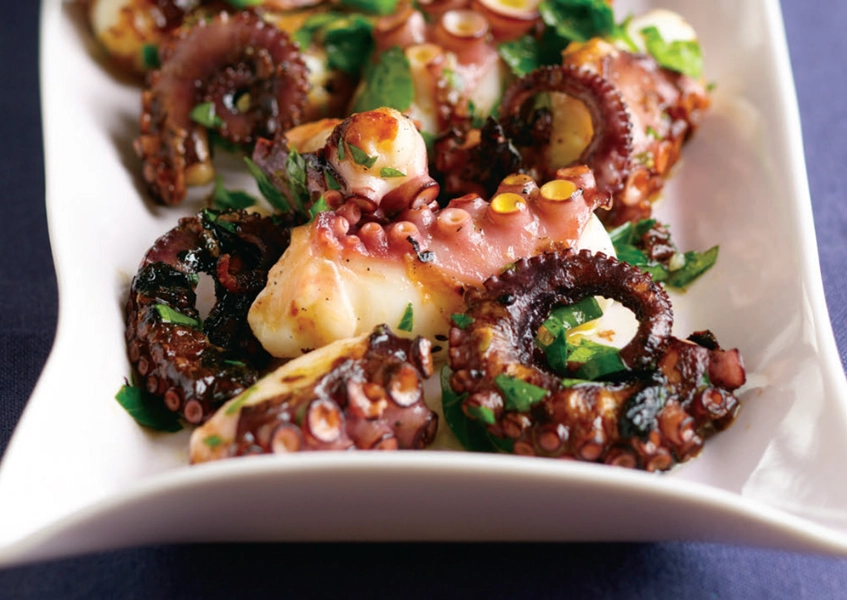
For a medium (2-3 lb) octopus: Place it in the pot with a cup of water or wine and your aromatics. Cook on high pressure for 15-20 minutes, then let the pressure release naturally for about 10-15 minutes before doing a quick release. Check for tenderness. The texture is slightly different from simmering—equally tender, but sometimes a bit more uniform. I find it excellent for dishes where the octopus will be shredded or chopped, like in a pasta or a stew.
Method 3: The Slow Braise (For Deep, Rich Flavor)
This isn't just cooking in water; it's cooking in a flavorful bath that the octopus absorbs. Think red wine, tomatoes, herbs. You combine the tenderizing step with the saucing step. It's a one-pot wonder for a hearty octopus recipe.
Brown the octopus briefly in a Dutch oven (if you like, this step is optional), then add your braising liquid—wine, stock, canned tomatoes—until it's about halfway submerged. Add herbs (rosemary, thyme), garlic, and maybe some olives. Cover and cook in a low oven (300°F / 150°C) for 1.5 to 2.5 hours, until tender. The liquid reduces into a glorious sauce. This method is foolproof for flavor, but you have less control over the final texture for other applications, as it becomes very infused with the braising flavors.
Method 4: The "No-Water" Method (A Controversial Gem)
Some chefs swear by cooking octopus in its own juices. You put it in a dry pot over low heat, cover it, and let it steam/braise in the liquid it releases. It can produce an intensely flavorful result, but it requires more attention to prevent scorching on the bottom. I've had mixed results—incredible when it works, a sticky mess when it doesn't. I'd recommend trying the other methods first before experimenting with this one.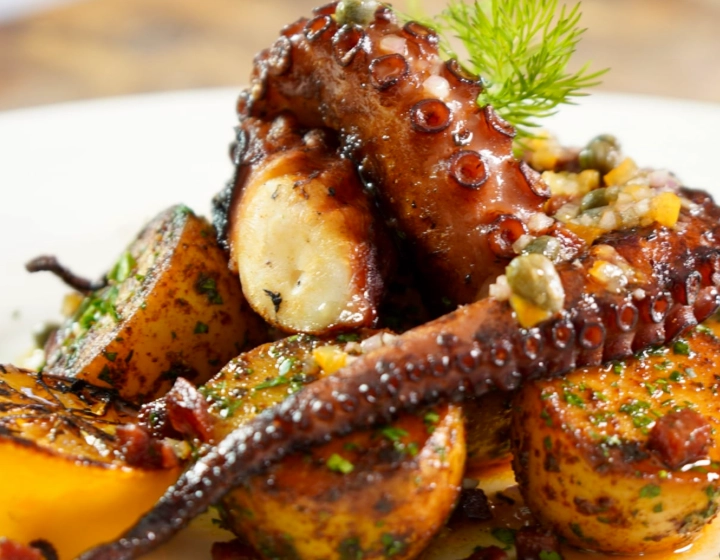
Turning Tender Octopus into a Star Dish: Two Can't-Miss Recipes
Okay, so you have a pot of perfectly tender octopus. Now what? Here are two classic preparations that showcase it beautifully. These are the octopus recipes you'll come back to again and again.
Showstopper Grilled Octopus Recipe
This is the crowd-pleaser, the one that looks impressive and tastes even better. The key is starting with simmered or pressure-cooked octopus. You're just using the grill to add char and flavor, not to cook it through.
What you'll need: Your cooked and cooled octopus (pat it VERY dry), good olive oil, smoked paprika, lemon, fresh oregano, salt.
First, separate the tentacles. If the head is large, you can slice it into pieces. Toss the pieces in a bowl with a generous glug of olive oil, a teaspoon of smoked paprika, and a pinch of salt. Don't be shy with the oil—it prevents sticking and helps the char.
Get your grill (or a grill pan) screaming hot. Grill the octopus for just 1-2 minutes per side, until you get beautiful, dark grill marks. You're not cooking it, just caramelizing the exterior. The high heat will make the suckers crisp up delightfully.
Serve immediately with a squeeze of fresh lemon, a drizzle of your best olive oil, and a sprinkle of chopped fresh oregano. That's it. Simple, stunning, and the ultimate test of your tenderizing work.
Comforting Red Wine Braised Octopus Recipe
This is a fork-tender, deeply savory dish perfect for a chilly evening. It's a complete meal in one pot.
What you'll need: 1 large pre-cooked octopus (or start raw with the braise method), 1 bottle dry red wine (like a Rioja or Chianti), 1 onion (chopped), 3 carrots (chopped), 4 garlic cloves (smashed), 1 can (14 oz) crushed tomatoes, 2 bay leaves, a few sprigs of thyme, 1 cup chicken or fish stock, olives (optional).
If starting with raw octopus, follow the braise method above. If using pre-cooked tender octopus, simply add it to the pot after you've sautéed the onion and carrot and added the wine, tomatoes, and stock. Let everything simmer together for 30-45 minutes just to meld the flavors and ensure the octopus is heated through and has absorbed the sauce.
The sauce should reduce to a rich, glossy consistency. Serve it in shallow bowls with lots of crusty bread for dipping, or over a bed of creamy polenta or mashed potatoes. The octopus will be so tender you can cut it with a spoon.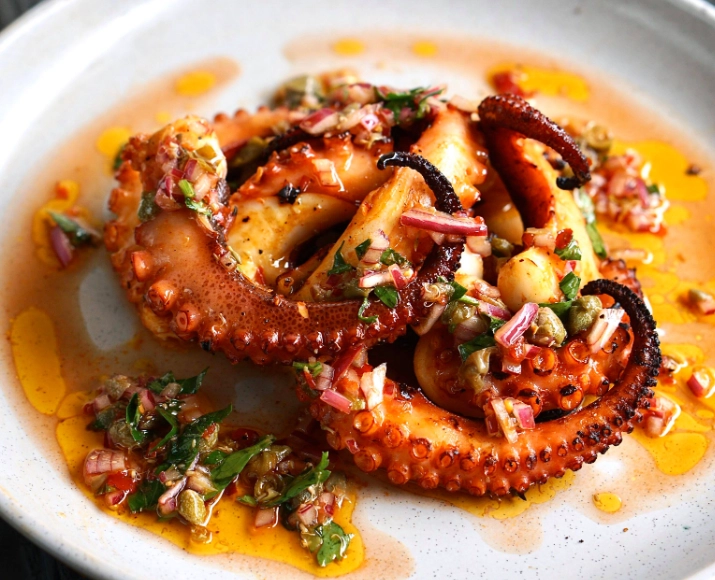
Your Octopus Recipe Questions, Answered
For absolute safety on cooking temperatures, especially if you're serving vulnerable groups, the FDA's safe food handling guidelines are a good reference, though octopus is typically cooked well beyond any pathogen survival point in these methods.
Final Thoughts: Embrace the Adventure
Cooking octopus used to feel intimidating. Now, I find it deeply satisfying. There's a rhythm to it—the slow simmer, the testing, the final transformation from tough to tender. It teaches patience.
Don't be afraid to mess up. My first grilled octopus recipe was under-seasoned and a bit too chewy. But you learn. You adjust. You remember to pat it drier, salt it more boldly, let it simmer for ten more minutes.
Start with a frozen octopus and the simmer method. Master that. Then try grilling it. Then maybe the red wine braise. Each success builds confidence. Before you know it, you'll have your own little bag of tricks, your own preferred octopus recipe that you can tweak and call your own.
The real secret ingredient isn't in the pot. It's just giving it a try.
So go on, pick up an octopus this weekend. Take your time. Follow these steps. And get ready for one of the most rewarding seafood experiences you can have at home. You've got this.