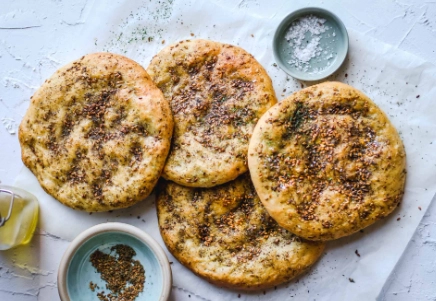
You've probably seen za'atar on menus or in specialty stores. That greenish-brown sprinkle that turns flatbread, hummus, and roasted vegetables into something magical. But the jarred stuff? It often tastes like dust compared to the real deal. Making your own za'atar spice blend isn't just easy—it's a game-changer. The aroma alone, toasting those sesame seeds and crushing the herbs, is worth the five minutes of effort.
I learned this the hard way. My first attempt at a za'atar recipe was a bland disappointment because I used the wrong thyme. Let's skip those mistakes and get right to the vibrant, tangy, and deeply aromatic blend that's a staple from Beirut to Jerusalem.
What's Inside?
What Exactly Is Za'atar? It's More Than a Spice
Za'atar (also spelled zaatar or za'tar) is tricky to pin down. It's the name of a wild herb similar to oregano or marjorama that grows in the Levant. It's also the name of the iconic spice mix made with that herb's dried leaves. Since the wild herb is hard to find outside the region, the mix we make at home is a brilliant workaround.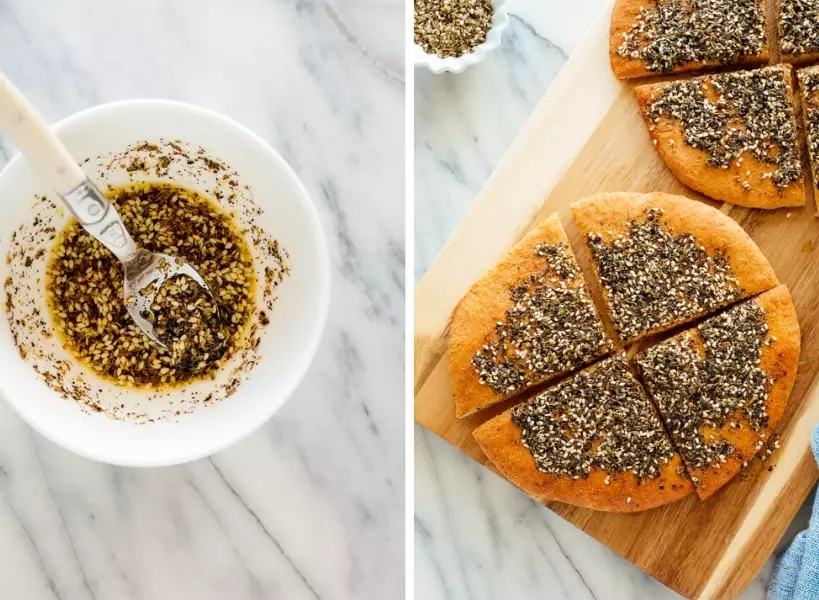
At its core, a classic za'atar recipe is a trio: dried herbs (thyme, oregano, marjoram), tangy sumac, and nutty sesame seeds. Olive oil and salt are added later when you're ready to use it. The balance is everything—too much sumac and it's sour, too much sesame and it's bland, stale herbs and it tastes like nothing.
Its history is as rich as its flavor, woven into daily life across the Middle East for centuries. It's everyday comfort food.
The 3 Biggest Mistakes People Make With Za'atar Recipes
Most online recipes get you 80% there. That last 20% is what separates good from unforgettable. After making countless batches, here's what most guides miss.
1. Using Standard Dried Thyme From the Supermarket
This is the cardinal sin. The tiny leaves in most dried thyme jars are often from English or French thyme varieties. They're fine for stews, but for za'atar, they lack the robust, almost minty-oregano punch you need. You want Middle Eastern thyme, sometimes sold as "za'atar herb" or "Arabic thyme." If you can't find it, a mix of dried oregano and marjoram is a far better substitute than regular thyme.
2. Skipping the Toasting Step (or Burning the Sesame Seeds)
Raw sesame seeds are… fine. Toasted sesame seeds are transformative, adding a deep, warm nuttiness. But they go from golden to burnt in seconds. The trick? Toast them in a dry pan over medium-low heat, shaking constantly, until they are just fragrant and take on a very light gold color. They'll continue to darken off the heat. Take them out early.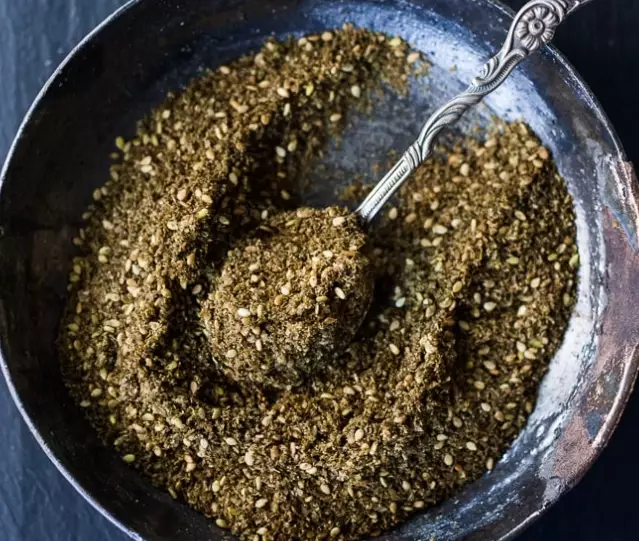
3. Grinding the Herbs Into a Powder
You're making a blend, not a powder. The texture is part of the experience—little flecks of herb, crunchy seeds, gritty sumac. If you blitz it all in a spice grinder, you'll release volatile oils too quickly and end up with a muddy-tasting dust. Crush the dried herbs lightly with your fingers to break them up, don't pulverize them.
Pro Tip from the Middle Eastern Grocer: I once asked a shop owner in Haifa why his za'atar was so much better. He smiled and said, "We dry our herbs in the shade, not the sun. Sun kills the soul of the herb." Look for herbs that are still vibrant green, not brownish-gray.
The Authentic Za'atar Recipe: Ingredients & Ratios
This is my base formula, tweaked over years. It's balanced—herbal, tangy, nutty, and savory. Think of it as a template. Love more tang? Add a bit more sumac. Prefer it seed-heavy? Go for it.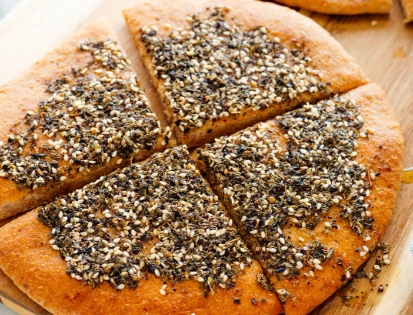
| Ingredient | Quantity | Notes & Why It Matters |
|---|---|---|
| Dried Thyme (Middle Eastern preferred) | 1/2 cup | The backbone. Provides the defining earthy, camphorous note. If using standard thyme, reduce by 1 tbsp. |
| Dried Oregano | 1/4 cup | Adds depth and a slightly peppery kick. Turkish oregano is ideal. |
| Sumac | 3 tablespoons | The signature tang. Don't skimp. Ensure it's vibrant burgundy, not dull brown. |
| Toasted Sesame Seeds | 3 tablespoons | For richness and crunch. White or golden hulled seeds work best. |
| Dried Marjoram (optional) | 1 tablespoon | Adds a sweet, floral layer. Highly recommended if you have it. |
| Sea Salt (fine) | 1 teaspoon | Adds only if planning to use the dry mix directly. Often omitted from the base blend for flexibility. |
You'll notice I haven't included salt in the main blend below. I prefer to add it later when I'm mixing za'atar with oil or yogurt, so I can control the seasoning based on the dish.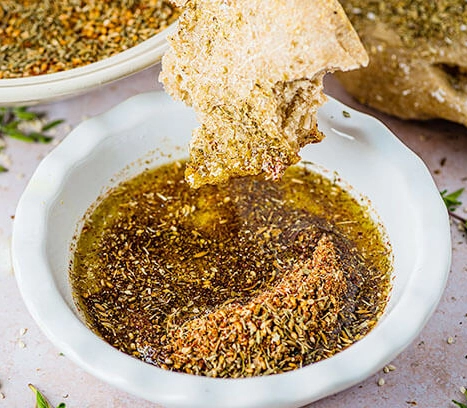
How to Make Za'atar: A Foolproof Step-by-Step
This takes less than 10 minutes. Seriously.
Step 1: Toast the Sesame Seeds. Heat a small, dry skillet over medium-low heat. Add the sesame seeds. Shake or stir them constantly for 2-3 minutes. You'll hear a faint popping sound and smell a wonderful nutty aroma. The moment they turn a very pale gold, dump them onto a cool plate to stop the cooking. Let them cool completely.
Step 2: Prepare the Herbs. In a medium bowl, add your dried thyme, oregano, and marjoram (if using). Use your clean fingers to gently crumble the herbs. You're just breaking up any large clumps, not grinding them. This releases their scent.
Step 3: Combine. Add the completely cooled toasted sesame seeds and the sumac to the bowl with the herbs.
Step 4: Mix & Store. Use a fork or your fingers to mix everything evenly. That's it. Transfer your homemade za'atar blend to a clean, airtight glass jar.
The color should be a beautiful mix of green, red, and beige. Store it away from heat and light.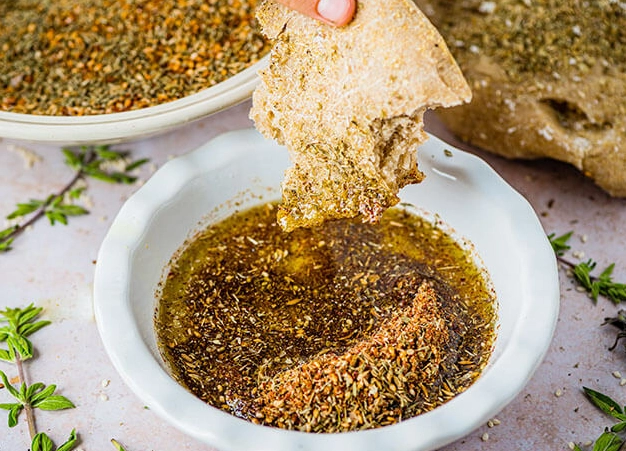
How to Use Za'atar (Way Beyond Bread & Oil)
Mixing za'atar with olive oil into a paste and slathering it on flatbread (mana'eesh) is the classic move. But that's just the start.
Here’s how I use it weekly:
- The Classic Dip: Mix 3 tablespoons of za'atar with 1/4 cup of extra virgin olive oil and a pinch of salt. Spread on warm pita, naan, or even crusty bread.
- Ultimate Roasted Vegetables: Toss cauliflower, potatoes, or carrots with olive oil, then a heavy sprinkle of the dry za'atar blend before roasting. The herbs get crispy, the sumac caramelizes slightly.
- Popcorn & Nuts: Drizzle warm popcorn or mixed nuts with a little melted butter or oil, then toss with a teaspoon of za'atar. Addictive.
- Eggs, Any Style: A pinch over fried eggs, scrambled eggs, or folded into an omelette is a breakfast revelation.
- Yogurt Sauce: Stir 2 tablespoons into a cup of Greek yogurt with a squeeze of lemon. Perfect for grilled meats, falafel, or as a veggie dip.
- Salad Booster: Sprinkle it directly over fattoush, cucumber-tomato salad, or even a simple green salad in place of dried herbs.
- Under the Chicken Skin: Mix za'atar with a little oil and salt, gently loosen the skin of a whole chicken, and rub the mixture underneath. Roast as usual. The flavor penetrates the meat perfectly.
It's a flavor bridge—it works with almost anything that benefits from a herbal, tangy, savory lift.
Storing Your Homemade Za'atar Blend
This isn't a shelf-stable-for-years kind of mix. The herbs and sumac are best when fresh.
Keep it in a tightly sealed jar in a pantry or cupboard, away from the stove or any heat source. Direct light will fade the color and flavor quickly. Properly stored, it will be at its peak for about 3 to 4 months. You'll know it's past its prime when the aroma is faint and musty instead of bright and inviting.
I make smaller batches more often. It's so quick, there's no reason to keep a giant jar for a year.