In This Guide
So you want to cook Peruvian food? Good choice. It's one of those cuisines that looks intimidating from the outside—all those strange potato varieties, mysterious yellow pastes, and raw fish dishes. But once you get into it, you find a world of flavor that's surprisingly approachable. I remember my first attempt at a Peruvian food recipe was a disaster. I tried to make Aji de Gallina without aji amarillo paste. Big mistake. It tasted like bland chicken in cream sauce. Not the vibrant, slightly spicy, deeply comforting dish I had in Lima.
Let's not do that. Let's get it right from the start.
This isn't just a list of instructions. Think of it as a friend talking you through the pantry, the techniques, and the little secrets that make these Peruvian food recipes sing. We'll cover the classics you've heard of—the ceviches, the saltados—and some you might not have. We'll talk about where to find stuff and what to do if you absolutely can't. Because the goal is to get you cooking, not just reading.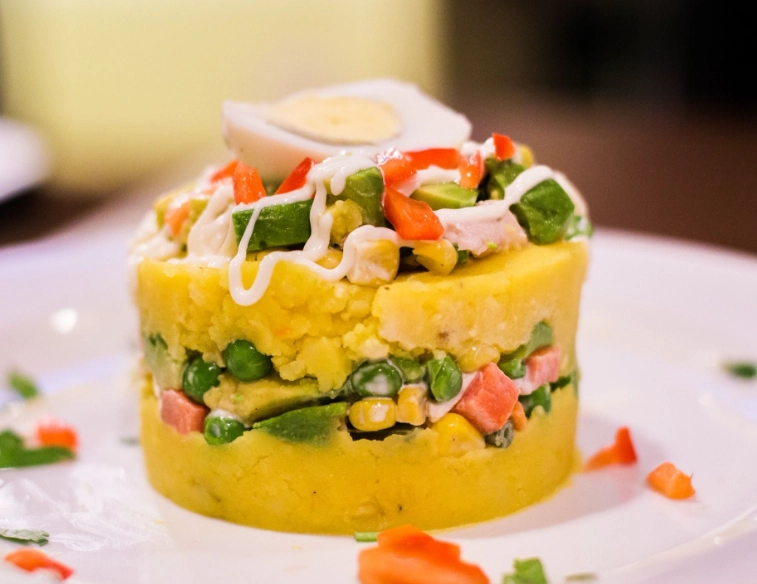
Why Peruvian Cooking Feels Different
You can't just throw soy sauce and ginger into a wok and call it Chinese food. Same idea here. Peruvian cuisine has a backbone, a set of foundational elements that make it uniquely, well, Peruvian. Ignore these, and your dish will be fine. Maybe even good. But it won't have that authentic soul.
The Flavor Trinity: If I had to boil it down (pun intended), three things define the taste profile of most authentic Peruvian recipes: aji peppers, fresh lime/lemon juice, and aromatic herbs like cilantro and huacatay. It's a balance of heat, acid, and freshness that cuts through rich stews and elevates simple ingredients.
Then there's the history. It's a fusion cuisine that's been fusing for 500 years. Indigenous Inca foundations met Spanish ingredients (onions, garlic, livestock), which later got waves of influence from Chinese, Japanese, Italian, and West African migrants. That's why you have stir-fried beef (Lomo Saltado) served with both rice and french fries. It shouldn't work, but it absolutely does.
It's this layered history that makes searching for Peruvian food recipes so rewarding. You're not learning one technique, you're learning several culinary traditions that decided to live together in harmony.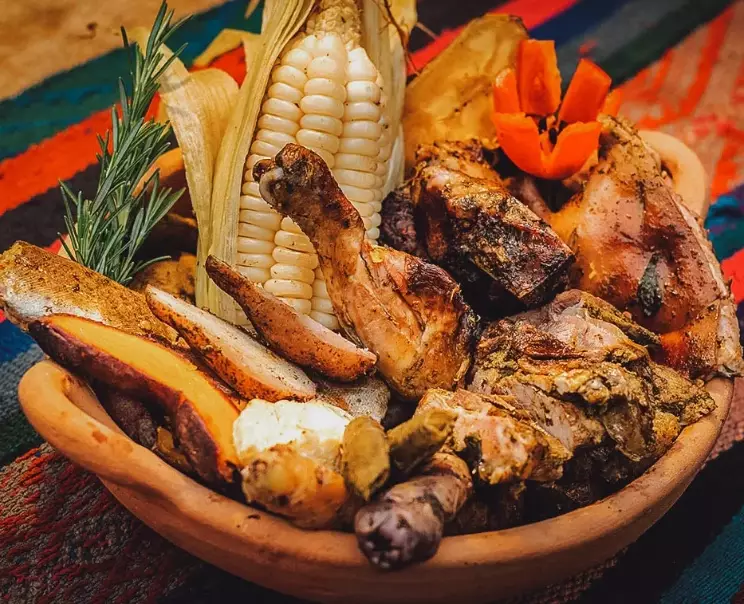
The Non-Negotiable Peruvian Pantry
Okay, let's get practical. Before you dive into any specific Peruvian food recipe, you need to know your ingredients. Some are easy finds, others require a trip to a Latin market or an online order. But trust me, sourcing these is half the fun and 90% of the flavor difference.
The A-List: Must-Have Foundations
Aji Amarillo Paste: This is the king. A bright yellow, fruity, medium-heat chili paste. It's the color and flavor behind Aji de Gallina, Papa a la Huancaina, and countless sauces. You can find it in jars in well-stocked supermarkets or online. The brand "Frito" is reliable. Do not substitute with yellow bell pepper and habanero—it's not the same. If you must, a mix of yellow bell pepper and a pinch of cayenne with extra lime juice can be a distant cousin in a pinch, but the unique flavor will be missing.
Aji Panca Paste: The queen. Deep red, smoky, earthy, with a mild heat. It's used for marinates, like in Anticuchos (beef heart skewers). It adds a deep, burgundy color and a rich, rounded flavor. Again, jarred paste is your friend.
Huacatay (Black Mint Paste): This is a game-changer for green sauces. It's not really mint; it's a Peruvian herb with a complex, almost lemony, savory flavor. Essential for Ocopa sauce. You can find it in paste form. If you can't find it... the dish will be different. Some mix mint, cilantro, and arugula to approximate, but it's an approximation at best.
Pro Tip: Buy the pastes. Grinding fresh Peruvian chilies is ideal but unrealistic for most home cooks outside Peru. The high-quality jarred pastes (look for ones with minimal ingredients: just pepper, salt, acid) are fantastic and will last for months in your fridge.
The Supporting Cast
- White Corn (Choclo): Not sweet corn. The kernels are huge, starchy, and chewy. Often served boiled alongside ceviche. You can find it frozen or canned in Latin markets.
- Cancha: Toasted corn nuts. The ultimate beer snack. You can sometimes find them bagged, or make them by toasting large white corn kernels in oil until they pop.
- Purple Corn (Maíz Morado): Used almost exclusively for making Chicha Morada, a sweet, spiced drink. You can buy the dried corn online.
- Potatoes: Peru has over 3,000 varieties. Don't panic. For most authentic Peruvian recipes, a good waxy yellow potato (like Yukon Gold) works beautifully. For causas, you need a very starchy potato like a Russet.
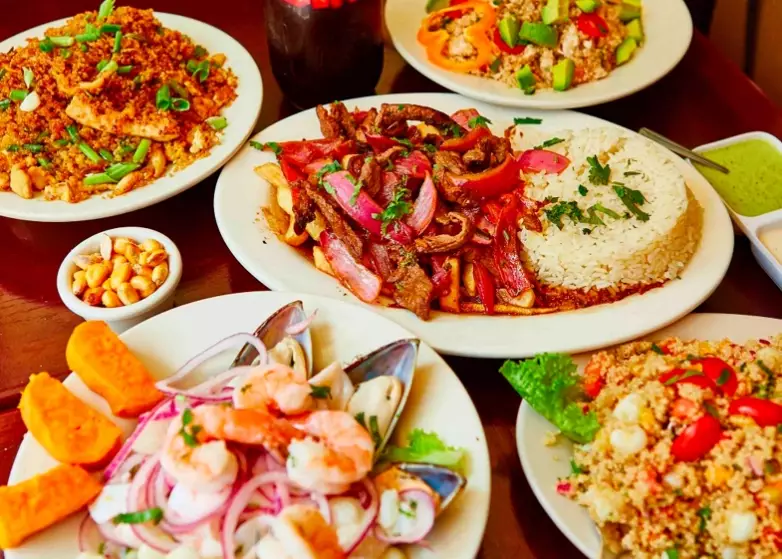
I made the mistake of using red potatoes for a causa once. Too waxy. It was a gluey, dense mess. Lesson learned.
| Ingredient | What It Is | Where to Find It | Best Substitutes (in a pinch) |
|---|---|---|---|
| Aji Amarillo Paste | Fruity, med-heat yellow chili paste | Latin markets, online (Amazon, specialty sites) | Mix yellow bell pepper puree with a dash of habanero & lime (not ideal) |
| Aji Panca Paste | Smoky, mild red chili paste | Latin markets, online | Ancho chili paste (different, but smoky) |
| Huacatay Paste | Herb paste, unique savory flavor | Online, well-stocked Latin markets | Blend mint, cilantro, arugula, lime (approximation) |
| Choclo (White Corn) | Large, starchy corn kernels | Frozen/Canned in Latin markets | Hominy or giant white corn (if available) |
Top 5 Peruvian Food Recipes You Can Actually Make at Home
Let's move from theory to practice. Here are five foundational Peruvian food recipes that will give you a true taste of the country. I've ordered them roughly by complexity, but none are overly difficult.
1. Ceviche Clásico (The National Dish)
This is where it all begins. Fresh fish "cooked" in citrus. The key is confidence and ultra-fresh fish. Don't be scared.
The Fish: Use a firm, lean, sushi-grade white fish. Sea bass (corvina), flounder, or halibut are perfect. This is non-negotiable—sushi-grade for safety.
The Magic: The "leche de tigre" (tiger's milk)—the citrus marinade that becomes a spicy, bracing sauce. You drink it after eating the ceviche. It's a rite of passage.
My take: Most recipes undersalt the leche de tigre. Season it like you would a soup. It should be powerfully bright, salty, spicy, and acidic. It makes the fish pop.
Common Q: How long do I marinate the fish? For classic texture, just 2-5 minutes! You're not trying to cure it for hours. It should still be tender, not rubbery.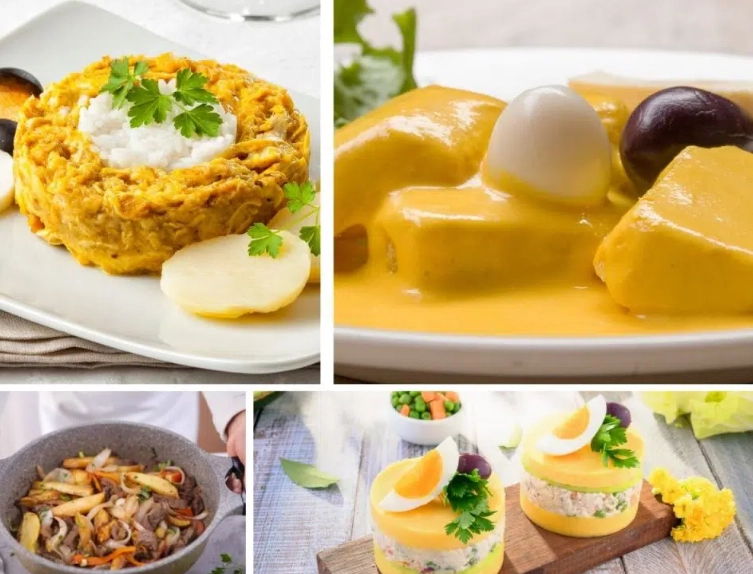
2. Lomo Saltado (The Peruvian-Chinese Fusion)
This is the ultimate weeknight-friendly Peruvian food recipe. Strips of beef, stir-fried with onions, tomatoes, and aji amarillo, flambéed with soy sauce and vinegar, then tossed with fries and served over rice. Yes, carbs on carbs. Embrace it.
The Technique: Get your pan screaming hot. You want sear, not steam. Cook the beef in batches to avoid crowding.
The Controversy: Purists say you must use a wok. I've made great versions in a cast-iron skillet. The high heat is more important than the vessel.
My goof: I once added the tomatoes too early. They released too much juice and the dish braised instead of fried. Add them at the end, just to warm through.
3. Aji de Gallina (The Ultimate Comfort Food)
Shredded chicken in a creamy, nutty, slightly spicy yellow sauce. It's like a hug in a bowl. This is the dish I botched on my first try.
The Sauce Base: It's built on a sofrito of onion and garlic, then blended with aji amarillo paste, bread (for thickening), evaporated milk, and ground walnuts or pecans. The nuts are crucial for that distinct flavor.
Texture is Key: The sauce should be thick enough to coat the chicken heavily, but still pourable. If it's too thick, thin it with a bit of the chicken broth.
It's served over rice, with boiled potatoes and black olives. Don't skip the olives—their briny punch cuts the richness perfectly.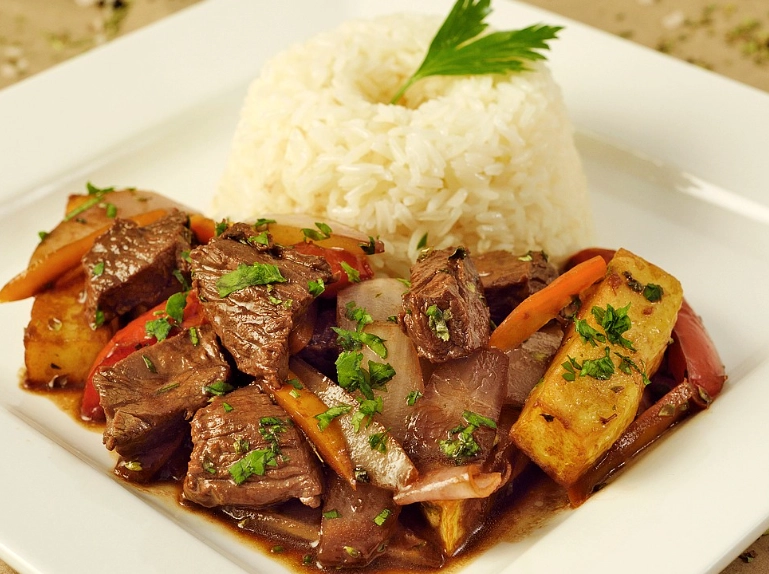
See? Already you're getting a feel for the diversity. From the raw and bright to the stir-fried and savory, to the creamy and comforting. That's Peruvian cooking.
4. Papa a la Huancaina (The Iconic Appetizer)
Boiled potatoes smothered in a creamy, spicy cheese sauce. It's a staple at every party. Looks simple, tastes complex.
The Cheese: Traditional Huancaina uses "queso fresco" or "queso blanco." A good farmer's cheese or even a mild feta works. Avoid salty cheeses.
The Trick: Soak the aji amarillo strips (from the paste or fresh) in milk beforehand to mellow the heat slightly and blend smoother. Blend everything until silky smooth. The sauce should be a vibrant yellow and have a kick.
5. Arroz con Pollo (The Sunday Staple)
Peruvian-style rice with chicken. What makes it special is the cilantro-based green liquid used to cook the rice, giving it an incredible color and fresh herb flavor.
The "Green Gold": Blend a huge bunch of cilantro (stems and all) with spinach or lettuce, onion, and garlic with a bit of beer or stock. This puree is your cooking liquid.
Layering Flavor: Brown the chicken first, then cook the rice in the same pot with the green puree. The rice absorbs all the chicken and herb goodness.
It's a one-pot wonder that feeds a crowd and is surprisingly hard to mess up.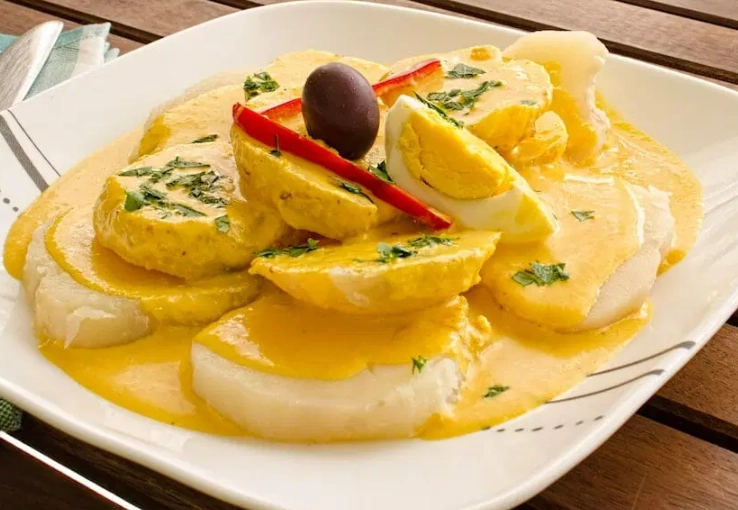
Navigating Common Hurdles & Questions
You'll have questions. I did. Here are the ones that tripped me up, answered plainly.
Let's Talk About Drinks & Sides
No meal is complete without them. These aren't afterthoughts; they're part of the experience.
Chicha Morada: A sweet, non-alcoholic drink made from boiling purple corn with pineapple, cinnamon, and cloves. It's stunningly purple and refreshing. You can find concentrate or make it from dried corn. It's a must-try. (I find some store-bought versions too sweet, so I dilute them with sparkling water.)
Pisco Sour: The national cocktail. Pisco (a grape brandy), lime juice, simple syrup, egg white, and bitters. The key is a dry shake (no ice) to foam the egg white, then a shake with ice. It's tart, frothy, and strong.
Salsa Criolla: The ultimate Peruvian condiment. Thinly sliced red onions marinated in lime juice with aji amarillo slices and cilantro. It goes on EVERYTHING—ceviche, grilled meats, sandwiches. It cuts through fat and adds a crunchy, acidic punch. Make it. Always have some in your fridge.
Seriously, if you only make one thing from this whole guide besides a main dish, make Salsa Criolla. It will upgrade your meals instantly.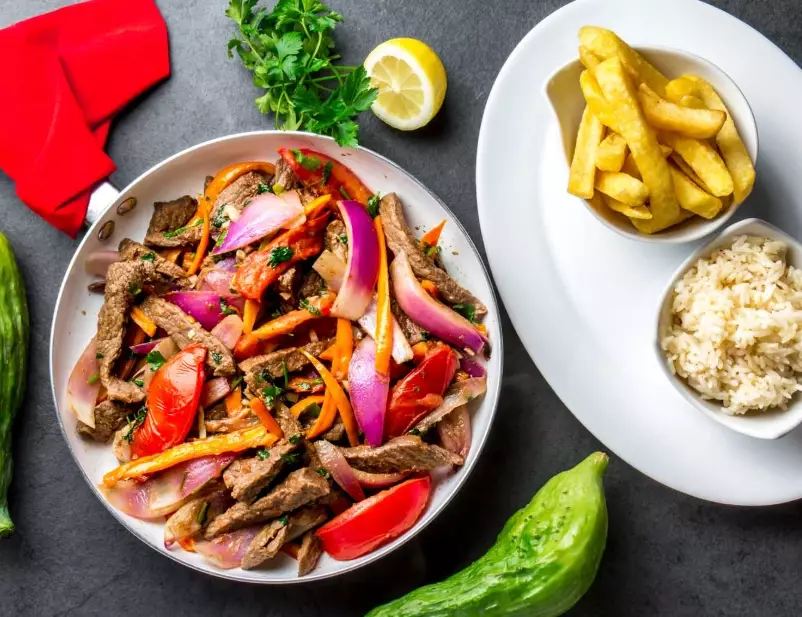
Final Thoughts Before You Start Cooking
Diving into Peruvian food recipes is a journey. Don't try to master it in a day. Start with one dish—maybe Lomo Saltado or Arroz con Pollo. Get comfortable with the pastes. Taste as you go.
The beauty of this cuisine is its generosity and boldness. It's not subtle. It's layers of clear, confident flavor. And once you get a few dishes under your belt, you'll start to see the patterns, the way the lime and onion and aji work together.
You'll also develop your own preferences. Maybe you like your Aji de Gallina with a bit more heat. Maybe you prefer a longer ceviche marinade. That's fine. The recipes are a map, but you're driving.
Your First Step: Go online or to a market and buy a jar of aji amarillo paste and aji panca paste. That's it. With those two in your fridge, a world of authentic Peruvian food recipes opens up to you. Then pick one recipe from above and cook it this weekend. You won't regret it.
And if you mess up? I've been there. We all have. Just order some takeout, figure out what went wrong, and try again next week. The food is too good to give up on.