Let's talk about a cut of beef that's quietly brilliant. Beef cheek. It sounds humble, maybe even a bit odd if you've never cooked with it. But in the hands of a patient cook, this inexpensive, tough-looking piece of meat transforms into something extraordinary—fork-tender, gelatinous, and packed with a deep, beefy flavor that expensive steaks can only dream of. Forget everything you think you know about cheap cuts. Mastering beef cheek recipes is your ticket to restaurant-level braises at home without the restaurant-level bill.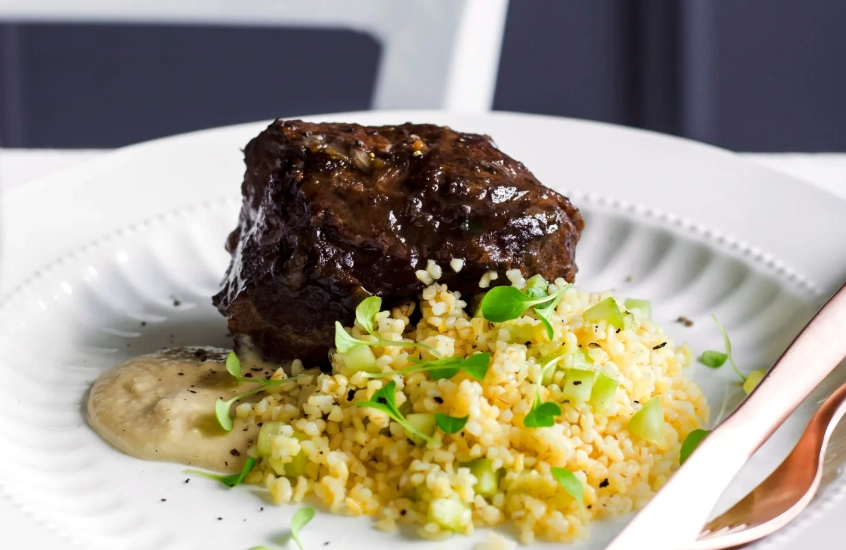
What's Inside This Guide?
What Exactly Is Beef Cheek? (And Where to Find It)
It's exactly what it sounds like: the facial muscle from a cow. Think about how much a cow chews—all day, every day. That cheek muscle works incredibly hard, which builds up two things: intense flavor and a huge amount of connective tissue (collagen). When raw, it's dense, sinewy, and can look intimidating. That's why it's often overlooked and sold for a fraction of the price of a ribeye.
You won't typically find beef cheeks in the standard supermarket meat aisle. You need to visit a proper butcher shop, a Latin American carnicería (where it's called cachete), or an Asian market. Call ahead. A good butcher might need to order it for you. Ask for them trimmed. An untrimmed beef cheek is covered in a thick, silvery membrane and a significant amount of hard fat. A trimmed one saves you a lot of work. Expect to pay anywhere from $6 to $12 per pound, which is a steal for the yield you get.
I made the mistake early on of buying untrimmed. Spent 45 minutes with a sharp boning knife, slipping and sliding, trying to remove that membrane. It felt like defusing a bomb. Get them trimmed.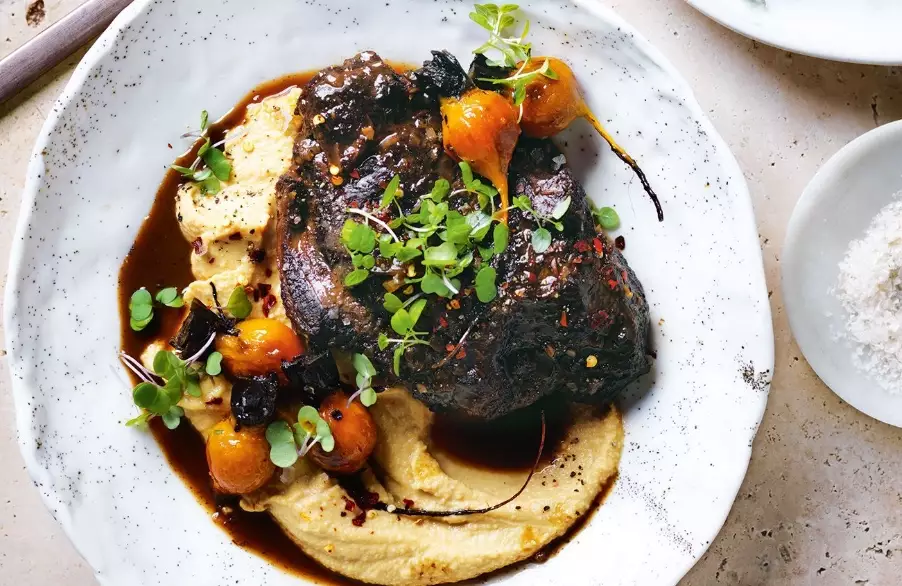
The Non-Negotiable Prep & Cook Rules
You can't just throw beef cheeks in a pot and hope for the best. These rules aren't suggestions; they're the law for success.
1. Trim, But Don't Over-Trim
Even pre-trimmed cheeks might have residual hard fat or silverskin. Use a sharp paring knife to cut it away. But here's the expert nuance: leave some of the internal marbling and softer fat. That's flavor and moisture that will render down during the long cook. The goal is to remove the inedible, rubbery bits, not to make it lean.
2. The Sear is Sacred
This is the step most people rush. Pat the cheeks bone-dry with paper towels. Season aggressively with salt and pepper. Get your pot (Dutch oven, heavy skillet) screaming hot with a high-smoke-point oil like avocado or grapeseed. Sear each piece until a deep, dark brown crust forms on all sides. This isn't just for color; it's the Maillard reaction, creating hundreds of complex flavor compounds that will form the foundation of your entire sauce.
Don't crowd the pot. Do it in batches. Crowding steams the meat and you'll get a gray, sad sear.
3. The Low & Slow Mantra
There is no shortcut for time. The collagen needs sustained, moist heat—usually between 275°F and 325°F (135°C-160°C)—for several hours to melt into unctuous, mouth-coating gelatin. This is what turns toughness into sublime tenderness. If you try to crank the heat to speed things up, you'll toughen the muscle fibers and achieve leather.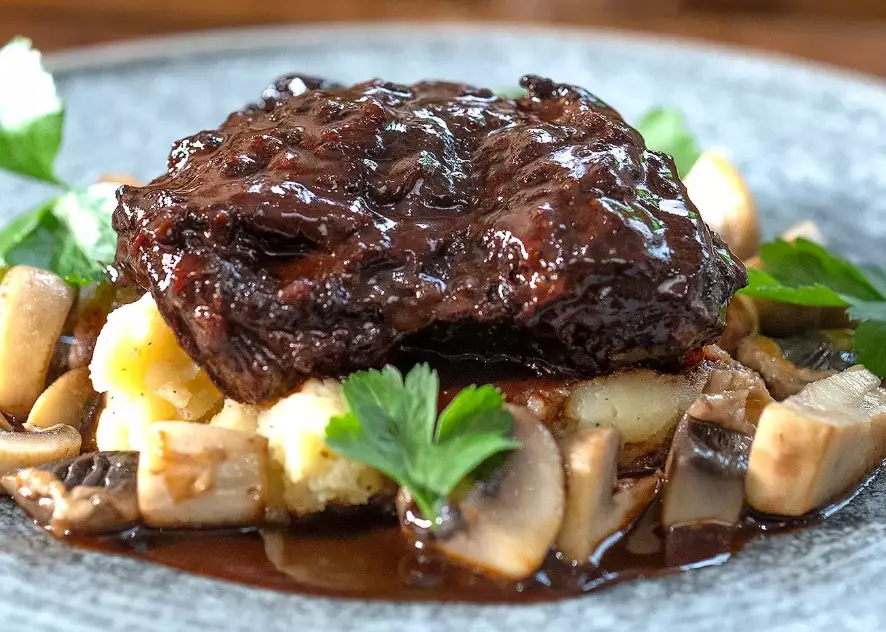
Your Cooking Method Playbook
You have options. Each has its pros, and the "best" one depends on your schedule and tools.
| Method | Time (Approx.) | Best For | Key Tip |
|---|---|---|---|
| Dutch Oven / Oven Braise | 3 - 3.5 hours | The ultimate flavor development. The gentle, all-around heat promotes incredible depth. | Keep the lid slightly ajar for the last hour to slightly reduce and concentrate the sauce. |
| Slow Cooker | 8-9 hours on Low | Hands-off, all-day cooking. Set it and forget it. | Always sear the meat in a skillet first. Don't skip this and just dump raw meat in. You'll miss crucial flavor. |
| Pressure Cooker / Instant Pot | 60-75 mins at High Pressure | Getting a similar result in a fraction of the time. Great for weeknights. | Natural pressure release for at least 15-20 minutes. A quick release can make the meat seize up slightly. |
My personal favorite is the Dutch oven. The control is better, and I find the sauce reduces to a more luxurious consistency. But on a busy Wednesday? The Instant Pot is a lifesaver.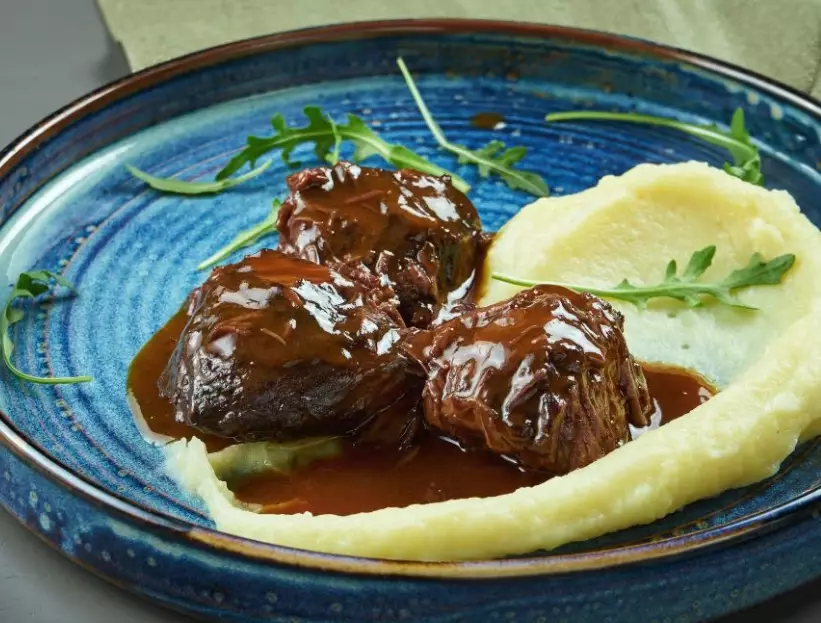
Your Go-To Red Wine Braised Beef Cheek Recipe
Foolproof Red Wine & Thyme Braised Beef Cheeks
Serves: 4-6 | Active Time: 45 mins | Total Time: 3.5 hours
This is the blueprint. Master this, and you can riff endlessly—swap the herbs, use dark beer instead of wine, add smoked paprika.
Ingredients:
- 3-4 lbs (1.4-1.8 kg) beef cheeks, trimmed and cut into large chunks (about 3-inch pieces)
- Salt and freshly ground black pepper
- 2 tbsp high-heat oil
- 1 large onion, roughly chopped
- 2 medium carrots, roughly chopped
- 3 celery stalks, roughly chopped
- 4 garlic cloves, smashed
- 2 tbsp tomato paste
- 1 bottle (750ml) dry red wine (like Cabernet Sauvignon or Malbec)
- 4 cups good-quality beef stock (low sodium)
- 4-5 sprigs fresh thyme
- 2 bay leaves
- Optional for finishing: 1 tbsp red wine vinegar or a pat of cold butter
Method:
- Prep & Sear: Heat oven to 300°F (150°C). Pat cheeks dry, season liberally. In a large Dutch oven, heat oil over medium-high. Sear cheeks in batches until deeply browned on all sides. Transfer to a plate.
- Build the Base: In the same pot, add onion, carrot, and celery. Cook for 6-8 mins until softened. Add garlic and tomato paste; cook for 1 minute until fragrant.
- Deglaze: Pour in the red wine, scraping up all the browned bits (the fond) from the bottom. Let it simmer for 5 minutes to reduce slightly and cook off the raw alcohol.
- Braise: Return cheeks to the pot. Add enough beef stock to come about 3/4 of the way up the meat. Add thyme and bay leaves. Bring to a gentle simmer.
- Cook: Cover and transfer to the oven. Braise for 2.5 to 3 hours, checking after 2 hours. The meat is done when a fork inserts and twists with absolutely no resistance.
- Finish the Sauce: Remove cheeks to a bowl, tent with foil. Strain the braising liquid into a saucepan, pressing on the solids. Skim off excess fat. Simmer until reduced to a glossy, coating consistency. Season to taste. A splash of vinegar or a whisked-in pat of butter at the end brightens the rich sauce perfectly.
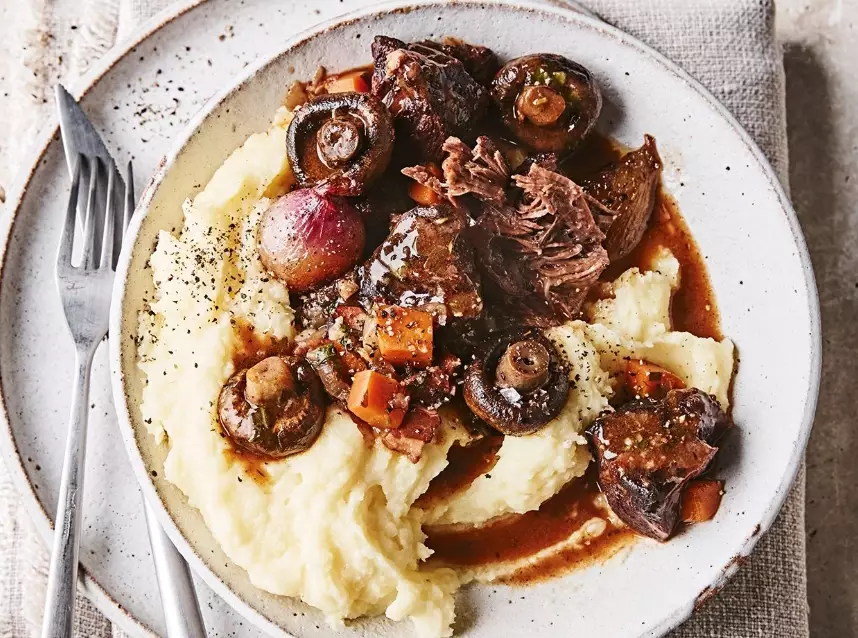
- Serve: Shred or serve cheeks whole, smothered in that incredible sauce. Over mashed potatoes is non-negotiable for the first time.
That recipe is your foundation. Once you've got it down, experiment. Add a strip of orange zest and a pinch of cloves for a hint of warmth. Swap half the red wine for stout beer. Stir in some chopped olives and rosemary at the end. The cheek is a blank, flavorful canvas.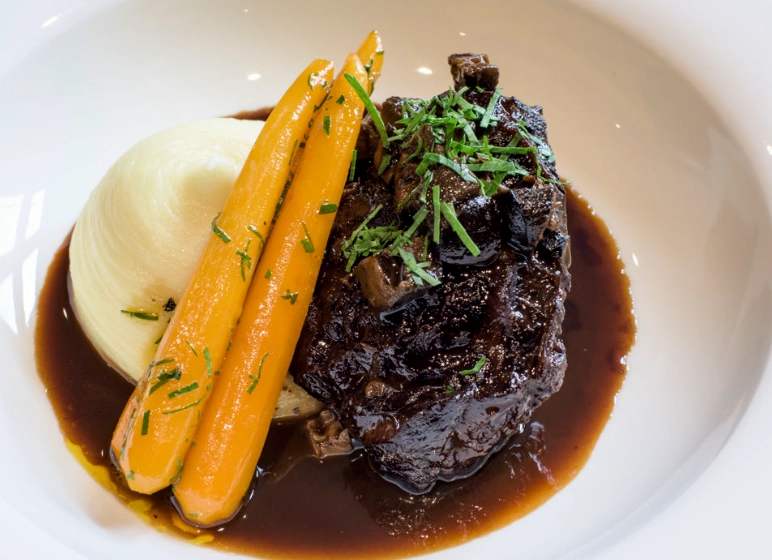
Your Beef Cheek Questions, Answered
 So, there you have it. Beef cheek isn't just a recipe; it's a lesson in patience and a reward for it. It's about seeing potential where others see a problem. It's affordable, deeply satisfying, and proves that the best flavors often come from the most unexpected places. Go find some cheeks, clear your afternoon, and get braising. You won't regret it.