Let's be honest. The idea of making a traditional chicken tagine at home can feel a bit intimidating. The exotic spices, the special pot, the fear of ending up with dry chicken in a bland sauce—I get it. I've been there. My first attempt years ago was a timid, spice-shy version that tasted more like stew with an identity crisis. But after countless pots (and happy dinner guests), I've cracked the code. This isn't just a recipe; it's a forgiving, step-by-step guide that demystifies the process. You'll end up with incredibly tender chicken bathed in a deeply aromatic, sweet-and-savory sauce that's perfect for a cozy family meal or your next dinner party centerpiece.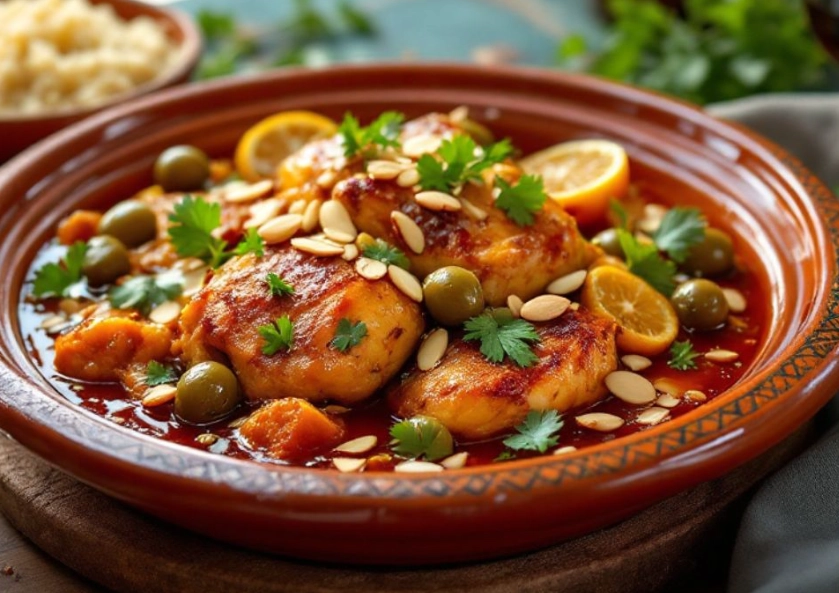
What's Cooking in This Tagine?
Why This Chicken Tagine Recipe Actually Works
Most recipes list ingredients and steps. Few explain the why. Understanding a few principles changes everything.
First, the magic of a tagine lies in its conical lid. It traps steam, which condenses and drips back onto the food, creating a self-basting, incredibly moist environment. But you don't absolutely need the pot to get the result—the technique is what matters. Second, the flavor profile is built on layers. You don't just dump spices in. You bloom them, you layer sweet (dried fruit, onions) with savory (chicken, olives), and you let time do the work. This recipe prioritizes flavor-building steps that have the biggest impact, skipping unnecessary fuss.
I've streamlined the spice list to essentials you can find in any well-stocked supermarket, focusing on impact over authenticity for authenticity's sake. The goal is a spectacular dish, not a museum piece.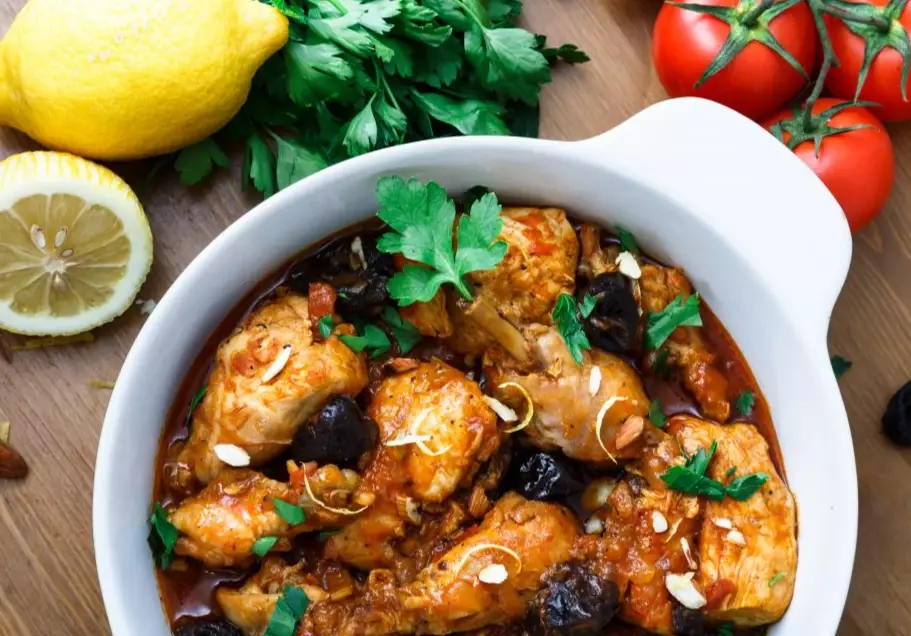
The Core Flavor Promise
If you follow this guide, you're not just making "stew." You're creating a dish where the chicken is fall-apart tender, the sauce is a complex harmony of warm spices, sweet fruit, and briny olives, and the scent that fills your kitchen is nothing short of transportive.
Gathering Your Tagine Toolkit: Ingredients & Equipment
Let's get practical. Here’s exactly what you need and why each item matters.
Equipment: Pot First
Ideal: A traditional clay or ceramic tagine. If you have one, remember to season it first (soak the base in water for 24 hours before first use) and always use a diffuser on electric stovets to prevent cracking. The benefit is unparalleled moisture retention and presentation.
Perfectly Excellent Alternative: A heavy Dutch oven (like Le Creuset or Staub) or any thick-bottomed pot with a tight-fitting lid. This is what I use 90% of the time. It's more forgiving on high heat at the start and distributes heat evenly.
You'll also need a good knife, a cutting board, and a small bowl for mixing spices.
The Spice Breakdown: Non-Negotiables vs. Nice-to-Haves
Spices are the soul. Don't use jars that have been in your cupboard since last Thanksgiving.
- Ground Ginger & Cinnamon: The warm, sweet base. Non-negotiable.
- Turmeric: For earthy depth and that gorgeous golden color. Non-negotiable.
- Paprika (Sweet or Smoked): Adds body and a subtle pepperiness. Smoked paprika adds a fantastic, modern twist.
- Cumin & Coriander: If you can, buy the seeds and toast them lightly in a dry pan, then grind. The flavor difference is night and day. If using pre-ground, ensure they're fresh.
- Saffron: The queen of spices. A small pinch, crushed and soaked in a tablespoon of warm water, adds an irreplaceable floral aroma and color. It's a worthy splurge for a special occasion, but the dish will still be great without it.
| Ingredient | Quantity | Notes & Why It's There |
|---|---|---|
| Chicken Thighs & Drums | 4-6 pieces (bone-in, skin-on) | Bone-in, skin-on is mandatory. Bones add flavor to the sauce, and the skin protects the meat from drying out during the long cook. You can remove the skin before eating, but cook with it on. |
| Yellow Onion | 1 large, grated or finely chopped | Grating creates a melt-in sauce. Chopping gives more texture. Your choice. |
| Garlic | 4-5 cloves, minced | Fresh is best. Don't substitute with powder here. |
| Ginger | 1-inch piece, grated | Fresh ginger adds a bright, sharp note that balances the ground spices. |
| Dried Apricots | 1 cup, halved | They plump up and sweeten the sauce. Prunes or raisins work too. |
| Green Olives | ½ cup, pitted | The briny counterpoint. Castelvetrano olives are mild and buttery; green olives with lemon add zip. |
| Chicken Broth | 1.5 cups | Low-sodium preferred, so you control the salt. |
| Olive Oil, Lemon, Fresh Cilantro | For cooking & garnish | Extra virgin olive oil for flavor. Lemon wedges and chopped cilantro freshen up the rich dish at the end. |
How to Make Chicken Tagine: A Step-by-Step Guide
This is where we build flavor, layer by layer. Set aside about 15 minutes for prep and 1.5 hours for mostly hands-off cooking.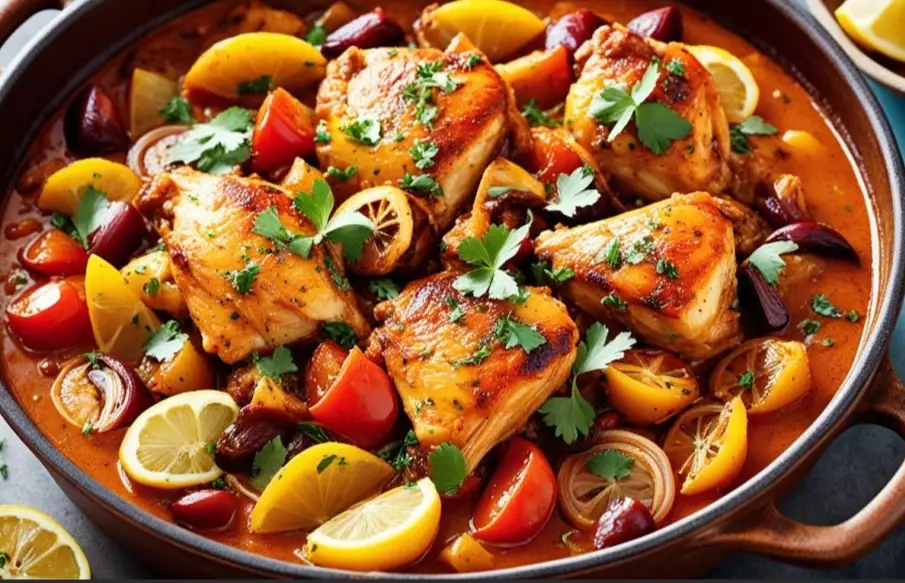
Step 1: The Spice Mix & Chicken Prep
In a small bowl, mix 1 teaspoon each of ground ginger, turmeric, and paprika with ½ teaspoon each of cumin and cinnamon. Add a big pinch of salt and black pepper. Pat your chicken pieces very dry with paper towels—this is crucial for getting a good sear. Rub the spice mix all over the chicken, getting it into the nooks and crannies. Let it sit while you chop the onion.
Step 2: Building the Flavor Base
Heat 2 tablespoons of olive oil in your pot over medium-high heat. Brown the chicken pieces, skin-side down first, until deeply golden, about 5-7 minutes per side. Don't crowd the pot; do it in batches if needed. This isn't to cook the chicken through, just to develop flavor. Remove the chicken and set aside.
In the same pot, with all those tasty browned bits, add the grated onion. Cook, stirring occasionally, for about 8 minutes until soft and starting to caramelize. Add the minced garlic and grated fresh ginger, cook for 1 minute until fragrant. Now, sprinkle in your reserved spice mix (if any is left) and stir for 30 seconds. This "blooms" the spices in the oil, waking up their flavors. It should smell incredible.
Step 3: The Slow Simmer
Pour in the chicken broth and use a wooden spoon to scrape up any stuck-on bits from the bottom (that's flavor). Return the chicken to the pot, along with any accumulated juices. Tuck in the dried apricots and olives around the chicken. The liquid should come about halfway up the chicken pieces.
Bring to a gentle simmer, then cover tightly with the lid. Reduce the heat to low. Let it cook undisturbed for 45 minutes.
Step 4: The Final Touch
After 45 minutes, the chicken should be very tender. Remove the lid. If the sauce seems too thin, let it simmer uncovered for another 10-15 minutes to reduce and thicken. Taste the sauce. This is your moment. Does it need more salt? A squeeze of lemon juice to brighten it? Adjust now.
Garnish with a huge handful of chopped fresh cilantro and serve with lemon wedges on the side.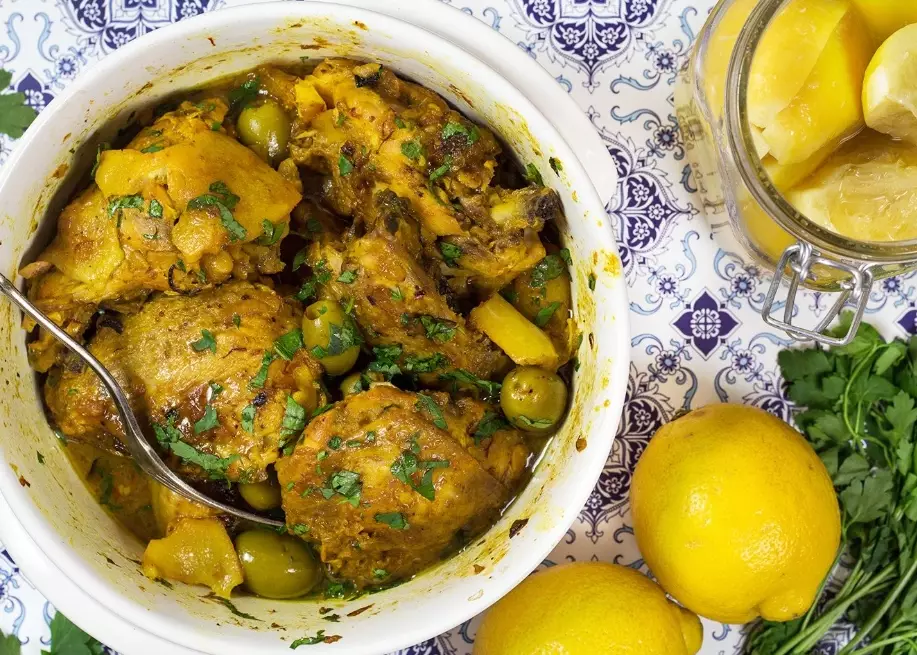
The 3 Mistakes That Ruin a Good Tagine (And How to Avoid Them)
I've seen (and made) these errors. Avoid them for guaranteed success.
1. Using boneless, skinless chicken breast. It will overcook and become dry and stringy in the long braise. Stick with dark meat. The connective tissue breaks down into gelatin, enriching the sauce and keeping the meat juicy.
2. Not browning the chicken properly. That golden crust is flavor. If you put pale chicken in the pot, you're missing a major layer. Take the time to get good color.
3. Adding the dried fruit too early or using the wrong kind. Adding them at the beginning with the chicken means they'll completely disintegrate after 45+ minutes of cooking. You want them plump and tender, not mushy. Adding them halfway through is better. Also, avoid dried fruit coated in sugar or preservatives; plain, unsulphured apricots or prunes are ideal.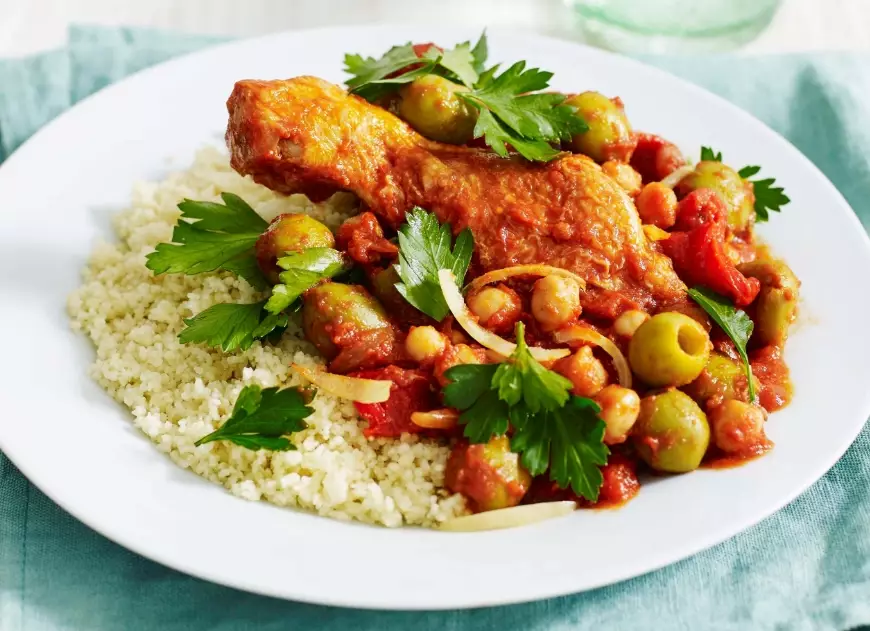
Serving, Storing & Making It Your Own
Serving: This is a communal dish. Place the pot in the center of the table. The classic accompaniment is couscous, which soaks up the sauce beautifully. Fluff some couscous, stir in a knob of butter and some chopped parsley. Crusty bread for dipping is also mandatory in my house. A simple salad of chopped cucumber, tomato, and red onion with a lemon vinaigrette cuts through the richness.
Storing: Tagine tastes even better the next day. Let it cool, then store it covered in the fridge for up to 3 days. Reheat gently on the stovetop. It also freezes well for up to 2 months.
Your Variations:
- Vegetable Tagine: Swap chicken for hearty veggies like carrots, potatoes, chickpeas, and squash. Add them in stages so they don't overcook.
- With Preserved Lemon: For a truly authentic kick, add ¼ of a finely chopped preserved lemon (rind only, rinsed) during the last 10 minutes of cooking.
- Spicier: Add a pinch of cayenne pepper or a chopped fresh chili to the spice mix.
Your Chicken Tagine Questions, Answered
Can I make chicken tagine without a tagine pot?
A Dutch oven is actually my go-to. Any heavy pot with a tight lid works. The conical tagine lid is genius for condensation, but a regular lid does the job if you keep the heat low and steady. Just check once that there's still enough liquid bubbling gently.
What's the biggest mistake people make with chicken tagine spices?
They treat them as a single ingredient added at the end. The magic happens in two stages: toasting whole seeds before grinding (if you can), and then blooming the ground spices in oil with the onions. That quick sauté in fat transforms them from tasting dusty to deeply fragrant and integrated into the base of the dish. Skipping this step leaves flavor on the table.
My tagine sauce is too watery. How do I fix it?
Nine times out of ten, it just needs to reduce. Take the lid off for the last 15-20 minutes of cooking and let the simmer do its work. If you're at the end and it's still thin, remove everything solid, turn up the heat, and let the sauce boil until it thickens to a gravy-like consistency. A small slurry of cornstarch and water is a last-resort fix, but reduction is always better for flavor.
Can I prepare chicken tagine ahead of time for a dinner party?
It's the ultimate dinner party dish because it gets better and is stress-free. Cook it completely a day ahead. Cool it and refrigerate. An hour before guests arrive, gently reheat it on the stove over low heat, adding a tiny splash of water if it seems thick. The flavors will have married beautifully, and you'll be relaxed instead of frantic.