I used to think French cooking was only for pros in fancy kitchens. Then I burned my first hollandaise sauce, and it hit me—maybe the recipes were overcomplicating things. After a decade of trial, error, and chatting with chefs, I've found that anyone can make authentic French food at home. It's not about fancy gear; it's about nailing a few key moves. Let's cut through the fluff and get to the good stuff: simple, delicious French recipes you can actually pull off.
What's Inside This Guide
French Cooking Techniques That Matter
Forget mastering every trick in the book. Focus on these two—they're the backbone of most French recipes.
Getting Sauces Right: The Mother Sauces Simplified
French cuisine leans on sauces, but you don't need to memorize five mothers. Start with béchamel and velouté; they're the easiest. Béchamel is just butter, flour, and milk—cook the flour until it smells nutty, then whisk in warm milk slowly. Velouté swaps milk for stock. The secret? Use a heavy-bottomed pan and keep stirring. I've seen people rush this and end up with lumps. Take your time; low heat is your friend.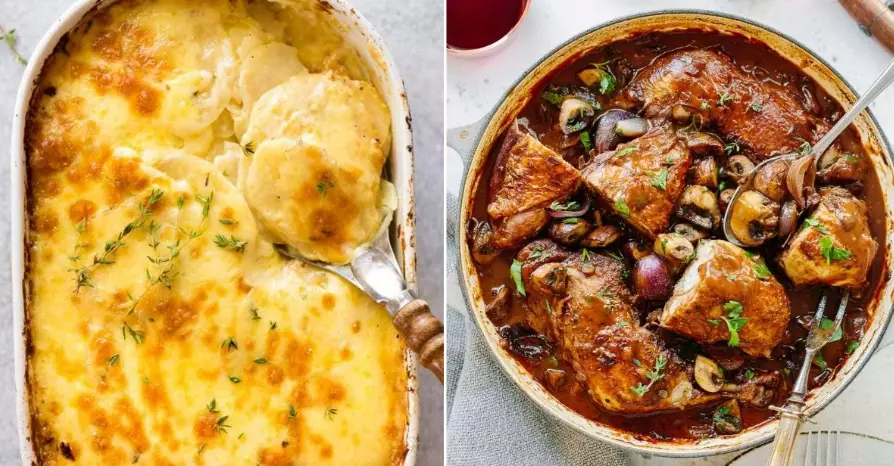
Sautéing and Braising: The Dynamic Duo
Sautéing means high heat, quick cooking. Use a wide pan and don't overcrowd it—otherwise, you steam the food instead of browning it. Braising is low and slow, perfect for tough cuts like beef bourguignon. Brown the meat first, then let it simmer in liquid. A common slip-up? Adding wine too early; let it reduce a bit to cook off the alcohol taste. I learned this after a too-boozy Coq au Vin once.
3 Foolproof French Recipes to Start With
These dishes are classics for a reason—they're forgiving and packed with flavor. I've scaled them down for home kitchens.
Recipe 1: Coq au Vin (Chicken in Red Wine)
Prep time: 20 mins | Cook time: 1.5 hours | Serves: 4
Ingredients:
- 4 chicken thighs (bone-in, skin-on for best flavor)
- 200g bacon, diced
- 1 onion, chopped
- 2 carrots, sliced
- 2 cloves garlic, minced
- 1 cup red wine (like Pinot Noir—or use non-alcoholic sub from FAQ)
- 1 cup chicken stock
- 2 tbsp tomato paste
- Fresh thyme, salt, pepper
Steps: Brown the chicken in a Dutch oven, set aside. Cook bacon until crisp, then sauté veggies. Add wine, let it bubble for 2 minutes. Stir in stock, tomato paste, herbs, and return chicken. Cover and simmer on low for 1 hour. Serve with mashed potatoes. It's hearty and perfect for a weekend dinner.
Recipe 2: Quiche Lorraine
Prep time: 30 mins | Cook time: 40 mins | Serves: 6
Ingredients:
- 1 pie crust (store-bought or homemade)
- 150g bacon, chopped
- 1 onion, finely diced
- 3 eggs
- 1 cup heavy cream
- 1 cup grated Gruyère cheese
- Nutmeg, salt, pepper
Steps: Pre-bake the crust at 400°F (200°C) for 15 minutes with weights. Cook bacon and onion until golden. Whisk eggs, cream, cheese, and spices. Spread bacon mix in crust, pour egg mixture over. Bake at 375°F (190°C) for 25-30 minutes until set. Let it cool slightly before slicing—cuts cleaner. I've served this at brunch for years; it never fails.
Recipe 3: Crème Brûlée
Prep time: 15 mins | Cook time: 50 mins | Serves: 4
Ingredients:
- 2 cups heavy cream
- 5 egg yolks
- 1/2 cup sugar (plus extra for topping)
- 1 tsp vanilla extract
Steps: Heat cream until just steaming. Whisk yolks and sugar until pale. Slowly pour cream into yolks, whisking constantly. Add vanilla. Pour into ramekins, place in a water bath. Bake at 325°F (160°C) for 40 minutes until set but jiggly. Chill for 4 hours. Sprinkle sugar on top, torch until caramelized. No torch? Use the broiler for a minute—watch closely! My first attempt was soupy because I skipped the water bath; don't make that mistake.
Common French Cooking Mistakes (And How to Dodge Them)
Here's where most home cooks trip up. I've made these errors so you don't have to.
Overworking dough: For pastries like croissants, handle the dough minimally. If the butter melts in, you get bread, not flaky layers. Chill everything—even your hands.
Ignoring mise en place: French for "everything in its place." Chop all ingredients before you start. I used to wing it and ended up burning garlic while fumbling for herbs. Prep saves time and stress.
Using the wrong wine: In cooking, dry wines work best. Avoid sweet ones—they can make sauces cloying. If you're unsure, a mid-range Cabernet or Chardonnay is safe. According to resources like the French Culinary Institute's guides, cooking wine should complement, not overpower.
Rushing the roux: For sauces, cook flour and butter until blonde, not white. That nutty flavor is key. I've seen recipes say "1 minute," but it often takes 3-4 on medium-low.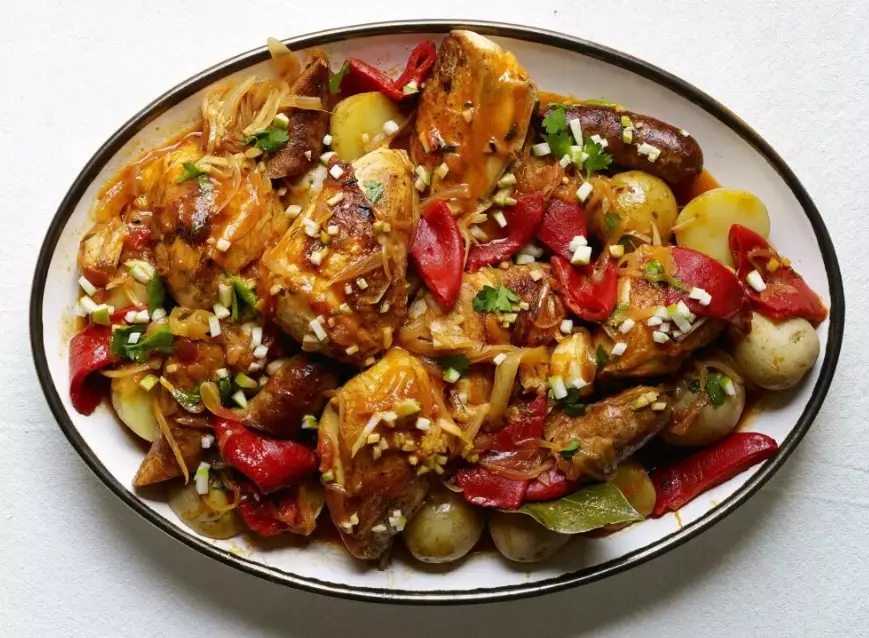
Your French Cooking Questions Answered
 French cooking isn't a mystery once you break it down. Start with these recipes, master the techniques, and don't sweat the small stuff. For more insights, check out authoritative sources like the Le Cordon Bleu website for professional tips, or the BBC Good Food guides on European cuisines. Now, grab a pan and get cooking—your kitchen smells better already.