In This Guide
- What Actually Makes a Tiramisu Recipe the "Best"?
- The Ultimate, No-Fail Tiramisu Ingredients
- Step-by-Step: Building Your Best Tiramisu Ever
- Your Tiramisu Troubleshooting Guide: Questions Answered
- Digging Deeper: The Science & Soul of the Ingredients
- Common Pitfalls & How to Sidestep Them
- Wrapping It Up: Your Path to Tiramisu Glory
Let's be honest. I've messed up tiramisu more times than I care to admit. Soggy ladyfingers. A filling that's runny, or worse, grainy. A flavor that's just... off. It's a dessert that seems simple but has a million ways to go wrong. After what felt like a lifetime of trials (and errors), countless recipes from nonnas online, and more mascarpone than any sane person should buy, I finally cracked the code. This isn't just a recipe. This is the one. The best tiramisu recipe that works every single time, tastes like a little slice of Italian heaven, and will have your friends begging you for the secret.
What makes it the best? It’s not about fancy techniques or impossible-to-find ingredients. It’s about balance. The perfect harmony of bitter coffee, sweet marsala, rich mascarpone, and airy eggs. It’s about a texture that’s luxuriously creamy yet holds its shape. Most importantly, it’s about a recipe that guides you through the potential pitfalls so you end up with a masterpiece, not a mess.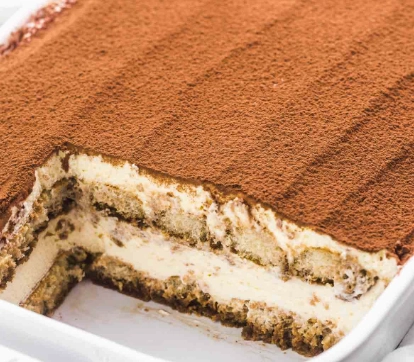
What Actually Makes a Tiramisu Recipe the "Best"?
Before we dive into the ingredients, let's talk philosophy. Anyone can throw eggs, sugar, and cheese together. The magic is in the details. A truly great, authentic tiramisu recipe hinges on a few non-negotiable pillars.
First, the coffee. It's the foundation. It needs to be strong, cold, and ideally, a proper espresso. That deep, almost bitter kick is what cuts through the richness of the cream. Using a watery brew is the number one reason homemade tiramisu tastes flat.
Then, the eggs. The classic method uses raw eggs. I know, it freaks some people out. But it's what gives the authentic, silky, unmatchable texture. We'll talk about safety and alternatives, but for the purists, this is key. The yolks and whites are treated separately—yolks for richness, whites for that cloud-like lift.
The mascarpone. This is the star. Not cream cheese, not ricotta. Mascarpone. It's a sweet, delicate, buttery cheese from Lombardy, Italy. Its high fat content and mild flavor are irreplaceable. Using a good quality brand here makes all the difference.
Finally, the ladyfingers (savoiardi). They are the sponge. They need to be the dry, crunchy kind, not the soft cake-like ones. Their job is to soak up the coffee mixture just enough to become tender, not disintegrate into mush. The dip is a quick, decisive in-and-out operation.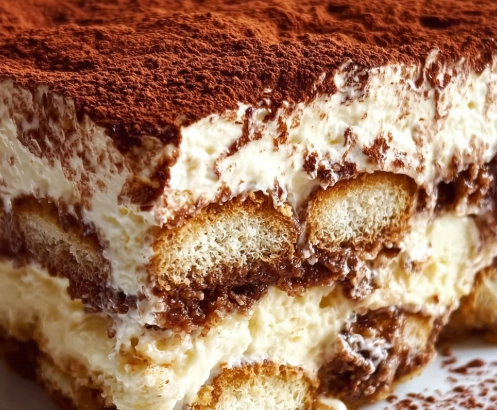
The Ultimate, No-Fail Tiramisu Ingredients
Here’s your shopping list. Read it carefully—the quality and specifics matter more than you think.
- Eggs: 4 large, fresh, and preferably organic or from a source you trust. We're using them raw, so quality is paramount. Room temperature separates best.
- Granulated Sugar: ½ cup (100g), plus 2 tablespoons for the coffee. Don't be tempted to reduce it too much; it balances the bitterness.
- Mascarpone Cheese: 16 ounces (about 450g). Full fat, always. Take it out of the fridge 30 minutes before using to soften slightly. A brand like Galbani or Polenghi is perfect.
- Ladyfingers (Savoiardi): One 7-ounce (200g) package. Look for the long, dry, crunchy ones in the Italian food aisle.
- Espresso or Very Strong Coffee: 1 ½ cups (350ml), brewed and cooled completely to room temperature. I use 4-5 shots of espresso diluted with a bit of water. If you must use instant, make it triple strength.
- Marsala Wine: 3 tablespoons. This is the traditional choice—a sweet Italian fortified wine. If you can't find it, a good substitute is dark rum, brandy, or even a coffee liqueur like Kahlúa. For a non-alcoholic version, just skip it.
- Unsweetened Cocoa Powder: For dusting. Use a good quality one like Dutch-processed for a deep, dark finish.
- Pinch of Salt: Just a tiny pinch for the egg whites. It helps them stabilize.
Step-by-Step: Building Your Best Tiramisu Ever
Okay, ingredients are assembled. Now, let's build. I'll walk you through this like I'm in the kitchen with you, pointing out where most people slip up.
Step 1: The Coffee Bath
Mix your cold, strong coffee with 2 tablespoons of sugar and the marsala wine (or your chosen spirit). Stir until the sugar dissolves. Pour it into a shallow dish, wide enough to dip a ladyfinger. This is your flavor station. Set it aside.
Step 2: The Egg Yolk Sabayon
This is the heart of the cream. Separate your eggs very carefully. Not a speck of yolk in the whites, or they won't whip properly.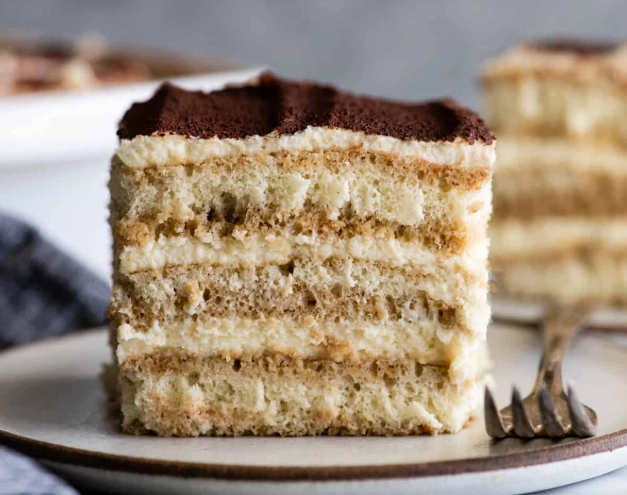
In a large heatproof bowl, combine the 4 egg yolks and ½ cup of sugar. Place the bowl over a pot of gently simmering water (a bain-marie or double boiler), making sure the bottom of the bowl doesn't touch the water. Whisk constantly, and I mean constantly, for about 5-7 minutes.
You're looking for it to become pale yellow, thick, and creamy, and the sugar should be completely dissolved. It should form ribbons when you lift the whisk. This step cooks the yolks gently for safety and creates a stable, luxurious base. Let this mixture cool down to room temperature before proceeding. Rushing this is a classic mistake.
Step 3: The Mascarpone & The Egg Whites
In another large bowl, beat the softened mascarpone with a spatula or whisk just until smooth and creamy. Don't over-beat it, or it can become grainy and split.
Now, gently fold the cooled egg yolk mixture into the mascarpone until just combined. No streaks, but don't beat the life out of it. Set this gorgeous, creamy mixture aside.
Clean your beaters thoroughly. In a spotlessly clean, dry bowl, beat the 4 egg whites with that tiny pinch of salt until they form stiff, glossy peaks. They should hold their shape when you lift the beater.
Here's the crucial part: take about one-third of the beaten egg whites and stir it vigorously into the mascarpone-yolk mixture. This loosens it up. Then, gently, gently fold in the remaining two-thirds of the egg whites. Use a big spatula and a figure-eight motion. You want to keep as much of that air in as possible. This is what gives the tiramisu its light, mousse-like texture.
Step 4: The Assembly (The Fun Part)
Get your serving dish ready—a 9x9 inch dish, a trifle bowl, whatever you like.
Now, the ladyfinger dance. One at a time, quickly dip each ladyfinger into the coffee mixture. I'm talking 1-2 seconds per side, max. You want it to absorb the coffee but not get so soggy it falls apart. If it sits too long, you'll have a layer of sludge at the bottom of your dish. Arrange them in a single layer in your dish.
Spread half of your beautiful cream mixture over the ladyfingers. Smooth it out.
Repeat: another layer of quickly-dipped ladyfingers, then the remaining cream.
Cover the dish tightly with plastic wrap and refrigerate for at least 6 hours, but ideally overnight. This is non-negotiable. The tiramisu needs this time to set, for the flavors to meld, and for the ladyfingers to soften perfectly into the cream.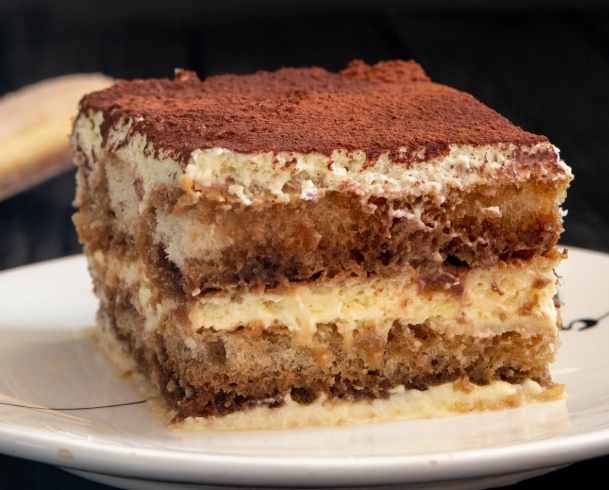
Step 5: The Final Touch
Right before serving, dust the top generously with unsweetened cocoa powder using a fine-mesh sieve. This gives that classic, elegant finish and a hint of bitter chocolate.
And there you have it.
Your Tiramisu Troubleshooting Guide: Questions Answered
I've gotten so many questions over the years. Here are the answers to everything you might be wondering about this best tiramisu recipe.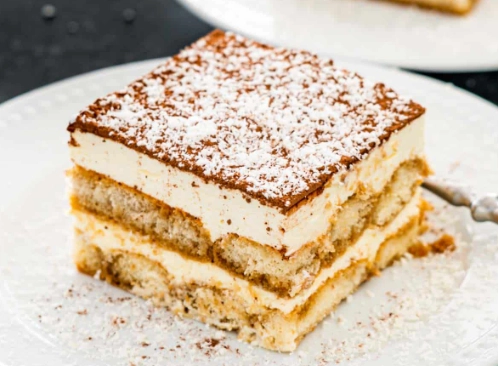
| Question | Answer & Solution |
|---|---|
| Can I make this without raw eggs? | Absolutely. For a cooked version, follow the yolk sabayon step (cooking with sugar over simmering water). For the whites, you can make an Italian meringue (whisking hot sugar syrup into whipped whites) or simply replace the whipped egg whites with an equal volume of softly whipped heavy cream. The texture will be slightly different but still delicious. |
| My cream is runny! What happened? | This usually means the egg whites were under-whipped or the mascarpone was too warm/over-beaten. Ensure everything is cool, whip whites to stiff peaks, and fold gently. Also, remember it needs the full chilling time to firm up. |
| Can I use something other than Marsala? | Yes. Dark rum, brandy, amaretto, or coffee liqueur are great. For a non-alcoholic version, just use plain coffee, maybe with a drop of vanilla extract. |
| How far in advance can I make it? | It's actually better made ahead! It keeps beautifully in the fridge for 2-3 days. The flavors improve. Just add the cocoa powder right before serving so it doesn't get damp. |
| Can I freeze tiramisu? | You can, but the texture of the cream may change slightly upon thawing (it can become a bit grainy). It's best fresh or refrigerated. |
| What if I can't find ladyfingers? | In a real pinch, you can use slices of plain sponge cake or pound cake. But the texture and absorption will be different. The dry ladyfingers are part of what makes it authentic. |
Digging Deeper: The Science & Soul of the Ingredients
You want the best easy tiramisu recipe, but understanding the "why" makes you a better cook. Let's geek out for a minute.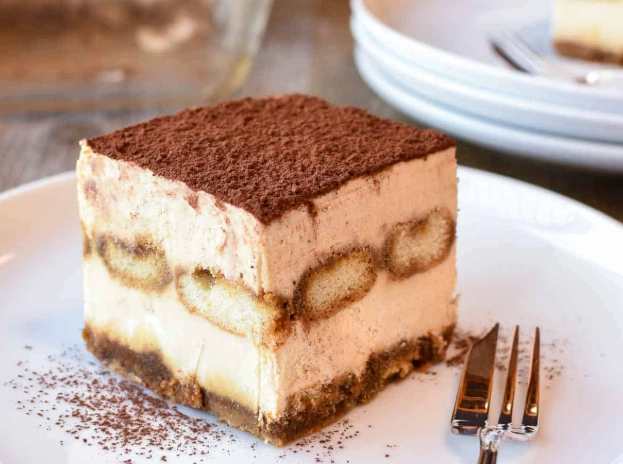
Mascarpone vs. Everything Else: Mascarpone isn't just Italian cream cheese. It's made from cream and citric or tartaric acid, giving it a higher fat content (up to 75%) and a much milder, sweeter flavor than American cream cheese, which is made from milk and culture and has a tangier taste. Substituting cream cheese will give you a completely different, tangier dessert. For authenticity, mascarpone is non-negotiable. The Italian government's agricultural food quality site, ISMEA, details the strict production zones and methods for many Italian cheeses, highlighting their unique characteristics.
The Raw Egg Question (Seriously): This is the biggest hang-up for people. The risk of salmonella is very low, especially with fresh, high-quality eggs. The sugar in the sabayon and the alcohol in the coffee mixture also create a slightly hostile environment for bacteria. If you are pregnant, elderly, or immunocompromised, use the pasteurized-in-shell eggs available in many supermarkets or opt for the cooked alternatives mentioned above. The USDA provides guidelines on egg safety for those who want to be extra cautious.
Coffee Concentration: Why is strong coffee so important? It's about balance. The intense, bitter notes of a good espresso are necessary to counteract the profound sweetness and richness of the mascarpone cream. A weak coffee gets lost, making the dessert taste one-dimensional and overly sweet. A resource like Serious Eats often explores the food science behind such flavor interactions, explaining why certain balances are crucial in classic recipes.
Common Pitfalls & How to Sidestep Them
Even with this best tiramisu recipe, things can go sideways if you're not careful. Here’s my list of "don'ts" learned from hard experience.
- Soggy Bottom Layer: Caused by over-soaking the ladyfingers. It's a dip, not a swim. Quick in-and-out.
- Grainy or Split Filling: Usually from over-beating the mascarpone (which has delicate fat structures) or adding cold mascarpone to warm eggs. Soften it slightly and fold, don't whip.
- Dense, Heavy Cream: You deflated the egg whites. Fold them in gently with a spatula, no mixers allowed at this stage.
- Not Sweet Enough / Too Bitter: Likely due to weak coffee or not enough sugar in the cream. Taste your coffee mixture—it should be strong and sweet. The final dessert won't taste as sweet as the cream alone.
- Not Setting: Didn't chill long enough. Patience is key. Overnight is golden.
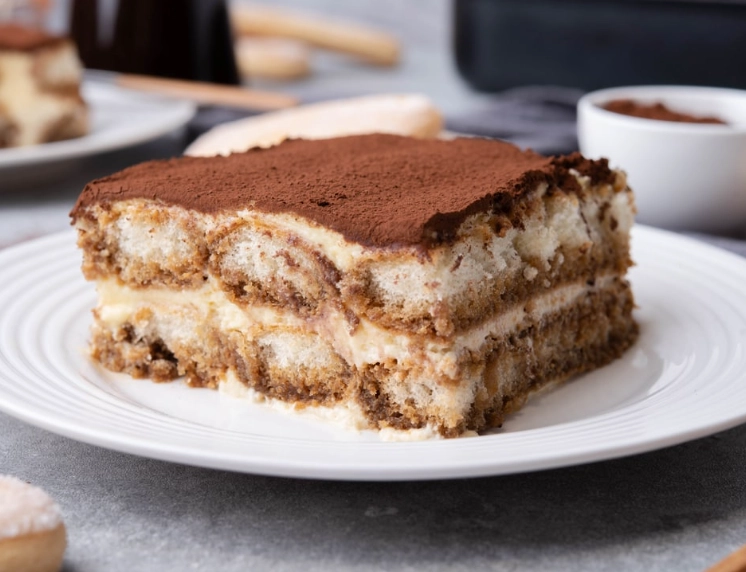
The difference between a good tiramisu and the best tiramisu is measured in seconds (the dip) and hours (the chill).
Wrapping It Up: Your Path to Tiramisu Glory
So, there you have it. My entire journey, all my mistakes, and every tip I've gathered distilled into one comprehensive guide. This best tiramisu recipe is more than a list of steps; it's a blueprint for understanding a classic. It respects tradition while giving you the knowledge to execute it flawlessly.
Is it the easiest dessert? Maybe not the very easiest, but it's far from the hardest. And the payoff—the looks on people's faces when they take that first bite—is absolutely worth the care you put into it. You're not just making a dessert; you're creating an experience.
Print this. Bookmark it. Save it for your next dinner party, holiday, or just a Tuesday when you need a spectacular treat. Follow the steps, respect the ingredients, and trust the process. You are now equipped to make not just a tiramisu, but the best tiramisu you—and anyone you serve it to—have ever tasted.
Now go forth, and get your mascarpone. Your perfect tiramisu awaits.