Quick Navigation
- Why Filipino Food Deserves a Spot in Your Kitchen
- The Non-Negotiables: Your Filipino Pantry Starter Kit
- The Top 3 Filipino Recipes You Absolutely Must Master First
- Beyond the Basics: Regional Gems to Explore
- Answering Your Filipino Recipe Questions (The Stuff You Actually Google)
- Let's Get Practical: A Week of Filipino Dinners
- The Final Simmer: Your Next Steps
So you want to cook Filipino food. Maybe you tried it at a party, saw it on a travel show, or your partner's family is Filipino and you need to impress them. Whatever the reason, you're here because you know there's more to it than just Adobo (though Adobo is amazing). Let's be real, the first time I tried to make Sinigang, I used the wrong tamarind product and it tasted... well, let's just say it was an interesting experiment. The point is, I learned from my mistakes so you don't have to.
Filipino cooking isn't about fancy techniques or expensive ingredients. It's about comfort, big flavors, and making the most of what you have. It's the food of family gatherings, Sunday lunches that stretch into dinner, and dishes that somehow taste even better the next day. The best Filipino recipe is often the one passed down, with measurements like "a handful" or "until it looks right." But don't worry, we'll break it down.
Why Filipino Food Deserves a Spot in Your Kitchen
I think a lot of people get intimidated because the names sound unfamiliar. Pancit, Kare-Kare, Dinuguan... it can feel like a lot. But when you look at the ingredients, you'll find a lot of them are already in your supermarket. Filipino cuisine is this incredible fusion of its indigenous roots with centuries of Malay, Chinese, Spanish, and even American influence. The result? Dishes that are uniquely familiar and excitingly new at the same time.
And let's talk about practicality. Many classic Filipino recipes are one-pot wonders or dishes built for slow cooking. They're designed to feed a crowd or to be made ahead. In other words, they're perfect for real life.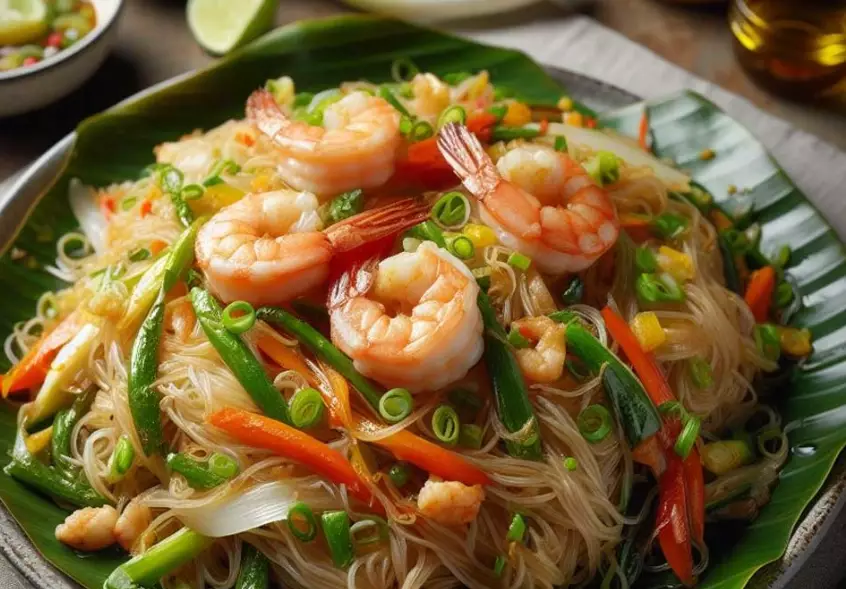
The Non-Negotiables: Your Filipino Pantry Starter Kit
You can't build a house without a foundation, and you can't cook Filipino food without a few key players. You don't need everything at once. Start with these core items and your world (or at least your dinner menu) will expand dramatically.
The Sauce & Seasoning All-Stars
If your cupboard has these, you're halfway to making a dozen different Filipino recipes.
- Soy Sauce: Not the low-sodium kind for this. You want the full-flavored, dark Japanese or Filipino brand like Silver Swan or Datu Puti. This is your main salt source.
- Vinegar: Sukang Iloko (cane vinegar) is traditional, but white distilled vinegar works in a pinch. The acidity is crucial for that signature Filipino tang and for preservation.
- Fish Sauce (Patis): Don't be scared. It doesn't make your food taste fishy; it adds a deep, savory, umami saltiness. A few drops can transform a soup or stir-fry.
- Calamansi or Lemon/Lime: Filipino food often gets a fresh, bright finish. Calamansi is a local citrus, but a mix of lemon and lime juice is a decent substitute.
The Aromatics & Produce You'll Use Constantly
Garlic, onions, and ginger. You'll chop more of these three things than anything else. Filipino cooking starts with a gisa—a sauté of garlic and onions (and sometimes ginger) in oil until golden and sweet. This base is non-negotiable for depth of flavor.
Then there's the tomato. In many stews, you'll sauté tomatoes down until they almost melt into the oil, creating a rich, slightly sweet foundation.
The Top 3 Filipino Recipes You Absolutely Must Master First
Start here. These are the pillars. Master these, and you'll not only have delicious meals but also understand the core techniques of the cuisine.
Chicken Adobo: The National Dish for a Reason
Calling it a "soy sauce chicken stew" is a massive disservice. A good Filipino chicken adobo recipe is a perfect balance. The chicken simmers in a mixture of soy sauce, vinegar, loads of garlic, bay leaves, and peppercorns. The vinegar isn't overpowering; it melds with the soy to create a rich, tangy, savory sauce that's incredible over rice.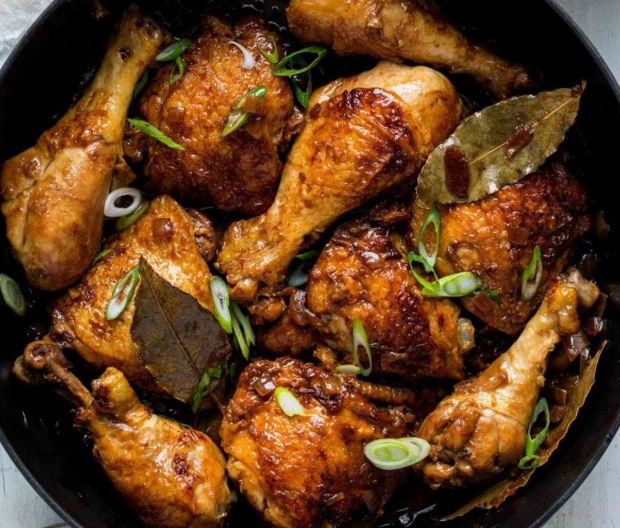
The secret? Don't stir it after adding the vinegar until it comes to a boil. Let the vinegar's sharpness cook off. And my personal preference: I like to brown the chicken pieces well after simmering, then pour the reduced sauce back over. It adds a caramelized layer that I think is way better.
Pork Sinigang: The Ultimate Sour Soup
If Adobo is the hearty favorite, Sinigang is the comforting embrace. This is a tamarind-based sour soup, usually with pork ribs or belly, loaded with vegetables like radish, string beans, and water spinach (kangkong). The sourness is clean and appetizing, not harsh.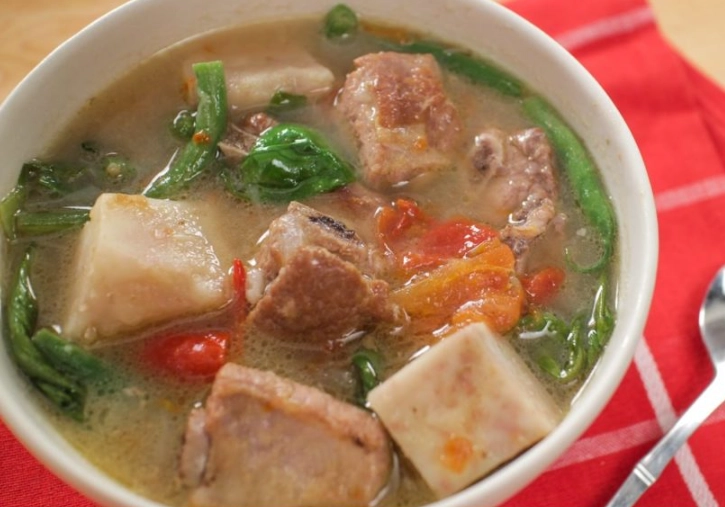
You can find tamarind soup base mix ("Sinigang Mix") in any Asian store, and honestly, most Filipino households use it for convenience. It's a great cheat. But if you want the truly authentic route, you can use real tamarind pods or tamarind paste. The Department of Tourism of the Philippines even highlights Sinigang as a culinary must-try for visitors, which tells you how central it is to the food identity.
The beauty of this Filipino recipe is its flexibility. Use shrimp (Sinigang na Hipon), fish, or even chicken. Throw in whatever veggies you have. The constant is that refreshing, tangy broth.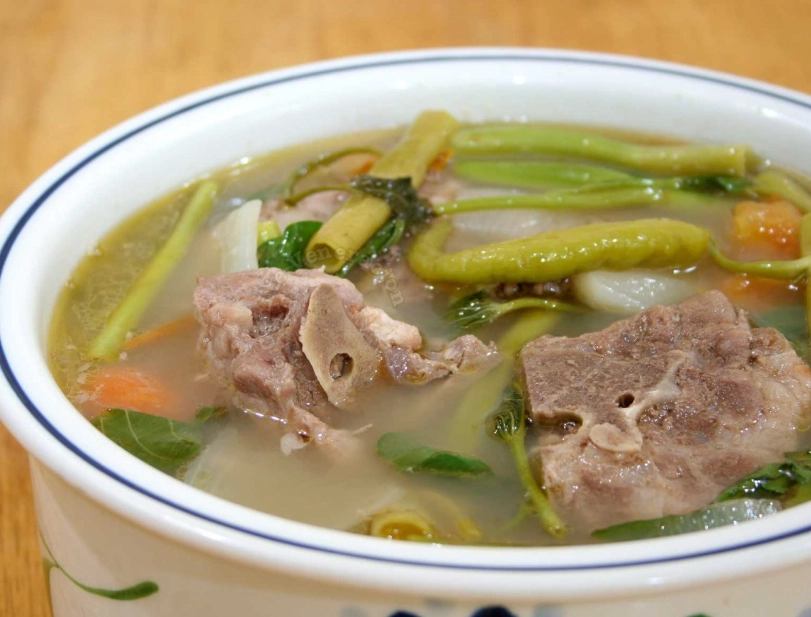
Pancit Canton: The Birthday Noodle Stir-Fry
No Filipino birthday is complete without Pancit, symbolizing long life. Pancit Canton is the stir-fried noodle version, with chicken, shrimp, vegetables, and a savory, slightly sweet sauce. It's a complete meal in one wok.
The technique is similar to other stir-fries: cook the meat, set aside, sauté veggies, add the liquid and seasonings, then toss in the pre-soaked noodles. The key is not to overcook the noodles—they should have a slight chew. And a big squeeze of calamansi or lemon at the end is mandatory.
It's a fantastic Filipino recipe for a weeknight because it comes together fast and feeds many.
Beyond the Basics: Regional Gems to Explore
Once you're comfortable, the real adventure begins. The Philippines is an archipelago of over 7,000 islands, and the food changes from region to region.
A Quick Tour of Regional Specialties
The north is known for its salty, fermented flavors. The Bicol region loves coconut milk and spicy chilies. The Visayas are masters of seafood and sour soups. Mindanao has beautiful influences from neighboring Muslim cultures. Trying a Filipino recipe from a different region is like taking a mini culinary trip.
For example, Bicol Express (named after a train) is a fiery stew of pork in coconut milk with lots of chilies. It's creamy, spicy, and addictive. Then there's Kare-Kare, a rich oxtail and tripe stew in a thick, savory peanut sauce, served with a side of fermented shrimp paste (bagoong). It sounds wild, but the combination is magical.
If you're looking for authentic, well-researched details on these regional dishes, sites like Ang Sarap (which translates to "It's Delicious") offer deep dives into the history and variations.
Answering Your Filipino Recipe Questions (The Stuff You Actually Google)
I've scoured forums and groups. Here are the real questions people have when they're starting out.
Q: Is Filipino food always spicy?
A: Not at all! Unlike its Thai or Korean neighbors, mainstream Filipino food is not defined by heat. Chilies are often served on the side as a condiment (like siling labuyo with soy sauce and calamansi). Dishes like Bicol Express are the exception, not the rule.
Q: I don't eat pork. Can I still cook Filipino food?
A: Absolutely. While pork is popular, there's a huge variety of chicken, beef, seafood, and vegetable dishes. Chicken Adobo, Fish Sinigang, Ginataang Manok (chicken in coconut milk), and vegetable lumpia are all fantastic.
Q: My Adobo sauce is too thin/too salty/too sour. Help!
A: This is the most common kitchen panic. Too thin? Let it simmer uncovered to reduce. Too salty? Add a pinch of sugar or a peeled potato to absorb some salt (remove it later). Too sour? A tiny bit of brown sugar can balance it. Remember, the sauce will concentrate as it reduces.
Q: Where can I buy authentic ingredients?
A: Any well-stocked Asian supermarket will have a Filipino section. For online options, stores like Filipino Food Store ship nationwide. For produce like fresh kangkong or calamansi, you might have luck at local Filipino or Southeast Asian grocery stores.
Let's Get Practical: A Week of Filipino Dinners
Theory is great, but what does it look like on a busy Tuesday? Here’s a simple plan. It uses overlapping ingredients so you're not wasting anything.
| Day | Dish | Why It Works | Key Ingredients Used |
|---|---|---|---|
| Monday | Chicken Adobo | Make a big batch. It tastes better tomorrow. | Chicken, soy sauce, vinegar, garlic |
| Tuesday | Adobo Leftovers & Garlic Rice | Fry leftover adobo in its own oil, serve with rice sautéed with yesterday's garlic. | Leftover adobo, rice, extra garlic |
| Wednesday | Pancit Canton | Quick stir-fry. Use any leftover chicken from adobo. | Noodles, veggies, leftover meat, soy sauce |
| Thursday | Simple Sinigang | Use pork chops or shrimp. The sour broth is a nice change. | Pork/shrimp, sinigang mix, veggie pack |
| Friday | Tortang Talong (Eggplant Omelette) | Grill or roast eggplants, mix with egg, pan-fry. Easy, veggie-focused. | Eggplant, eggs, onion |
See? It's totally doable. You're not cooking a feast every night. You're cooking smart, flavorful food.
The Final Simmer: Your Next Steps
Don't try to cook everything at once. Pick one Filipino recipe that calls to you—maybe it's the iconic Adobo or the comforting Sinigang. Read a few different versions online to get a sense of the commonalities and variations. Then, just start.
Gather your ingredients, put on some music, and don't stress about perfection. My first Adobo was way too vinegary, and my first Pancit was a bit soggy. You learn. You adjust. That's how cooking, especially home-style cooking like this, works.
Remember, resources are out there. For cultural context and traditional methods, the National Commission for Culture and the Arts of the Philippines website has fascinating articles on culinary heritage. It adds a layer of understanding that makes the cooking experience richer.
So, what are you waiting for? Your kitchen is about to smell amazing.