Quick Guide Highlights
- Before You Even Start Cooking: Picking and Prepping
- The Core Cooking Methods: A Side-by-Side Comparison
- Building Your Flavor Arsenal: From Simple to Spectacular
- Let's Get Practical: Three Can't-Fail Fine Beans Recipes
- Answering Your Fine Beans Questions
- Taking It Further: Fine Beans as the Main Event
- Wrapping It Up: Your Fine Beans Confidence
Let's talk about fine beans. You know, those slender, elegant green pods you see at the farmer's market or hiding in the crisper drawer. They're not just another vegetable. Get them right, and they're a crisp, sweet, vibrant side that can steal the show. Get them wrong... well, we've all had those soggy, greyish beans that make you push your plate away. I remember a disastrous attempt years ago where I boiled them into oblivion for a "healthy" dinner. Let's just say it was not a hit.
But that's the thing about a good fine beans recipe – it's simple in theory, but the devil's in the details. Do you boil, steam, or sauté? How long is too long? And what on earth do you pair them with? This isn't about one single recipe. It's about unlocking the potential of this humble ingredient, giving you the confidence to turn it into something you're actually excited to eat. Whether you're looking for a quick weeknight side or a standout dish for guests, understanding how to handle fine beans is half the battle.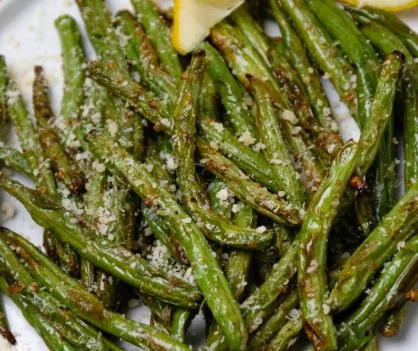
Quick Reality Check: "Fine beans," "green beans," "string beans," "haricots verts" – they're all close cousins. Haricots verts are typically the thinner, more delicate French variety, while standard green beans are a bit heartier. For most fine beans recipes, they're interchangeable, but cooking times might shift by a minute or two. Don't stress over the label at the store.
Before You Even Start Cooking: Picking and Prepping
You can't build a great house on a shaky foundation, and the same goes for your fine bean dish. Starting with good beans is non-negotiable.
Look for beans that are firm, snap cleanly when bent, and have a vibrant green color (or a rich purple or yellow if you're going for heirloom varieties). Avoid any that are limp, have brown spots, or look wilted. The seeds inside shouldn't be bulging through the pod – that's a sign they're past their prime and will be tough and stringy. I made that mistake once, buying a bargain bag that felt a bit flexible. The result was chewy and lacked that fresh sweetness, no matter what recipe I tried.
To Trim or Not to Trim?
This is the universal first step for any fine beans recipe. You need to remove the stem end. The pointed tip is usually tender and can be left on. The old-school method is to snap them off one by one. It's meditative, but for a big batch, it's a chore. The pro move? Line up a handful on your cutting board and slice off the stems with one clean cut. Fast, efficient, done.
What about "stringing"? Modern varieties are often bred to be stringless, but if you encounter an older variety or find a fibrous thread running along the seam, just snap the stem and pull it down the length of the bean. It should come off easily.
Common Prep Mistake: Don't just dump them in a colander and run water over the top. Fill a large bowl with cold water, add the beans, and swish them around. Any dirt or tiny critters will sink to the bottom. Lift the beans out, drain, and pat them very dry with a clean kitchen towel if you plan to sauté or roast. Water is the enemy of a good sear.
The Core Cooking Methods: A Side-by-Side Comparison
This is where your fine beans recipe takes shape. The method you choose defines the texture and flavor. Here’s a breakdown of the most common ways to cook them, so you can pick the right tool for the job.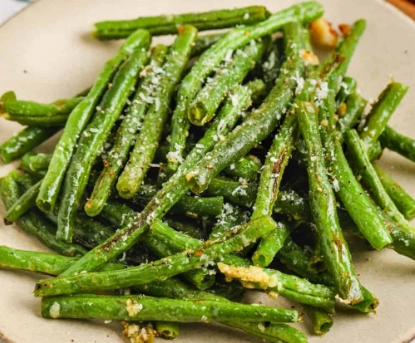
| Method | Best For... | Key to Success | Texture Result | My Personal Take |
|---|---|---|---|---|
| Blanching & Shock-ing | Salads, crudité platters, meal prep (to finish later). | Plenty of salted boiling water, a big bowl of ice water ready. | Crisp-tender, bright green, perfect every time. | The most reliable technique, hands down. A little fussy but foolproof. |
| Sautéing / Pan-Frying | Quick, flavorful weeknight sides. Getting a bit of color. | Hot pan, dry beans, don't crowd the pan. High heat. | Tender with slight caramelization and bite. | My go-to for a 10-minute side. Feels chef-y with minimal effort. |
| Roasting | Deep, concentrated flavor, hands-off cooking. Crowd-pleaser. | Toss well with oil, space on sheet pan, high oven temp (425°F/220°C). | Wilted, slightly shriveled, with sweet, roasted spots. | Transforms them completely. The lazy cook's best friend. |
| Steaming | Maximum nutrient retention, delicate flavor. | Use a steamer basket, keep water level below beans, lid on tight. | Very tender but can become soft if overdone. | Honestly, my least favorite. Can taste a bit plain and gets soggy fast. |
| Braising | Comfort food, integrating with other flavors (tomatoes, broth). | Low and slow with flavorful liquid. | Very soft, almost melt-in-your-mouth. | A winter winner. Turns beans into a hearty component. |
See? It's not just "boil some beans." Each path leads somewhere different. For a classic, bright side dish, blanching is your bedrock. For a quick toss in a pan with garlic, sautéing is the way. Want something that almost tastes like candy? Roast them.
Building Your Flavor Arsenal: From Simple to Spectacular
Okay, you've cooked your beans to the right texture. Now what? This is where a basic fine beans recipe becomes your recipe. Think of the beans as a fantastic canvas.
The Universal Finishing Touch: No matter how you cook them, toss the hot beans with a little good-quality fat (olive oil, butter, toasted sesame oil) and an acid (lemon juice, vinegar) while they're still warm. They absorb the flavors so much better. Season with salt and pepper after cooking for the best taste.
The Flavor Families
You can group most additions into a few reliable categories. Mix and match within a family, or be bold and combine across them.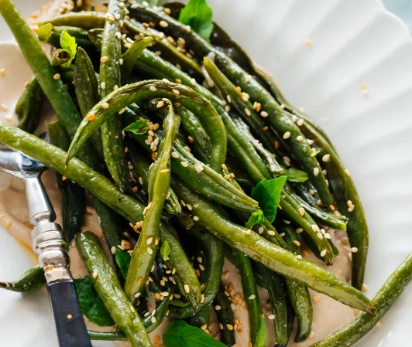
The Classic Aromatics: This is where 90% of great fine beans recipes start. Minced garlic (added towards the end of cooking so it doesn't burn), shallots, or thin slices of onion sautéed in your fat of choice. Simple, timeless, effective.
The Nutty & Crunchy: Texture contrast is everything. Toasted slivered almonds, chopped walnuts, pecans, or pine nuts. Sesame seeds (white or black) are a quick win. Breadcrumbs toasted in a little olive oil or butter with herbs ("pangrattato") are insanely good sprinkled on top.
The Salty & Savory: These are your flavor amplifiers. Grated Parmesan or Pecorino cheese (toss it on while hot so it melts a little). Crumbled feta or goat cheese for a creamy tang. Crispy fried shallots or onions (store-bought are a great pantry hack). Anchovy fillets melted into your cooking oil for an umami bomb (don't knock it till you've tried it).
The Herby & Fresh: The bright finish. Chopped fresh parsley, dill, chives, tarragon, or basil. A tablespoon or two of pesto stirred through at the end. Thinly sliced fresh mint with lemon zest.
I used to just do garlic and butter. Fine, but boring. Now, my favorite quick combo is sautéed beans finished with a squeeze of lemon, a handful of toasted almond slices, and a shower of chopped parsley. It feels fancy but takes two extra minutes.
Let's Get Practical: Three Can't-Fail Fine Beans Recipes
Enough theory. Here are three concrete starting points that cover different moods and meal types. Treat these as templates.
The Weeknight Hero: Garlic & Lemon Sautéed Fine Beans
This is the fine beans recipe you'll make on autopilot. It goes with everything—chicken, fish, steak, tofu.
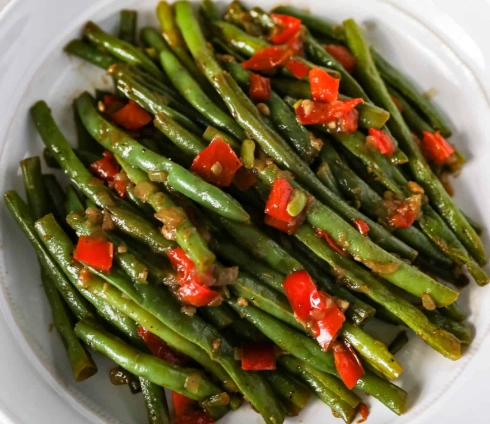
Trim a pound of beans. Heat a large skillet or wok over medium-high heat. Add a tablespoon of olive oil. Once hot, add the beans (make sure they're dry!) and spread them out. Let them sit for a minute to get a little color, then stir-fry for 4-6 minutes until they're tender-crisp and spotted with brown. Reduce heat, push beans to the side, add another teaspoon of oil and 2-3 minced garlic cloves. Cook for 30 seconds until fragrant, then mix everything together. Off the heat, stir in a big pinch of salt, a few grinds of black pepper, the zest and juice of half a lemon, and a knob of butter if you're feeling indulgent. Toss, taste, adjust. Done.
Why this works: High heat develops flavor fast. The garlic doesn't burn because you add it late. The acid at the end wakes everything up.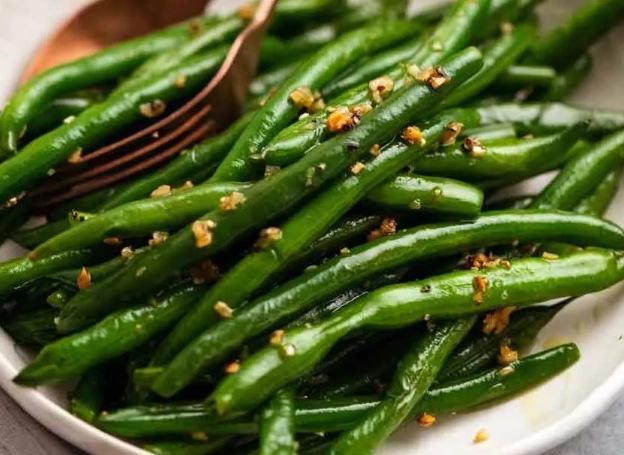
The Crowd-Pleaser: Balsamic & Bacon Roasted Fine Beans
For when you need a side dish that people actually remember. The oven does most of the work.
Preheat your oven to 425°F (220°C). On a large rimmed baking sheet, toss trimmed beans with a tablespoon of olive oil, salt, and pepper. Spread them out in a single layer—overcrowding steams them. Scatter over 3-4 slices of thick-cut bacon, chopped into small pieces. Roast for 15-20 minutes, stirring halfway, until the beans are tender and the bacon is crispy. Drizzle with a tablespoon of good balsamic vinegar (or glaze) and toss immediately. The heat will make the vinegar slightly syrupy. Finish with some chopped fresh thyme if you have it.
Honestly, the bacon fat does something magical here. It's not an everyday health food, but for a treat or a holiday meal, it's unbeatable. You could substitute chopped pancetta or even torn pieces of prosciutto.
The Make-Ahead Star: Blanched Fine Beans with Herb & Almond Pesto
Perfect for potlucks, picnics, or having a ready-to-go vegetable in the fridge. This method locks in color and texture.
Bring a large pot of well-salted water to a rolling boil (it should taste like the sea). Have a large bowl of ice water ready. Add the trimmed beans to the boiling water. Cook for 3-4 minutes until just tender but still with a snap. Immediately use a slotted spoon to transfer them to the ice bath. Let them cool completely, then drain and pat very dry. This stops the cooking and sets that gorgeous green color. You can store them like this in the fridge for 2-3 days. To serve, toss with a simple pesto: blend a cup of fresh basil, a quarter cup of toasted almonds, a small garlic clove, a quarter cup of grated Parmesan, and enough olive oil to make a coarse paste. Season. Toss with the cold beans. They can be served cool or at room temperature.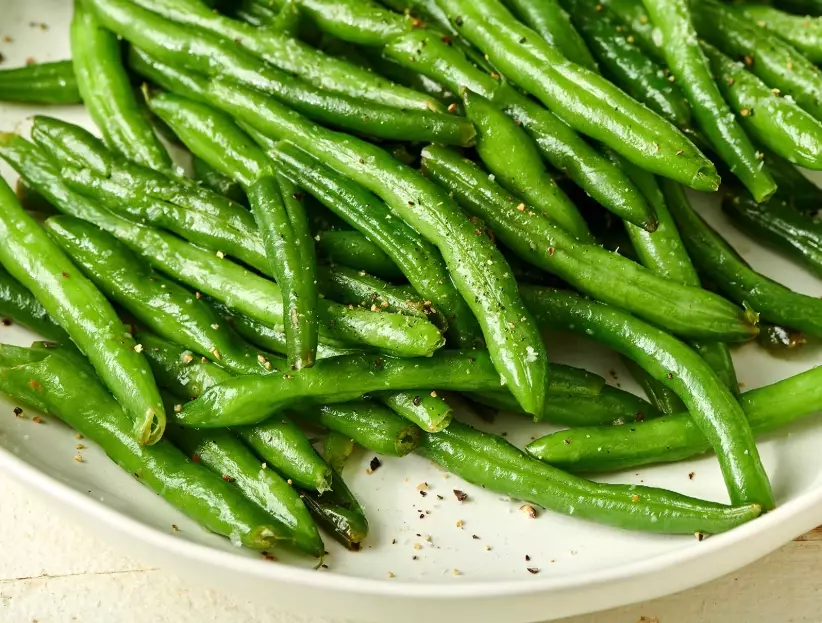
This is my secret for stress-free entertaining. I blanch the beans the morning before, make the pesto, and just combine them an hour before guests arrive. Zero last-minute cooking.
Answering Your Fine Beans Questions (The FAQ Bit)
You've got questions. I've either had them myself or seen them pop up a hundred times in cooking forums. Let's tackle some common head-scratchers.
Taking It Further: Fine Beans as the Main Event
We've mostly talked sides, but why stop there? A well-executed fine beans recipe can absolutely be the center of your plate.
Think about a hearty salad: Combine chilled blanched beans with chickpeas, cherry tomatoes, red onion, olives, and chunks of feta. Dress with a lemon-oregano vinaigrette. Add some grilled halloumi or a boiled egg on top, and you've got a full meal.
Or a stir-fry: Quickly stir-fry beans with sliced bell peppers, mushrooms, and tofu or shrimp in a ginger-soy sauce. Serve over rice or noodles.
They also work beautifully in a pasta. Sauté beans with garlic and chili flakes, toss with cooked pasta, a splash of pasta water, lemon zest, and plenty of Parmesan. It's light but satisfying.
My point is, don't box them into the "side dish" category in your mind. They have the substance and character to play a bigger role.
Storage Tip No One Tells You: Don't wash beans before storing. The moisture speeds up decay. Place unwashed, dry beans in a loosely sealed plastic bag or container lined with a paper towel (to absorb any condensation) in the crisper drawer. They'll last 4-5 days this way. Washed beans? Maybe 2-3.
Wrapping It Up: Your Fine Beans Confidence
So there you have it. More than just a single fine beans recipe, but a whole toolkit. You know how to pick them, the core ways to cook them, how to flavor them, and even how to make them the star.
The real secret? Practice and taste. Cook a batch simply. Taste one straight out of the pan. Is it tender? Does it have flavor? Adjust next time. Maybe you like them softer than I do. Maybe you want more garlic. That's the beauty of cooking vegetables—it's personal.
Start with the simple garlic sauté. Master that. Then try roasting them with just oil and salt. Once you're comfortable, start playing with the flavor families. Add some nuts one night, some fresh herbs the next.
Before long, you won't be searching for a fine beans recipe online. You'll just open the fridge, see the beans, and know exactly what to do with them. And that's the goal, isn't it? Turning simple ingredients into something you genuinely enjoy, without the stress or the guesswork. Now go on, give those beans the delicious treatment they deserve.