So you bought a jar of tahini. Maybe you were making hummus, or perhaps a recipe caught your eye. Now it's sitting in your fridge, and you're staring at it, wondering what on earth to do next. You're not alone. That rich, nutty, slightly bitter paste is a powerhouse waiting to be unleashed. Forget everything you think you know about tahini being a one-trick pony for dips. We're going far beyond that.
Let's be real for a second. Most tahini recipes online are either too complicated, require ingredients you don't have, or are just... boring. Another hummus recipe? Yawn. Another dressing? It's fine. But tahini can be the secret ingredient that transforms a simple weeknight meal into something memorable. The key is understanding its two personalities: raw and roasted. And most beginners, even some experienced cooks, miss this crucial point.
What You'll Find in This Guide
Tahini Sauce & Dressing Variations: The Foundation
Every great tahini recipe starts with a great sauce. It's the base. Get this wrong, and your dish suffers. The most common error I see, even in published recipes from reputable sources, is not adjusting for the tahini brand. Tahini, especially when raw, can vary wildly in bitterness and thickness. The Soom brand, for instance, tends to be milder and creamier right out of the jar. A cheaper supermarket brand might be grittier and more bitter. The fix? Always, always taste your tahini base alone before adding anything else. Adjust your acid (lemon juice or vinegar) and salt accordingly.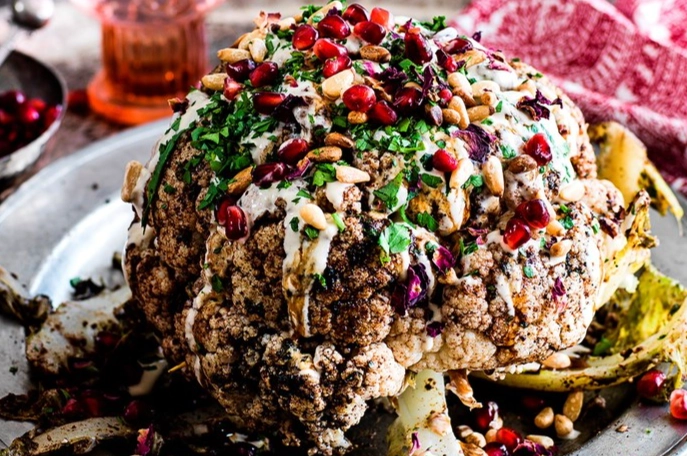
Here's my go-to ratio for a classic, all-purpose tahini sauce that works on almost everything:
- 1/2 cup tahini (stirred well)
- 1/4 cup fresh lemon juice (not from concentrate)
- 1-2 cloves of garlic, minced or pressed
- 1/4 teaspoon of sea salt
- 2-4 tablespoons of ice-cold water
Whisk the tahini and lemon juice together first. It will seize up and look like a broken mess. Don't panic. That's normal. Now, slowly add the water, one tablespoon at a time, while whisking constantly. It will smooth out into a creamy, pale sauce. The amount of water you need can vary by brand and oil separation, so add until you reach a consistency you like. For a thicker sauce for falafel or sandwiches, use less water. For a thinner dressing for salads or grain bowls, use more.
But that's just the classic. Let's talk variations.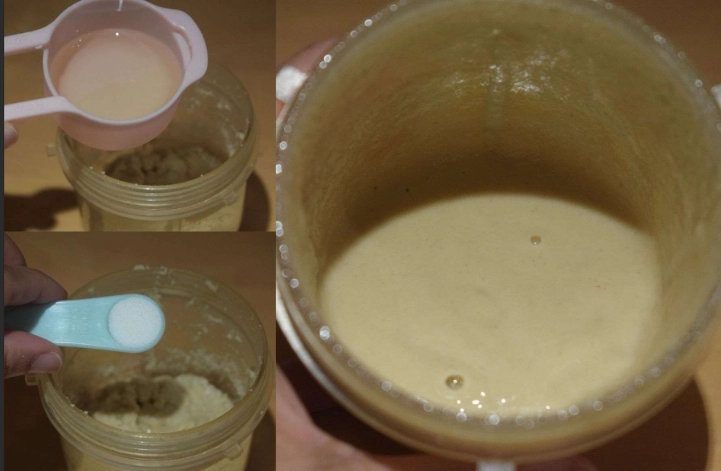
How to Fix a Broken Tahini Sauce
It happens. You add the water too fast, or your tahini was too cold, and now you have a grainy, separated mess. I've thrown away more "failed" sauces than I care to admit before I learned this trick: warmth and patience. Instead of starting over, take a small amount of the broken sauce in a separate bowl. Add a tiny drop of hot water (just a drop) and whisk it vigorously. Then, slowly whisk this emulsified paste back into the main batch. It acts as an emulsifier and will bring the whole thing back together.
The Creamy, Herby Route
This is where tahini becomes a magic binder for herbs. Think of it as a blank canvas. For a vibrant green sauce perfect for roasted vegetables or grilled fish, blend in a large handful of fresh parsley, a smaller one of cilantro, a sprig of mint, and a green onion. Add a pinch of cumin for warmth. This sauce freezes exceptionally well, too.
The Zesty, Garlic-Lover's Dream
Roast a whole head of garlic until it's soft and caramelized. Squeeze the cloves into your tahini base. The roasted garlic loses its sharp bite and becomes sweet, nutty, and profoundly deep. It changes the entire character of the sauce, making it incredible for dipping crusty bread or as a spread on sandwiches. Add a touch of smoked paprika or a squeeze of fresh lemon juice to brighten it up.
Savory Main Dishes (Where Tahini Shines)
Now, let's move beyond the sauce. Tahini can be the secret ingredient in your main course. The mistake most people make here is using it as a flavoring, not as a structural component. It adds richness and depth, not just a nutty taste. In marinades, for example, its emulsifying properties help the sauce cling to meat and vegetables, creating a better crust.
Let's look at three categories.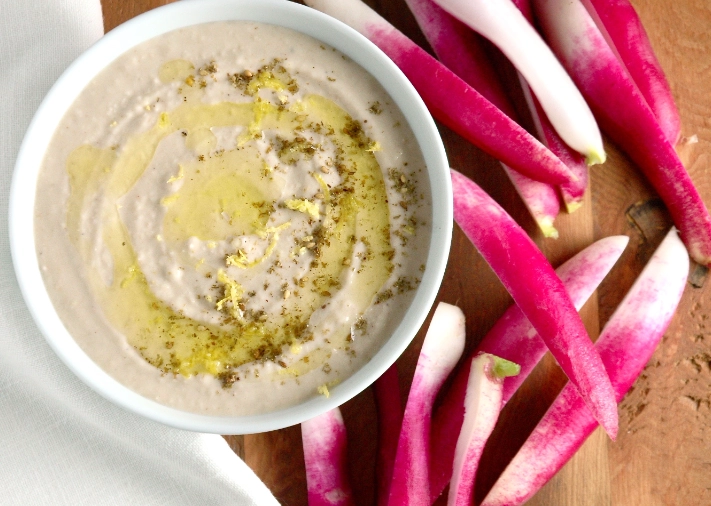
1. The Quick & Easy Weeknight Savior: Tahini Glazed Salmon
This is a 20-minute meal, I promise. The key is to create a glaze that won't burn under the broiler or in a hot pan. Mix your tahini sauce base with a tablespoon of maple syrup or honey, a teaspoon of Dijon mustard, and a pinch of black pepper. Brush it onto salmon fillets in the last 5-7 minutes of cooking. The sugars in the syrup or honey will caramelize, creating a sticky, sweet, and savory crust that is out of this world. Serve it with a simple side of steamed broccoli and lemon wedges. The tahini acts as a barrier, keeping the salmon incredibly moist inside.
2. The Cozy Comfort Food: Creamy Tahini Pasta
Forget heavy cream sauces. This is healthier and, in my opinion, more satisfying. Reserve a cup of the starchy pasta water before you drain your pasta. In the same pot you cooked the pasta in, add your tahini sauce base. It will be thick. Now, slowly add the hot, starchy pasta water while whisking constantly. The starch in the water will loosen the sauce and help it emulsify into a silky, creamy texture that coats every strand of pasta. Toss your drained pasta in this sauce. The result is a rich, nutty, and deeply savory pasta that feels indulgent without the dairy.
3. The Showstopper for Guests: Tahini Roasted Cauliflower Steaks
This is a personal favorite and a guaranteed crowd-pleaser. Slice a head of cauliflower into thick "steaks." Toss them in your tahini sauce base, making sure they're well coated. Roast at a high temperature (425°F or 220°C) until the edges are deeply caramelized and the centers are tender. The tahini forms a crust that locks in the moisture and creates an incredible umami flavor. Serve these steaks over a bed of quinoa or lentils with a fresh herb salad on top. It's vegan, it's impressive, and it's surprisingly simple.
Sweet Treats (The Surprising Use)
This is where tahini recipes get truly interesting. Tahini in desserts? Absolutely. Its natural bitterness can balance out cloying sweetness, and its fat content adds richness without a heavy dairy feel. It's the secret ingredient in some of the best halva you'll ever taste, but it also works in cookies and brownies.
The biggest mistake I see people make is using tahini as a direct substitute for nut butters in baking without adjusting the liquid. Tahini has more oil. If your cookie recipe calls for 1/2 cup of peanut butter, using 1/2 cup of tahini straight across might make the dough too wet. Start by replacing only half of the nut butter in a recipe with tahini and see how it behaves. You might need to reduce another liquid (like milk or water) slightly.
My favorite tahini dessert recipe is for tahini chocolate chip cookies. The tahini makes them incredibly chewy in the center with a slightly crisp edge. The flavor is complex, not just sweet. It's a cookie that makes adults pause and ask, "What is in these?"
How to Store Tahini & Spot When It's Gone Bad
This is a pet peeve of mine. Storing tahini in the fridge is not always the best answer. The cold can actually accelerate the separation of the natural oils and make it harder to stir. If you use your tahini regularly (within a few months), storing it in a cool, dark pantry is often perfectly fine. The oil separation is natural. Just stir it back in. The rule of thumb is: if it smells off, has mold, or has changed color dramatically, toss it. But a little bit of oil on top? That's just natural separation. Stir it.
To prevent the separation in the first place, some chefs recommend turning the jar upside down for a day or two after opening to redistribute the oils. I find that a good, vigorous stir with a chopstick or knife does the trick just fine.
The One Tahini Mistake Everyone Makes
And here is the non-consensus opinion, the one that most blogs and recipe sites won't tell you: everyone treats tahini as a single ingredient. It's not. The raw versus roasted debate is real, but the real secret lies in the sesame seeds themselves and how long they were ground. A tahini made from hulled sesame seeds (like most commercial brands) will be lighter in color and milder in flavor than one made from unhulled seeds. The unhulled version will have a darker color, a more bitter taste, and a higher nutritional content (more fiber and calcium). This isn't just a minor detail; it changes the entire flavor profile of your dish. Using a dark, bitter tahini in a delicate lemon dressing will overpower the dish. Using a mild, creamy tahini in a robust, spicy meat marinade might get lost. You have to match the tahini to the recipe. Most recipes don't specify. They just say "tahini." That's a mistake. For dressings and dips where the tahini flavor is front and center, I always reach for a high-quality, well-blended hulled tahini from a brand I trust (like Soom or Seed + Mill). For cooking, where it's more of a background note, a standard supermarket brand is often perfectly fine. But know the difference. Taste your tahini straight off the spoon. Know its character. Then decide where it belongs.
Your Tahini Questions, Answered
 Can I substitute peanut butter for tahini in recipes?