What's Inside
- Why Getting Your Beef Steak Recipe Right Matters
- Step 1: Picking the Perfect Steak
- Step 2: Prepping Your Steak Like a Pro
- Step 3: Mastering the Cooking Process
- Step 4: Nailing the Doneness
- Step 5: The Often-Forgotten Steps: Resting and Slicing
- Common Beef Steak Recipe Blunders (And How to Dodge Them)
- Your Beef Steak Recipe Questions, Answered
- My Personal Beef Steak Recipe Journey and Final Thoughts
I still cringe thinking about my first attempt at a beef steak recipe. I was in college, feeling fancy, and decided to impress a date with a homemade steak dinner. I grabbed a cheap cut from the grocery store, tossed it on a screaming hot pan, and flipped it like a pancake. What emerged was a charred, leathery disaster that we ended up ordering pizza instead. That humiliation lit a fire under me—I was determined to crack the code of the perfect beef steak recipe. And after years of experimenting, reading obsessively, and even burning a few more steaks along the way, I’ve gathered all the secrets here. This isn’t just another dry tutorial; it’s the guide I wish I had back then.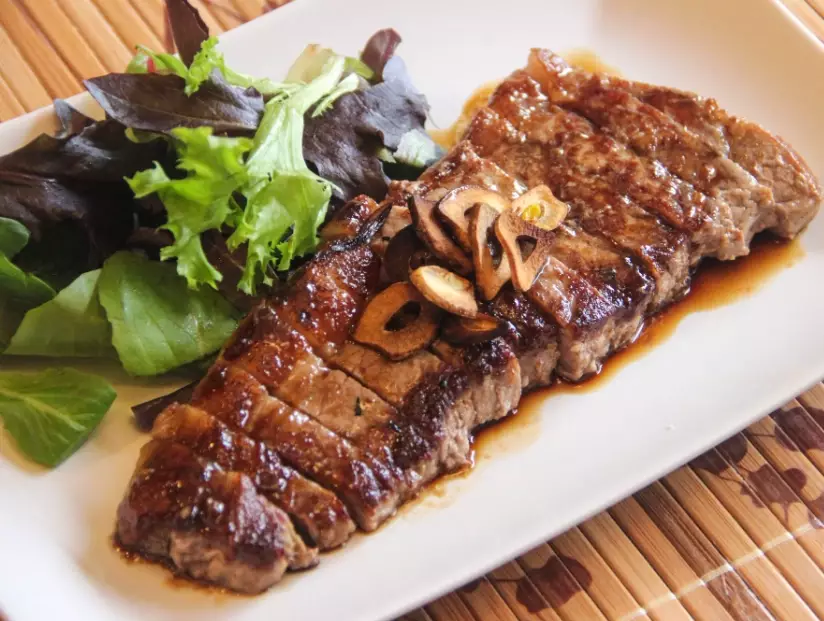
You know, cooking steak seems straightforward until you actually try it. Why does it turn out dry sometimes? Why doesn’t it have that juicy, tender bite like at a steakhouse? The truth is, a great beef steak recipe isn’t about fancy tricks—it’s about understanding the basics and avoiding common slip-ups. Let’s dive in.
Why Getting Your Beef Steak Recipe Right Matters
Steak is one of those foods that feels like a treat. When it’s good, it’s incredible—juicy, flavorful, and satisfying. When it’s bad, it’s a waste of money and effort. A solid beef steak recipe can turn a routine dinner into something special, whether you’re cooking for yourself or hosting friends. But here’s the thing: most people overcomplicate it. They focus on marinades or fancy tools, but the real magic happens in the details—the cut, the heat, the timing. I’ve seen so many blogs skip the fundamentals, and that’s where this guide fills the gap.
Step 1: Picking the Perfect Steak
If you start with a mediocre steak, even the best beef steak recipe won’t save it. This step is crucial, yet it’s where most beginners stumble. Let’s break it down.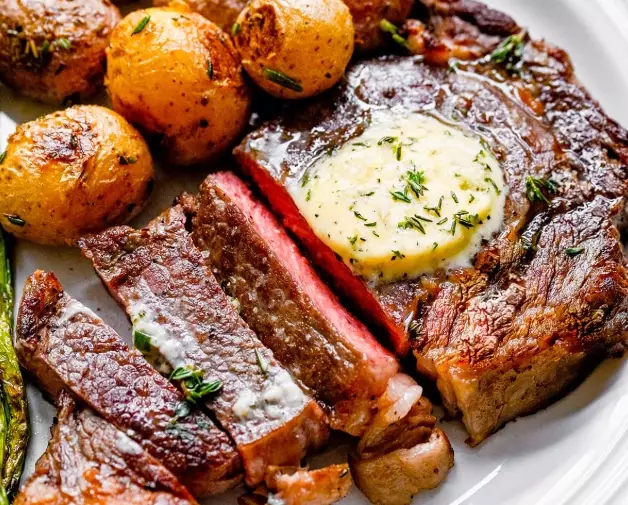
Beef Cuts 101: From Ribeye to Filet Mignon
Not all steaks are created equal. The cut determines everything—flavor, tenderness, and how you should cook it. Here’s a quick rundown of the most popular ones for home cooking.
| Cut | Best For | Flavor Profile | Fat Content | My Personal Take |
|---|---|---|---|---|
| Ribeye | Pan-searing or grilling | Rich, buttery, juicy | High (marbled) | My go-to for flavor—if you’re new to beef steak recipes, start here. |
| New York Strip | Grilling or broiling | Beefy, firm, less fatty | Medium | Great balance of tenderness and taste, but can dry out if overcooked. |
| Filet Mignon | Pan-searing with oven finish | Mild, very tender | Low | Overrated in my opinion—it’s soft but lacks the punch of a ribeye. |
| Sirloin | Quick pan-frying | Lean, hearty | Low to medium | Budget-friendly, but needs careful cooking to avoid toughness. |
| Flank Steak | Marinating and grilling | Intense, grainy | Low | Perfect for fajitas, but slice it thin against the grain or it’ll chew like rubber. |
See, picking a cut isn’t just about price—it’s about matching it to your cooking style. For a classic beef steak recipe, I’d recommend ribeye or strip steak. They’re forgiving and packed with flavor.
Understanding Beef Grades: What Does "Prime" Really Mean?
You’ve probably seen labels like Prime, Choice, and Select at the store. These are USDA grades based on marbling (the little white flecks of fat inside the meat). Marbling is key because it melts during cooking, basting the steak from within and keeping it juicy. According to the USDA’s official grading standards, Prime has the most marbling, followed by Choice, then Select. For most home cooks, Choice is the sweet spot—it’s widely available and delivers great results without breaking the bank. Prime is fantastic, but honestly, unless you’re splurging for a special occasion, Choice works beautifully in any beef steak recipe.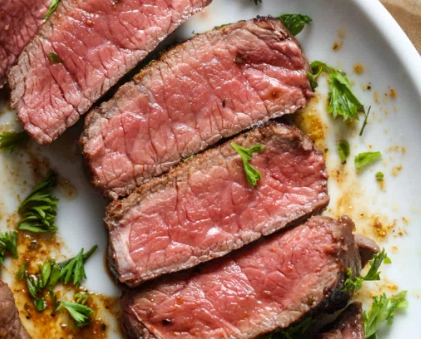
Step 2: Prepping Your Steak Like a Pro
Preparation is where the magic starts. And no, it’s not just about slapping on salt and pepper. There’s a bit of science here, but I’ll keep it simple.
The Great Debate: To Marinate or Not?
Marinating can add flavor, but it’s not always necessary. For tender cuts like ribeye or filet, a dry brine (just salting ahead of time) works wonders. For tougher cuts like flank or skirt steak, a marinade with acid (like vinegar or citrus) can help break down fibers. But here’s my hot take: many marinades are overhyped. They often don’t penetrate deeply, and if you leave them too long, they can make the meat mushy. For a basic beef steak recipe, I skip marinades and rely on good seasoning and cooking.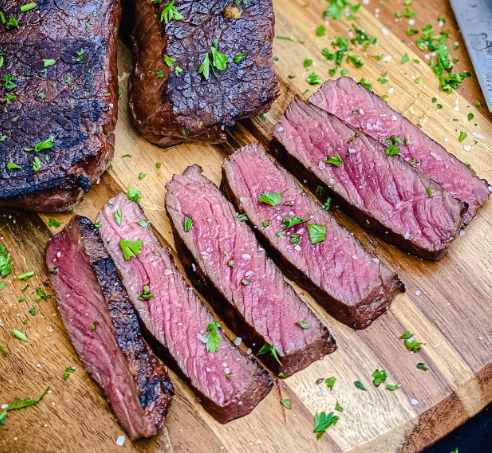
Salt, Pepper, and Beyond: Seasoning Secrets
Seasoning might seem trivial, but it’s a game-changer. Salt draws out moisture initially, but then it gets reabsorbed, enhancing flavor throughout. I salt my steaks at least 40 minutes before cooking—or even overnight in the fridge for thicker cuts. Pepper can burn at high heat, so I add it after searing. And don’t be shy with the salt! Steak needs a generous amount to taste right. I’ve made the mistake of undersalting, and the result is bland no matter how good your beef steak recipe is.
Step 3: Mastering the Cooking Process
This is the heart of any beef steak recipe. The method you choose depends on your tools and preferences. Let’s explore the most effective ways.
Pan-Searing: The Stovetop Champion
Pan-searing is my favorite for weeknight dinners. It’s fast, controllable, and gives a gorgeous crust. Here’s how I do it: Heat a heavy skillet (cast iron is ideal) over medium-high heat until it’s smoking hot. Add a high-smoke-point oil like avocado or canola. Pat the steak dry—this is critical for a good sear. Place the steak in the pan and don’t touch it for 2-3 minutes to form a crust. Flip once, then cook to your desired doneness. For thicker steaks, I finish in a 400°F oven for even cooking. This method works for almost any beef steak recipe, and it’s foolproof once you get the hang of it.
Grilling: For That Authentic Charred Flavor
Grilling adds a smoky depth that’s hard to replicate indoors. Preheat your grill to high heat. Clean the grates well to prevent sticking. Place the steak on the grill and close the lid—this helps with even cooking. Flip only once, and use a meat thermometer to avoid guesswork. The downside? Weather can ruin your plans, and flare-ups can char the exterior too quickly. But when done right, grilled steak is unbeatable. For a comprehensive guide on grilling techniques, Weber’s official grilling guide has reliable tips from experts.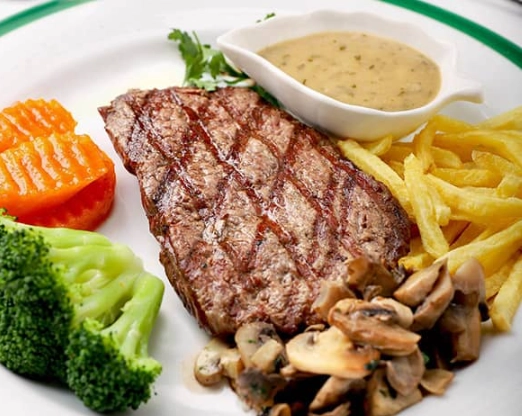
Oven Techniques: Reverse Sear and Broiling
If you want perfectly even doneness, the reverse sear is a game-changer. It involves cooking the steak low and slow in the oven first, then searing it in a hot pan at the end. This method is fantastic for thick cuts (2 inches or more) because it eliminates the gray band of overcooked meat around the edges. Set your oven to 250°F, place the steak on a rack, and cook until it’s about 10-15°F below your target temperature. Then, sear it quickly in a pan. It takes longer, but the results are worth it for a special occasion beef steak recipe. Broiling is another option—it’s like an upside-down grill—but it requires close monitoring to avoid burning.
Step 4: Nailing the Doneness
This is where most beef steak recipes fall short—they rely on vague timings or the “touch test.” But let’s be real: that touch method is tricky and inconsistent. A meat thermometer is your best friend. Here’s a quick reference table based on USDA recommended temperatures for safety and doneness.
| Doneness | Internal Temperature (°F) | Description | My Advice |
|---|---|---|---|
| Rare | 125-130 | Cool red center, very juicy | Great for high-quality cuts, but not for everyone. |
| Medium Rare | 130-135 | Warm red center, juicy | The sweet spot for most steak lovers—tender and flavorful. |
| Medium | 135-145 | Warm pink center, slightly less juicy | Still good, but starts to lose some tenderness. |
| Medium Well | 145-155 | Slightly pink, firmer | I avoid this—it often turns dry and tough. |
| Well Done | 160+ | No pink, very firm | Please don’t do this to a good steak unless you have to. |
Remember, the steak will continue cooking after you remove it from heat (called carryover cooking), so pull it off when it’s 5°F below your target. For a beef steak recipe to be reliable, invest in a good digital thermometer—it’s a small price for perfect results every time.
Step 5: The Often-Forgotten Steps: Resting and Slicing
I used to skip resting because I was impatient. Big mistake. When you cook steak, the juices rush to the center. If you cut into it immediately, all those juices spill out, leaving you with a dry steak. Resting allows the juices to redistribute throughout the meat. For a standard 1-inch steak, rest for 5-10 minutes under loose foil. For thicker cuts, aim for 10-15 minutes. It feels like forever when you’re hungry, but trust me, it makes a world of difference in your beef steak recipe outcome.
Slicing matters too. Always slice against the grain—that means cutting perpendicular to the long muscle fibers. This shortens the fibers, making each bite tender. For cuts like flank or skirt steak, this is non-negotiable. For ribeye or strip, it still improves the eating experience.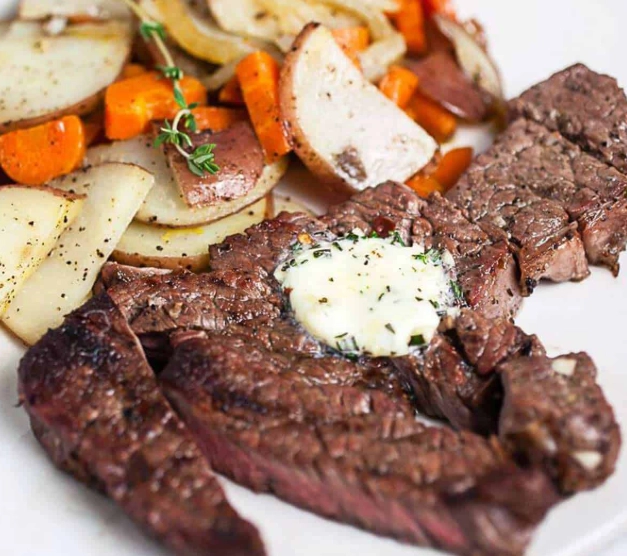
Common Beef Steak Recipe Blunders (And How to Dodge Them)
We all make mistakes, but learning from them can save your steak. Here’s a list of pitfalls I’ve encountered—and how to avoid them.
- Not patting the steak dry: Moisture on the surface steams instead of sears, leading to a gray, soggy crust. Always dry it thoroughly with paper towels.
- Moving the steak too much: Flipping constantly prevents a good crust. Leave it alone for a few minutes per side.
- Using a cold pan: If the pan isn’t hot enough, the steak will stew in its juices. Wait until it’s properly hot—you should see light smoke.
- Skipping the thermometer: Guessing doneness is a recipe for overcooking. Even experienced chefs use thermometers.
- Cutting to check doneness: This releases juices and dries out the steak. Use a thermometer instead.
I’ve been guilty of all these at some point. The worst was when I used a non-stick pan for searing—it couldn’t handle the high heat and left the steak without a crust. Stick to cast iron or stainless steel for the best beef steak recipe results.
Your Beef Steak Recipe Questions, Answered
Over the years, I’ve gotten tons of questions from friends and readers. Here are the most common ones, with straightforward answers.
My Personal Beef Steak Recipe Journey and Final Thoughts
Looking back, my steak-cooking evolution has been messy but rewarding. From that first burnt disaster to now being able to whip up a reliable beef steak recipe without stress, it’s all about practice and paying attention. I’ve learned that the best tools are simple: a good pan, a thermometer, and quality ingredients. Don’t get bogged down by trends—focus on the fundamentals.
One last thing: cooking steak should be fun, not intimidating. Experiment with different cuts and methods. Maybe you’ll love grilling, or maybe pan-searing will become your jam. The key is to start with a solid beef steak recipe like this one, then tweak it to your taste. And if you mess up? Hey, it’s just steak—there’s always next time. Now go cook something amazing.