Quick Navigation
Let's be honest. We've all been there. You spend good money on a nice-looking piece of beef, follow a recipe you found online, and end up with something that's either tough as leather or just... boring. It's frustrating, right? I remember the first time I tried to cook a ribeye. I was so proud of myself for buying a "good cut," but I treated it like a cheap roast, cooked it for way too long, and ended up with a gray, chewy disappointment. My dog was the only happy one that night.
That experience sent me down a rabbit hole. I talked to butchers, read old cookbooks, and burned more than a few steaks in the process. But what I learned changed everything. Cooking great beef isn't about fancy tricks or expensive equipment. It's about understanding a few simple things that most recipes gloss over.
First Things First: Knowing Your Beef Cuts
This is the single biggest mistake home cooks make. They see "beef" and think it's all the same. It's not. Choosing the wrong cut for your cooking method is a recipe for disaster (pun intended). A cut perfect for a quick sear will turn to rubber in a slow cooker, and a tough cut meant for braising will be bland and dry if you try to grill it fast.
Think of it like tools. You wouldn't use a screwdriver to hammer a nail. Same with beef.
The Quick-Cooking, Tender Cuts (The Steak Stars)
These come from muscles that don't work hard, like the middle of the cow's back. They're naturally tender, expensive, and best cooked quickly with high heat. This is where your classic steak recipes live.
- Filet Mignon/Tenderloin: The most tender, but also the least flavorful. It's mild and buttery. Great for people who dislike "beefy" flavor or for special occasions with a rich sauce.
- Ribeye: My personal favorite for flavor. It's marbled with fat, which melts during cooking and makes it incredibly juicy and rich. The cap of the ribeye is arguably the best bite on the cow.
- Strip Steak (New York Strip): A great balance of tenderness and robust beef flavor. Less fat than a ribeye, so it's a bit leaner but still very satisfying.
- T-Bone/Porterhouse: The best of both worlds—a strip steak on one side of the bone and a piece of tenderloin on the other. The Porterhouse has a larger tenderloin section.
The Tough, Flavor-Packed Cuts (The Braising & Slow-Cooking Champions)
These come from hard-working muscles like the shoulder, leg, and chest. They're full of connective tissue (collagen) and deep beefy flavor. They're also much more affordable. The magic happens with low, slow, moist heat, which transforms that tough collagen into unctuous, mouth-coating gelatin. This is the heart of hearty, comforting beef recipes.
- Chuck: The king of the slow cooker. Chuck roast, chuck steak, flat iron steak (which is a tenderized part of the chuck). Perfect for pot roast, beef stew, and barbacoa.
- Brisket: The holy grail of BBQ. It's a dense, fatty cut that requires patience. Smoked low and slow is the classic method, but it also makes incredible braised dishes.
- Shank: Incredibly flavorful and gelatinous, famous for dishes like Osso Buco. It's all about the bone marrow.
- Round: A very lean cut from the back leg. It can be tough if not handled correctly. Often used for London Broil (marinated and cooked quickly to medium-rare, then sliced thinly against the grain).
See the pattern? Tough cuts are cheap and flavorful but need time and moisture. Tender cuts are pricey and cook fast with dry heat. Get this right, and 80% of your problems are solved.
The Science of the Sear: Mastering Steak Cooking Methods
So you've picked a beautiful ribeye. Now what? The goal is a dark, crispy crust and a perfectly cooked interior from edge to edge. Here’s how the pros do it, and the real differences between methods.
| Method | Best For | The Process (Simplified) | My Honest Take |
|---|---|---|---|
| Cast Iron Skillet | Thick-cut steaks (1.5 inches+), achieving the ultimate crust. | Pat steak dry. Sear in screaming hot, oiled pan for 2-3 mins per side. Add butter, garlic, herbs and baste. Finish in a hot oven if very thick. | My go-to method. The crust is unbeatable, and the butter basting adds insane flavor. Your kitchen will get smoky. |
| Grilling (Charcoal/Gas) | Flavor infusion, thinner steaks, entertaining. | Create two zones: hot direct heat and cooler indirect heat. Sear over direct heat, then move to indirect to finish cooking to temp. | Charcoal wins on flavor, hands down. Gas is about convenience. Don't just throw it on high heat and walk away—you'll have a charred outside and raw inside. |
| Reverse Sear | Foodies, perfectionists, very thick cuts (2 inches+). | Slow-cook steak in a low oven (250°F) until it's 10-15°F below your target temp. Then, sear it brutally fast in a hot pan or grill to finish. | It sounds fussy, but it's foolproof for perfect doneness edge-to-edge. The best method for expensive, thick steaks. Requires a meat thermometer. |
| Sous Vide | Absolute precision, meal prepping, impossible-to-overcook results. | Vacuum-seal steak with seasonings, cook in a temperature-controlled water bath to the exact desired doneness (e.g., 130°F for medium-rare). Pat very dry and sear hard. | The most consistent results possible. The steak is perfect inside, but getting a good crust afterward requires serious effort (a super hot pan or a torch). |
No matter your method, two non-negotiable rules:
- Let it come to room temp. Take your steak out of the fridge 30-60 minutes before cooking. A cold center means an overcooked edge.
- Let it REST. After cooking, tent it with foil and let it sit for 5-10 minutes. This allows the juices, which have rushed to the center, to redistribute. If you cut it immediately, all those juices end up on your plate, not in your meat.
From Basic to Brilliant: Essential Beef and Steak Recipes
Let's put this knowledge into practice. Here are foundational recipes that teach you techniques you can use forever.
The Weeknight Hero: Pan-Seared Ribeye with Garlic-Herb Butter
This is the cornerstone of simple, fantastic steak recipes. It teaches you searing, basting, and resting.
What you'll learn: How to build flavor in the pan.
Key Step: After the initial sear, lower the heat, add butter, crushed garlic, and herbs like rosemary or thyme. Tilt the pan and spoon the foaming butter continuously over the steak for a minute. This cooks the steak gently and infuses it.
My tweak: Add a splash of Worcestershire sauce to the butter at the end. It adds a savory, umami punch that cuts the richness.
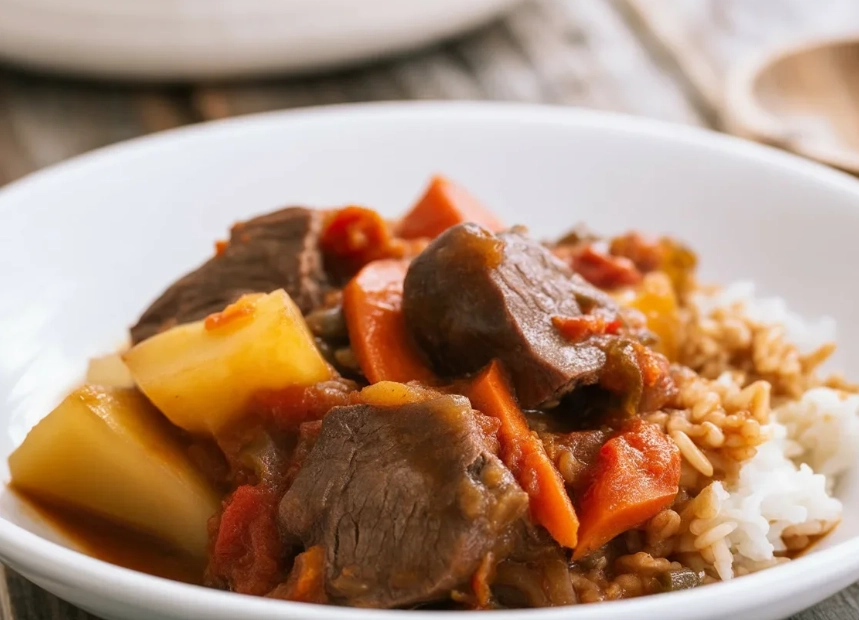
The Comfort King: All-Day Beef Chuck Pot Roast
The ultimate hands-off, feeds-a-crowd beef recipe. It teaches you the power of low and slow cooking and building layers of flavor.
What you'll learn: The importance of searing meat before braising (it's not just for color—it creates fond, the flavor base for your sauce), and how vegetables break down to thicken a sauce naturally.
Key Step: After removing the seared roast, sauté onions, carrots, and celery. Add a tablespoon of tomato paste and cook until it darkens slightly. Deglaze with red wine, scraping up all the browned bits (the fond). That's pure flavor.
My tweak: A spoonful of fish sauce or a couple of anchovies melted in with the veggies. Sounds crazy, but it adds a deep, savory backbone that nobody will identify but everyone will love.
The Game Changer: Reverse-Seared Thick-Cut Strip Steak
This method will make you feel like a pro. It’s the most reliable way to cook a perfect, thick steak.
What you'll learn: Oven control and the importance of a final, hard sear.
Key Step: Using a meat thermometer. Cook in a 250°F oven until the internal temperature is about 115°F for rare or 125°F for medium-rare. Then, sear in a ripping-hot cast-iron skillet with oil for just 45-60 seconds per side to develop the crust.
My tweak: Season the steak heavily with kosher salt the night before and leave it uncovered on a rack in the fridge. This "dry brine" seasons the meat deeply and dries the surface for an even better crust.
Answering Your Beef and Steak Recipe Questions (FAQ)
How do I make my steak tender like a restaurant?
Three things: 1) Buy the right cut. A chuck steak will never be as tender as a filet, no matter what you do. 2) Don't overcook it. Use a thermometer. Medium-rare to medium (130-145°F) is the sweet spot for tenderness in most steaks. 3) Slice against the grain. Look at the lines of muscle fibers on the cooked steak. Cut perpendicular to those lines. This shortens the fibers, making each bite much easier to chew. This is crucial for tougher cuts like flank or skirt steak.
What's the best marinade for steak?
For tender cuts, a simple marinade of oil, acid (like lemon juice or vinegar), and herbs for 1-2 hours is plenty. For tougher cuts, you want an enzyme-based marinade to help break down tissue. This includes ingredients like pineapple, papaya, kiwi, or ginger. But be careful—marinate too long (more than a few hours), and the enzymes will turn the meat surface mushy. For flavor, a simple soy sauce, brown sugar, and garlic marinade works wonders on flank or skirt steak.
Is it worth buying aged beef?
Dry-aged beef has a concentrated, nutty, almost funky flavor and is incredibly tender due to enzymatic breakdown. It's a special occasion experience and comes with a special occasion price tag. For 90% of home cooking, a good quality, fresh Choice or Prime grade steak is more than sufficient. Wet-aged beef (vacuum-sealed and aged in its own juices) is what you mostly find in supermarkets—it's tender but doesn't develop the complex flavor of dry-aging.
How can I use cheaper cuts for quick meals?
This is a great question. Look for cuts that butchers have already tenderized or that are thin. Skirt steak and flank steak are lean, flavorful, and cook in minutes if you marinate them and slice thinly against the grain. They're perfect for fajitas, stir-fries, and salads. Flat iron steak is a hidden gem from the chuck that's surprisingly tender and great for quick grilling.
Taking It Further: Flavor Boosters and Common Pitfalls
Now for the fun stuff—the little touches that elevate your beef and steak recipes from good to "can I have the recipe?"
Flavor Boosters
- Umami Bombs: Add a dash of soy sauce, Worcestershire, fish sauce, or powdered mushrooms to rubs, marinades, or pan sauces. They deepen the savory flavor without being identifiable.
- Compound Butter: Mix softened butter with minced herbs, garlic, shallots, lemon zest, or blue cheese. Place a slice on top of a hot steak and let it melt. Instant sauce.
- Finishing Salts: A sprinkle of flaky sea salt (like Maldon) or a smoked salt on a cooked steak just before serving adds texture and a burst of salinity that enhances everything.
Pitfalls to Avoid
- Using a Non-Stick Pan for Searing: You can't get it hot enough without damaging the pan or creating fumes. Use cast iron, carbon steel, or stainless steel.
- Overcrowding the Pan: If you're cooking multiple steaks or pieces of beef, give them space. Crowding creates steam and prevents browning. Cook in batches.
- Not Patting the Meat Dry: Moisture is the enemy of browning. Always pat your beef dry with paper towels before it hits the pan or grill.
- Guessing Doneness: Stop guessing. A basic instant-read thermometer is the best $20 you'll spend in the kitchen. For authoritative food safety guidelines, the USDA recommends a minimum safe temperature of 145°F for whole cuts of beef, followed by a 3-minute rest.
Look, cooking beef can seem intimidating with all the rules and jargon. But at its core, it's about heat, time, and a bit of understanding. Start with one cut and one method. Master it. Maybe it's that pan-seared ribeye. Once you've nailed it, the confidence spills over into everything else.
So, what are you waiting for? Go pick a cut, grab your pan or fire up your grill, and put these ideas to the test. Your next great beef dinner is waiting.