Quick Guide
- Before You Start: The Pho Philosophy
- Gathering Your Arsenal: The Ingredients Breakdown
- The Process: Building Flavor, Layer by Layer
- The Beef Selection Guide: What to Use and Why
- Assembly: The Final Act
- The Garnish Plate: It's Not Just Decoration
- Answering Your Beef Pho Recipe Questions
- Wrapping It Up: Your Homemade Pho Journey
Let's be honest. Most of us have had a life-changing bowl of beef pho at some point. That steaming, fragrant broth, the silky rice noodles, the tender slices of beef—it's pure comfort in a bowl. But for the longest time, making it at home felt like trying to solve a delicious, aromatic mystery wrapped in an enigma. Restaurant pho was magic, and my home attempts were... well, sad soup.
I'm not a professional chef, just someone who got obsessed. After years of tweaking, consulting with Vietnamese friends' grandmas (bless them), and more than a few cloudy broths, I've finally cracked the code. This isn't a quick 30-minute hack. A proper beef pho recipe demands time and respect. But the payoff? Unbeatable. You get a pot of liquid gold that’s deeply personal and infinitely better than most takeout. This guide is everything I wish I'd known when I started.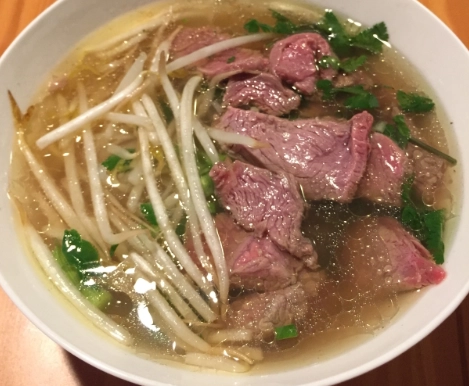
Here's the truth bomb: The soul of pho isn't the beef or the noodles. It's the broth. Everything else is an accessory. If you nail the broth—clear, fragrant, deeply savory with a hint of sweetness and spice—you're 90% there. Don't rush it.
Before You Start: The Pho Philosophy
Think of this as a weekend project, a ritual. You're not just cooking; you're building layers of flavor. The process is meditative. You'll char, you'll simmer, you'll skim. There's no single "correct" authentic pho recipe, as families guard their secrets fiercely, but the principles are universal.
One common mistake? Overloading with star anise. It can make your broth taste like licorice medicine. Balance is key. Another? Using only water. We need a foundation of meaty, bone-based goodness.
Gathering Your Arsenal: The Ingredients Breakdown
This isn't your average grocery list. A trip to an Asian market is highly recommended, not just for authenticity but for cost. Bones are cheap there.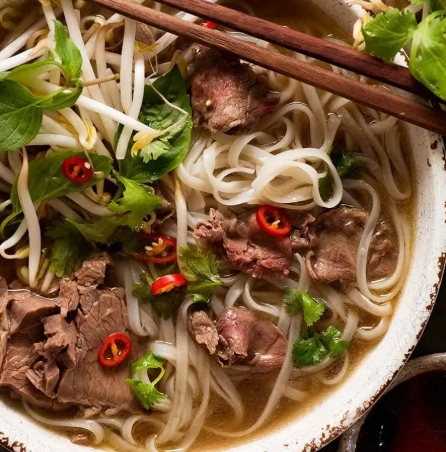
The Foundation: Bones & Meat
You want a mix for depth and clarity.
- Beef Bones: Marrow bones (like leg or knuckle) are non-negotiable. They release gelatin, giving the broth body and a slightly sticky mouthfeel. Ask the butcher to cut them into 2-3 inch pieces.
- Meaty Bones: Oxtail or beef neck bones add a deeper, meatier flavor. They have less marrow but more connective tissue and meat.
- Beef for Serving: This is where you get creative. You'll need very thinly sliced raw beef (like sirloin, flank, or eye of round). The hot broth cooks it instantly. You might also want some cooked beef brisket or meatballs for texture variety.
Pro tip: Blanching the bones is NOT optional. It's the most crucial step for a clear broth. You boil them for 10-15 minutes, dump that murky, scummy water, and rinse the bones clean. It removes impurities that would otherwise cloud your broth forever. Trust me, I've skipped it. The result was a grey, off-tasting soup. Never again.
The Aromatic Soul: Spices & Aromatics
Don't use pre-ground powder. Whole spices are essential.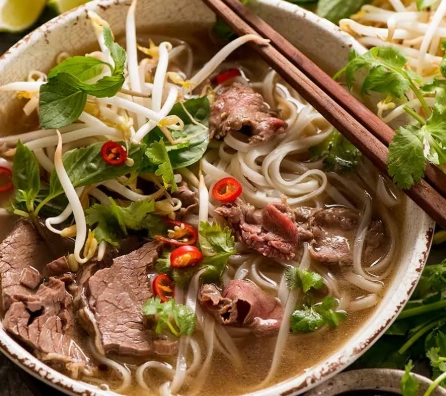
The Spice Bag (Tied in cheesecloth):
- Star Anise (3-4 stars): The signature fragrance. Use good quality ones.
- Cinnamon Stick (1 large): A warm, sweet base note.
- Cloves (4-5): Use sparingly. They're potent.
- Cardamom Pods (2-3, lightly crushed): Adds a citrusy, floral complexity.
- Coriander Seeds (1 tbsp): Provides a lemony, earthy undertone.
- Fennel Seeds (1 tsp): Optional, but adds a sweet hint.
The Fresh Aromatics:
- Onions & Ginger: Two yellow onions and a large hand of ginger (about 4 inches). We don't chop them. We char them until blackened on an open gas flame, grill, or under the broiler. This smoky, sweet depth is irreplaceable. Scrub off the worst of the black bits after.
- Fish Sauce: This is your salt. Use a good quality Vietnamese brand like Red Boat or Three Crabs. It adds umami, not fishiness.
- Rock Sugar: (or yellow rock sugar) A small piece balances the savory with a subtle, rounded sweetness. White sugar can work in a pinch but lacks depth.
The Process: Building Flavor, Layer by Layer
Here's the step-by-step. Read it through first.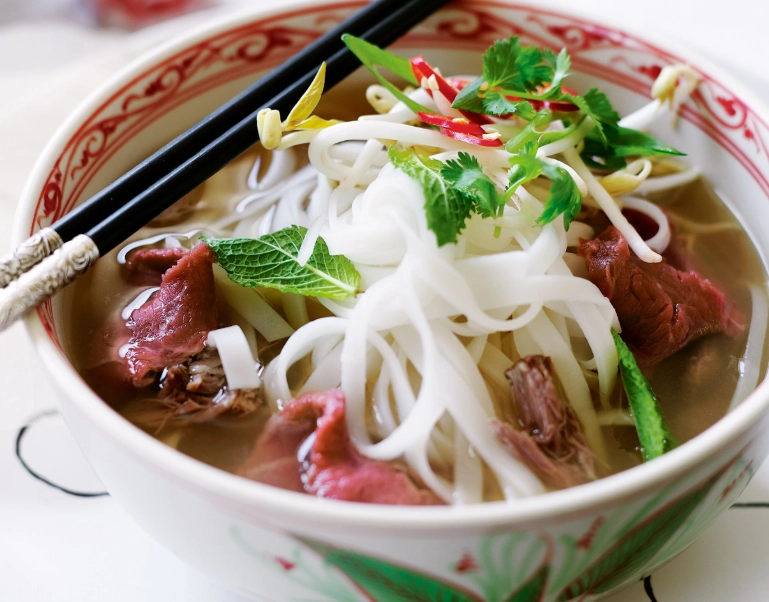
Phase 1: The Broth (The Long Simmer)
1. Blanch the Bones: Cover all your bones with cold water in the largest pot you own. Bring to a rolling boil. Let it boil violently for 10-15 minutes. You'll see a lot of grey/brown foam. Dump everything into the sink, rinse the bones under cold water, and scrub the pot clean. This step is boring but sacred.
2. Char the Aromatics: While the bones blanch, char your onions and ginger. Get them good and black in spots. Let them cool, then rinse and lightly scrape. No need to be perfect.
3. The Simmer: Return the cleaned bones to the clean pot. Cover with about 6 quarts of fresh, cold water. Bring to a gentle boil, then immediately reduce to the barest simmer—a few lazy bubbles breaking the surface. Skim off any foam that appears in the first 30 minutes.
4. Add the Flavors: Add the charred onions, ginger, spice bag, rock sugar, and a generous splash of fish sauce (start with 1/4 cup). Let it all simmer, uncovered, for at least 6 hours, preferably 8-12. Yes, really. The low heat extracts flavor without emulsifying fat and impurities into the broth. Top up with hot water if the level drops too much.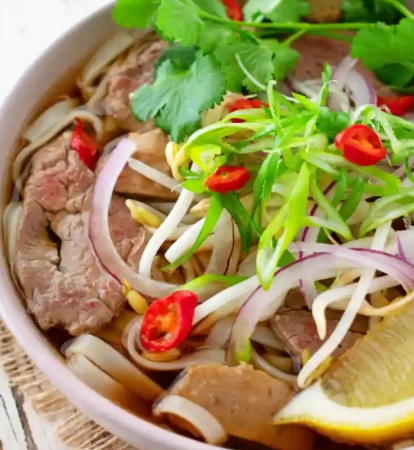
"The biggest lightbulb moment for me was learning to treat the simmer like a whisper, not a roar. A rolling boil makes the broth cloudy and bitter. A quiet, patient simmer gives you clarity and clean flavor."
Phase 2: Straining & Seasoning
After the long simmer, you'll have a rich, fragrant broth. Carefully remove the large solids with tongs. Then, strain the broth through a fine-mesh strainer lined with cheesecloth (or a clean kitchen towel) into another large pot. This catches all the fine sediment. This is your blank canvas.
Now, taste. It will be good, but likely need final seasoning. Bring the strained broth to a gentle simmer. Season with more fish sauce (for salt/umami) and a pinch of white sugar if needed. The goal is a harmonious balance: savory first, then a hint of sweet, followed by the spice aromas. Don't make it salty like Western soup. It should be deeply flavorful but not overpowering, as the noodles and beef will dilute it slightly.
Phase 3: The Noodles & Toppings
Noodles: Use dried *banh pho* (flat rice noodles). Soak them in warm water for 30-60 minutes until pliable. Then, just before serving, dunk a portion at a time in boiling water for 10-20 seconds until soft. Don't cook them in the broth!
Beef: This is critical. Your raw beef must be paper-thin. Partially freeze the meat for 1-2 hours, then use your sharpest knife or a meat slicer. Thick slices won't cook in the broth and are chewy. For a great visual guide on slicing techniques, check out this resource from Serious Eats, a highly respected culinary website.
The Beef Selection Guide: What to Use and Why
Choosing the right beef can be confusing. This table breaks down your options for both the broth and the bowl.
| Beef Cut | Best For | Flavor & Texture Notes | Preparation Tip |
|---|---|---|---|
| Eye of Round / Sirloin | Thinly sliced raw topping | Lean, tender, cooks quickly in hot broth. Mild flavor. | Partially freeze for 90 mins for easier, ultra-thin slicing. |
| Beef Brisket | Cooked topping (added to broth to simmer) | Rich, fatty, incredibly flavorful. Becomes meltingly tender. | Simmer a piece in the broth for the last 2-3 hours, then slice. |
| Beef Meatballs (Bo Vien) | Topping | Bouncy, springy texture. Adds a fun element. | Buy frozen from Asian market. Add to hot broth to heat through. |
| Oxtail / Neck Bones | Broth base | Provides intense meaty flavor and body from connective tissue. | Must be blanched. Simmer for the full duration. |
Assembly: The Final Act
This is the fun part. Have everything ready on the table.
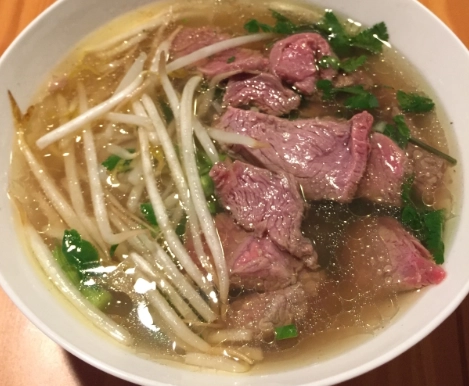
- Place a portion of softened noodles in a large, pre-warmed bowl.
- Arrange your raw beef slices (and any cooked brisket, meatballs) on top of the noodles.
- Ladle the piping hot, boiling broth directly over the raw meat. The heat will cook it perfectly to a tender, medium-rare.
- Garnish immediately with your chosen herbs and let everyone customize.
The Garnish Plate: It's Not Just Decoration
This is where each eater personalizes their bowl. Serve a large platter with:
- Fresh Herbs: Thai basil, cilantro sprigs, sawtooth herb (ngo gai) if you can find it.
- Bean Sprouts: For crunch and freshness.
- Lime Wedges: A squeeze of acidity brightens the rich broth.
- Sliced Chilies: Bird's eye chilies for heat.
- Condiments: Hoisin sauce and Sriracha on the side for dipping meat or stirring in sparingly. (Purists frown on adding it to the whole bowl, but you do you).
Answering Your Beef Pho Recipe Questions
Wrapping It Up: Your Homemade Pho Journey
Look, this beef pho recipe is a commitment. It's not Tuesday night dinner after work. It's a Saturday project. But once you taste that first spoonful of broth you made from scratch—clear, fragrant, deeply savory—you'll understand why it's worth it. You'll taste the charred ginger, the whisper of star anise, the richness of the bones.
You'll also realize there's no going back to the bland, MSG-heavy versions. This is your pho. Tweak the spice ratios next time. Try different beef cuts. Make it your own. That's the real joy of mastering this authentic pho recipe.
So, gather your bones, fire up the stove, and embrace the simmer. The perfect bowl awaits.