Your Tiramisu Roadmap
- Where Did This Magic Come From? A Quick Bite of History
- The Non-Negotiables: Ingredients for an Authentic Tiramisu Recipe
- Gearing Up: The Tools You Actually Need
- The Classic Method: Step-by-Step to Authentic Tiramisu
- The Safety-First & Modern Variations
- Top 5 Reasons Your Tiramisu Might Fail (And How to Fix It)
- Answering Your Tiramisu Questions (FAQ)
- Taking It Further: Respecting the Classic While Exploring
Let's be honest. We've all had tiramisu. The good, the bad, and the downright confusing. You know the ones I mean – soggy, cakey layers, a filling that tastes more like sweetened glue than cheese, and a dusting of cocoa that somehow manages to be both too much and not enough. It's enough to make you wonder if the real thing is just a myth.
It's not. I promise you. After more kitchen disasters than I care to admit (we'll get to my "mascarpone soup" phase later), countless conversations with Italian friends who laughed at my early attempts, and a borderline obsessive deep dive into the dessert's history, I finally cracked the code. The goal here isn't just to give you a list of ingredients and steps. It's to give you the why behind them. To hand you the keys to understanding what makes an authentic tiramisu recipe sing, so you can make it with confidence, and maybe even tweak it to your own taste down the line.
This isn't about rigid rules for the sake of it. It's about the principles that create that magical balance of bitter coffee, sweet cream, and delicate sponge. Forget the complicated, fussy versions. The beauty of a true classic tiramisu recipe is in its stunning simplicity.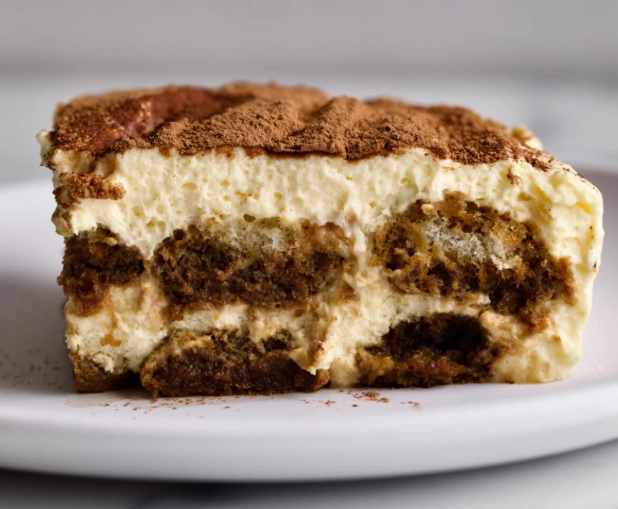
Where Did This Magic Come From? A Quick Bite of History
Before we get our hands dirty, let's set the scene. Tiramisu is shockingly young for a dessert that feels so timeless. Most food historians agree it was invented in the Veneto region of Northern Italy in the 1960s or 70s. The exact origin is a deliciously messy debate between the cities of Treviso and Venice, with several restaurants claiming parentage.
The name itself gives the game away. "Tirami sù" literally translates to "pick me up" or "cheer me up." And what's more uplifting than layers of coffee-soaked cookies and creamy mascarpone? It was a product of its time, making clever use of ingredients that were becoming more widely available: industrially produced ladyfingers (savoiardi) and the rich, spreadable mascarpone cheese from nearby Lombardy.
This context matters. It tells us this dessert wasn't born in a medieval monastery. It was a modern, clever creation. Knowing that frees you from the pressure of impossible "ancient" standards. The first authentic tiramisu recipe was likely someone's brilliant, simple experiment. You can read more about the fascinating and contested origins in this detailed article from Academia Barilla, a respected authority on Italian gastronomy.
The Non-Negotiables: Ingredients for an Authentic Tiramisu Recipe
This is where most recipes go wrong. They suggest substitutions that fundamentally change the character of the dessert. If you want the real deal, these are your pillars.
The Heart: Mascarpone Cheese
Not cream cheese. Never cream cheese. I made that mistake once, and the tangy, salty profile of cream cheese creates a completely different (and in my opinion, unpleasant) dessert. Mascarpone is a fresh, triple-creme cheese from Lombardy. It's ivory-colored, thick, spreadable, and has a very mild, slightly sweet, buttery flavor with almost no saltiness or tang. It's the luxurious, rich base of the cream. Look for it in the specialty cheese section. Its high fat content (usually over 40%) is what gives the cream its luscious, stable body.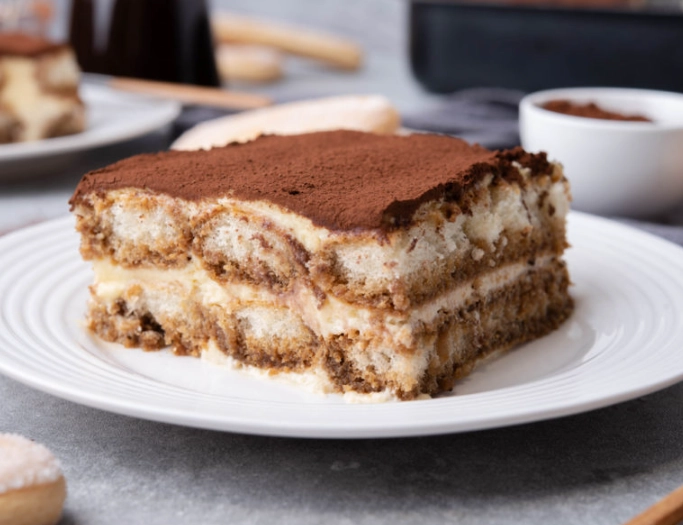
The Spine: Savoiardi (Ladyfinger Cookies)
These are not the soft, cakey ladyfingers you might find in some supermarkets. Authentic Italian savoiardi are long, dry, crunchy, and very light sponge fingers. Their dryness is a feature, not a bug. It allows them to absorb the coffee mixture without immediately disintegrating into mush. They provide structure and a delicate, airy texture that contrasts the rich cream. You can often find them in the international aisle.
The Soul: Strong Coffee
Espresso is king here. Its concentrated, robust flavor and signature crema are essential. A pot of regular drip coffee is too weak and watery; it will soak the cookies without imparting enough flavor, leading to a bland layer. If you don't have an espresso machine, you can use very strong moka pot coffee or even high-quality instant espresso powder dissolved in hot water. The coffee should be cooled to room temperature before using.
The Spirit: Alcohol (Usually)
Marsala wine is the traditional choice—a fortified wine from Sicily that adds a warm, caramel-like depth. Dark rum is a very common and excellent alternative, offering a richer, more pronounced flavor. Some recipes use coffee liqueurs like Kahlúa. You can even omit alcohol entirely for a family-friendly version (the coffee flavor will just be more forward). The alcohol is not just for flavor; it helps balance the sweetness and adds another layer of complexity.
The Finish: Eggs and Cocoa
Here's the big controversy that defines many modern searches for an authentic tiramisu recipe: raw eggs. The original recipe uses raw egg yolks and whites. The yolks are whipped with sugar into a thick, pale sabayon, and the whites are whipped to stiff peaks. This creates an incredibly light, airy, and rich cream. However, due to salmonella concerns, many people now look for cooked or egg-less versions.
High-quality, very fresh eggs from a trusted source minimize risk. Some people gently cook the yolk-sugar mixture over a double boiler until safe (160°F/71°C), then cool it before proceeding. Others skip eggs altogether, using just whipped cream and mascarpone—this creates a denser, richer cream that's still delicious, but it's a different texture. We'll cover both methods.
The cocoa is simple: use a good-quality, unsweetened cocoa powder for dusting. Dutch-processed cocoa has a smoother, less acidic flavor that works beautifully.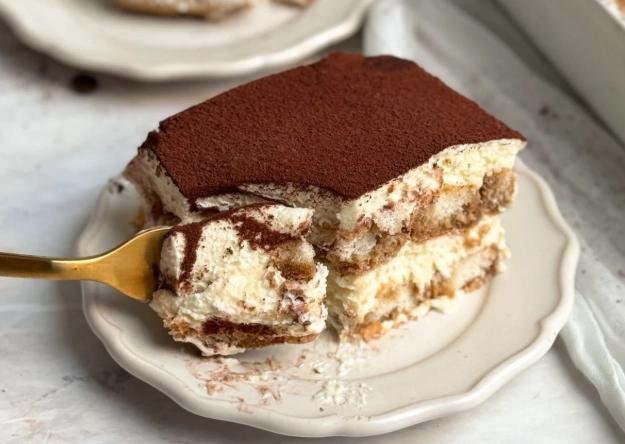
| Ingredient | Authentic Choice | Common Substitutes (The Compromise) | Why the Authentic Choice Wins |
|---|---|---|---|
| Cheese | Mascarpone | Cream Cheese, Ricotta | Provides a neutral, buttery richness without tanginess. Essential for the correct flavor and texture. |
| Cookies | Italian Savoiardi | Soft Sponge Cake, Pound Cake | Dry and porous, they absorb coffee perfectly without becoming soggy mush. |
| Coffee | Espresso | Strong Brewed Coffee, Instant Coffee | Concentrated flavor that stands up to the rich cream. No watery dilution. |
| Eggs | Fresh Raw Eggs (in sabayon) | Pasteurized Eggs, No Eggs (whipped cream only) | Creates the classic, light, airy, and custardy cream texture. The soul of the traditional method. |
Gearing Up: The Tools You Actually Need
You don't need fancy equipment. My first few attempts were made with a fork and a lot of frustration. A few basic tools make life infinitely easier.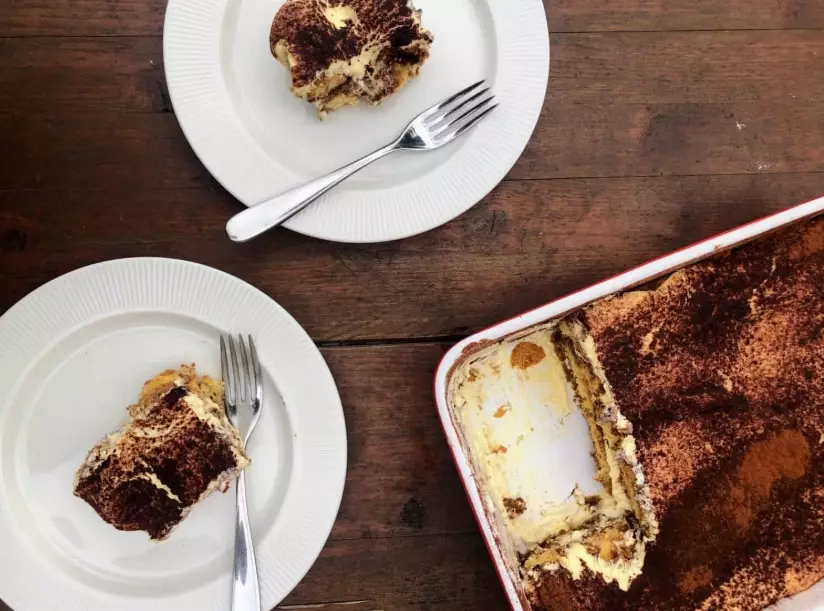
- Electric Mixer (Handheld or Stand): Whipping egg whites and cream to the right consistency by hand is a serious arm workout. A mixer ensures proper aeration and saves time.
- Large Mixing Bowls: At least two, preferably three. You'll be whipping components separately.
- Rubber Spatula: For folding gently. You want to keep all that air you just whipped in.
- Shallow Dish: For dipping the ladyfingers. A pie plate or small baking dish works perfectly.
- 9x9 inch or similar Dish: For assembly. A glass dish lets you see the beautiful layers.
- Fine-Mesh Sieve: For dusting the cocoa powder evenly. A lumpy dusting looks messy.
The Classic Method: Step-by-Step to Authentic Tiramisu
Okay, let's make it. This is the traditional method using raw eggs. I'll note the safety-adjusted version right after.
Part 1: The Coffee Dip
Brew your espresso or very strong coffee. Let it cool completely in a wide, shallow bowl or pie plate. Stir in your alcohol of choice—about 2-3 tablespoons of Marsala or rum per cup of coffee. This mixture should taste strong and balanced, not overly boozy.
Part 2: The Cream (Sabayon Method)
Separate 4 large, very fresh eggs. Place the yolks in a large bowl with 1/2 cup (100g) of granulated sugar. Using your electric mixer, beat them on high speed for 5-7 minutes. You're looking for a transformation: the mixture will become very thick, pale yellow, and leave a ribbon trail when you lift the beaters. This is a sabayon (or zabaglione), and it's the secret to the cream's luxurious texture.
In a separate, scrupulously clean bowl (any trace of fat will prevent whipping), beat the 4 egg whites with a pinch of salt until they form stiff, glossy peaks.
In a third bowl, gently stir one pound (450g) of mascarpone cheese just to loosen it. Don't over-beat it, or it can "break" and become grainy. Fold the fluffy yolk-sugar mixture into the mascarpone until just combined. Then, gently fold in the whipped egg whites in two or three additions. Use a big, sweeping motion with your spatula to keep it light. You should have a voluminous, cloud-like cream.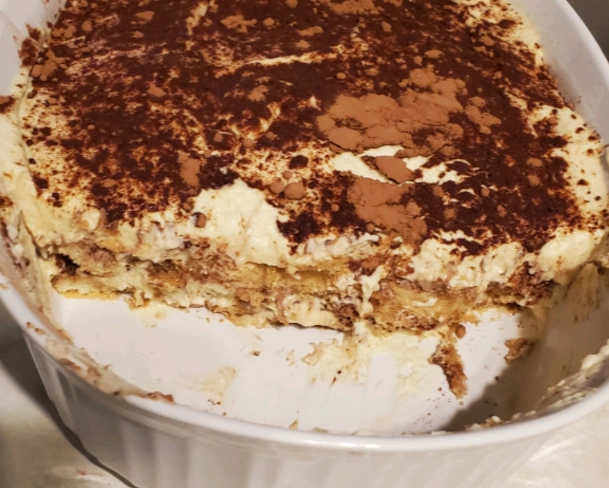
Part 3: Assembly and the Waiting Game
Now for the fun part. Spread a thin layer of the cream in the bottom of your dish. This acts as glue. Take your quickly-dipped ladyfingers and arrange a single, tight layer over the cream. Spread half of the remaining cream over the ladyfingers, smoothing it to the edges.
Repeat: another layer of dipped ladyfingers, then the remaining cream. Smooth the top beautifully with your spatula.
Cover tightly with plastic wrap and refrigerate for at least 6 hours, ideally overnight. This is non-negotiable. The tiramisu needs this time for the flavors to meld, the cookies to soften perfectly into a cake-like layer, and the cream to set. Rushing this step is the second biggest mistake.
Right before serving, use your sieve to dust the top generously with unsweetened cocoa powder.
That's it. The core of an authentic tiramisu recipe is right there.
The Safety-First & Modern Variations
I get it. Raw eggs make some people (rightfully) nervous. Here are your two main alternative paths to a fantastic tiramisu.
1. The Cooked Sabayon Method
This is my preferred safe method, as it preserves the classic texture best. Combine the egg yolks and sugar in a heatproof bowl set over a pot of gently simmering water (double boiler). Whisk constantly for 5-10 minutes until the mixture is thick, pale, frothy, and reaches 160°F (71°C) on a thermometer. Remove from heat and beat with a mixer until cool, thick, and tripled in volume. Then proceed with folding in the mascarpone and separately whipped cream (instead of egg whites). You'll need about 1 cup of heavy cream, whipped to stiff peaks.
2. The No-Egg (Whipped Cream) Method
This is simpler and foolproof. Simply whip 1.5 to 2 cups of heavy cream with a tablespoon of sugar until you have stiff peaks. Gently fold this into your loosened mascarpone cheese. The result is denser, richer, and more mousse-like than the airy sabayon version, but it's incredibly delicious and worry-free. Many modern Italian home cooks use this method.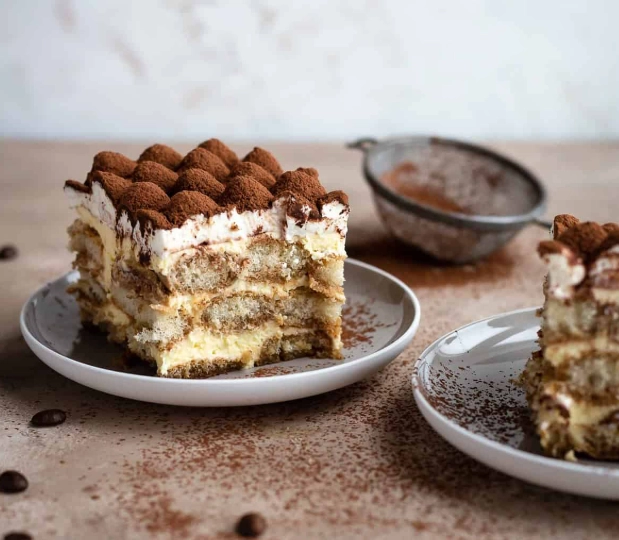
Top 5 Reasons Your Tiramisu Might Fail (And How to Fix It)
I've made these mistakes so you don't have to. Let's troubleshoot.
| The Problem | Likely Cause | The Simple Fix |
|---|---|---|
| Soupy, Runny Cream | 1. Mascarpone was over-beaten and "broke." 2. Egg whites/cream were under-whipped. 3. Not chilled long enough. |
Fold, don't beat mascarpone. Whip to stiff peaks. Chill overnight—patience is key. |
| Soggy, Mushy Bottom Layer | Ladyfingers were soaked, not dipped. | 1-2 second dip per side only. They should feel moist but firm. |
| Bland Coffee Flavor | Weak coffee used. | Use espresso or very strong coffee. It should taste intense on its own. |
| Grainy Cream | Mascarpone was too cold and over-mixed, or egg yolks scrambled in cooked method. | Let mascarpone sit out for 15 mins. Use low heat and constant whisking for sabayon. |
| Lopsided or Leaning Layers | Uneven pressure during assembly or dish moved before setting. | Spread cream gently. Let it set in the fridge undisturbed on a level shelf. |
See? Most issues are easy to solve once you know what to look for.
Answering Your Tiramisu Questions (FAQ)
You've got questions. After making this dozens of times and fielding queries from friends, here are the ones that come up constantly.
Taking It Further: Respecting the Classic While Exploring
Once you've mastered the base authentic tiramisu recipe, the world is your oyster. The structure is a perfect canvas.
I sometimes add a very thin layer of melted dark chocolate or chocolate shavings between the cream and cookie layers. It's not traditional, but it's delicious. In the summer, a layer of fresh raspberries or a sprinkle of orange zest in the cream can be lovely. For a deeper dive into the science of the ingredients and why they work so well together, resources like the USDA FoodData Central can be interesting to explore the composition of mascarpone versus other cheeses.
But here's my final piece of advice, the one I wish I'd had when I started: make the classic version first. Just once. Follow these steps as closely as you can. Taste that balance, that texture, that history in a dish. Then you'll have a true benchmark. You'll understand what you're adapting when you start to play around.
Because at the end of the day, the best authentic tiramisu recipe is the one that brings people together, that makes them close their eyes and smile after the first bite. Whether it's perfectly by-the-book or has your own little twist, if it's made with good ingredients and care, it will do exactly what its name promises: tirami sù. It will pick you right up.
Now go get some mascarpone. Your perfect tiramisu is waiting.