In This Article
Let's be honest. The word "souffle" scares people. It has this crazy reputation for being the ultimate kitchen test, a diva that collapses if you look at it wrong. I used to think that too. My first attempt years ago was a sad, chocolate pancake. It tasted fine, but it looked nothing like the towering cloud of joy I was promised. That failure, though, made me obsessed. I wanted to crack the code.
And you know what? I did. After more eggs than I care to admit, I realized a perfect chocolate souffle isn't about magic tricks. It's about understanding a few simple principles. Once you get those, it's surprisingly straightforward. This chocolate souffle recipe is the result of all that trial and error. It's the one I use every time now, and it hasn't failed me in years. I'm giving you all the details, the whys, and the hows, so you can skip the pancake phase entirely.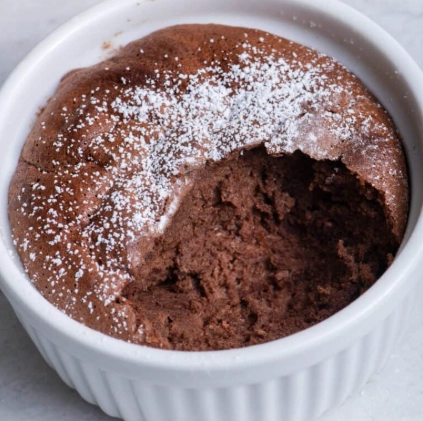
Why This Chocolate Souffle Recipe Works (The Science, Simplified)
Before we dive into the ingredients, let's talk about what makes a souffle rise. It's all about air bubbles. You whip egg whites until they're full of millions of tiny air pockets. When you bake the mixture, the air inside those pockets heats up and expands. The protein structure of the egg whites (and the starch from the base) sets around the expanding air, creating that famous lift.
The enemy of this process is moisture and fat. Even a tiny speck of egg yolk (which is fat) in your whites can prevent them from whipping up properly. That's why separating eggs cleanly is step one. The other enemy is under-whipping or over-whipping the whites. We'll hit the sweet spot, I promise.
This particular chocolate souffle recipe uses a classic French base called a "panade." It's a cooked mixture of butter, flour, milk, and chocolate that forms a thick paste. This panade does two crucial things: it gives the souffle incredible chocolate flavor and a stable, moist interior, and it provides starch that helps stabilize the egg foam, giving you more time between mixing and baking. It's your safety net.
Gathering Your Tools and Ingredients
You don't need fancy gear, but the right tools make a difference.
Essential Equipment
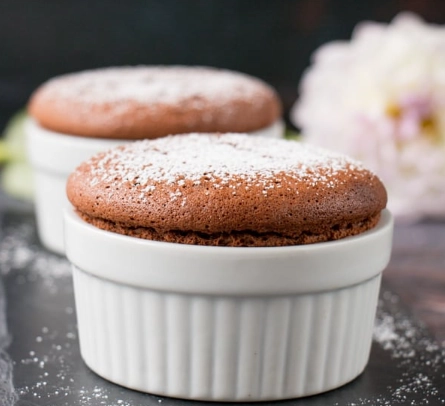
- Ramekins: Straight-sided ones are best. The classic 6-ounce size is perfect for individual servings. Make sure they're clean and dry.
- Stand Mixer or Hand Mixer: Whipping eggs by hand is a workout I don't recommend. A mixer gives you consistent, stiff peaks.
- Double Boiler or Heatproof Bowl: For melting chocolate gently. A bowl set over a pot of simmering water works perfectly.
- Rubber Spatula: Your best friend for folding. It's gentle and gets everything out of the bowl.
- Pastry Brush: For buttering the ramekins. A paper towel works in a pinch, but a brush is cleaner.
The Ingredients List (and Why Quality Matters)
This is a simple recipe, so each ingredient plays a starring role.
| Ingredient | Quantity | Purpose & Notes |
|---|---|---|
| Good-Quality Dark Chocolate | 4 oz (115g) | The star. Use 60-70% cocoa. Don't use chocolate chips—they have stabilizers that don't melt smoothly. A good bar chocolate makes all the difference in flavor. |
| Unsalted Butter | 2 tbsp (30g) + extra for ramekins | For the panade and greasing. Unsalted lets you control the salt level. |
| Granulated Sugar | 1/4 cup (50g) + extra for ramekins | Sweetens the base and, when coating the ramekins, gives the souffle a crusty, sugary wall to climb. |
| All-Purpose Flour | 2 tbsp (15g) | The starch in the panade. It stabilizes the structure. |
| Whole Milk | 1/2 cup (120ml) | Full-fat milk creates a richer, more stable base than low-fat. |
| Eggs | 3 large, separated | Room temperature. This is non-negotiable. Room temp whites whip up higher and more stable. Let them sit out for 30 minutes. |
| Cream of Tartar | 1/4 tsp | An acid that stabilizes the egg whites, helping them hold their peaks. A tiny bit of lemon juice works in a pinch. |
| Salt | A pinch | Enhances the chocolate flavor. Don't skip it. |
| Vanilla Extract (optional) | 1/2 tsp | A flavor enhancer. I sometimes use a splash of espresso or orange liqueur instead. |
The Step-by-Step, Foolproof Chocolate Souffle Recipe
Okay, let's bake. Read through once, then just follow along. I've broken it down into clear phases.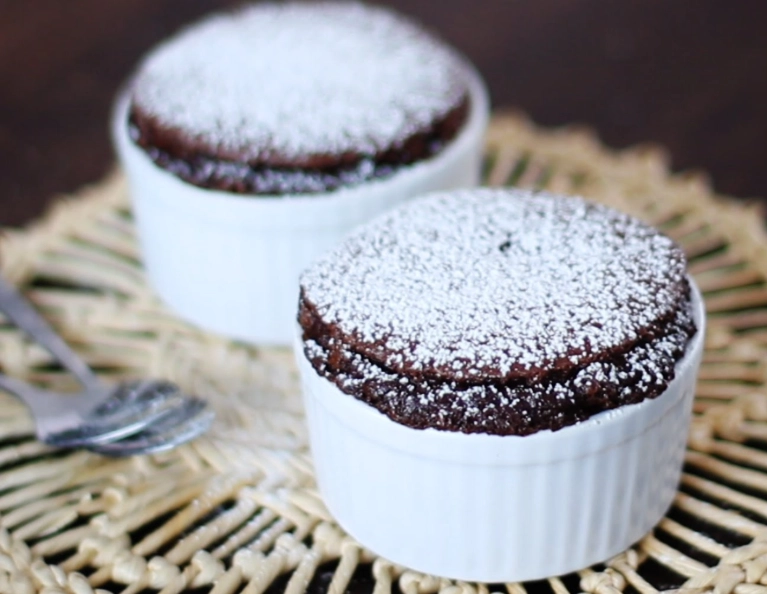
Phase 1: Preparation is 80% of the Battle
This is the most important part. Get this right, and the baking is easy.
How do you prepare ramekins for souffle? This step creates the "ladder" for the souffle to climb. Using your pastry brush, generously coat the inside of each ramekin with soft, not melted, butter. Go all the way to the top. Then, add a spoonful of sugar and tilt and tap the ramekin until the entire buttered surface is coated with sugar. Tap out the excess. You should see a clear, even, sugary layer. Place the prepared ramekins on a baking sheet. This also makes unmolding easier if you want to plate them.
Separate your eggs. Be meticulous. Not a drop of yolk in the whites. Put the yolks in a medium bowl and the whites in the absolutely clean, grease-free bowl of your stand mixer. Add the cream of tartar to the whites but don't whip yet.
Preheat your oven to 375°F (190°C). Not 350, not 400. 375. A hot oven gives that initial explosive rise.
Phase 2: Making the Chocolate Base (Panade)
Melt the chocolate gently. You can chop it and melt it in a double boiler, or in short bursts in the microwave, stirring frequently. Set aside.
In a medium saucepan, melt the 2 tablespoons of butter over medium heat. Whisk in the flour and cook, stirring constantly, for about 1 minute. It will smell a bit nutty. This cooks the raw flour taste out.
Slowly whisk in the milk. It will look lumpy at first, but keep whisking vigorously until it's smooth. Cook for another 2-3 minutes, whisking, until the mixture is thick and pulls away from the sides of the pan. This is your roux-based panade.
Remove from heat. Stir in the melted chocolate, salt, and vanilla (if using) until completely combined. It will be very thick. Let it cool for a minute or two (you don't want to cook the egg yolks), then whisk in the three egg yolks, one at a time, until fully incorporated. Your base is now a gorgeous, shiny, chocolate pudding. Set this aside.
Phase 3: The Egg Whites – Where the Magic Happens
Using your stand mixer with the whisk attachment, beat the egg whites and cream of tartar on medium speed until they become foamy and opaque. Then, with the mixer running, gradually add the 1/4 cup of sugar, about a tablespoon at a time.
Increase the speed to medium-high and beat until you reach stiff, glossy peaks. What does that mean? When you lift the whisk straight up, the peak of egg white should stand straight up without curling over at the tip. The mixture should look shiny and smooth, not grainy or clumpy. This is the most common point of failure—under-whipping. Don't be shy.
Phase 4: The Gentle Fold
This is where you combine the heavy chocolate base with the light, airy whites without deflating them. Take about one-third of the whipped egg whites and stir it vigorously into the chocolate base. This first addition lightens the thick base, making it easier to fold in the rest.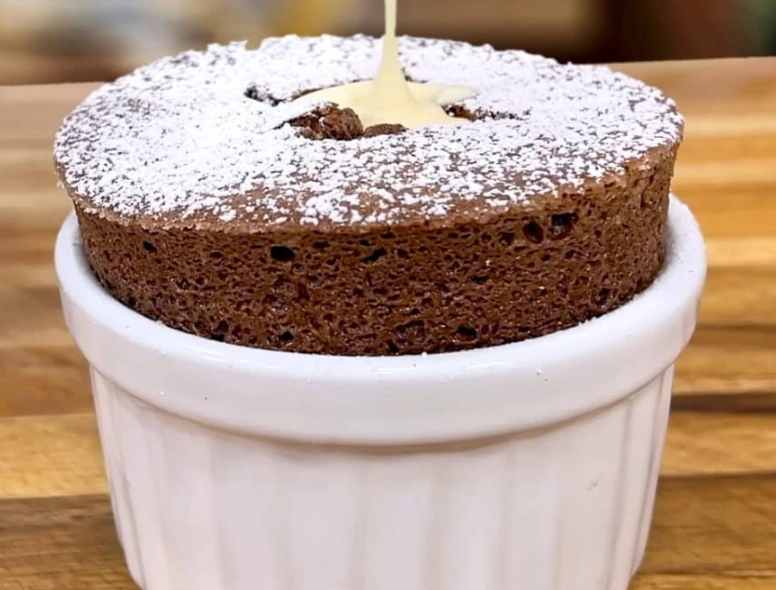
Now, pour the lightened chocolate base over the remaining two-thirds of egg whites in the mixer bowl. Using your rubber spatula, fold gently. Imagine you're scooping from the bottom of the bowl, up and over the top, turning the bowl slightly with each fold. Rotate and repeat just until no large streaks of white remain. It's okay if there are tiny specks. Over-folding is worse than under-folding here.
Immediately divide the batter evenly among your prepared ramekins. Fill them to about 1/4 inch from the top. Run your thumb around the inside rim of each ramekin to clean the edge. This creates a clean boundary for the souffle to rise straight up.
Phase 5: Baking and Serving
Place the baking sheet with the filled ramekins in the preheated oven. Immediately reduce the oven temperature to 350°F (175°C). Bake for 16-20 minutes. The top should be puffed, dry to the touch, and have a slight wobble when you gently shake the pan. A toothpick inserted will NOT come out clean—the center should be molten.
How do you know when a chocolate souffle is done? The jiggle test is key. The center should jiggle slightly like a soft-set custard when you tap the oven rack, but the top and sides should look set. If it looks dry and doesn't jiggle at all, it's overbaked.
Serve immediately. Souffles wait for no one. Carry them straight to the table for the big reveal. A dusting of powdered sugar, a dollop of barely sweetened whipped cream, or a scoop of vanilla ice cream are perfect accompaniments.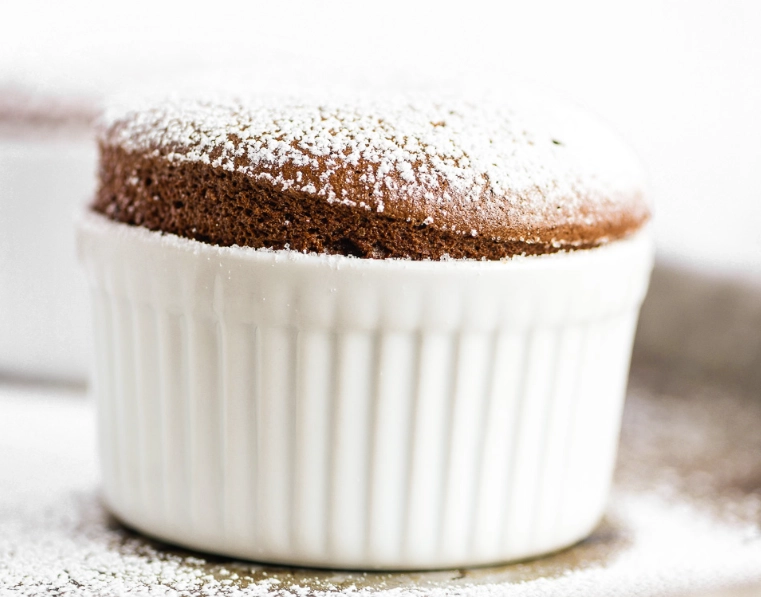
Your Chocolate Souffle Troubleshooting Guide
Even with a great recipe, things can happen. Let's diagnose common issues.
| Problem | Likely Cause | How to Fix It Next Time |
|---|---|---|
| Souffle didn't rise much. | 1. Egg whites under-whipped. 2. Egg whites had trace fat (yolk). 3. Over-folded the batter. 4. Oven not hot enough. |
Whip to stiff, glossy peaks. Separate eggs meticulously. Fold gently but thoroughly. Ensure oven is fully preheated. |
| Souffle rose unevenly or cracked. | 1. Batter not evenly distributed. 2. Oven temperature too high. 3. Didn't run thumb around the rim. |
Divide batter evenly. Use the two-temperature bake method. Clean the rim for an even rise. |
| Souffle collapsed immediately after baking. | 1. Underbaked. 2. Sudden temperature change (draft). 3. It's supposed to deflate slowly! |
Bake until top is set with a slight wobble. Avoid opening the oven door early. Remember, a slow sink is normal once out of the oven. |
| Souffle is too dry or eggy. | 1. Overbaked. 2. Not enough chocolate flavor base. |
Use the jiggle test. Don't overbake. Use good quality chocolate for a dominant flavor. |
| Bottom is soggy/wet. | 1. Underbaked. 2. Ramekins placed in a water bath (not needed). |
Ensure full bake time. Bake directly on a baking sheet, not in water. |
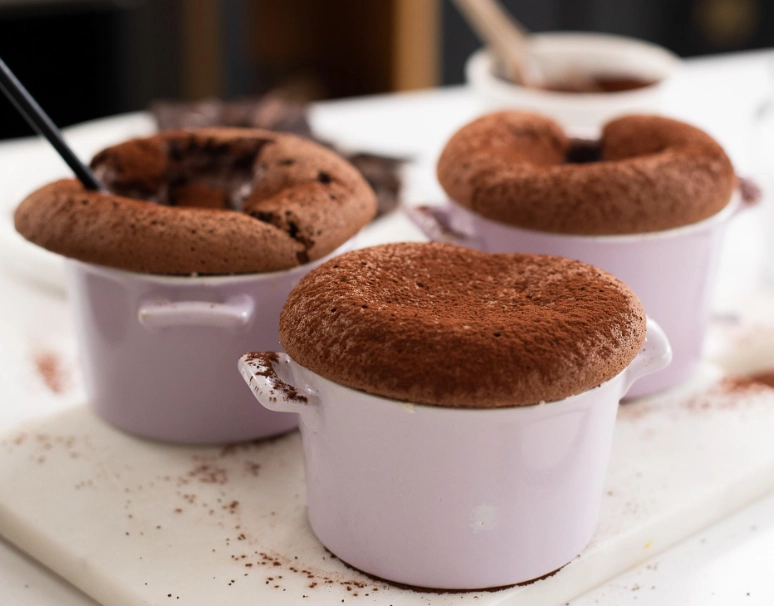
Leveling Up: Advanced Tips & Flavor Twists
Once you've mastered the basic chocolate souffle recipe, you can start playing.
Flavor Variations
- Grand Marnier or Coffee: Add a tablespoon of orange liqueur or a shot of cooled espresso to the chocolate base.
- Salted Caramel: Swirl a teaspoon of thick salted caramel sauce into the batter in the ramekin before baking.
- Mint Chocolate: Add a few drops of peppermint extract to the base.
- Nutty: Fold 2 tablespoons of finely ground toasted hazelnuts or almonds into the base.
The "Can I Make This Ahead?" Question
The classic answer is no. But with this panade-based recipe, you can cheat a little. You can prepare the chocolate base (through adding the egg yolks) up to a day ahead, cover it with plastic wrap directly on the surface, and refrigerate. Bring it to room temperature before folding in the freshly whipped egg whites. Do not try to assemble the complete batter ahead of time.
You can also prepare the sugared ramekins hours in advance.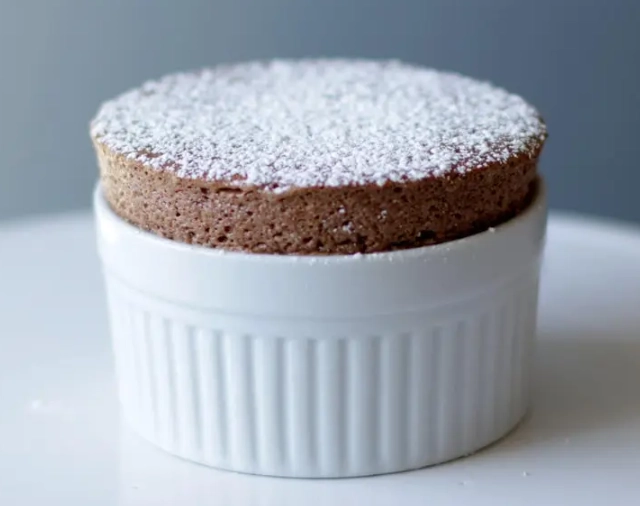
Frequently Asked Questions (The Real Ones People Google)
This chocolate souffle recipe is built for success. It demystifies the process. It’s not about being perfect; it’s about understanding the steps. Once you do, you'll realize it's one of the most satisfying desserts to make. The look on someone's face when you bring a puffy, dramatic chocolate souffle to the table is worth every minute. And if it sinks a bit? You now know it’s still going to be delicious. Grab those eggs and that chocolate. Your perfect, impressive, and honestly not-that-hard chocolate souffle is waiting.