Quick Guide
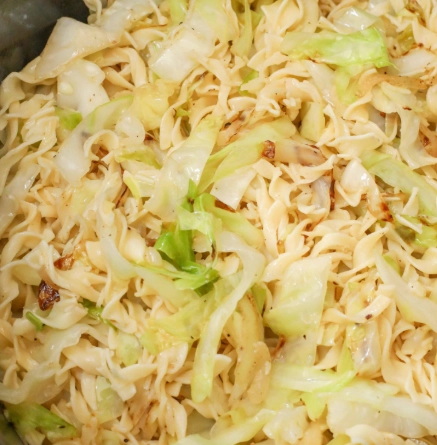
Let's talk about cabbage and noodles. Honestly, the first time someone mentioned it to me, I was skeptical. Cabbage? Boiled until it's sad and soggy? No thanks. But then I tried the real deal – a proper, caramelized, savory mess of a dish often called Haluski in Central and Eastern Europe – and it completely changed my mind. It went from a "maybe" to a solid weeknight hero in my kitchen. This isn't just boiled cabbage tossed with pasta. It's a one-pan wonder of soft, sweet onions and cabbage cooked down in butter (or bacon fat, if you're feeling fancy) and mixed with egg noodles. It's the definition of comfort food that costs pennies to make.
I've seen so many versions of a basic cabbage and noodles recipe online that just miss the mark. They're either too watery, too bland, or they treat the cabbage as an afterthought. The magic happens when you give the cabbage time to transform. This guide is my attempt to get you to that perfect plate. We'll cover the classic way, some fun twists, and answer every question I had when I first started making it. Whether you call it Haluski, fried cabbage and noodles, or just a darn good cheap meal, you're in the right place.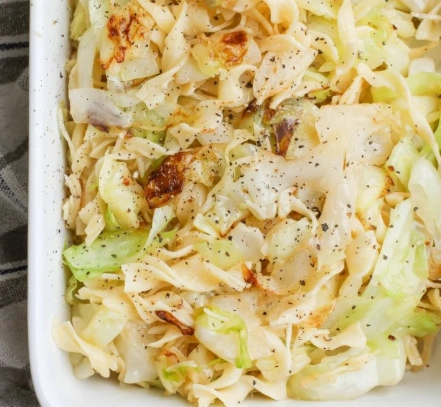
What You'll Need for the Best Cabbage and Noodles
Part of the beauty of this dish is its simplicity. You don't need a trip to a specialty store. Here's the breakdown. I'll give you the core ingredients first, which are non-negotiable for the authentic flavor, and then we'll talk about the variables where you can play around.
The Core Ingredients (Don't Skip These)
This is the foundation. Get these right, and you're 90% of the way there.
- Green Cabbage: One medium head. Look for one that feels heavy for its size with crisp, tightly packed leaves. This is the star, so make it a good one.
- Onions: Two large yellow onions. They add a crucial sweetness that balances the cabbage.
- Butter & Oil: Here's a pro tip: use both. The oil (I use avocado or a neutral oil) raises the smoke point so the butter doesn't burn while you're cooking the onions and cabbage for a long time. You get the rich flavor of butter without the bitter taste of burnt dairy. About 3 tablespoons of butter and 2 of oil is my sweet spot.
- Egg Noodles: The wide, extra broad kind. Brands like Pennsylvania Dutch or Reames are classics for a reason. They're sturdy, have a great chew, and hold up to the cabbage without turning to mush. About a 12-ounce package. Using spaghetti or linguine just isn't the same – the texture is all wrong for this cabbage and noodles recipe.
- Salt and Black Pepper: Seems obvious, but seasoning in layers is key. Season the onions. Season the cabbage. Taste at the end. Don't be shy.
The Flavor Variables (This is Where You Customize)
Now for the fun part. The classic version is perfect on its own, but these add-ins can take it in different directions.
| Add-In | How to Use It | Flavor Profile It Creates |
|---|---|---|
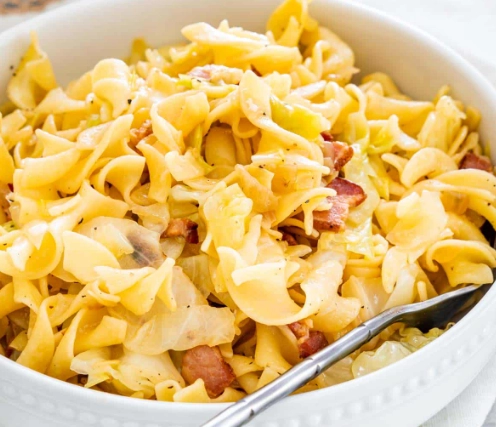
| Bacon or Pancetta | Chop, fry until crisp. Remove, then cook veggies in the rendered fat. Stir bacon back in at the end. | Smoky, salty, deeply savory. A crowd-pleaser. |
| Kielbasa or Smoked Sausage | Slice into coins and brown well in the pan before adding onions. This adds fat and flavor throughout. | Hearty, meaty, turns it into a full meal. |
| Caraway Seeds | Add about 1 teaspoon to the butter/oil for 30 seconds before adding onions. Don't burn them! | Earthy, slightly anise-like. Very traditional in many European versions. |
| Sour Cream or Greek Yogurt | A big dollop stirred in off the heat at the very end. | Creamy, tangy, rich. Cools down the dish nicely. |
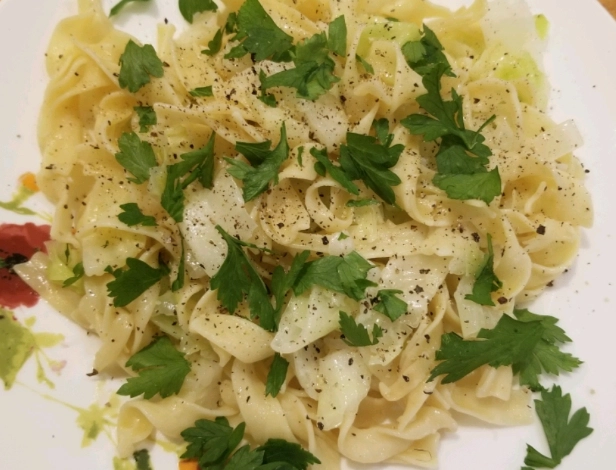
| Fresh Dill or Parsley | A generous handful chopped and stirred in right before serving. | Bright, fresh, cuts through the richness. |
Step-by-Step: How to Make Haluski Without the Sogginess
Alright, let's cook. I'm going to walk you through this like I'm in the kitchen with you, pointing out the spots where things can go wrong. The goal is caramelized, tender-crisp cabbage, not a boiled, grey mess.
Prep is Everything
First, get your cabbage and onions ready. Core the cabbage and slice it into 1/4-inch thick shreds. You want them thin enough to cook down but thick enough to have some texture. For the onions, slice them pole-to-pole (from root to stem) into similar thin slices. This cut holds up better during long cooking. Put a large pot of salted water on to boil for your egg noodles – you'll cook them later.
Now, grab your largest skillet or Dutch oven. I mean it, use the biggest one you have. A 12-inch skillet is the bare minimum. Crowding is enemy number one for browning. Heat your butter and oil over medium-high heat until the butter melts and foams a bit.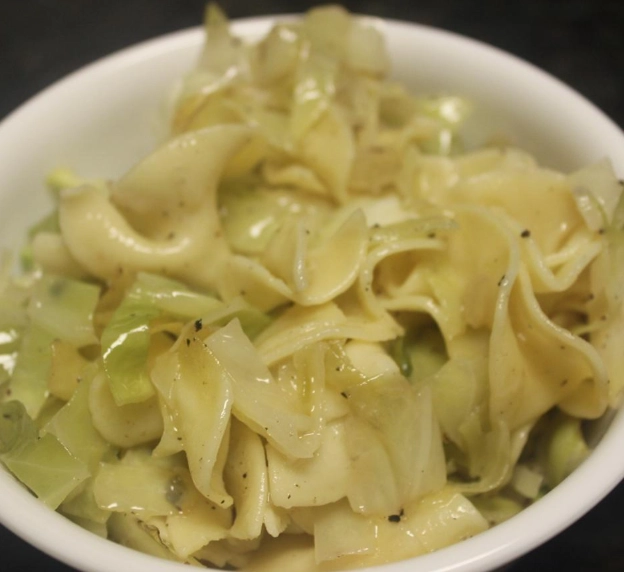
The Cooking Process: Low and Slow Wins
- Cook the Onions: Add all your sliced onions to the pan. Sprinkle with a pinch of salt (this helps draw out moisture). Stir and let them cook for about 10-12 minutes. You're not just softening them; you want them to start turning a lovely golden brown. Don't rush this.
- Add the Cabbage: This is the moment. Pile in all that shredded cabbage. It will look like a mountain that will never fit. Trust me, it will. Add another good pinch of salt and some black pepper. Toss everything together so the cabbage gets coated in the buttery onions.
- The Patient Simmer: Here's where most recipes fail. They tell you to cook it for 5 minutes. Wrong. Turn the heat down to medium-low. Cover the pan for about 5 minutes to let the cabbage wilt and steam in its own juices. Then, remove the lid, turn the heat back up to medium, and let it cook, stirring every few minutes, for a good 20-25 minutes. You're waiting for the cabbage to become tender, for the liquid to mostly evaporate, and for those beautiful brown, caramelized bits to form on the edges. That's flavor.
- Cook the Noodles: While the cabbage is doing its thing, cook your egg noodles in the boiling salted water according to the package directions, but aim for al dente – maybe a minute less than it says. They'll cook a bit more when you combine everything. Drain them well.
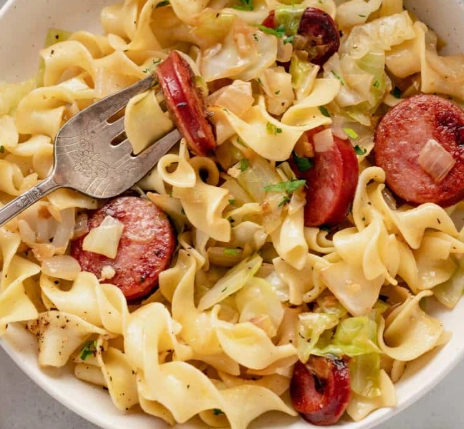
- The Grand Union: Once your cabbage is sweet, tender, and speckled with brown, add the drained egg noodles to the skillet. Toss everything together over low heat for a minute or two, letting the noodles soak up any remaining buttery juices. Taste it. Does it need more salt or pepper? Probably. Adjust now.
Answering Your Cabbage and Noodles Questions (FAQs)
I get a lot of questions whenever I post about this dish. Here are the ones that pop up the most, based on what people are actually searching for.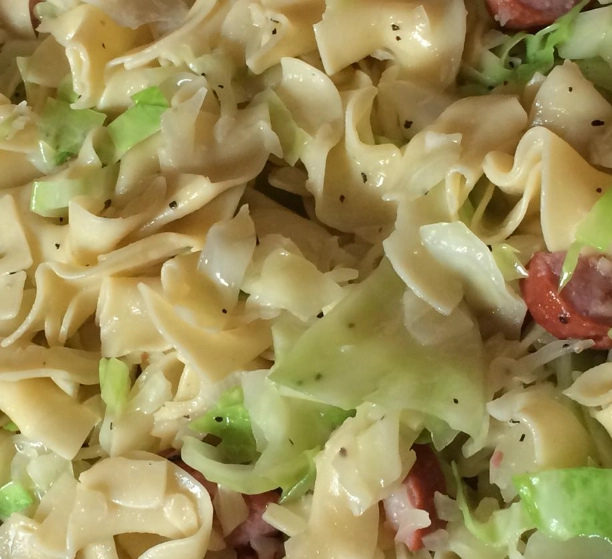
You can, but the experience changes. Egg noodles are traditional for Haluski because they're rich and sturdy. If you must substitute, wide pappardelle or fettuccine are okay. I'd avoid thin noodles like spaghetti or angel hair – they get lost. For a gluten-free version, a thick rice noodle or a hearty chickpea pasta can work, but cook them very al dente as they can become mushy.
It keeps surprisingly well! Let it cool completely, then store it in an airtight container in the fridge for 3-4 days. Reheating is the trick. The microwave can make it rubbery. My method is to reheat it in a skillet over medium-low heat with a tiny splash of water or broth. Cover it for a few minutes to steam, then uncover and stir until hot. This revives the texture much better. You can find more general food safety and storage guidelines from authoritative sources like the U.S. Food Safety website.
I'm gonna be honest here – I don't love freezing it. The cabbage becomes very soft and watery when thawed, and the noodles can turn to mush. The texture suffers a lot. If you must, freeze it in a single layer on a tray first, then bag it. Reheat from frozen in a skillet, but manage your expectations. It's best fresh or refrigerated for a few days.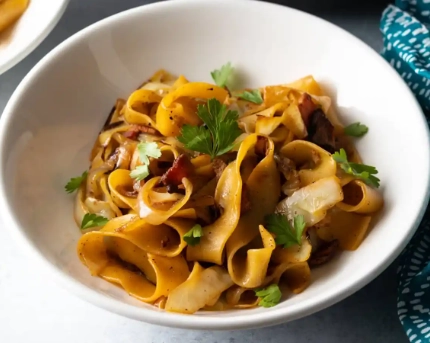
Great question. In many American households, "cabbage and noodles" and "Haluski" are used interchangeably. However, in a stricter sense, traditional Haluski can sometimes refer to the dumpling component (small, simple egg dumplings) as much as the dish itself. The version I've outlined here – with store-bought egg noodles – is the accessible, weeknight-friendly American adaptation that captures the spirit of the dish perfectly. For a deep dive into the cultural origins and variations, resources like Wikipedia's entry on Haluski provide interesting context.
Too oily usually means you didn't use a large enough pan, so the vegetables steamed and didn't absorb the fat, or you simply used too much butter/oil. Next time, measure and use a bigger pan. Too dry means the heat was too high and evaporated all the liquid before the cabbage was tender, or you didn't have enough fat to begin with. A splash of broth or water when combining with the noodles can help rescue it.
Taking Your Recipe to the Next Level
Once you've mastered the basic easy cabbage and noodles recipe, here are a few ways to dress it up or change it completely. Think of the basic recipe as a blank canvas.
The Key to Great Haluski is patience when caramelizing the cabbage. That golden-brown color equals flavor you can't get any other way. Don't shortcut this step thinking it's just "cooked." It needs to transform.
Make It a Full Meal
Adding protein is the easiest way. We talked about bacon and kielbasa, but consider shredded rotisserie chicken stirred in at the end, or even some pan-seared pork chops served right on top. A fried egg with a runny yolk perched on a pile of cabbage and noodles is also a sublime breakfast-for-dinner option.
Vegetarian & Vegan Twists
For a vegan Haluski, the swap is simple but crucial. Use a high-quality vegan butter or all olive oil. For the "egg" noodle, look for a wide vegan noodle made from lentils or chickpeas for substance. To add umami depth without meat, try sautéing some sliced mushrooms with the onions until they're deeply browned. A dash of smoked paprika can also mimic that smoky bacon note.
What to Serve With It
This dish is hearty on its own, but it pairs beautifully with simple sides that offer contrast. A bright, tangy salad with a vinaigrette cuts through the richness. A side of applesauce is a classic Polish accompaniment that just works. For a protein-heavy side, some simple grilled bratwurst or kielbasa is perfect. And don't forget a cold beer or a glass of dry cider – the crispness is magic against the savory, buttery notes.
I remember serving this to a friend who claimed to hate cabbage. She was hesitant, took a small bite, and then finished the entire bowl. She said it tasted nothing like the boiled cabbage she remembered. That's the power of good technique in a simple cabbage and noodles recipe.
Why This Dish Deserves a Spot in Your Rotation
Let's be real for a second. We're all looking for dinners that check a lot of boxes: cheap, easy, fast, comforting, and tasty. This cabbage and noodles recipe, especially the Haluski style, hits every single one.
- Budget-Friendly: Cabbage and onions are some of the cheapest produce you can buy. Egg noodles are inexpensive. It's a meal that can feed a family for a few dollars.
- Comfort in a Bowl: There's something deeply satisfying about the soft, savory, buttery combination. It's nostalgic food that feels like a hug.
- Uses Simple Ingredients: No fancy techniques or hardware. One big pan, a pot for noodles, and ingredients you can find anywhere.
- Customizable: As we've seen, you can keep it simple or dress it up with meat, herbs, and spices based on what you have.
The next time you see a head of cabbage at the store, don't just think coleslaw. Think about this dish. Grab a bag of egg noodles and an onion. Give yourself 45 minutes. Follow the steps, give the cabbage time to caramelize, and you'll have a new, reliable favorite. It's more than just a recipe; it's a template for a perfect, satisfying, and smart meal. And honestly, isn't that what we're all looking for?
So, go ahead. Try this Haluski-inspired cabbage and noodles recipe. Play with the add-ins. Make it your own. And when someone asks you for the recipe, you can tell them exactly how to avoid the soggy cabbage trap and get straight to the good stuff.