Quick Guide
Let's talk about Japanese cloud bread. You've probably seen it all over social media – those impossibly light, white, puffy pillows that look like they could float right off the plate. They call it cloud bread, or sometimes fuwa fuwa bread (which just means "fluffy fluffy" in Japanese, and honestly, that's the perfect description). I first tried it at a little bakery in Tokyo years ago, and I was hooked. The texture is just… different. It's not like your standard sandwich loaf, and it's definitely not like a brioche. It's its own wonderful, airy thing.
But here's the funny part. When I got back home and tried to find a reliable Japanese cloud bread recipe online, I hit a wall. So many recipes were just… off. Too dense, too eggy, or they'd collapse into sad little pancakes. After more failed batches than I care to admit (we're talking a whole weekend wasted and a lot of confused looks from my family), I finally cracked the code. This isn't just another recipe list. This is the culmination of all those mistakes and lessons, so you don't have to make them.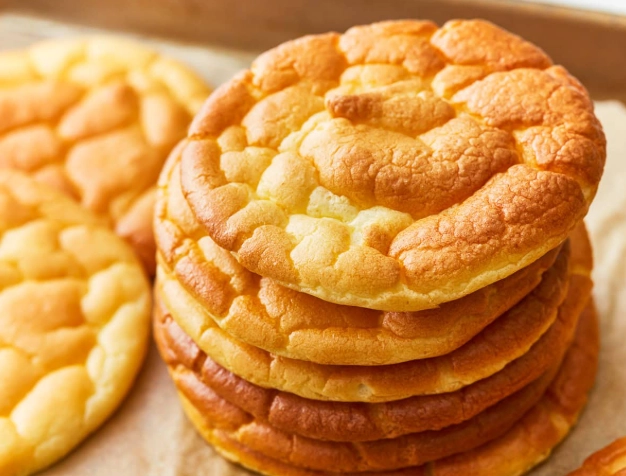
The Core Idea: At its heart, a true Japanese cloud bread recipe relies on a specific technique of whipping egg whites into a super stable meringue and gently folding it into a simple yolk and flour mixture. It's the meringue that creates those iconic air pockets and the cloud-like lift. Forget yeast, forget heavy kneading. This is a bread that's built on air and patience.
Why is this Japanese cloud bread recipe so popular? Well, besides looking incredible in photos, it's naturally quite low in carbs since it uses minimal flour, it's gluten-light if you choose the right flour, and it has a delicate, almost marshmallowy texture that's just plain fun to eat. It's a fantastic base for both sweet and savory toppings.
What You Actually Need: The Ingredients Demystified
Okay, before we start whisking, let's get our stuff together. The beauty of a classic Japanese cloud bread recipe is its simplicity. You only need a few things, but the quality and handling of each one matters way more than you might think.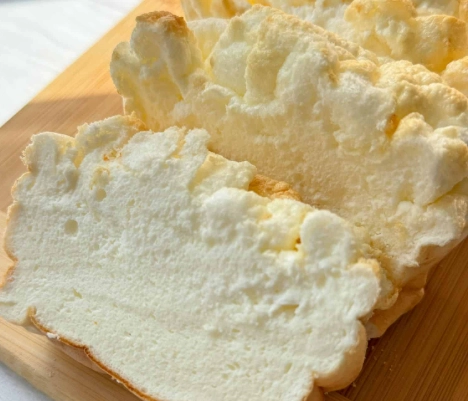
The Non-Negotiables:
- Eggs: Large, room temperature eggs are non-negotiable. Cold egg whites don't whip up to their full volume. I separate them when they're cold (it's easier), but then let the whites sit in a clean, grease-free bowl on the counter for 30 minutes. The yolks can stay separate in a small bowl.
- Sugar: Just a bit of granulated sugar or caster sugar. This isn't for sweetness, really. It's a stabilizer for the meringue. It helps create a strong, glossy foam that won't weep or collapse. Some recipes use cream of tartar, but sugar is more traditional in the home-style versions I've seen.
- Flour: Here's where people get tripped up. Cornstarch or Potato Starch is the secret weapon. Many authentic Japanese cloud bread recipes use *katakuriko* (potato starch) or cornstarch instead of, or mixed with, regular flour. It gives a softer, more tender crumb and helps keep things gluten-free. All-purpose flour works, but the texture is slightly chewier. For the fluffiest clouds, I use a 50/50 mix of cornstarch and cake flour. Cake flour has less gluten, which is what we want.
- Milk or Water: A tiny bit of liquid to mix with the yolks. Milk adds a slight richness, water keeps it pure and light.
You'll also need a stand mixer or a very good hand mixer and a lot of elbow grease, a spatula for folding (be gentle!), a baking sheet, and parchment paper. No bread pans needed.
The Step-by-Step: How to Make Japanese Cloud Bread That Actually Works
This is the part where we stop talking and start doing. Follow these steps closely, but don't stress. It's more about technique than precision.
1. Prep Work is Everything
Preheat your oven to 300°F (150°C). Not hotter. A lower, slower bake is key to drying out the cloud bread without browning it too much or causing a dramatic collapse. Line a baking sheet with parchment paper. Do not grease it. The paper provides just enough grip.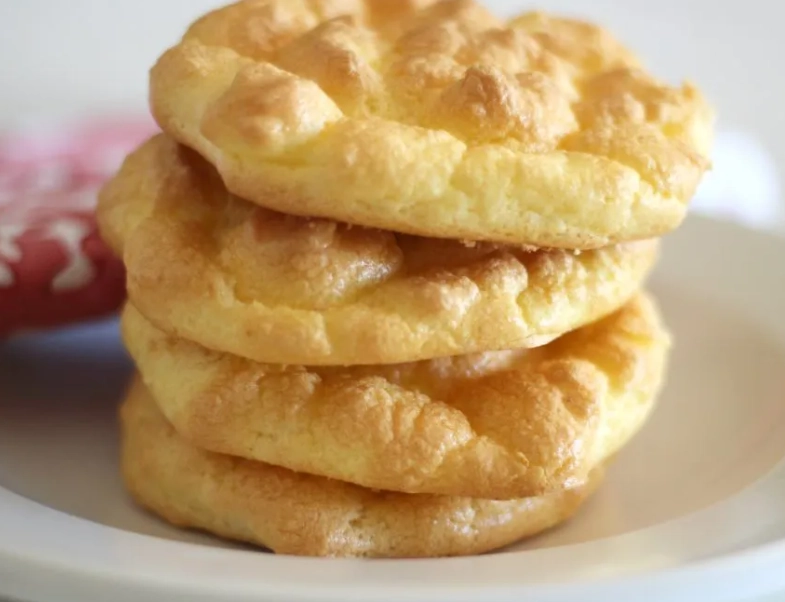
Separate your eggs. Be meticulous. Not a single speck of yolk can be in the whites. Fat is the enemy of meringue. I use three separate bowls: one to crack the egg over, a small one for the yolk, and the main mixer bowl for the clean white. Transfer the white to the mixer bowl one at a time, so one bad egg doesn't ruin the whole batch.
2. The Meringue - Building the Clouds
Place your impeccably clean egg whites in the bowl of your stand mixer (or a large bowl if using a hand mixer). Start whisking on medium speed until they become frothy and opaque. This takes about a minute.
Now, with the mixer running, slowly sprinkle in the sugar. Don't dump it. A slow, steady stream lets it dissolve properly. Once it's all in, crank the speed to medium-high. We're going for stiff, glossy peaks. This means when you lift the whisk straight up, the peak of meringue stands straight up and doesn't curl over at the tip. It should look smooth and shiny, not grainy or bubbly. This can take 5-8 minutes. Don't rush it. Undermixed meringue is the #1 reason for flat cloud bread.
Pro Tip: To test if it's ready, turn the bowl upside down (carefully over the sink first if you're nervous!). If the meringue doesn't move, it's perfect. If it slides, keep whisking.
3. The Yolk Mixture - The Gentle Glue
While the whites are whipping, or before you start, mix the egg yolks, your chosen liquid (milk or water), and a tiny pinch of salt in a separate bowl. Whisk until it's smooth and slightly pale.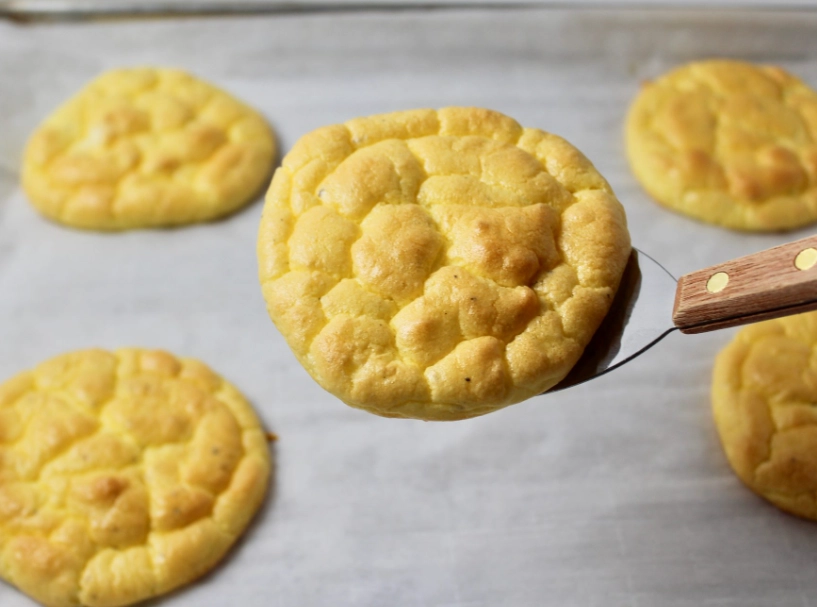
Sift your flour (or flour/cornstarch mix) over the yolk mixture. Sifting is important here to prevent lumps. Gently whisk it in until you have a smooth, thick paste. It will be quite dense, that's okay.
4. The Fold - Where Magic Happens (or Disasters Strike)
This is the most critical step. Take about one-third of your beautiful, stiff meringue and plop it into the bowl with the yolk paste. Use your spatula to stir and mix this portion in quite vigorously. This is to loosen up the thick paste and make its consistency closer to the meringue.
Now, pour this loosened yolk mixture back into the bowl with the remaining two-thirds of the meringue. Here, you must be gentle. Use the spatula to cut down through the center, scoop along the bottom, and fold over the top. Turn the bowl a quarter turn and repeat. You're incorporating them without deflating all the air you just worked so hard to put in. Fold until just combined. A few streaks of white are okay. Overmixing will deflate it.
5. Shaping and Baking
Using a large spoon or an ice cream scoop, dollop the mixture onto your prepared parchment paper. You can make them round like buns or slightly oval. They should be tall mounds, not spread out. They won't spread much, so you can place them fairly close together.
Bake in the preheated oven for 25-30 minutes. They should be puffed up, dry to the touch, and have a very, very pale golden color. Do not open the oven door before the 25-minute mark! The rush of cold air can make them fall.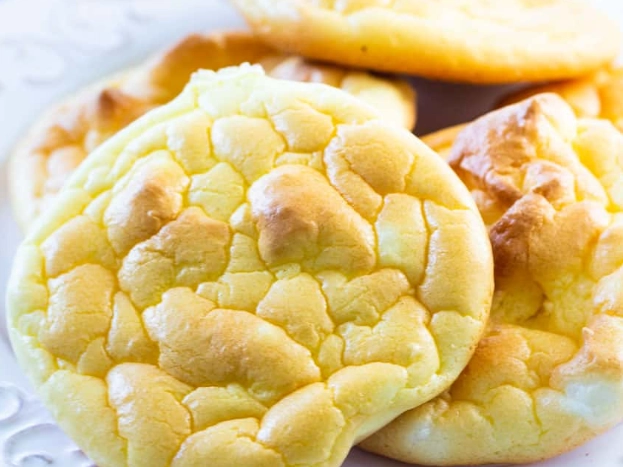
6. The Crucial Cool Down
When they look done, turn off the oven. Crack the oven door open just a sliver (I use the handle of a wooden spoon to prop it). Let the cloud bread sit in this cooling oven for at least 10-15 minutes. This gradual temperature change helps them set their structure and prevents shrinking. Then, transfer them to a wire rack to cool completely.
Watch Out: They will be fragile when warm. Let them cool fully before you try to tear into one. The texture fully sets as they cool.
And there you have it. The basic, perfect Japanese cloud bread recipe. But who wants just plain, right?
5 Flavor Twists to Make It Your Own
The basic cloud bread is a blank, delicious canvas. Here are my five favorite ways to jazz it up. You add these flavorings to the yolk mixture before folding.
| Flavor | What to Add | Best For | My Honest Take |
|---|---|---|---|
| Matcha Green Tea | 1-2 tsp high-quality matcha powder (sifted with the flour). | A classic Japanese twist, fantastic with red bean paste or a drizzle of honey. | Use ceremonial grade if you can. Culinary grade can be bitter. The color is stunning. |
| Black Sesame | 1 tbsp finely ground black sesame seeds (a coffee grinder works) + ½ tsp sesame oil. | A nutty, sophisticated flavor. Great with savory cream cheese or just on its own. | Grinding them fresh is key. Pre-ground loses its aroma. This is my personal favorite. |
| Cocoa | 1 tbsp unsweetened cocoa powder (sifted) + an extra ½ tbsp of sugar. | A chocolatey treat. Fill with whipped cream and berries for a dessert. | Can make the bread a tad denser. Don't overdo the cocoa or it might not rise as high. |
| Cheese & Herbsol;\ Herbs | 2 tbsp finely grated Parmesan + 1 tsp dried herbs (oregano, thyme). | Savory breakfast sandwiches or soup dippers. Unreal with a fried egg inside. | Adds a wonderful umami punch. The cheese can make the exterior a bit more golden. |
| Citrus Zest | Zest of 1 lemon, lime, or orange. | A bright, fresh flavor. Perfect with a light yogurt glaze or fresh fruit. | Microplane the zest finely. Only the colorful part, the white pith is bitter. |
Feel free to mix and match. A little matcha and black sesame together? Why not.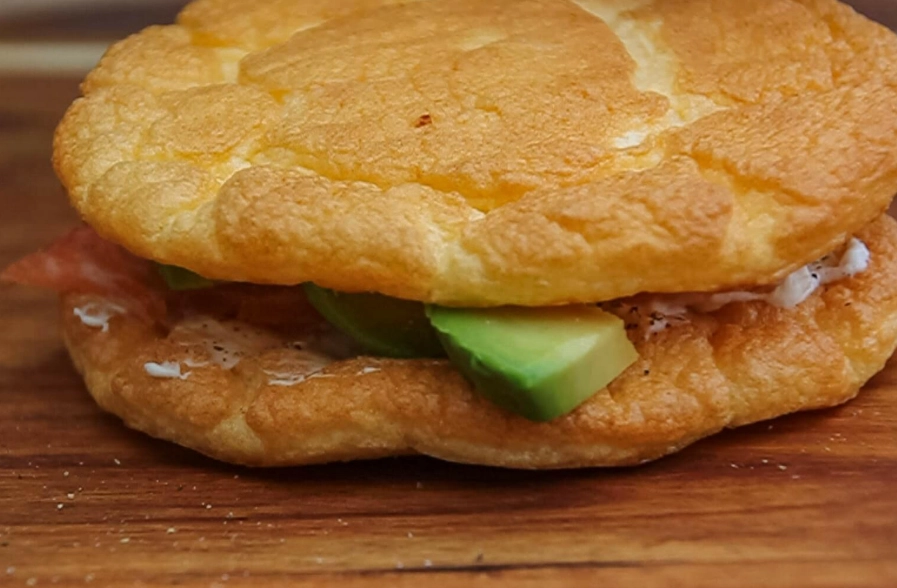
Why Did My Cloud Bread Fail? Troubleshooting Guide
We've all been there. You pull out a tray of flat, sad discs instead of fluffy clouds. Let's diagnose it.
Flat and Dense: This almost always traces back to the meringue. Egg whites not room temp? Bowl or whisk had a trace of fat (yolk, oil)? Sugar added too fast or not whisked long enough? Meringue was only at soft peaks, not stiff peaks? Or, you were too rough during the folding and knocked all the air out.
Weeping or Beading Moisture: The meringue was unstable. Often due to undermixing or sugar not fully dissolving. The bread might also be underbaked. It needs that full time to dry out the interior structure.
Collapsed in the Middle: Oven door opened too early. Temperature was too high, causing it to rise too fast and then fall. Or, it needed that slow cooling period in the cracked oven.
Too Brown or Tough on Bottom: Oven rack might be too low. Try baking on a higher rack. Or, your oven runs hot – try lowering the temperature by 25°F next time.
Tastes Too Eggy: This can happen, especially if the eggs weren't super fresh. Using the cornstarch/flour blend really helps mitigate this. Also, a tiny drop of vanilla extract or a pinch of cream of tartar in the whites can neutralize the eggy flavor without being noticeable.
Your Japanese Cloud Bread Questions, Answered
The Final Word: Is This Japanese Cloud Bread Recipe Worth It?
Look, it's not as simple as dumping ingredients in a bread machine. It requires a bit of focus, a clean bowl, and some patience. But is it worth it? A hundred times yes.
When you pull a tray of perfectly puffed, snow-white clouds from your own oven, the feeling is pure magic. You made that. You created that ethereal texture. It's a showstopper for a brunch, a fun project with kids (they love watching the mixer work), and a genuinely delicious alternative to heavy breads.
Start with the basic recipe. Master the meringue and the fold. Get that perfect, light-as-air texture down. Then, start playing with the flavor variations. Make a batch of matcha for your afternoon tea, and a batch of cheesy-herb for your weekend eggs.
The true beauty of this Japanese cloud bread recipe is in its simplicity and its spectacular results. It turns basic pantry ingredients into something that feels special, something that genuinely lives up to its fluffy, cloud-like name. So go on, preheat that oven, and get ready to bake a little piece of edible sky.