Let me tell you, the first time I made French onion soup, I was in a hurry. I cranked the heat, stirred the onions like I was scrambling eggs, and expected magic in 15 minutes. What I got was a pale, slightly bitter broth that tasted nothing like the deep, soul-warming bowl I remembered from a Parisian bistro. It was a lesson learned the hard way: this soup isn't about speed; it's about patience and a few non-negotiable techniques. The good news? Once you know them, making an authentic, incredible classic French onion soup at home is straightforward. It's the ultimate comfort food project.
What You'll Find in This Guide
The Onion Truth: Choosing and Slicing
This soup has "onion" in the name for a reason. They are the star. Using the wrong type or cutting them poorly sets you up for failure before you even turn on the stove.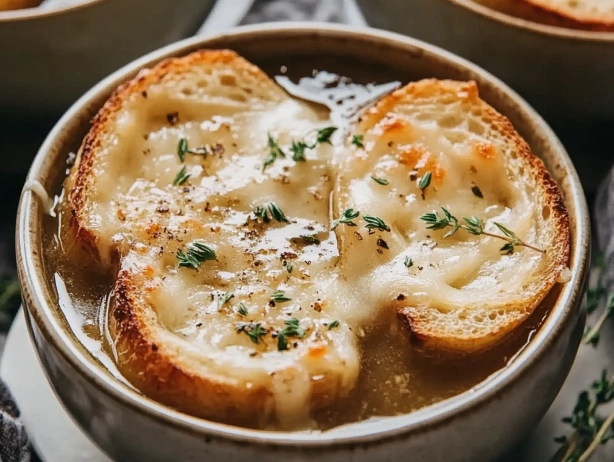
Yellow onions are your best friend. They offer the ideal balance of sharpness and sugar, which translates to the most complex caramelized flavor. Sweet onions (like Vidalias) can work but might be too one-note sweet. Red onions will turn your broth a strange color. Avoid white onions for this—they're better raw.
Now, the cut. This is a subtle point most recipes gloss over. You want uniform slices, about 1/8-inch thick. Why?
Too thin, and they'll burn or disintegrate into mush. Too thick, and they'll take forever to soften and caramelize evenly, leaving you with some crunchy bits. I use a mandoline for perfect consistency, but a sharp knife and a bit of care work just fine. The key is consistency so everything cooks at the same rate.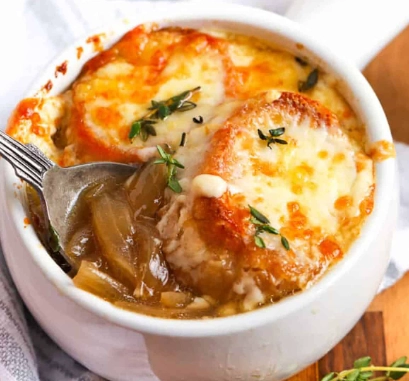
Pro Tip: Don't throw away the onion skins and the root-end trimmings! Toss them into a pot with your store-bought beef broth and let them simmer for 20-30 minutes while you caramelize the sliced onions. Strain it out. This easy trick infuses an incredible depth of onion essence into your base, mimicking a long-simmered homemade stock.
The Caramelization Process: Low and Slow is the Only Way
This is the heart of the recipe. Caramelization is not sautéing. It's a chemical process where the natural sugars in the onions break down and brown, creating hundreds of new flavor compounds. You cannot rush it.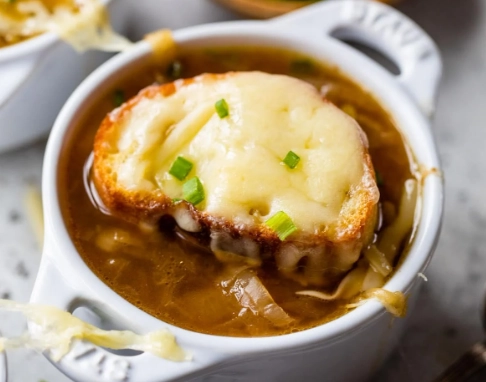
Here’s the step-by-step most people get wrong:
- Melt butter and olive oil in a heavy-bottomed pot or Dutch oven over medium-low heat. The oil raises the smoke point of the butter. Use 2 tablespoons of each.
- Add all your sliced onions and a big pinch of salt. The salt helps draw out moisture.
- Stir to coat the onions in the fat, then… leave them alone. Seriously. Let them cook down for a good 15-20 minutes before you even think about stirring again. They will release a lot of water and look steamy.
- After this initial softening, you can stir occasionally—maybe every 10-15 minutes. The goal is to let the onions stick to the bottom a bit and develop fond (those browned bits), but not let them burn. If they start to look too dark too fast, add a splash of water to deglaze the pan and lower the heat.
- This process takes at least 45 minutes, and often closer to 60-75 minutes. You're looking for a deep, even, mahogany brown color. They will have reduced in volume by about two-thirds. This patience is what separates a good soup from a transcendent one.
Let me be clear: if your onions aren't a deep brown, your soup will taste weak. No amount of broth or seasoning can compensate for under-caramelized onions.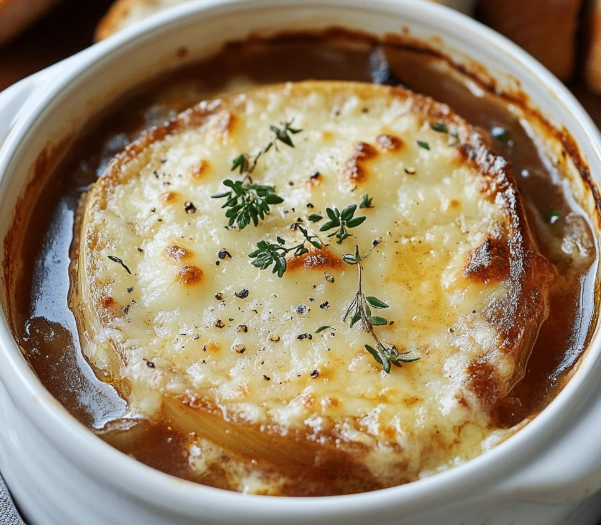
Building a Rich, Flavorful Broth
Once your onions are gloriously caramelized, it's time to build the liquid base.
- Deglaze with wine: Pour in about 1/2 cup of dry white wine (or dry vermouth). Use a wooden spoon to scrape up all the delicious browned bits (fond) from the bottom of the pot. This is pure flavor. Let the wine simmer until it's almost completely evaporated.
- Add flour: Sprinkle about 2 tablespoons of all-purpose flour over the onions. Stir and cook for 1-2 minutes. This creates a roux that will slightly thicken the soup and give it a nicer body.
- Add broth: Slowly pour in about 6 cups of rich beef broth. You can use homemade, but a good quality store-bought low-sodium beef broth works perfectly. I often use a combination of beef and a splash of chicken broth for complexity. Bring to a boil, then reduce to a simmer.
- Season and simmer: Add a few sprigs of fresh thyme (or 1/2 teaspoon dried thyme), a bay leaf, and some freshly ground black pepper. Do not add salt yet—the broth may reduce and become salty. Let the soup simmer uncovered for about 30-45 minutes. This allows the flavors to meld and the broth to concentrate.
- Taste and adjust: Now is the time to taste. Add salt if needed, and maybe a splash of Worcestershire sauce or a teaspoon of Dijon mustard for an extra layer of umami. Remove the thyme sprigs and bay leaf.
Assembly and Broiling: The Grand Finale
The iconic cheesy crouton topping is what makes French onion soup, well, French onion soup. Getting it right is crucial.
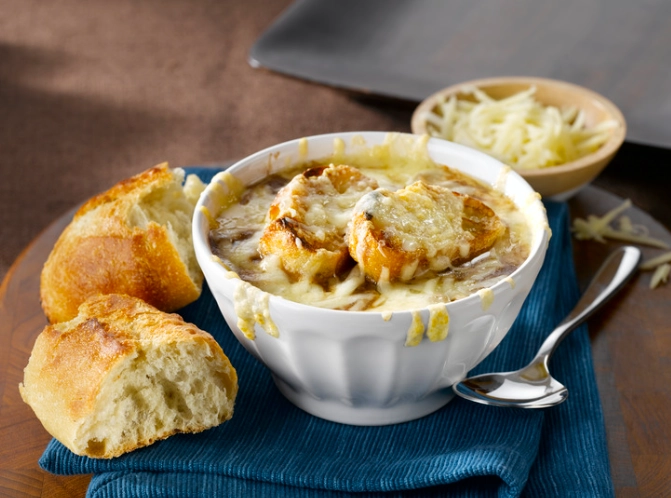
- Prepare the bread: While the soup simmers, slice a baguette into 1-inch thick slices. Brush them lightly with olive oil and toast in a 400°F (200°C) oven until golden and crisp. This step is vital—soft bread will turn to mush under the soup. You want a sturdy crouton.
- Choose the right cheese: Gruyère is the classic. It melts beautifully and has a nutty, slightly sweet flavor. Comté or Emmental are also excellent. Do not use pre-shredded cheese. The anti-caking agents prevent it from melting smoothly. Grate your own cheese from a block.
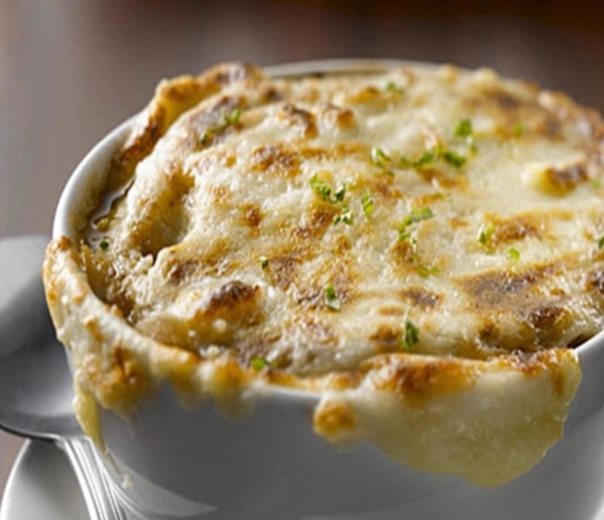
- Broil safely: Ladle the hot soup into oven-safe bowls (like ramekins or crocks). Place them on a sturdy baking sheet. Float a toasted baguette slice on top of each bowl. Pile a generous handful of grated cheese on top of the bread, letting some spill over the edges onto the rim of the bowl. This helps anchor it.
- Broil on high for 3-5 minutes, watching closely, until the cheese is melted, bubbly, and spotty brown. Let the soup cool for a few minutes before serving—the bowls and cheese will be molten lava hot.
Troubleshooting Your Soup (FAQs)
Mastering this classic French onion soup recipe is about embracing the slow transformation of simple ingredients. The rich, sweet depth of the caramelized onions against the savory beef broth, all topped with that glorious blanket of melted, bubbly cheese… it's worth every minute. Make it ahead for a cozy dinner party centerpiece or a special weekend treat. Once you've had the real deal, you'll never go back to a bland, under-caramelized version again.