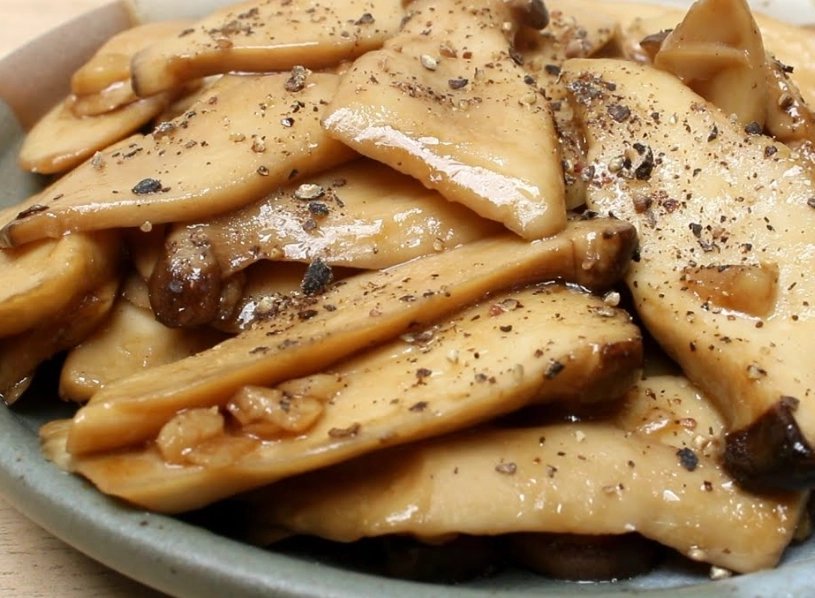
Let's be honest, the first time I saw Jerusalem artichokes at the farmers' market, I was completely confused. They looked like knobby little pieces of ginger, and the name was a mouthful. I bought a handful on a whim, got them home, and then stared at them in my kitchen, wondering what on earth I was supposed to do. Sound familiar? If you're searching for Jerusalem artichoke recipes, you're probably in that same spot – intrigued but a little lost.
Quick Navigation
- Getting to Know Your Jerusalem Artichokes
- Top Cooking Methods for Sunchokes
- Can't-Fail Jerusalem Artichoke Recipes to Try First
- Leveling Up: More Advanced Recipe Ideas
- Pairing Flavors: What Goes Well with Jerusalem Artichokes?
- Buying and Storing Your Sunchokes
- Your Jerusalem Artichoke Recipes Questions, Answered
- Final Thoughts on Cooking with Sunchokes
Well, after years of experimenting (and yes, a few failed dishes), I can confidently say these ugly-duckling tubers are one of my favorite winter vegetables. They're not from Jerusalem, and they're not artichokes. Their real name is sunchoke, which makes more sense because they're the tuber of a type of sunflower. But whatever you call them, their flavor is fantastic – a sweet, nutty, slightly earthy taste that's somewhere between a water chestnut and a sunflower seed. The texture can be crisp when raw or beautifully creamy when cooked.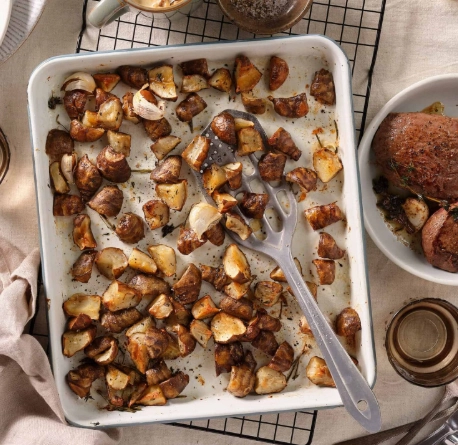
The big draw for many people is the health angle. Jerusalem artichokes are packed with inulin, a prebiotic fiber that's fantastic for gut health. It feeds the good bacteria in your intestines. But here's the thing nobody tells you upfront – that same inulin can cause, ahem, significant gas and bloating if you're not used to it. I learned that the hard way after eating a huge portion of roasted sunchokes. My advice? Start with small servings. Your digestive system will thank you.
So, you've got these weird-looking tubers and you're ready to cook. Where do you start? The good news is that Jerusalem artichoke recipes are incredibly versatile. You can roast them, mash them, turn them into soup, or even eat them raw in a salad. Their neutral, slightly sweet flavor plays well with all sorts of herbs and spices.
Getting to Know Your Jerusalem Artichokes
Before we jump into the recipes, let's talk prep. This is the most important step and where a lot of people get tripped up.
First, washing. Those knobs and crevices trap a lot of dirt. I usually give them a good scrub under running water with a stiff vegetable brush. You don't have to peel them. The skin is thin and edible, and peeling those gnarly shapes is a nightmare. Just scrub well. Some chefs do peel them for a more refined puree, but for most Jerusalem artichoke recipes, leaving the skin on is fine and adds texture.
Pro Tip to Prevent Discoloration: Like potatoes and apples, sunchokes brown quickly when cut and exposed to air. If you're prepping them ahead of time, toss the chunks in a bowl of water with a squeeze of lemon juice or a splash of vinegar. This little trick keeps them looking fresh.
Now, about that inulin and the potential for digestive upset. It's a real concern and the main reason some people avoid these otherwise delicious tubers. Cooking them thoroughly helps break down some of the inulin. Roasting until very tender or boiling them for soups seems to make them more digestible for most people than eating them raw. Also, pairing them with herbs like thyme, sage, or bay leaf during cooking isn't just for flavor—some old culinary texts suggest these herbs can aid digestion. Whether that's scientifically proven, I can't say, but it certainly makes for a tastier dish.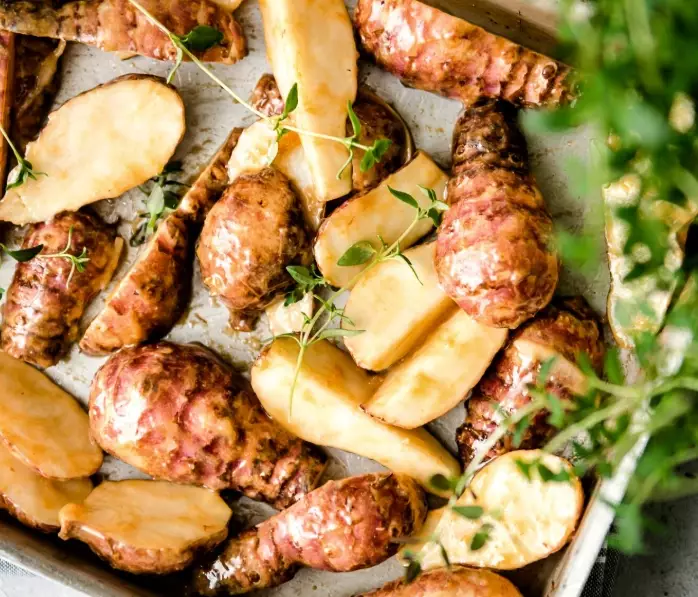
Top Cooking Methods for Sunchokes
How you cook them dramatically changes their character. Here’s a quick breakdown of the best methods.
| Method | Best For | Flavor & Texture Result | My Personal Take |
|---|---|---|---|
| Roasting | Side dishes, snacks | Caramelized, crispy edges, tender interior. Sweetness intensifies. | My absolute favorite. The high heat brings out an incredible nutty sweetness. Toss with olive oil, salt, and rosemary. |
| Pureeing/Soup | Silky soups, creamy mashes | Luxuriously smooth, velvety texture. Mild, comforting flavor. | The best way to impress guests. Blends into the most elegant, creamy soup without needing cream. A top-tier Jerusalem artichoke recipe for dinner parties. |
| Sautéing or Pan-Frying | Quick sides, hash, breakfast dishes | Crisp-tender, retains some bite. Buttery flavor. | Great for a quick weeknight side. Slice them thin and cook like breakfast potatoes. They get lovely golden spots. |
| Eating Raw | Salads, slaws, crudité | Very crisp, juicy, with a flavor like a water chestnut or jicama. | Refreshing, but go easy. The raw inulin can be hardest to digest. I love thin slices in a winter salad for crunch. |
See what I mean? Versatile. Once you understand these basic methods, you can adapt almost any potato or root vegetable recipe to use sunchokes.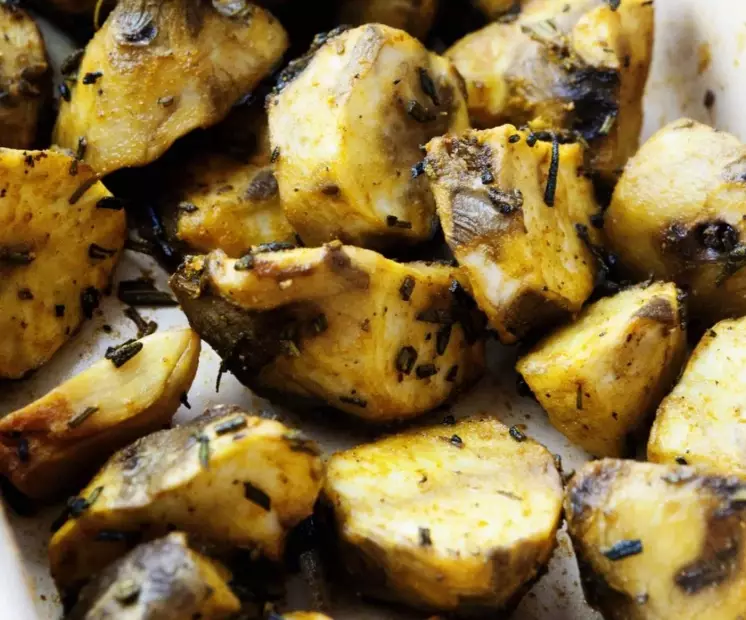
Can't-Fail Jerusalem Artichoke Recipes to Try First
Okay, let's get to the good stuff. If you're new to cooking with them, start here. These are my most-repeated, crowd-pleasing (digestion-pleasing) Jerusalem artichoke recipes.
Creamy Roasted Jerusalem Artichoke Soup (No Cream Added)
This is the recipe that made me fall in love with sunchokes. It's deceptively simple and highlights their natural ability to create a creamy texture. You can find variations on professional chef sites like BBC Good Food, but my version is stripped back to the essentials.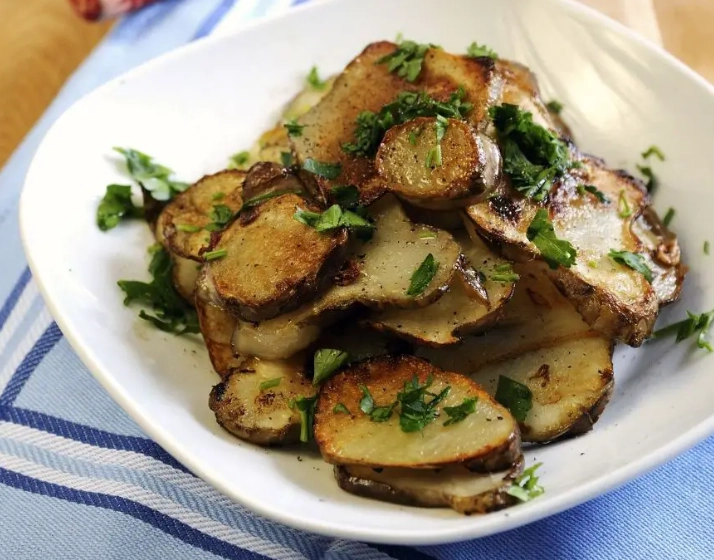
You'll need: 2 lbs Jerusalem artichokes (scrubbed, roughly chopped), 1 onion (chopped), 2 cloves garlic, 4 cups vegetable or chicken stock, 2 tbsp olive oil, salt, pepper, fresh thyme.
Toss the chopped sunchokes and onion with oil, salt, and pepper. Roast on a tray at 400°F (200°C) for about 30-40 minutes until tender and browning at the edges. This roasting step is non-negotiable—it builds the flavor base. Transfer everything to a pot, add the garlic and stock. Simmer for 15 minutes. Blend until silky smooth. The soup will be naturally thick and creamy. Adjust seasoning and finish with a sprinkle of fresh thyme. It tastes rich and luxurious, but it's surprisingly light.
Honey & Thyme Roasted Jerusalem Artichokes
This is the ultimate side dish. It converts sunchoke skeptics. The honey caramelizes in the oven, creating sticky, sweet, and savory nuggets.
Scrub and chop your sunchokes into even, bite-sized pieces. Parboil them in salted water for 5 minutes. This helps them get fluffy inside while roasting. Drain well. Toss in a bowl with olive oil, a generous tablespoon of honey, lots of fresh thyme leaves, salt, and black pepper. Spread on a parchment-lined baking sheet. Roast at 425°F (220°C) for 25-35 minutes, turning once, until deeply golden and crispy. Finish with a flaky sea salt.
So simple. So good.
Raw Sunchoke, Apple, and Walnut Salad
For a bright, crunchy change of pace. Use a mandoline or sharp knife to slice the sunchokes very thinly. Immediately toss with lemon juice to prevent browning. Add thin apple slices, toasted walnuts, and a handful of bitter greens like arugula or radicchio. Dress with a simple vinaigrette of lemon juice, olive oil, a touch of Dijon mustard, salt, and pepper.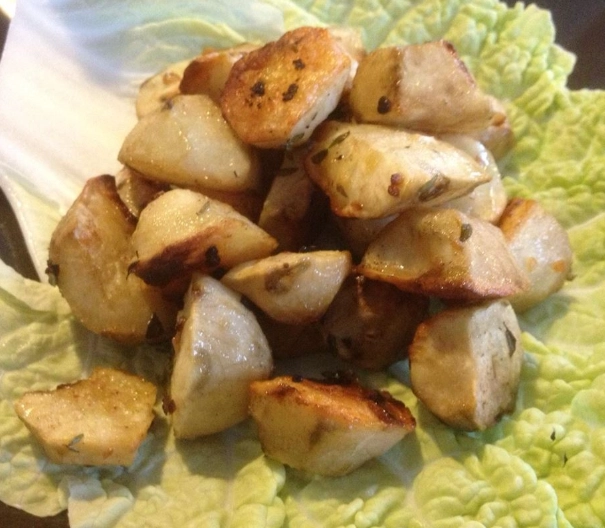
Remember: This is a raw recipe. If you have a sensitive stomach, keep your portion small or try one of the cooked Jerusalem artichoke recipes first to see how you tolerate them.
Leveling Up: More Advanced Recipe Ideas
Once you're comfortable, these ideas can make sunchokes the star of a more complex meal.
Sunchoke Gratin: Think potato gratin, but better. Layer thin slices with garlic, cream, and Gruyère cheese. Bake until bubbly and golden. The inulin makes them absorb the cream beautifully.
Jerusalem Artichoke Mash: Boil chunks until tender, then mash with butter, a splash of milk or cream, and plenty of salt. It's fluffier and sweeter than potato mash. Amazing with roast chicken or pork.
Pickled Sunchokes: This is a great way to preserve them. Pickle small, whole ones with spices like coriander and peppercorns. They make a fantastic, crunchy condiment for cheese boards.
I once tried to make sunchoke fries. The result was a bit limp and didn't get as crispy as I'd hoped. They have less starch than potatoes. So if you want fries, stick with potatoes. But for almost everything else, they're a brilliant substitute.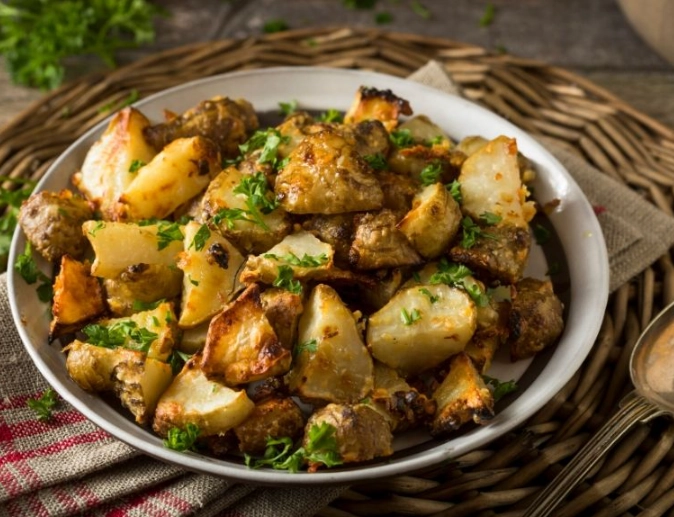
Pairing Flavors: What Goes Well with Jerusalem Artichokes?
Their sweet, nutty flavor is a great canvas. Here’s what I love pairing them with:
- Herbs: Thyme, rosemary, sage, bay leaf, chives.
- Dairy: Butter, cream, Parmesan, blue cheese, goat cheese.
- Acids: Lemon juice, apple cider vinegar, white wine.
- Proteins: Roast chicken, pork chops, sausages, white fish, scallops.
- Other Veg: Mushrooms, leeks, onions, apples, walnuts.
Think of autumn and winter flavors. That's their natural season, and the pairings reflect that.
Buying and Storing Your Sunchokes
Look for firm tubers without too much wrinkling or soft spots. The knobbier they are, the more annoying they are to clean, but flavor is the same. You can find them at farmers' markets, specialty grocers, and sometimes in the organic section of larger supermarkets in late fall through early spring.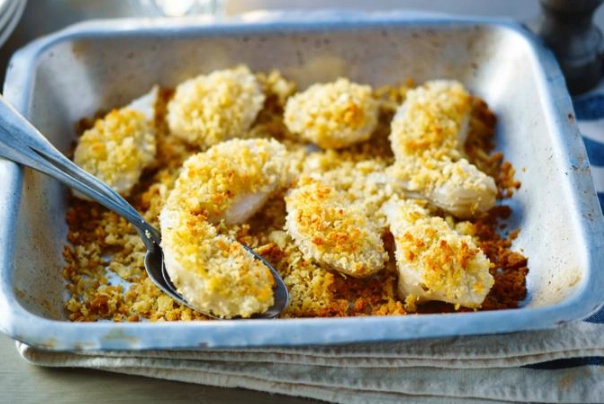
Store them loosely in a paper bag in the crisper drawer of your fridge. Don't seal them in plastic, as they need to breathe. They should last a week or two. If they start to sprout, you can still use them—just snap off the sprouts.
Your Jerusalem Artichoke Recipes Questions, Answered
Final Thoughts on Cooking with Sunchokes
Don't let their weird appearance or infamous side effects scare you off. Jerusalem artichoke recipes offer a unique and delicious way to add variety to your cooking. Start with a simple roast or that creamy soup. Pay attention to how your body reacts, and enjoy them in moderation.
The key is to treat them like any other root vegetable but respect their unique properties. They reward you with a flavor that's entirely their own. Once you get past the initial learning curve, you'll find yourself looking forward to their season.
I keep coming back to them year after year. There's something satisfying about turning these humble, knobby tubers into something truly special on the plate. Give one of these Jerusalem artichoke recipes a try this week. You might just discover a new favorite ingredient.