Your Pickle Roadmap
- The Foundation: Your Go-To Classic Pickled Cucumber Recipe
- Beyond the Basics: The Three Paths to Pickled Cucumbers
- The Top 5 Reasons Your Pickled Cucumber Recipe Might Fail (And How to Fix It)
- Spice It Up: Flavor Variations on Your Pickled Cucumber Recipe
- Your Pickled Cucumber Recipe Questions, Answered
- From Jar to Table: How to Actually Use Your Pickled Cucumbers
Let's be honest. You've probably tried a pickled cucumber recipe before. Maybe it was from a well-meaning aunt, a random blog, or the back of a vinegar bottle. And maybe, just maybe, the results were... disappointing. Soggy, too sweet, not tangy enough, or just plain weird. I've been there. My first batch turned out so soft you could spread it on toast. Not the goal.
But that's why we're here. Making perfect pickled cucumbers isn't about following a rigid, mysterious formula. It's about understanding a few simple principles. Once you get those, you can make pickles that are crisper, tangier, and more satisfying than anything from a store shelf. And the best part? It's incredibly simple. We're going to break down everything, from the absolute foolproof classic to funky fermented versions, and answer every question that might pop up along the way.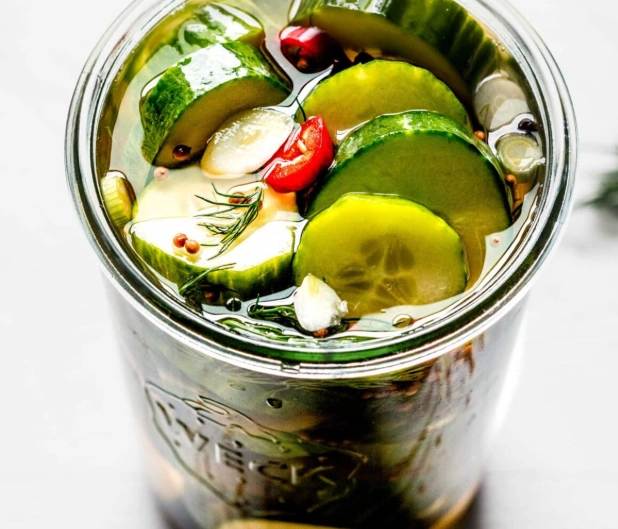
Why bother making your own? Control. You control the crunch, the salt, the sweetness, and the spices. No weird preservatives, no excessive sugar. Just cucumbers and flavor.
The Foundation: Your Go-To Classic Pickled Cucumber Recipe
This is the one I come back to again and again. It's a vinegar-brine, quick-pickle method, meaning you can eat them in a few hours (though they get better after a day or two). They're refrigerator pickles, so no complicated canning is required. Perfect for beginners.
The Non-Negotiable Ingredients
- Cucumbers: About 1 pound. This is crucial—use pickling cucumbers (like Kirby). They're smaller, firmer, and have fewer seeds. Salad cucumbers will almost always get mushy. If you can only find the big ones, peel them and scoop out the seeds.
- Vinegar: 1 cup of distilled white vinegar. It gives a clean, sharp tang. Apple cider vinegar works for a fruitier note, but it will darken the pickles.
- Water: 1 cup. It balances the acidity.
- Salt: 1 tablespoon of pickling or kosher salt. Not iodized table salt. The iodine and anti-caking agents can make the brine cloudy and affect flavor/texture.
- Sugar: 1 tablespoon of white granulated sugar. This isn't for sweetness, really. It rounds out the harsh edges of the vinegar. You can skip it, but I find the flavor more balanced with it.
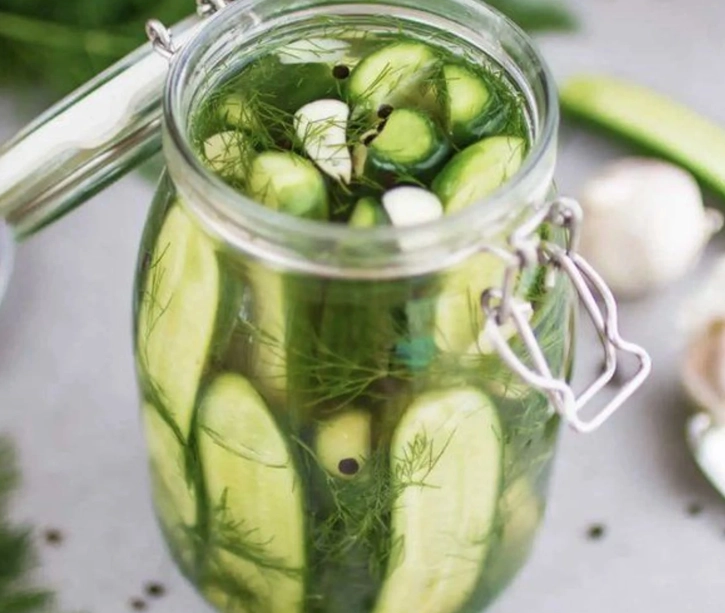
- Flavor Arsenal (The Fun Part): 2-3 cloves of garlic (smashed), 1 tablespoon of dill seeds (or a few fresh dill sprigs), 1 teaspoon of black peppercorns, 1/2 teaspoon of mustard seeds. A pinch of red pepper flakes if you like heat.
The Step-by-Step, No-Stress Process
First, wash your cucumbers. Scrub them. Trim off the blossom end (the one that's not the stem). There's an enzyme in the blossom end that can lead to soft pickles. I just slice off a tiny bit from both ends to be safe.
Slice them however you like—spears, chips, whole if they're tiny. Pack them tightly into a clean, heatproof quart jar (like a mason jar). Tuck the garlic and dill in between the slices.
Now, the brine. In a small saucepan, combine the vinegar, water, salt, and sugar. Bring it just to a boil, stirring until the salt and sugar dissolve. This is key—the hot brine helps penetrate the cucumbers quickly.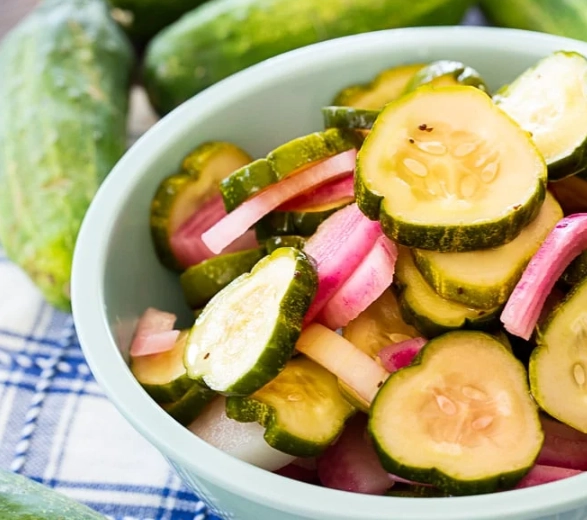
Carefully pour the hot brine over the cucumbers in the jar, leaving about half an inch of space at the top. Tap the jar gently on the counter to release any air bubbles. Screw on the lid.
Let it cool to room temperature on the counter. Then, into the fridge it goes. That's it. You can taste them after 4 hours, but for the best flavor, let them hang out for at least 24-48 hours.
This basic pickled cucumber recipe is your blank canvas. Once you're comfortable, you can start playing.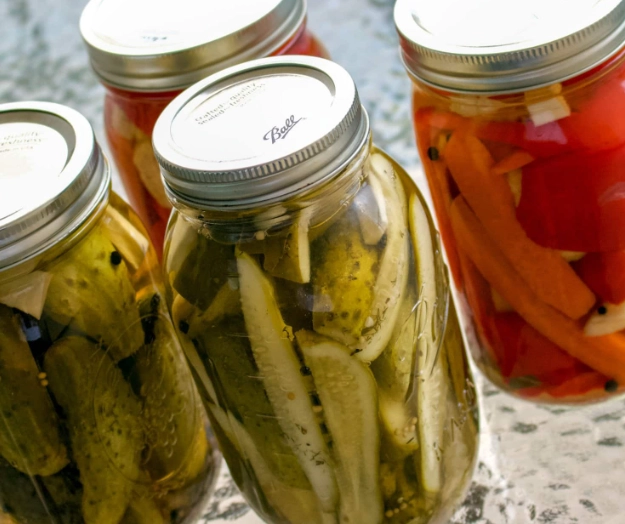
Beyond the Basics: The Three Paths to Pickled Cucumbers
Not all pickles are created equal. The method you choose changes the texture, flavor, and shelf-life dramatically. Here’s a breakdown to help you pick your path.
| Method | How It Works | Flavor & Texture | Time to Ready | Best For... |
|---|---|---|---|---|
| Quick Pickling (Vinegar Brine) | Cucumbers are covered in a hot, acidic solution of vinegar, water, salt, and spices. Preserved by acidity and refrigeration. | Bright, sharp, tangy. Crunchy but not as deeply crisp as fermented. Consistent texture. | 4 hours to 2 days | Beginners, immediate cravings, experimenting with flavors. The classic pickled cucumber recipe we just did. |
| Fermenting (Lacto-Fermentation) | Cucumbers are submerged in a saltwater brine. Naturally occurring bacteria (lactobacillus) convert sugars into lactic acid, preserving the veggies. | Complex, tangy, sour, often funky/garlick-y. Incredibly crisp and squeaky texture. Probiotic-rich. | 3 days to 3+ weeks | Pickle purists, gut-health enthusiasts, those seeking deep flavor and ultimate crunch. |
| Canning (Water Bath Processing) | Similar to quick pickling, but jars are fully sealed and processed in boiling water to create a shelf-stable product at room temperature. | Similar to quick pickles, but the heat processing can soften texture slightly over time. Long-lasting. | Ready after processing, but flavors meld over weeks. | Making large batches for long-term pantry storage without refrigeration. Requires strict safety steps. |
See the difference? That quick pickled cucumber recipe is your fast track to satisfaction. But if you're after that legendary deli-style crunch, fermentation is the holy grail.
A Quick Dive into Fermented Pickles (Because They're Worth It)
Fermented pickles scare some people. They shouldn't. It's arguably more natural than the vinegar method. Instead of a vinegar brine, you make a simple saltwater brine—about 1-2 tablespoons of non-iodized salt per quart of water. Pack your cukes and spices in a fermentation jar or crock, pour the brine over to completely submerge them, weigh them down with a glass weight, and cover with an airlock lid.
Leave it on your counter, out of direct sun. In a few days, you'll see tiny bubbles. That's the good bacteria at work! Let it go for at least a week, tasting along the way. When it's sour enough for you, move the whole jar to the fridge. The cold drastically slows the fermentation. The flavor just keeps developing.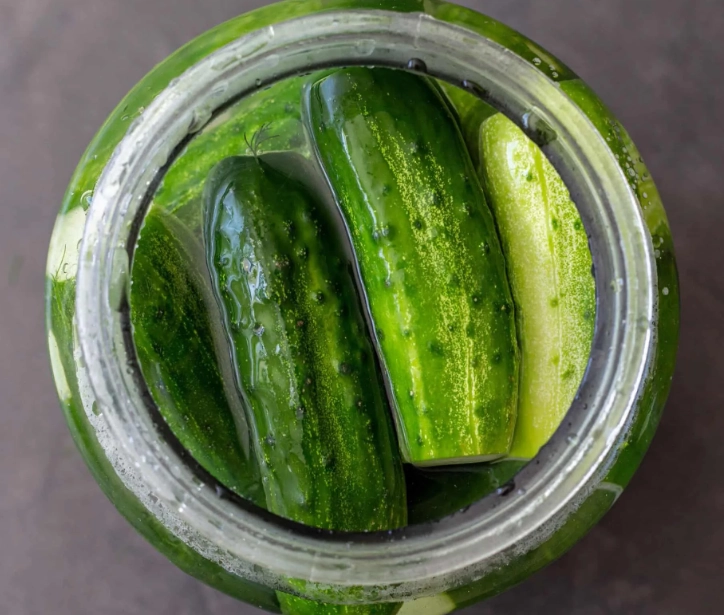
Important Safety Note: For detailed, science-backed guidelines on safe home fermentation to prevent the growth of harmful bacteria, refer to the National Center for Home Food Preservation's guide on pickling. It's an invaluable resource from a trusted .edu authority. The key is keeping everything submerged under the brine. Mold grows on exposure to air; the salty, acidic environment under the brine is safe.
The crunch on a properly fermented pickle is unlike anything else. It has a satisfying squeak. It's the pinnacle of the pickle-maker's art.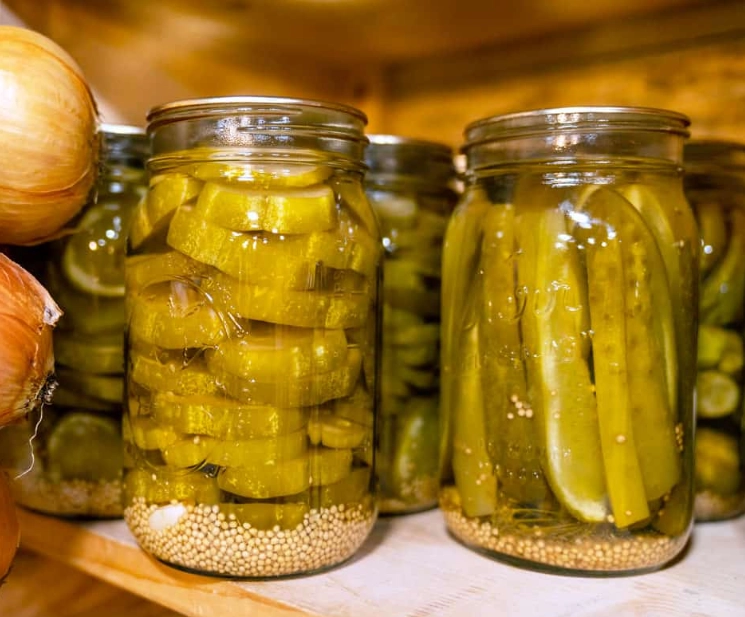
The Top 5 Reasons Your Pickled Cucumber Recipe Might Fail (And How to Fix It)
We've all had pickle fails. Let's troubleshoot the common ones so yours don't join the hall of shame.
- Mushy, Soggy Pickles. The #1 complaint. Causes: Using the wrong cucumber (see above). Not trimming the blossom end. Brine wasn't hot enough when poured. Not using a crisping agent (like a tannin-rich leaf). Over-processing during canning. Fix: Use Kirby cukes, trim ends, pour hot brine, add a grape leaf.
- Pickles Are Too Sweet/Sour/Salty. This is an easy fix for the next batch, but you can sometimes rescue this one. Too sweet? Add a splash of straight vinegar to the jar. Too sour? Add a pinch of sugar. Too salty? Pour out some brine and replace it with fresh, cold water. It won't be perfect, but it can be saved.
- Cloudy Brine. Can be normal in fermentation (it's the bacteria!). But in vinegar pickles, it's often from using iodized salt, hard water, or spices with fine powders. It's usually harmless but unattractive.
- Hollow Pickles. Usually happens with overgrown cucumbers that have big seed cavities. Stick to smaller, firmer pickling cucumbers.
- Soft Pickles After Months in the Fridge. Even refrigerator pickles will eventually soften. That's just nature. They're best eaten within 1-2 months for optimal texture.
Honestly, most problems are solved by starting with the right cucumber. It feels like 80% of the battle.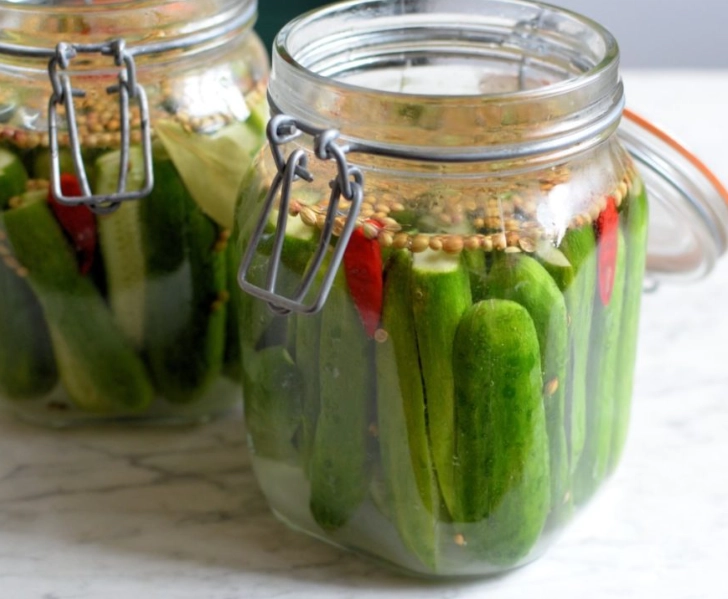
Spice It Up: Flavor Variations on Your Pickled Cucumber Recipe
The basic recipe is a launchpad. Here are some of my favorite spins.
Global Pickle Inspirations
- Bread & Butter Style: Add 1/4 cup more sugar, 1/2 teaspoon turmeric, 1/2 teaspoon celery seeds. Sweet, tangy, and that iconic yellow color.
- Spicy Garlic Dill: Add 5-6 cloves of garlic and 2-3 sliced jalapeños or a teaspoon of crushed red pepper flakes. For serious heat, add a sliced habanero.
- Asian-Inspired: Replace half the vinegar with rice vinegar. Add a few slices of ginger, a star anise pod, and a tablespoon of soy sauce to the brine. Unreal with sushi bowls.
- Polish/Old-World Style: Add a few sprigs of fresh horseradish leaves (for crispness and a subtle bite) and more black pepper.
Don't be afraid to throw in other veggies either. Sliced onions, cauliflower florets, carrot sticks, and green beans are all fantastic when pickled with the cucumbers. It's a great way to clean out the fridge drawer.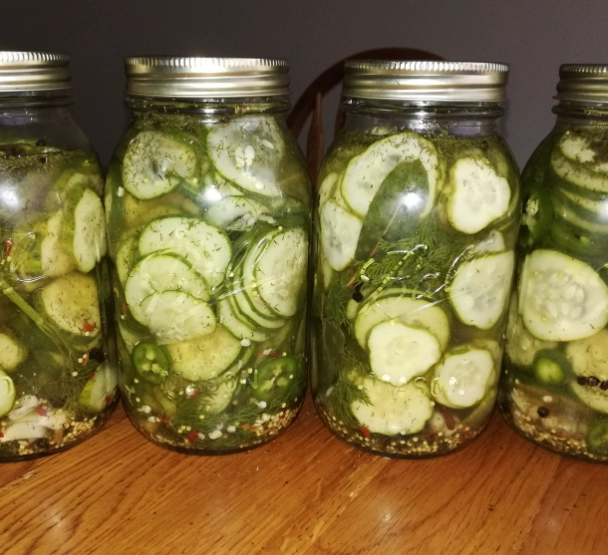
Your Pickled Cucumber Recipe Questions, Answered
I get asked these all the time. Let's clear them up.
See? Most worries have simple explanations.
From Jar to Table: How to Actually Use Your Pickled Cucumbers
They're not just for burgers anymore.
- The Classic: On burgers, hot dogs, sandwiches, next to a deli plate.
- Salad Booster: Chop them up and add to potato salad, tuna salad, or chicken salad for a briny punch. Way better than relish.
- Bloody Mary Garnish: The ultimate.
- Appetizer: Spears wrapped in slices of good ham or salami.
- With Rich Food: The acidity cuts through fatty dishes like pulled pork, fried chicken, or grilled cheese. It's a palate cleanser.
- Snack: Straight from the jar, standing in front of the open fridge. No judgment.
A great pickled cucumber recipe doesn't just give you a jar of pickles. It gives you a secret weapon for your cooking.
The path to perfect pickles isn't shrouded in mystery. It's in choosing the right cucumber, understanding your method (quick vinegar brine vs. fermentation), and not being afraid to experiment with flavors. Start with that classic vinegar pickled cucumber recipe. Master it. Then maybe venture into the bubbly world of fermentation. The worst that can happen is you learn something for next time. The best that can happen? You'll have a fridge full of crisp, tangy, incredible pickles that you made yourself. And that's a pretty good payoff for a little time and a few simple ingredients.
Go grab some Kirby cucumbers. Your future self, standing in front of the fridge with a perfectly crunchy pickle in hand, will thank you.