Quick Navigation
Let's be honest. The internet is flooded with tiramisu recipes. Some call for whipped cream, others use cream cheese (a crime, in my opinion), and a few even skip the coffee. It's enough to make your head spin. I spent years, and more than a few disappointing desserts, trying to pin down what makes a traditional tiramisu recipe truly authentic. Was it the type of ladyfinger? The brand of mascarpone? The secret, it turns out, isn't one single thing—it's a mindset.
This isn't just another list of ingredients and steps. This is the guide I wish I had when I first started. We're going to dig into the why behind every part of this classic Italian dessert. We'll talk about the non-negotiables, the places where you can flex a little, and the common mistakes that can turn your masterpiece into a mushy mess. I'll even share the story of my first tiramisu disaster (involving a soggy, collapsing mess that still haunts me). By the end, you'll have more than just a recipe; you'll have the confidence to make a tiramisu that would make an Italian nonna nod in approval.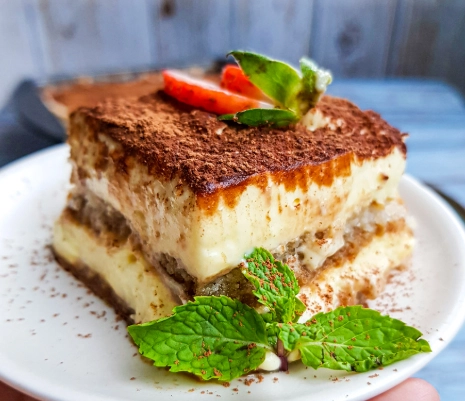
Why This Recipe Works (And Others Don't)
Before we even look at a shopping list, it's worth understanding what we're aiming for. A great authentic tiramisu has distinct, coffee-soaked (not drowned) layers that hold their shape. The cream is rich and velvety, not overly sweet or stiff. The cocoa on top should be a bitter contrast, not just a decoration. Many recipes fail because they try to cut corners or "improve" on a formula that doesn't need improving.
I once tried a version that used amaretto in the coffee dip. Sounds fancy, right? It completely overpowered the delicate coffee flavor. Another time, I over-whipped the mascarpone mixture, and it turned grainy instead of smooth. Learning from these fails is part of the process. This traditional tiramisu recipe focuses on technique and quality ingredients to avoid those pitfalls from the start.
The Foundation: Non-Negotiable Ingredients
You can't build a great house with weak bricks. The same goes for tiramisu. Let's break down each ingredient and why it matters so much.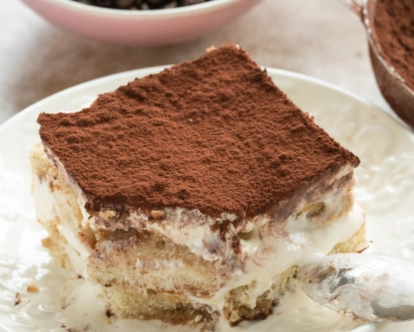
Mascarpone: The Heart of the Cream
This is not the place to save money. Mascarpone is a fresh, triple-creme cheese from Lombardy, Italy. It's rich, slightly sweet, and has a texture somewhere between cream cheese and thickened cream. The cheap stuff often has stabilizers and gums that can affect the texture and flavor of your final cream. Look for a brand that lists only cream and citric or tartaric acid. Polenghi or Galbani are widely available and reliable. If your mascarpone seems watery or separated, give it a good stir before using.
Eggs: The Raw Truth
This is the part that makes some people nervous. A traditional tiramisu recipe uses raw eggs. The eggs are what give the cream its structure and that iconic, airy texture. The risk of salmonella is very low with fresh, high-quality eggs, but it's not zero. If you're serving pregnant women, the elderly, or anyone immunocompromised, you have options.
- Source Wisely: Buy the freshest, highest-quality eggs you can find, preferably from a local source or organic. The USDA recommends using pasteurized shell eggs for recipes calling for raw eggs.
- Pasteurize at Home: You can gently heat the egg yolks with the sugar over a double boiler until they reach 160°F (71°C), then whip until cool and thick. It adds a step but gives peace of mind.
- Substitute: Some recipes use a zabaglione (a cooked egg yolk and Marsala wine custard) as the base, which is delicious but creates a different, richer flavor profile.
Coffee & Ladyfingers: The Dynamic Duo
The coffee soak is where the magic—or the tragedy—happens. You must use strong, freshly brewed espresso or very strong coffee. Instant coffee works in a pinch, but the flavor is flat. No sugar added to the coffee! The sweetness comes from the ladyfingers and the cream. Let it cool completely.
For the ladyfingers, you want Savoiardi. They are dry, crunchy, and oblong. Their porous structure is designed to absorb liquid without instantly turning to mush. Sponge cake or soft ladyfingers will disintegrate. Here's a quick comparison to clear up the confusion:
| Ingredient | The Right Choice | The Wrong Choice | Why It Matters |
|---|---|---|---|
| Coffee | Freshly brewed espresso, cooled | Weak coffee, flavored coffee, hot coffee | Provides the essential bitter, robust flavor base. Weak coffee makes a bland tiramisu. |
| Ladyfingers (Savoiardi) | Dry, hard, store-bought Italian Savoiardi | Soft sponge cake, homemade soft ladyfingers | They absorb coffee while retaining structure. Soft ones create a soggy, dense layer. |
| Cocoa Powder | Unsweetened, Dutch-processed | Sweetened hot chocolate mix | Provides a necessary bitter, dry contrast on top. Sweetened cocoa is cloying. |
See the pattern? Every choice leans towards balancing sweetness with bitterness, softness with structure.
The Step-by-Step Traditional Tiramisu Recipe
Alright, enough theory. Let's make it. This recipe serves 8-10 people comfortably. You'll need a 9x13 inch baking dish or a similar-sized rectangular serving dish.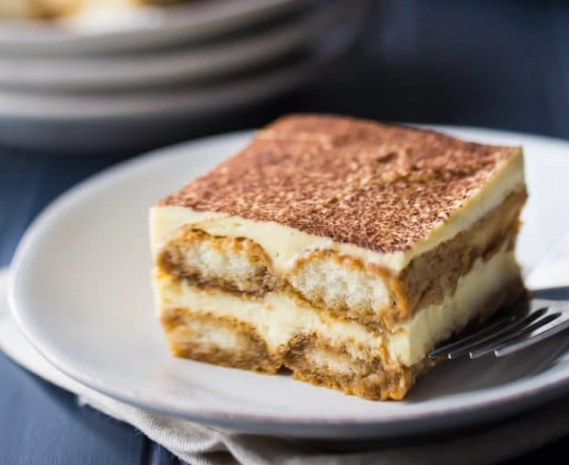
Part 1: Making the Legendary Cream
This is where the magic happens. You'll need a stand mixer or electric beaters and a bit of patience.
- Separate the eggs. Do this carefully—no yolk in the whites! I find it easiest to separate them when cold, then let them come to room temperature in their separate bowls.
- Whip the yolks and sugar. Put the egg yolks and all the granulated sugar into your mixer bowl. Whip on medium-high speed for a good 5-7 minutes. Don't rush this. You want them to become very pale yellow, thick, and form ribbons that hold their shape for a moment when you lift the beater. This is called the "ribbon stage."
- Incorporate the mascarpone. Add all the mascarpone to the yolk mixture. Start mixing on low speed until just combined, then switch to medium and mix for only about 1 minute, until smooth and unified. Over-mixing here can cause the fat to separate, making the cream grainy. Stop as soon as it's smooth.
- Whip the egg whites. In a scrupulously clean bowl (any grease will prevent peaks), whip the egg whites with a pinch of salt until they form stiff, glossy peaks. This means when you lift the beater, the peak stands straight up and doesn't flop over.
- Fold it all together. This is the most crucial technique. Using a large rubber spatula, add about one-third of the whipped egg whites to the mascarpone mixture. Gently fold it in to lighten the base. Then, carefully fold in the remaining whites. Use a gentle, sweeping motion from the bottom of the bowl up and over. You want to keep as much of that air in as possible. The final mixture should be light, airy, and homogeneous.
Set this gorgeous cream aside while you prepare the coffee bath.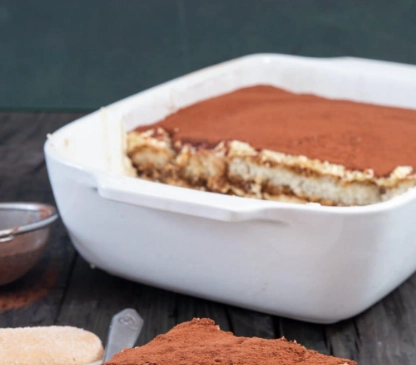
Part 2: Assembling with Confidence (Not Fear)
Brew your espresso and let it cool to room temperature in a wide, shallow bowl. A pie plate works perfectly.
- The Dip. Hold a ladyfinger vertically and quickly dip both sides into the coffee. I mean quickly—a one-second dip per side, max. You want it to absorb the coffee but still have a tiny bit of crunch in the very center. If it's saturated, it will fall apart and make the bottom layer soggy. This is the number one mistake people make. It should feel moist but not dripping.
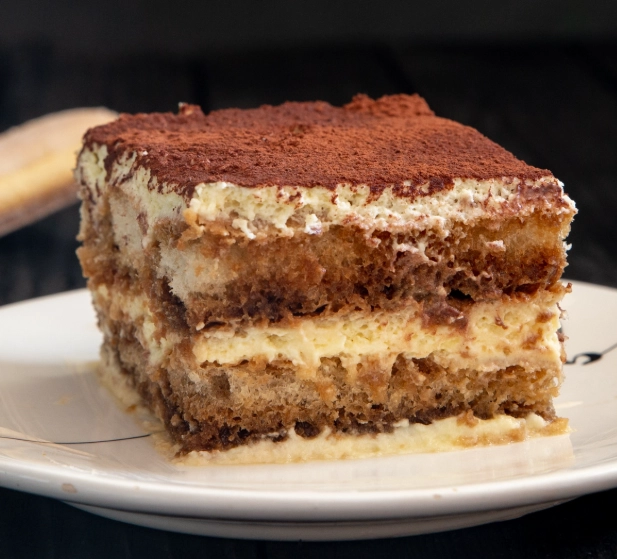
- The First Layer. Place the dipped ladyfingers snugly in a single layer on the bottom of your dish. Break some to fill in gaps.
- The First Cream Layer. Spread half of your mascarpone cream evenly over the ladyfingers.
- Repeat. Do another layer of quickly-dipped ladyfingers, followed by the remaining cream.
- The Chill. Cover the dish tightly with plastic wrap. This is non-negotiable. You must refrigerate it for at least 6 hours, but ideally overnight (12-24 hours). This waiting period is when the flavors marry, the cream sets, and the ladyfingers soften perfectly into cake-like layers. Skipping the full chill is the second biggest mistake.
Part 3: The Finishing Touch
Right before serving, dust the entire top generously with unsweetened cocoa powder using a fine-mesh sieve. Do this at the last minute, or the moisture from the cream will make the cocoa look blotchy.
And that's it. You've just made a classic, traditional tiramisu recipe.
Answering Your Tiramisu Questions (The FAQ I Needed)
I get it. Even with a detailed recipe, questions pop up. Here are the ones I searched for most often.
Can I make tiramisu without alcohol?
Absolutely! The most traditional tiramisu recipe contains no alcohol at all. The versions with Marsala wine or coffee liqueur are popular variations, but purists stick to just coffee. So you're actually being more authentic by leaving it out.
How long does homemade tiramisu last?
It keeps beautifully in the fridge for 3-4 days, tightly covered. In fact, many people think it tastes even better on the second day. Do not freeze it, as the texture of the cream and ladyfingers will be ruined upon thawing.
My cream turned out runny. What happened?
This usually boils down to one of three things: 1) The egg whites weren't whipped to stiff peaks, 2) The mascarpone was over-mixed and separated, or 3) It wasn't chilled long enough. The chilling step is what finalizes the setting of the cream.
Can I use something other than raw eggs?
Yes. As mentioned, using pasteurized eggs is the safest direct swap. You can also make a zabaglione. For a completely egg-free version, you'll have to venture far from tradition, using whipped cream as a stabilizer, but it won't have the same authentic texture or flavor.
Beyond the Classic: Respectful Variations
Once you've mastered the traditional tiramisu recipe, it's fun to play. But let's do it in a way that still honors the original spirit.
- The Boozy Twist: Add 2-3 tablespoons of Marsala wine or dark rum to the cooled coffee before dipping. Some also add a splash to the mascarpone cream.
- Fruit Infusion: Add a thin layer of fresh raspberries or sliced strawberries between the cream and ladyfinger layers. The tartness is amazing.
- Chocolate Lover's: Add a layer of finely chopped dark chocolate or chocolate shavings on top of the first cream layer.
- Nutty Crunch: Sprinkle some finely chopped, toasted hazelnuts or almonds between the layers for texture.
My personal favorite variation? I sometimes add a tiny bit of finely grated orange zest to the mascarpone cream. It adds a bright note that cuts through the richness without shouting.
But remember, these are variations. The true test of skill is nailing the simple, perfect balance of the original.
The Final Slice: Why This Recipe Sticks
Making a true traditional tiramisu recipe is a lesson in restraint and respect for ingredients. It's not the fastest dessert, nor the cheapest. But the result—a dessert that's simultaneously light and rich, bitter and sweet, structured and meltingly soft—is worth every second and every penny.
It's a dessert that feels special. It's what you make for a birthday, a holiday, or to impress the in-laws. It’s the dessert that makes people ask, "Can I get the recipe?"
So, go gather those five simple ingredients. Be patient with the whipping, gentle with the folding, and disciplined with the chilling. Your perfect, authentic tiramisu is waiting.