In This Guide
- Getting to Know Your Tahu: It's More Than Just a White Block
- The Non-Negotiable Prep: How to Treat Tahu Right
- Your First Great Tahu Recipe: Classic Indonesian Tahu Goreng (Fried Tofu)
- Leveling Up: More Tahu Recipes to Explore
- Tahu in Your Weekly Rotation: Quick Ideas & Applications
- Answering Your Tahu Questions (The FAQ)
- Wrapping It Up: Your Tahu Journey Starts Now
Let's talk about tofu. Or as it's known across Indonesia and much of Southeast Asia, tahu. It's that humble white block you've seen in the supermarket a thousand times. Maybe you've picked it up, felt its cool weight, and put it back down, thinking it's just for vegetarians or that it's too bland to be interesting. I used to think exactly the same thing.
Then I spent a summer learning from a home cook in Jakarta, and let me tell you, my whole perspective flipped. Tahu isn't bland; it's a blank canvas. It's not just for salads; it can be the crispy, saucy, savory star of the show. The real magic of a great tahu recipe isn't in some secret ingredient—it's in knowing how to handle it. That's what this guide is for. We're going to move from "meh" to "more, please" by covering everything. Not just a list of recipes, but the why and how behind them. How do you get it crispy without it sticking to the pan? What's the deal with all the different firmnesses? And how do you infuse it with so much flavor that it becomes addictive?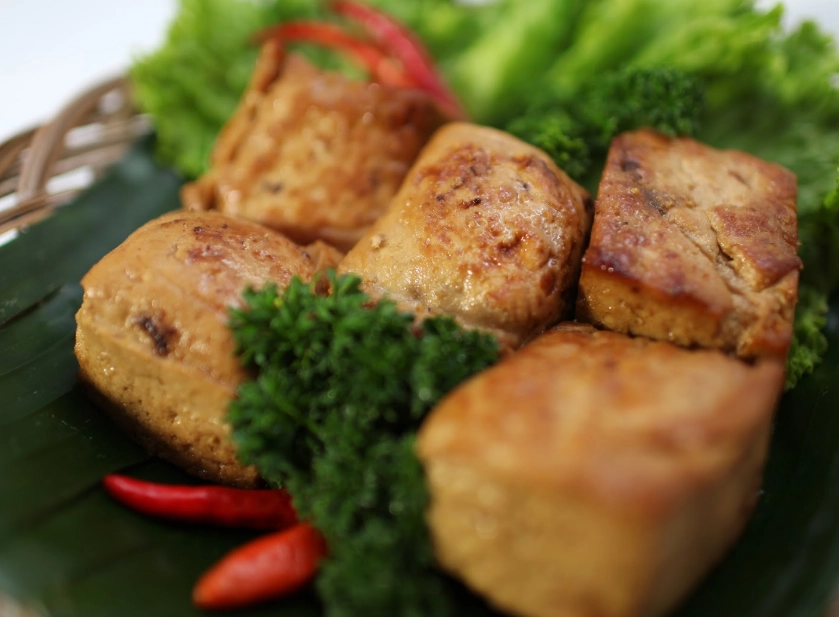
Stick with me. Whether you're a tofu newbie or you've cooked with it before but want to level up, this is your roadmap. We'll start with the absolute basics—choosing and prepping your tahu—and work our way up to some seriously delicious dishes that will make you wonder why you didn't start cooking with it sooner.
Getting to Know Your Tahu: It's More Than Just a White Block
Before you even turn on the stove, understanding what you're working with is half the battle. Tofu is made from soybeans, and the process is similar to making cheese. Soy milk is coagulated, and the resulting curds are pressed into blocks. The amount of pressing determines the texture. It's a fantastic source of plant-based protein, and organizations like the Harvard T.H. Chan School of Public Health note its nutritional benefits, including isoflavones. But we're here for the taste and texture.
Walking down the refrigerated aisle, you'll see several types. Choosing the wrong one for your tahu recipe is the most common first mistake. A silken tofu won't work for a stir-fry, and extra-firm tofu might not be the best choice for a silky soup.
Here’s a quick breakdown to keep on your phone for your next grocery run:
| Type of Tahu | Texture & Feel | Best Used For | Key Cooking Tip |
|---|---|---|---|
| Silken / Soft | Very delicate, jiggly, high water content. Falls apart easily. | Blending into sauces, desserts, smoothies, or gently steaming/poaching (like in miso soup or soon dubu). | Handle with extreme care. Often used straight from the package. |
| Medium / Regular | Softer than firm but holds a shape. Spongy texture. | Braises, stews, soups where you want it to absorb flavor but still be tender. Less common in Western stores. | Can be lightly pressed. Good for soaking up savory broths. |
| Firm | The all-rounder. Holds shape well, has a noticeable chew. | Stir-fries (like the classic tahu goreng), scrambles, grilling, baking. A very safe choice for most tahu recipes. | Always press it. This is your workhorse block. |
| Extra-Firm | Very dense, low water content, chewy. Sometimes labeled "Super Firm." | Where you want maximum crispiness or meaty texture: deep-frying, crumbing, cubing for salads, making "tahu burgers." | You can press it, but it's often dry enough to use directly. Great for absorbing marinades. |
| Pre-fried / Fried Tahu | Golden brown, puffy exterior with a hollow, spongy center. | Stuffing, adding to soups and salads for instant crunch. A huge shortcut in Indonesian cooking. | Usually requires a quick fry to re-crisp. Poke a hole to stuff with fillings. |
See? It's not so mysterious. For 90% of the tahu recipes you'll want to tackle, especially the savory, crispy ones, you'll be reaching for firm or extra-firm. Grab a couple of blocks next time. They keep for days in the fridge, and you can even freeze them to change their texture (makes them chewier and more porous—great for stews!).
The Non-Negotiable Prep: How to Treat Tahu Right
This is the section most people skim. Don't. Skipping prep is why so many people end up with soggy, flavorless tofu. These steps are simple, but they transform the final dish.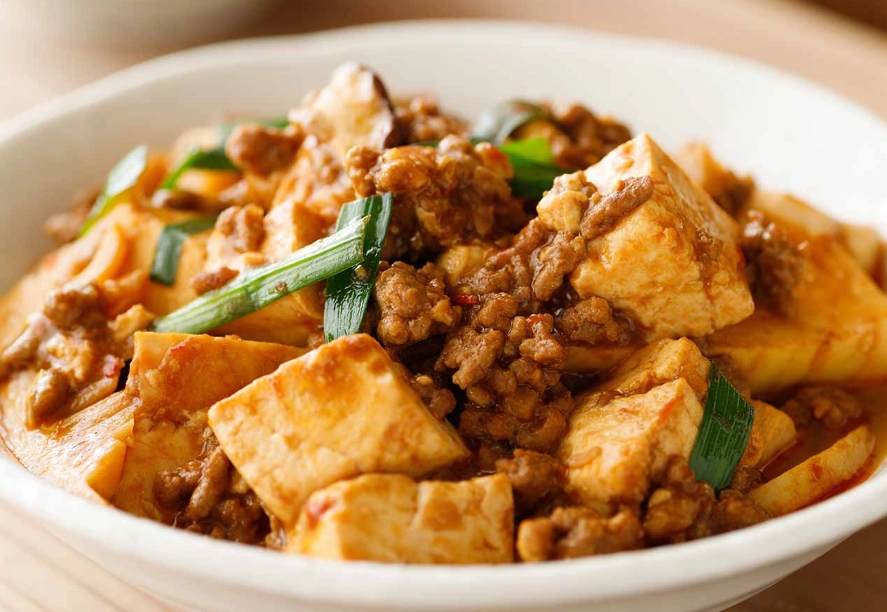
1. Draining and Pressing (The Moisture Mission)
Water is the enemy of browning and flavor absorption. Your goal is to gently remove as much of the packaged water as possible.
- The Simple Way: Take the block out of the package, pour off the water. Place it on a big plate lined with a few paper towels or a clean kitchen towel. Put more towels on top, then place something heavy and flat on top—a cast-iron skillet, a heavy pot, a few cookbooks. Leave it for 15-30 minutes. You'll see a pool of water on the plate.
- My Lazy Method: If I'm in a rush, I just slice the firm tofu into slabs, lay them on a triple-thick bed of paper towels, cover with more towels, and press gently with my hands. Then I replace the soaked towels with dry ones. It's not perfect, but it's 80% as good in 2 minutes.
2. Cutting It Right
How you cut it depends on the tahu recipe.
- Cubes (1-inch): The classic for stir-fries. Cut the pressed block into slabs, then into strips, then into cubes. Easy.
- Slabs/Rectangles: For pan-frying or baking where you want a crispy outside and soft inside. Great for sandwiches or as a steak substitute.
- Crumbles: Use your hands or a fork to break pressed firm tofu into uneven chunks. Perfect for scrambles, tacos, or as a ground meat substitute in sauces.
- Triangles: A classic cut for Indonesian tahu goreng. Cut the block diagonally to make triangles—more surface area for crispy edges!
3. The Flavor Infusion (Marinating & Coating)
Here's the secret: Tahu doesn't soak up a marinade like meat does. The flavor clings to the surface. So, we use two tricks:
- Cornstarch Toss: This is a game-changer. After cutting, toss your dry tofu cubes in a tablespoon or two of cornstarch (arrowroot or potato starch works too). The thin coating creates an incredibly crispy, golden layer when fried and helps sauces stick. Seriously, don't skip this for stir-fries.
- The Quick Marinade: Marinate for at least 30 minutes, but even 15 helps. Use strong flavors—soy sauce, garlic, ginger, chili, a touch of maple syrup or sugar for caramelization. Because the flavor stays on the outside, a shorter, punchier marinade works wonders.

Your First Great Tahu Recipe: Classic Indonesian Tahu Goreng (Fried Tofu)
Let's apply everything we've learned. This is a foundational tahu recipe—simple, incredibly satisfying, and the base for a million variations. In Indonesia, you'd find this sold by street vendors, crispy and hot, often with a fiery sambal dipping sauce.
What You'll Need:
- 1 block (14-16 oz) firm or extra-firm tofu, pressed and cut into 1-inch cubes or triangles
- 2 tbsp cornstarch
- 1/2 tsp salt
- 1/4 tsp white pepper (black is fine too)
- Oil for frying (a neutral oil like vegetable or peanut oil)
- For the Simple Sambal Dip: 2 tbsp sweet soy sauce (kecap manis) OR 1 tbsp regular soy sauce + 1 tsp brown sugar, 1 finely chopped bird's eye chili (or 1 tsp sambal oelek), 1 small minced garlic clove, a squeeze of lime juice.
What to Do:
- After pressing and cutting the tofu, pat the pieces completely dry one last time. Any surface moisture will cause spattering.
- In a bowl, mix the cornstarch, salt, and pepper. Add the tofu cubes and toss gently until they have a light, even coating. Shake off any excess.
- Heat about 1/2 inch of oil in a heavy skillet (cast iron is perfect) over medium-high heat. To test if it's ready, drop a small piece of tofu in. It should sizzle actively and immediately.
- Carefully add the tofu in a single layer, not crowding the pan. You'll likely need to do two batches. Fry for 3-4 minutes per side, until golden brown and crisp on all sides. Use tongs to turn them.
- Transfer to a wire rack set over a plate (this keeps them crispy better than paper towels, which can trap steam).
- Mix all the sambal dip ingredients in a small bowl. Serve the hot, crispy tahu immediately with the dip.
That's it. Crispy outside, tender inside, packed with savory flavor from the dip.
You've just made a staple. From here, you can toss these crispy cubes into a stir-fry with vegetables and a savory sauce, or add them to a noodle soup right at the end so they stay crunchy. The Indonesia Travel official site lists various street foods, and while not a recipe source, it shows the cultural context of how beloved these simple, crispy bites are.
Leveling Up: More Tahu Recipes to Explore
Once you're comfortable with the basic fry, the world opens up. Tahu is a global citizen. Here are a few paths you can take.
The Flavor-Bomb Braise: Tahu Bacem (Javanese Sweet-Spiced Tofu)
This is the opposite of crispy-fried. Here, firm tofu is slowly simmered in a rich, sweet, and spicy coconut water and palm sugar broth until it turns a deep brown and becomes incredibly flavorful and tender. It's a preservation method that results in a complex, almost candied savory taste. It's a bit of a project, but so worth it. You simmer blocks of pressed tofu with garlic, coriander, galangal, bay leaves, and plenty of palm sugar and tamarind until the liquid reduces to a thick glaze. It's sweet, savory, and utterly unique.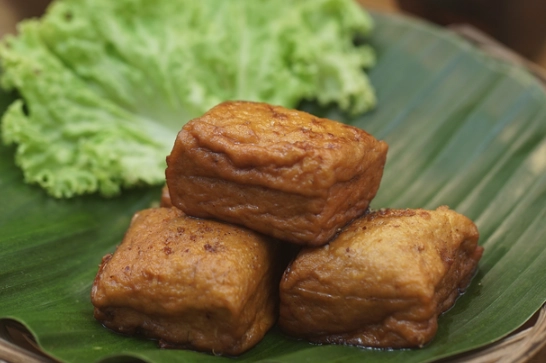
The Crowd-Pleaser: Mapo Tofu (Sichuan Style)
Okay, this one uses silken or soft tofu, showing its versatility. It's a famous Sichuan dish featuring incredibly soft tofu in a searingly spicy, numbing, savory sauce made with fermented black beans, chili bean paste (doubanjiang), and Sichuan peppercorns, with a bit of ground pork. The tofu is gently poached in the sauce, absorbing all the intense flavor while maintaining its delicate texture. It's a lesson in contrast—fiery sauce, silky tofu. You can find authentic versions of key ingredients like doubanjiang through specialty retailers or on informational hubs like Serious Eats, which often has deep dives on ingredient sourcing.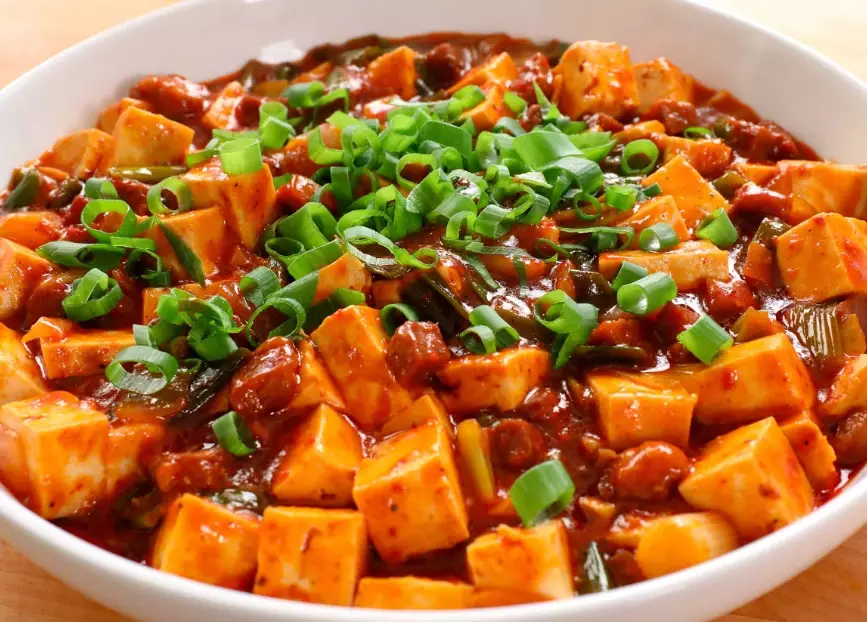
The Creative Twist: Crispy Tahu Burgers
This is where extra-firm tofu shines. Slice a block into 3/4-inch thick slabs. Press them well. Marinate in a mix of soy sauce, liquid smoke (optional), garlic powder, and a dash of vinegar for an hour. Then, coat in panko breadcrumbs and either pan-fry or bake until golden and crispy. Serve on a bun with all the usual fixings—lettuce, tomato, pickles, and a tangy sauce. It’s a satisfying, meat-free alternative that actually has substance.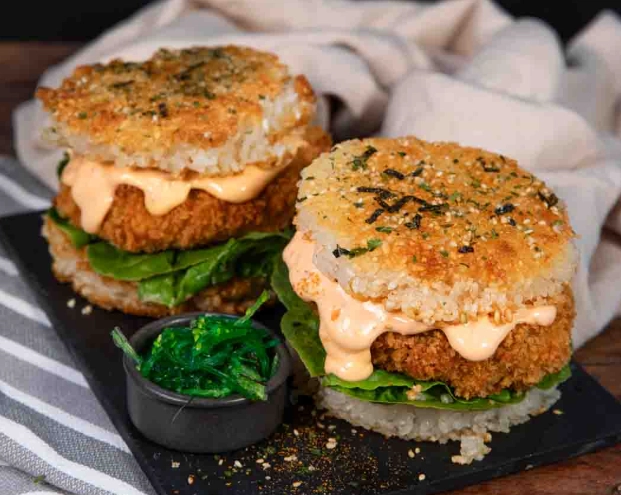
Tahu in Your Weekly Rotation: Quick Ideas & Applications
You don't need a formal recipe every time. Here’s how to think of tahu as a convenient ingredient.
The Quick-Thinker's Guide to Tahu:
- Stir-Fry Star: Cube, cornstarch-coat, pan-fry until crispy. Remove. Stir-fry veggies (bell peppers, broccoli, snap peas). Add back tofu, toss with a simple sauce of soy, garlic, ginger, and a splash of water or stock thickened with a little cornstarch slurry.
- Soup Booster: Add cubed firm or extra-firm tofu to miso soup, vegetable noodle soup, or a spicy laksa in the last few minutes of cooking just to heat through.
- Salad Protein: Cube and bake or air-fry with a little oil and salt until golden. Let cool slightly and toss into a grain bowl or green salad. It adds a nice, chewy texture.
- Breakfast Scramble: Crumble firm tofu into a skillet with a little oil, turmeric (for color), nutritional yeast, black salt (kala namak, for an eggy taste), and veggies. Scramble until heated through. A fantastic vegan alternative.
- The "Whatever's in the Fridge" Curry: Simmer cubes of firm tofu in a can of coconut milk curry simmer sauce with whatever vegetables you have. An effortless, healthy dinner.
See? It's adaptable. The best easy tahu recipe is often the one you improvise based on what you have.
Answering Your Tahu Questions (The FAQ)
Wrapping It Up: Your Tahu Journey Starts Now
Look, I get it. That block of tahu can be intimidating. It seems bland, it's wet, and recipes don't always explain the crucial little steps. But I hope this guide has shown you that it's one of the most forgiving, versatile, and rewarding ingredients to cook with.
The core principles are simple: choose the right texture, get the water out, and create a surface that can get crispy and hold flavor.
Start with the classic tahu goreng. Master that crispy cube. Then, experiment. Try baking it, crumbling it into a scramble, or simmering it in a curry. Use it to make your meals more interesting, more nutritious, and more budget-friendly.
Don't be afraid to fail. My first few tahu recipes were far from perfect. But once you get the hang of it, you'll have a reliable, delicious, and healthy protein source that's always ready to take on whatever flavors you're craving. So go grab a block. Press it. Cut it. Cook it. You've got this.