There's a moment in late summer that feels like pure magic. You're standing in a patch of brambles, the sun is warm, and your fingers are stained purple from plucking ripe, juicy blackberries. The thought hits you: I should make jam. Then, the reality check. Complicated recipes, packets of powdered pectin, cups upon cups of sugar... it feels less like a rustic delight and more like a chemistry experiment. What if I told you the best blackberry jam I've ever made required just three ingredients and zero specialty products? No pectin, no fuss. Just fruit, sugar, and lemon juice transformed into a jar of summer that actually tastes like the berries you picked.
This isn't just another recipe. It's the method I've refined after years of trial and, frankly, a fair bit of error (my first batch was a runny, overly sweet syrup). We're going to leverage the fruit's natural pectin, understand the true role of sugar, and explore storage methods that fit your life—whether you're a full-on canner or someone who just wants a jar for the fridge.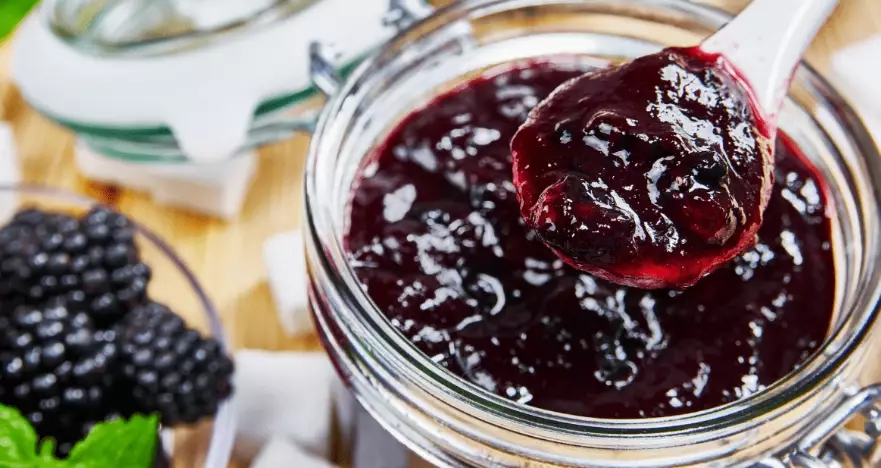
In This Article: Your Jam-Making Roadmap
Ingredients: Why Less is More
Let's break down what you actually need. The beauty of this method is its simplicity, but each component has a critical job.
- Blackberries (4 cups, crushed): Fresh or frozen both work. If you're picking wild, seek out plump, deeply colored berries. A mix of fully ripe and slightly under-ripe berries is ideal—the under-ripe ones have more natural pectin. Don't wash them obsessively; a quick rinse is fine. Too much water dilutes flavor and can hinder the set. In fact, the wild yeasts on unwashed berries can add complexity, though it's a personal choice.
- Granulated Sugar (2 cups): Yes, you need sugar. It's not just for sweetness. Sugar is a preservative and, crucially, it bonds with the pectin to create the gel structure. This recipe uses a 2:1 fruit-to-sugar ratio, which is significantly less than many traditional recipes. You can push it to 3 cups of fruit to 1 cup of sugar, but go lower and you risk spoilage and a runny product. For a deeper flavor, substitute up to 1/2 cup with light brown sugar.
- Lemon Juice (2 tablespoons, freshly squeezed): This is non-negotiable. The acid does three things: it helps extract pectin from the fruit, balances the sweetness with a bright note, and ensures a safe pH level for canning. Don't use bottled juice if you can help it; the fresh flavor makes a difference.
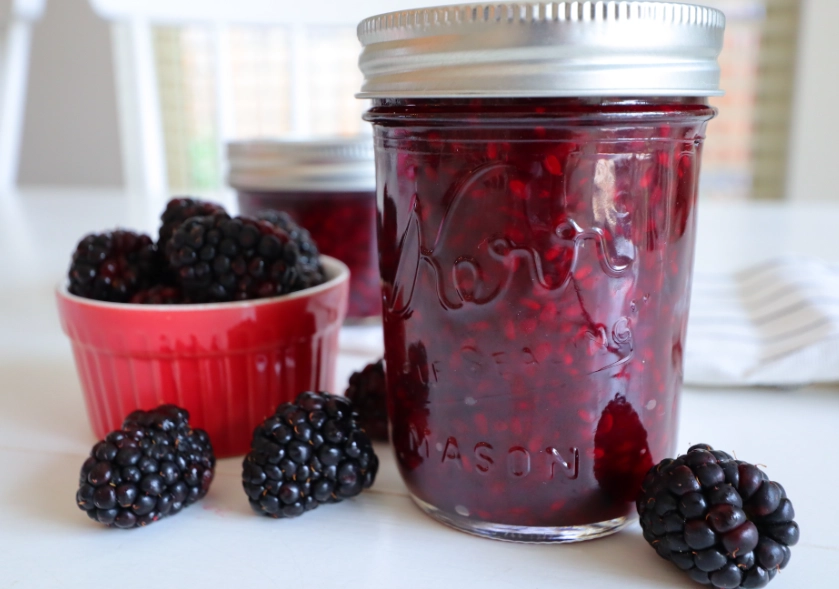
How to Make Blackberry Jam: A Step-by-Step Guide
Grab a heavy-bottomed, wide pot (like a Dutch oven). The wide surface area helps liquid evaporate faster, which is key for setting. Avoid thin pots—they lead to scorching.
Preparing Your Blackberries
Place your berries in the pot. Use a potato masher or the back of a fork to crush them thoroughly. You want to break down most of the berries to release their juice and pectin, but leaving a few chunks is fine for texture. Stir in the sugar and lemon juice. Let this mixture sit for 30 minutes to an hour. You'll see a pool of syrup form at the bottom. This maceration step draws out more juice, meaning you start cooking with more liquid and less risk of burning.
The Cooking Process: Patience is Key
Now, bring the mixture to a boil over medium-high heat, stirring frequently to dissolve all the sugar. Once it reaches a full, rolling boil that can't be stirred down, reduce the heat to maintain a vigorous simmer. This is where you settle in. Stir every few minutes to prevent sticking, especially as it thickens.
You'll notice the foam. A white, frothy foam will rise to the top. Skim most of it off with a spoon for a clearer jam. But here's a secret I learned from an old preserving book: a little foam left behind isn't a flaw. It's just trapped air and will integrate.
The jam will bubble and sputter. This is normal but messy. A splatter screen is a worthwhile investment. Cook until the mixture reduces, darkens in color, and starts to coat the back of your spoon. This usually takes 20-35 minutes. Time is a guide, not a rule. The set depends on your berries, your pot, and your stove. This is why we test.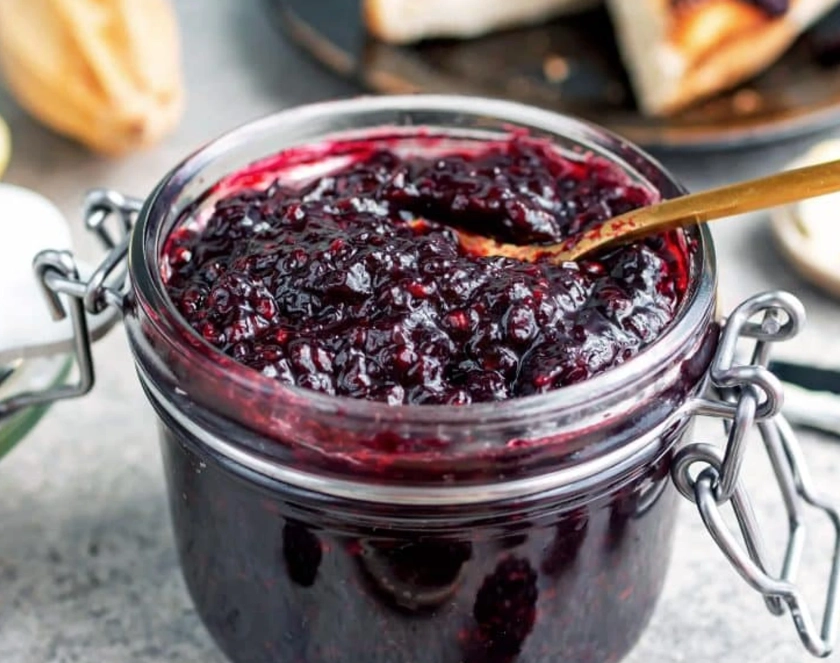
The Plate Test: Knowing When Your Jam is Ready
This is the most important skill in pectin-free jam making. About 15 minutes into cooking, start testing.
- Place 2-3 small plates or saucers in your freezer.
- When the jam looks thickened, turn off the heat.
- Drop a small spoonful onto a frozen plate. Let it sit for 30 seconds.
- Push the edge of the puddle with your finger. If it wrinkles and the surface feels tacky, it's set. If it's still liquid and runs, return the pot to the heat and boil for another 3-5 minutes before testing again.
Remember, jam continues to thicken as it cools. It's better to err on the side of slightly under-set than over-cooked and rubbery.
Storing Your Jam: Fridge, Freezer, or Pantry
Your options depend on your goals. Here’s a quick comparison:
| Method | Process | Shelf Life | Best For |
|---|---|---|---|
| Refrigeration | Pour hot jam into clean jars, let cool, lid, and refrigerate. | Up to 3 weeks | Small batches, immediate use. |
| Freezing | Cool jam, leave 1/2" headspace in freezer-safe jars/containers, freeze. | Up to 1 year | Preserving flavor without canning equipment. |
| Water Bath Canning | Pour hot jam into sterilized jars, wipe rim, apply lid/band, process 10 mins in boiling water. | Up to 18 months (unopened) | Long-term storage, pantry gifts. |
I freeze half my batch in 8-oz jars. The flavor is phenomenally fresh when thawed months later.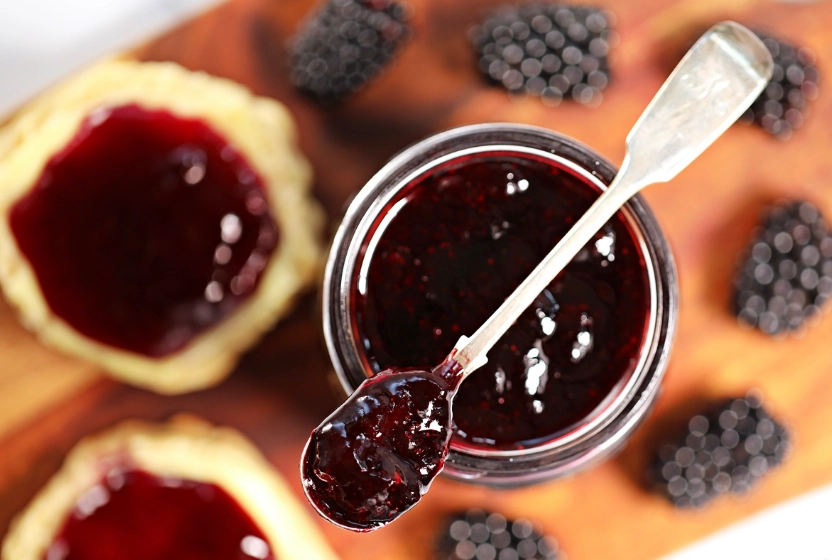
Troubleshooting & Common Fixes
Things don't always go perfectly. Here's how to course-correct.
Jam is too runny: You likely didn't cook it long enough. You can re-cook it. Reheat the jam, and for every 4 cups, mix 1/4 cup sugar with 1 tbsp powdered pectin. Whisk this into the warm jam and boil hard for 1-2 minutes. Re-test. Or, call it blackberry syrup—it's fantastic on ice cream.
Jam is too thick or rubbery: It was overcooked. Sadly, you can't undo this. Use it as a filling for thumbprint cookies or swirl it into yogurt where the thick texture is an asset.
Crystals formed in the jar: This can happen if sugar wasn't fully dissolved before boiling, or if the jam was overcooked causing sugar to re-crystallize. It's safe to eat but texturally odd. Stirring more diligently at the start usually prevents this.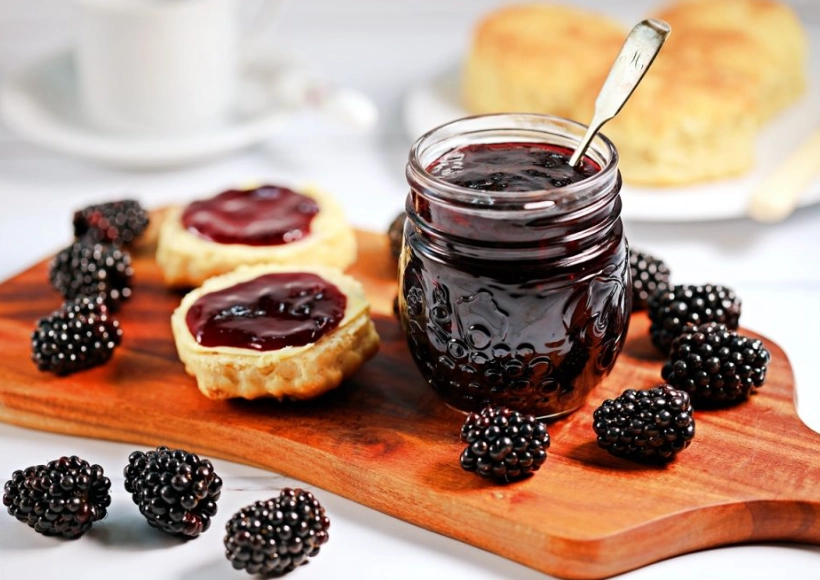
Your Blackberry Jam Questions, Answered
Can I use frozen blackberries for this jam recipe?
Why is sugar necessary in jam, and can I reduce it further?
How long does homemade blackberry jam last?
My jam didn't set. What can I do?
The real reward of making jam this way isn't just the jars lining your shelf. It's the connection to the process, the deep, complex flavor that store-bought jam can't touch, and the satisfaction of turning a simple harvest into something lasting. Grab those berries and give it a try. The worst that can happen is you get some exceptional ice cream topping.