Quick Navigation
Let's be honest. Every year around Easter, I used to just buy a pack of hot cross buns from the supermarket. They were... fine. A bit dry sometimes, often lacking that deep, spicy fragrance I craved. Then one year, I decided to try a homemade hot cross bun bread recipe. The difference was night and day. The kitchen smelled incredible, and the buns were so soft and packed with flavor. I was hooked. But I also made every mistake in the book along the way—dense dough, bland spice, crosses that disappeared. It took me a few tries to get it right.
That's why I'm putting everything I learned here. This isn't just another recipe list. It's a full roadmap. We'll walk through a classic, no-fail hot cross bun bread recipe, tackle the questions that pop up mid-bake (why isn't my dough rising?!), explore fun twists, and I'll share the little tricks that make a huge difference. Forget the underwhelming store-bought versions. Let's make the real thing.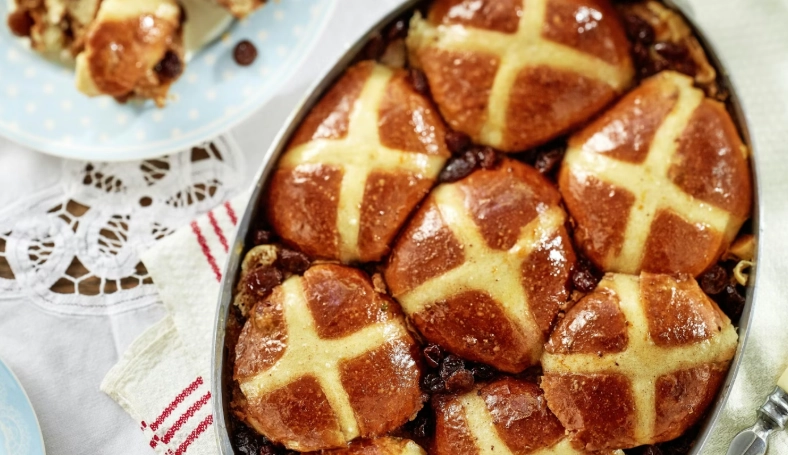
Your Go-To Traditional Hot Cross Bun Recipe
This is my base recipe. It's forgiving and delivers that perfect balance of soft, enriched bread and warm, spiced fruit. Don't let the list of ingredients scare you—the process is straightforward.
Here’s what you’ll need. I find using a digital scale for the flour is way more reliable than cups, but I've included both.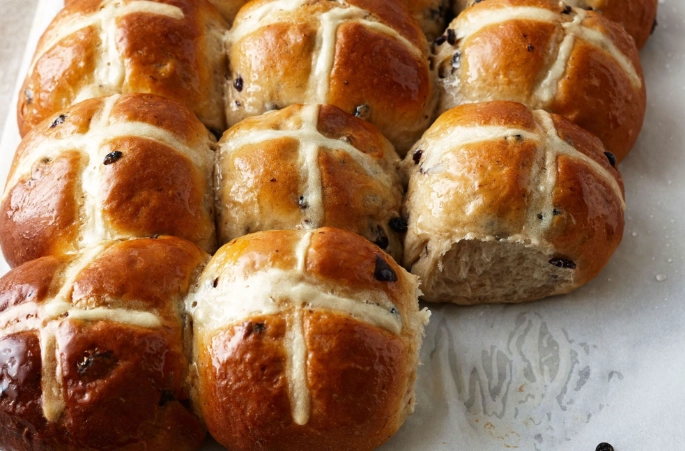
| Ingredient | Weight (Metric) | Volume (Approx.) | Purpose/Note |
|---|---|---|---|
| Strong Bread Flour | 500g | about 4 cups | High protein gives structure. All-purpose can work but results are less chewy. |
| Whole Milk | 280ml | 1 cup + 3 tbsp | Warmed to about 40°C (105°F). |
| Instant Yeast | 7g (1 packet) | 2 ¼ tsp | Instant is easier; you can mix it right in with the flour. |
| Light Brown Sugar | 75g | ⅓ cup, packed | Adds moisture and caramel notes. White sugar is okay but less flavorful. |
| Butter, unsalted | 60g | ½ stick (4 tbsp) | Softened. This is key for a tender crumb. |
| Large Egg | 1 | 1 | Binds and enriches. Beat it lightly first. |
| Mixed Dried Fruit | 200g | 1 ⅓ cups | Raisins, sultanas, currants, citrus peel. Soak in hot tea for 30 mins for plumper fruit! |
| Mixed Spice | 2 tsp | 2 tsp | The soul of the bun. See below if you need to make your own blend. |
| Cinnamon, ground | 1 tsp | 1 tsp | Extra warmth. |
| Salt | 1 tsp | 1 tsp | Balances sweetness and strengthens gluten. |
| Orange Zest | 1 orange | - | Fresh zest is non-negotiable for that bright aroma. |
| For the Cross Paste: 75g plain flour (½ cup + 1 tbsp) mixed with about 100ml (7 tbsp) water to make a thick, pipeable paste. | |||
| For the Glaze: 3 tbsp apricot jam (or marmalade) warmed with 1 tbsp water, then strained. | |||
See, it's mostly pantry staples. Now, the method.
Step-by-Step Method: From Dough to Golden Buns
1. Mixing the Dough: In a large bowl, whisk together the flour, yeast, spices, sugar, and salt. Make a well in the center. Pour in the warm milk, beaten egg, and add the softened butter. Mix with a wooden spoon until it comes together into a shaggy mass. It will be sticky. That's good.
2. Kneading: Turn it out onto a lightly floured surface. Now, knead. For about 10 minutes by hand, or 5-7 minutes with a stand mixer fitted with a dough hook. You're looking for the dough to become smooth, elastic, and barely sticky. It should pass the "windowpane test"—take a small piece and gently stretch it. If you can see light through it without it tearing immediately, you're done. This develops the gluten, which is your structure.
3. First Rise (Bulk Fermentation): Place the smooth dough in a lightly oiled bowl, cover with a damp tea towel or plastic wrap, and leave in a warm, draft-free spot. Let it double in size. This usually takes 1 to 1.5 hours. The time depends entirely on your kitchen's warmth.
4. Adding the Fruit: Once risen, punch the dough down gently to deflate it. Drain your soaked fruit (if you soaked it) and pat it dry with a paper towel. Tip the fruit and orange zest onto the dough. Now, the messy but fun part: knead it all in until the fruit is evenly distributed. It might feel like it's falling apart, but just keep folding and kneading gently for a few minutes.
5. Shaping and Second Rise: Divide the dough into 12 equal pieces (about 85-90g each). Roll each into a smooth ball by cupping your hand and rotating it on an unfloured surface. Place them snugly in a buttered 9x13 inch baking tray. Cover again and let them rise until puffy and almost doubled, about 45 minutes to an hour. They should be touching each other.
6. The Cross: Preheat your oven to 200°C (400°F). Mix your cross paste—it should be thick like toothpaste. Pour it into a piping bag or a small plastic bag with the corner snipped off. Pipe a continuous line down each row of buns, then across. Do it confidently; wobbly lines make wobbly crosses.
7. Baking: Bake for 20-25 minutes. They're done when they're a deep golden brown and sound hollow when tapped on the bottom. If they're browning too fast, loosely tent with foil.
8. The Glaze: As soon as the buns come out of the oven, brush them generously with the warm apricot glaze. This gives them that beautiful, sticky, professional shine and adds a touch of sweetness.
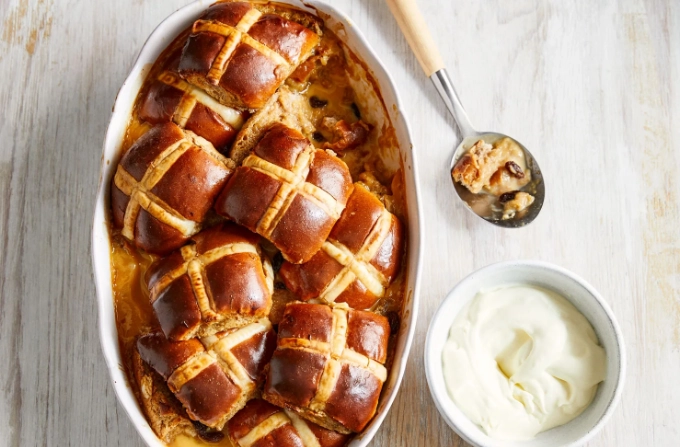 Let them cool on a wire rack. The hardest part is waiting before you tear one open.
Hot Cross Bun Troubleshooting: Your Questions Answered
Even with a great recipe for hot cross bun bread, things can go sideways. Here are the answers to the questions I had to Google mid-panic.
Beyond the Classic: Delicious Hot Cross Bun Variations
The traditional hot cross bun bread recipe is perfect, but sometimes you want to mix it up. Here are some crowd-pleasing twists.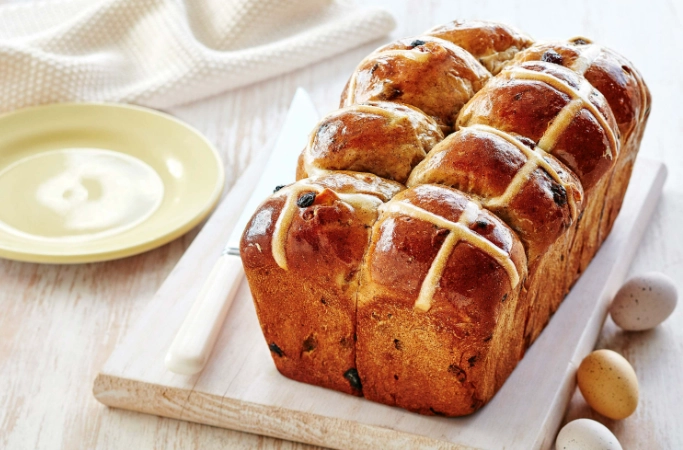
- Chocolate Chip: Replace half the dried fruit with dark chocolate chips. A hit with kids (and let's be real, adults).
- Apple & Cinnamon: Swap the mixed fruit for 150g of finely chopped dried apples and add an extra teaspoon of cinnamon.
- Cheese & Herb Savory Buns: Omit the sugar, spices, and fruit. Add 100g of grated strong cheddar and 2 tbsp of chopped fresh herbs (like chives or rosemary) to the dough. Skip the cross and glaze, brush with an egg wash, and sprinkle with more cheese. Unconventional and delicious with soup.
- Hot Cross Bun Loaf: Don't want to shape individual buns? After the first rise, shape the fruited dough into a loaf, place it in a greased loaf tin, let it rise, and bake. You can pipe a cross on top too. Great for slicing and toasting.
The beauty of a good base hot cross bun bread recipe is its adaptability.
The Sourdough Option: A Flavor Powerhouse
If you maintain a sourdough starter, you can create an incredible, tangy version. It requires more planning but the depth of flavor is unmatched. You'd replace the commercial yeast with about 150g of active, fed sourdough starter and reduce the milk and flour slightly to compensate. The fermentation time is longer, often involving an overnight proof. For a reliable guide on converting recipes, the experts at King Arthur Baking have fantastic resources on sourdough mechanics. It's a project, but a rewarding one for an avid baker.
Pro Tips for Bakery-Perfect Buns Every Time
These are the little things that separate good buns from great ones.
Toasting is non-negotiable. A warm hot cross bun, split and lightly toasted, with a generous smear of good butter that melts into all the nooks and crannies... that's the true experience.
- Toast Your Spices. Before grinding or using pre-ground, gently warm your spices (cinnamon, allspice, etc.) in a dry pan for a minute until fragrant. This unlocks their volatile oils and intensifies the flavor tenfold.
- Soak the Fruit. I mentioned it, but it's worth repeating. Plumping your raisins and currants in hot black tea, orange juice, or even a splash of rum prevents them from drawing moisture out of the dough during baking and keeps them juicy.
- Use a Thermometer. For the milk, and even for the dough. The ideal dough temperature after mixing is around 24-26°C (75-78°F). This ensures consistent, predictable rising.
- Don't Overcrowd the Pan. Give them a little space to expand upwards. If they're too crammed, you'll get a tray of connected buns (which is still tasty, but not the classic look).
Storing and Serving Your Homemade Hot Cross Buns
You've baked the perfect batch. Now what?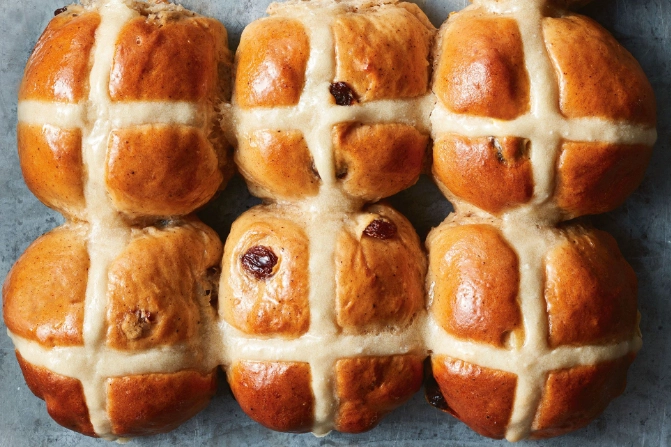
Storing: Once completely cool, store them in an airtight container or bag at room temperature for up to 3 days. They are best fresh, but they do freeze beautifully. Freeze them individually on a tray, then transfer to a freezer bag. They'll keep for up to 3 months.
Refreshing: Day-old buns? Revive them by sprinkling with a few drops of water and warming in a moderate oven for 5-8 minutes. From frozen, thaw at room temperature and then toast or warm.
Serving: As the quote says, toasting is key. Serve warm with salted butter. For a decadent treat, try them with a slice of sharp cheddar or a dollop of clotted cream. They also make an unbelievable bread pudding.
A Bit of History: Why the Cross?
It's interesting, isn't it? These spiced buns with their distinctive cross have a long history. They are deeply associated with Easter in Christian tradition, the cross symbolizing the crucifixion. Their origins in English baking date back centuries. Some food historians, like those referenced by resources such as the Historic UK cultural site, note that spiced buns marked the end of Lent and the arrival of spring spices. There were even superstitions that hot cross buns baked on Good Friday would never go moldy and could protect a house from fire. Whether for tradition or just for a delicious, spiced treat, baking them connects you to a long line of home bakers.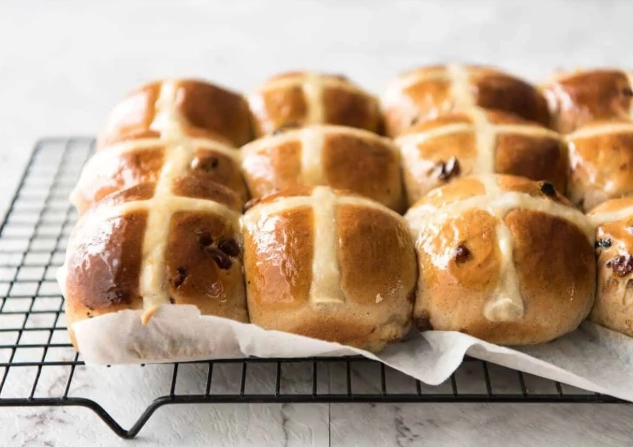
So there you have it. From a detailed, tested hot cross bun bread recipe to fixing common issues and exploring new ideas, you're now equipped to make the best hot cross buns of your life. It's a rewarding bake that fills your home with the most wonderful aroma. Give it a try this season. Skip the supermarket pack. You won't regret it.