I messed up my first bibimbap. Badly. The rice was mush, the vegetables were a soggy, overcooked mess all cooked together, and I used the wrong kind of chili sauce. It tasted nothing like the vibrant, crackling bowl I'd had in Seoul. That failure sent me down a rabbit hole, pestering Korean friends and testing methods until I cracked the code. Now, it's my most requested dinner. Forget the intimidating lists—making authentic bibimbap at home is about smart prep and understanding a few non-negotiable rules.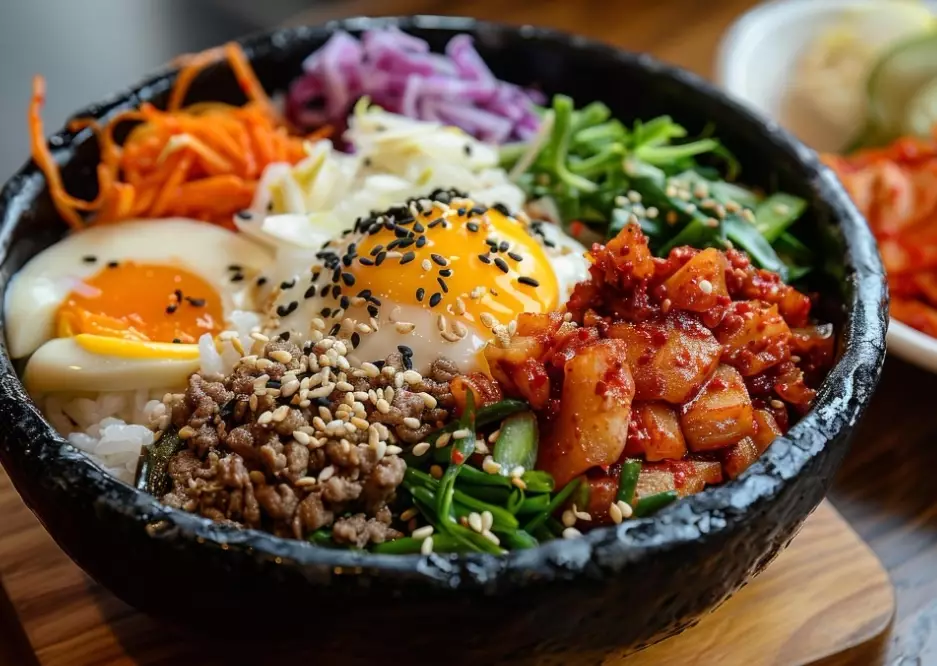
In this article:
What Makes Bibimbap Special (It's Not Just "Mixed Rice")
Bibimbap translates to "mixed rice," but that's like calling a symphony "mixed sounds." The magic is in the contrast. You have warm, slightly crisp rice at the base. On top, an artful arrangement of individually seasoned, colorful vegetables—each cooked or prepared to highlight its unique texture. A protein, often beef or an egg, sits in the center. The final act is a generous dollop of gochujang, that deep, savory, spicy-sweet fermented Korean chili paste. When you mix it all together just before eating, every bite is different. You get a little crunch from the bean sprouts, sweetness from the carrots, earthiness from the spinach, and that punch of umami from the sauce binding it all together.
The best part? It's a complete meal in a bowl. Carbs, protein, and a rainbow of vegetables. It's also incredibly forgiving and customizable, which we'll get into.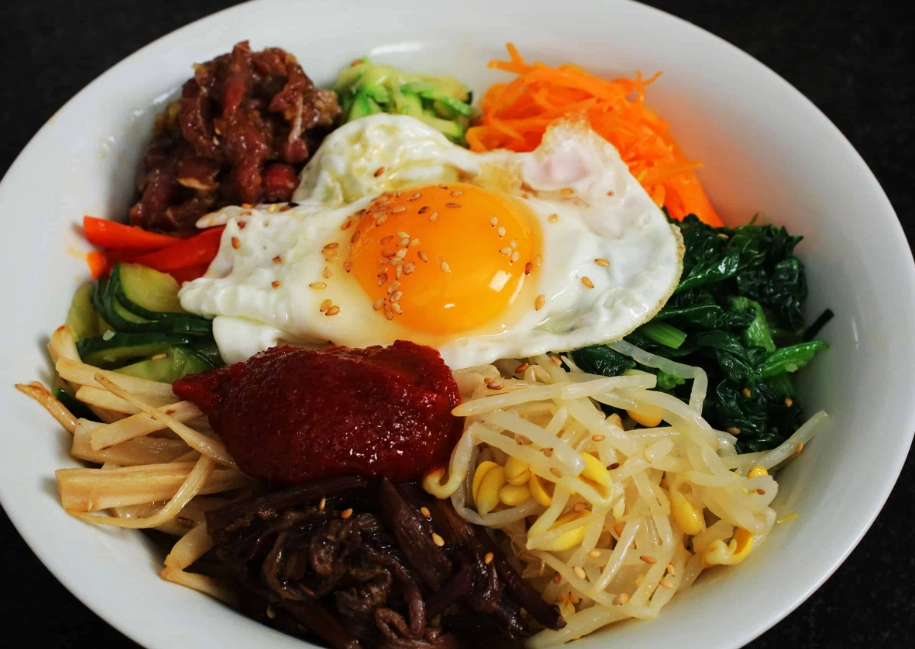
The Bibimbap Pantry: Your Shopping & Prep List
Here’s the thing: you don't need every vegetable under the sun. A classic bibimbap has about 5-6 components. Focus on getting these right rather than overwhelming yourself.
The Core Components (Serves 2)
The Foundation:
• Short-grain white rice: 2 cups cooked. Sushi rice works perfectly. This is non-negotiable for the right sticky texture.
• Sesame oil & toasted sesame seeds: For aroma and nuttiness.
• Gochujang (고추장): The heart of the sauce. Don't substitute with sriracha or generic chili garlic sauce.
The Vegetable Medley (Choose 4-5):
• Spinach (sigeumchi namul): 1 bunch, blanched and seasoned with soy sauce, garlic, and sesame.
• Bean sprouts (kongnamul): 1 cup, lightly boiled and seasoned similarly.
• Carrots: 1 medium, julienned and quickly sautéed with a pinch of salt.
• Zucchini: 1/2, julienned and sautéed.
• Shiitake mushrooms: 3-4, rehydrated if dried, sliced and sautéed with soy sauce.
• Cucumber: 1/2, thinly sliced or julienned, lightly salted to draw out water.
The Protein & Finish:
• Beef (bulgogi style): 200g of thinly sliced ribeye or sirloin, marinated in 2 tbsp soy sauce, 1 tbsp sugar, 1 tbsp minced garlic, 1 tbsp sesame oil, and black pepper. Quick sear is all it needs.
• Eggs: 2, sunny-side up or fried to your liking.
• Bibimbap Sauce: Mix 2 tbsp gochujang, 1 tbsp sesame oil, 1 tbsp honey or sugar, 1 tbsp water, 1 tsp toasted sesame seeds, and 1 tsp rice vinegar.
Pro-Tip from My Korean Friend's Mom: Always cook and season each vegetable separately. This is the single most important step most beginners skip. Tossing them all in the same pan makes them steam and lose their distinct colors and textures. You want independent flavors that come together in the mix.
Step-by-Step: Building Your Perfect Bowl
This isn't a frantic 30-minute meal. It's a relaxed, methodical process that's perfect for a weekend lunch or a planned weeknight dinner. Do the prep ahead, and assembly is a breeze.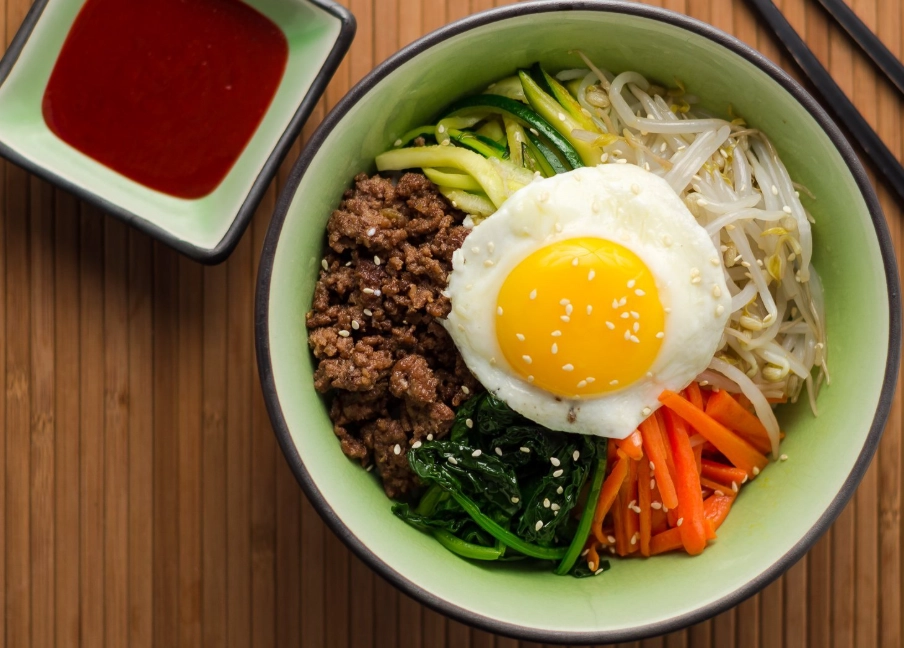
Phase 1: The Prep Work (Can be done hours or a day ahead)
Cook your rice so it has time to cool slightly. Warm rice is good, freshly steaming hot rice can make the veggies wilt too fast.
Now, tackle each vegetable one by one.
Spinach & Bean Sprouts: Blanch in boiling water for 30-60 seconds until just wilted (spinach) or tender-crisp (sprouts). Rinse under cold water, squeeze out excess water firmly, then season in separate bowls with a splash of soy sauce, a tiny bit of minced garlic, sesame oil, and sesame seeds.
Carrots & Zucchini: Julienne them. Heat a drizzle of oil in a pan or wok, cook each separately over medium-high heat for just 1-2 minutes. You want them softened but still with bite. Season with a tiny pinch of salt.
Mushrooms: Sauté until soft and browned, then add a teaspoon of soy sauce at the end.
Cucumber: Salt it, let it sit for 10 minutes, then rinse and squeeze dry. This prevents a watery bowl.
Marinate and quickly sear your beef. It should take less than 2 minutes per batch in a hot pan. Set aside.
Mix your bibimbap sauce. Taste it. It should be spicy, sweet, savory, and pungent all at once. Adjust to your liking.
Phase 2: The Assembly & Serve
If you have a dolsot (stone bowl), heat it empty over medium heat for several minutes until scorching hot. Add a few drops of sesame oil and your rice, pressing it down. It will sizzle and start forming a crispy crust. If you're using a regular bowl, just add warm rice.
Arrange your prepared vegetables and beef in neat little piles on top of the rice, leaving the center open. It looks beautiful and keeps the flavors distinct until mixing.
Fry your egg and place it in the center. The runny yolk will become part of the sauce.
Add a big spoonful (or two) of your bibimbap sauce right on top. Serve immediately with extra sauce on the side.
The ritual is key: bring it to the table looking like a work of art. Then, take your spoon and dig in, mixing everything thoroughly until the colors blend into a glorious, unified mess. That's when the magic happens.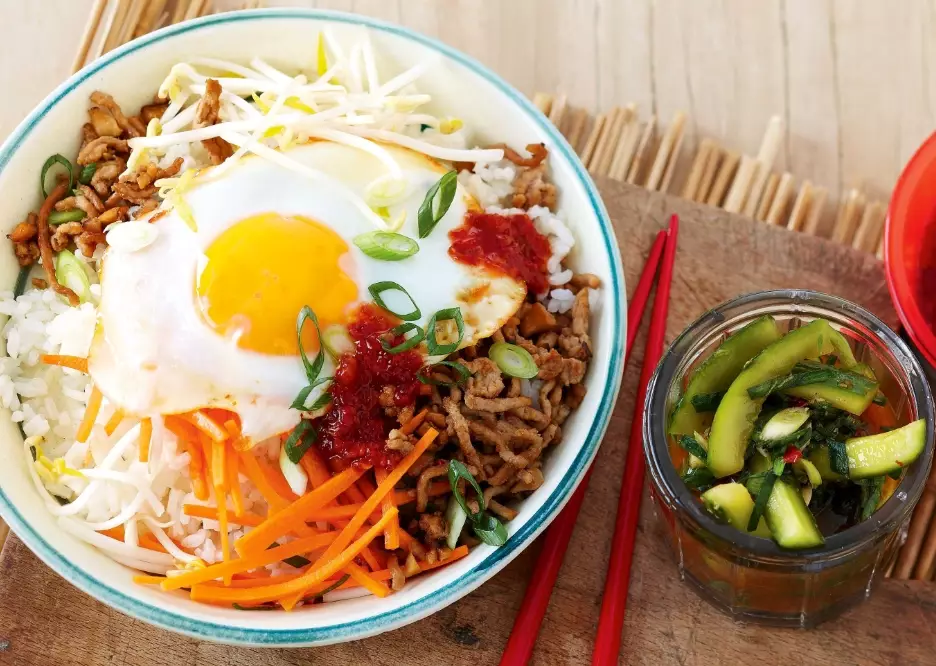
3 Common Bibimbap Mistakes (And How to Avoid Them)
I've made these so you don't have to.
1. The Soggy Vegetable Pile-Up. As mentioned, the separate cooking is vital. Also, ensure your blanched greens are thoroughly squeezed. Water is the enemy of texture here.
2. Skipping the Sesame Oil Finish. A few drops of toasted sesame oil drizzled over the assembled bowl before serving is not optional. It's the aromatic bridge that ties the room together. Use a good quality one.
3. Being a Slave to the Recipe. No spinach? Use kale or chard. No beef? Use ground turkey, tofu, or just an extra egg. The framework is flexible. The constants are seasoned veggies, rice, gochujang sauce, and sesame. Everything else is an invitation to improvise.
Your Bibimbap Questions, Answered
What can I use if I don't have a dolsot (stone bowl) for bibimbap?
A heavy cast-iron skillet or a regular non-stick pan works well. Heat it until very hot before adding a small amount of oil and then the rice. Press the rice down and let it cook for a few minutes until you hear a faint sizzle and get some browning on the bottom. The key is creating that layer of crispy rice (nurungji), which a hot, heavy pan can achieve. The stone bowl just retains heat longer for continued crisping at the table.
How do I prepare all the bibimbap vegetables ahead of time without them getting soggy?
Cook and season each vegetable separately, let them cool completely on a tray or plate (don't pile them up while hot—this creates steam), and then store them in separate airtight containers in the fridge. Cucumbers and bean sprouts are best prepped the same day, but spinach, carrots, and mushrooms hold up fine for 1-2 days. This method locks in their texture and flavor, making weeknight bibimbap totally doable.
Is there a substitute for gochujang (Korean chili paste) in the bibimbap sauce?
Gochujang's sweet, spicy, and deeply fermented flavor is unique. A direct substitute is tricky. For a quick fix in a pinch, you could mix 1 tablespoon of red miso paste (for fermentation) with 1 tablespoon of gochugaru (Korean chili flakes) or another chili paste, a teaspoon of sugar, and a splash of rice vinegar. It won't be the same, but it provides some complexity. For authenticity, just seek out gochujang at an Asian market or online; it lasts forever in the fridge and is a pantry staple for many Korean dishes.
Can I make a vegetarian or vegan bibimbap?
Absolutely, and it's fantastic. Simply omit the beef and egg. For protein, add seasoned tofu (dubu), pan-fried until golden, or some cooked lentils. Just double-check that your gochujang is vegan (some traditional brands contain wheat syrup or fermented seafood powder, but many don't). Use a good quality sesame oil for finishing. The core of bibimbap is the seasoned vegetables and rice, making it one of the most adaptable meals for plant-based diets.
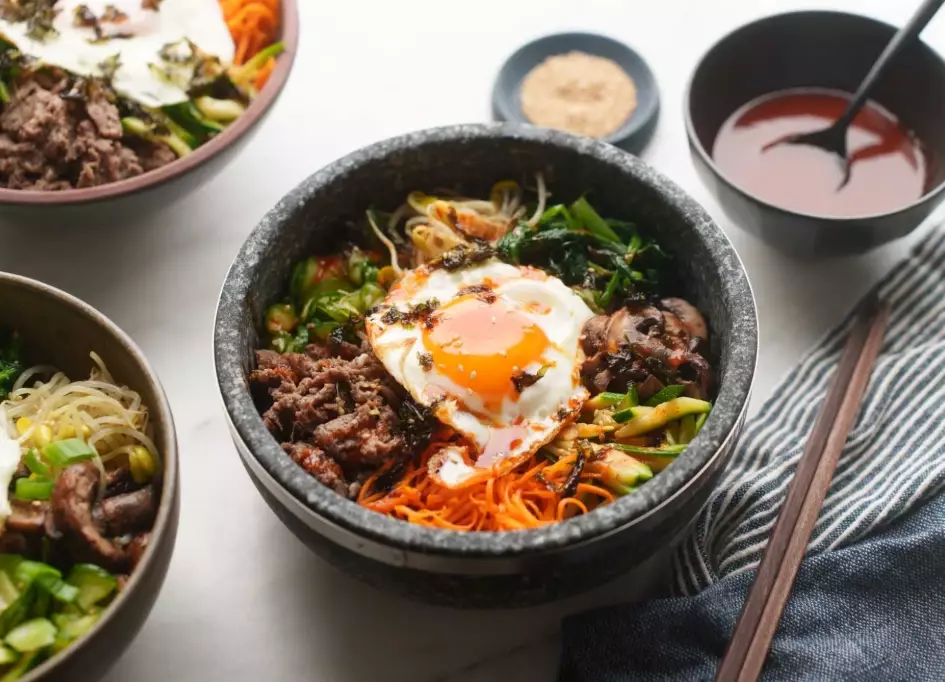 So, there you have it. Not just a recipe, but a method. Once you get the rhythm of prepping the components, bibimbap becomes less of a project and more of a reliable, delicious formula. It's the meal that always feels like a treat, yet is packed with goodness. Give it a try, mix it up your way, and don't forget that final, crucial stir.