Quick Navigation
- The Unbeatable Classic: Authentic Italian Tiramisu Recipe
- Tiramisu for Everyone: No-Bake, No-Egg, & Shortcut Recipes
- Beyond the Classic: Creative Tiramisu Recipe Variations
- Your Tiramisu Questions, Answered (The Real Stuff Google Doesn't Always Tell You)
- Bringing It All Home: Your Next Step to Tiramisu Success
Let's talk about tiramisu. You know, that gorgeous Italian dessert that seems to show up at every dinner party and restaurant menu. It’s creamy, coffee-soaked, and just a little bit boozy. Perfect, right? But here’s the thing – making it at home can feel a bit intimidating. Is it raw eggs? Do I need special tools? What if my ladyfingers turn to mush? I’ve been there, staring at a bowl of mascarpone that just wouldn’t whip right. It’s frustrating.
But after more fails than I care to admit (including one infamous "tiramisu soup" incident), I finally cracked the code. This guide is everything I wish I’d known when I started. We’re going to walk through the real-deal classic recipe, then explore some fantastic shortcuts and wild variations. Whether you’re a baking newbie or a seasoned pro looking for a twist, there’s a tiramisu recipe here for you.
Quick Reality Check: The "authentic" tiramisu recipe is surprisingly simple in ingredients, but the technique is where the magic (or the mess) happens. We'll cover that first.
The Unbeatable Classic: Authentic Italian Tiramisu Recipe
This is the blueprint. The one from the Veneto region of Italy that started it all. It’s not complicated, but it demands good ingredients and a bit of care. Forget the heavy cream and gelatin you sometimes see – that’s not the traditional way.
The soul of a great classic tiramisu lies in a few key components getting along perfectly. Mess one up, and the whole thing feels off.
Gathering Your A-Team Ingredients
You can't build a great dish with mediocre parts. Here’s what you need, and why each one matters.
| Ingredient | What to Look For & Why It Matters | Common Pitfall |
|---|---|---|
| Mascarpone Cheese | This is non-negotiable. Get full-fat, Italian mascarpone. It should be thick, spreadable, and mildly sweet. The cheap stuff can be grainy or watery and will ruin your cream. | Using cream cheese or low-fat mascarpone. The texture and flavor are completely wrong. |
| Eggs | Fresh, large eggs. We are using them raw, so quality and safety are paramount. Many prefer to use pasteurized eggs for peace of mind. | Being scared of raw eggs and trying to cook the sabayon. It changes the texture fundamentally. |
| Ladyfingers (Savoiardi) | Dry, crunchy Italian ladyfingers (Savoiardi). They are designed to absorb liquid without disintegrating. Soft sponge cake fingers will become a soggy mess. | Using soft, cake-like ladyfingers. They turn to paste instantly. |
| Coffee | Strong, freshly brewed espresso or very dark roast coffee, cooled to room temperature. It’s the backbone of flavor. Instant coffee can work in a pinch, but it’s never quite as good. | Using weak, hot coffee. It won't flavor the biscuits enough and can cook the eggs if too hot. |
| Marsala Wine | Dry Marsala wine for the classic touch. It adds a unique, aromatic depth. Dark rum, coffee liqueur (like Kahlúa), or amaretto are common and delicious substitutes. | Skipping alcohol entirely. A tiny bit lifts all the other flavors. Use a non-alcoholic coffee syrup if needed. |
| Sugar & Cocoa | Fine white sugar dissolves easily. Unsweetened cocoa powder (Dutch-processed is richer) for dusting. | Using coarse sugar that doesn't dissolve, or sweetened cocoa mix. |
See? Not a long list. But every item has a job. Now, let's get our hands dirty.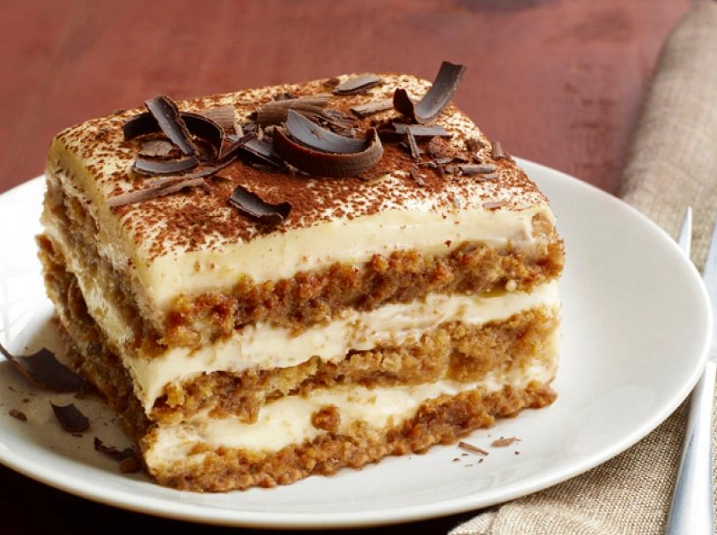
The Step-by-Step Dance: Making the Cream & Assembling
This is where most tiramisu recipes lose people. It’s not hard, but you have to pay attention to the order of operations.
First, the zabaglione (or sabayon). This is the egg yolk base. Whisk the egg yolks and sugar in a heatproof bowl set over a pot of gently simmering water (a bain-marie). Don't let the bowl touch the water. Whisk constantly for 8-10 minutes until it’s pale, thick, and hot to the touch. This step pasteurizes the yolks and creates a stable, creamy base. It should form ribbons when you lift the whisk. Let it cool slightly.
Now, the mascarpone. In a separate bowl, gently loosen the mascarpone with a spatula. No whisking yet! Just make it smooth. If you over-beat mascarpone, it can split and become grainy. I’ve done it. It’s heartbreaking.
Marrying the two. Fold the cooled yolk mixture into the mascarpone. Use a gentle folding motion until just combined. Some small streaks are okay.
The egg whites. Whip the egg whites with a pinch of sugar until you get stiff, glossy peaks. Then, fold these into the mascarpone mixture. This is what gives the cream its incredible, cloud-like lightness. Be gentle to keep the air in.
Pro-Tip I Learned the Hard Way: Have all your components ready before you start assembling – cream made, coffee+alcohol mix in a shallow dish, ladyfingers nearby, dish prepared. Tiramisu assembly is a quick, fluid process.
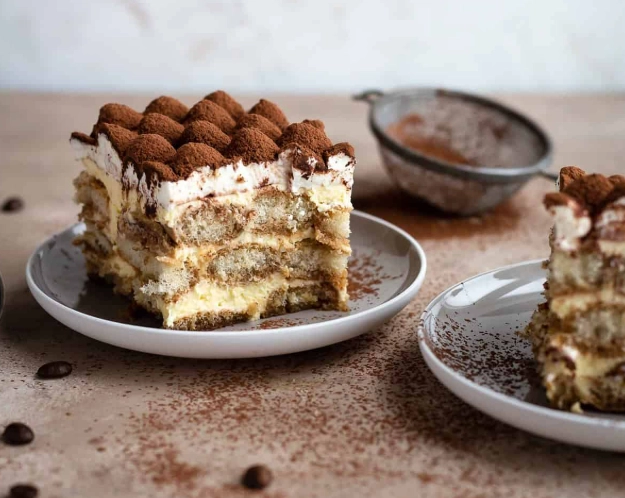
The assembly ritual. Quickly dip each ladyfinger into the coffee mixture. I mean quick – a one-second dip per side, max. You want it soaked but not sodden. Lay them in your dish. Spread half the cream over them. Dust with cocoa. Repeat: dipped fingers, cream, and a final, generous dusting of cocoa.
And then… you wait. This is the hardest part. Cover it and refrigerate for at least 6 hours, ideally overnight. The flavors meld, the cream sets, the biscuits soften perfectly. It transforms from separate layers into one harmonious dessert.
That’s the gold standard. But what if you’re short on time, or nervous about raw eggs? Don't worry, your tiramisu dreams aren't over.
Tiramisu for Everyone: No-Bake, No-Egg, & Shortcut Recipes
Not every day is a "whisk egg yolks over simmering water" kind of day. Sometimes you need dessert in a hurry, or you’re cooking for someone with dietary concerns. These tiramisu recipes are lifesavers.
The Foolproof, No-Raw-Egg Tiramisu Recipe
This is my go-to when I'm bringing dessert to a party and don't want to field questions about food safety. It uses whipped cream for stability and is incredibly forgiving.
The method is simpler: Whip heavy cream with a bit of sugar until stiff. In another bowl, beat the mascarpone with some vanilla and the remaining sugar until smooth. Fold the whipped cream into the mascarpone. That’s your cream. Done. The assembly is the same: dip, layer, dust, chill.
Is it the authentic texture? Not quite – it’s a bit richer and denser, but honestly, it’s still absolutely delicious. And it comes together in 20 minutes.
Navigating Dietary Twists
Food allergies and preferences are just part of life now. Luckily, tiramisu is adaptable.
- Egg-Free: The whipped cream method above is perfect. You can also explore using a pasteurized egg yolk product or a stabilizer like cornstarch slurry in the cooked yolk step if you want that flavor profile without whole eggs.
- Alcohol-Free: Easy. Just use all coffee for dipping. To mimic the complexity, add a drop of vanilla extract or a teaspoon of rum extract to the coffee. A splash of strong cold brew also works wonders.
- Gluten-Free: The easiest swap! Use gluten-free ladyfingers or sponge cake. Many brands work perfectly. Just do the quick-dip test with one first.
- Lower Sugar: Reduce the sugar in the cream slightly. Use a high-quality dark cocoa powder (which is less sweet) for dusting. The coffee will balance it.
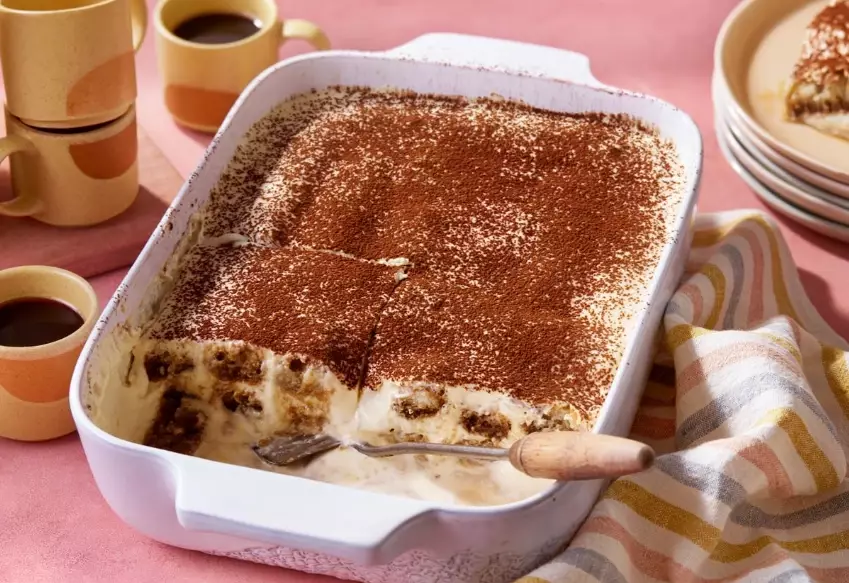
See? No need to miss out. But maybe you want to play, not just substitute. That’s where it gets really fun.
Beyond the Classic: Creative Tiramisu Recipe Variations
Once you’ve mastered the basic framework, the world is your tiramisu. The formula—a soaked base, a creamy layer, a bitter dusting—is a canvas. Here are some of the best twists I’ve tried (and one I didn’t love).
Fruit-Forward Versions: Berry tiramisu is a summer superstar. Replace the coffee dip with a mix of fruit puree (strained raspberry or strawberry) and a little liqueur like Chambord. Layer fresh berries with the cream. Dust with powdered sugar instead of cocoa. It’s stunning and refreshing.
Chocolate Overload: For the chocoholic. Add melted, cooled dark chocolate to your mascarpone cream. Use chocolate ladyfingers if you can find them. Dip them in a mocha (coffee + chocolate liqueur) mixture. Dust with chocolate shavings. It’s intensely rich.
Seasonal Spins: In the fall, try a pumpkin spice tiramisu. Fold pumpkin puree and spices into the mascarpone cream. Dip ladyfingers in a spiced rum and coffee blend. Top with candied pecans. Around the holidays, a peppermint version with crushed candy canes is always a hit.
The "Deconstructed" Trend: This is popular in restaurants, and it’s easy at home. Make individual servings in glasses. Layer crumbled coffee-soaked ladyfingers, cream, and cocoa. You can see all the beautiful layers, and it feels fancier.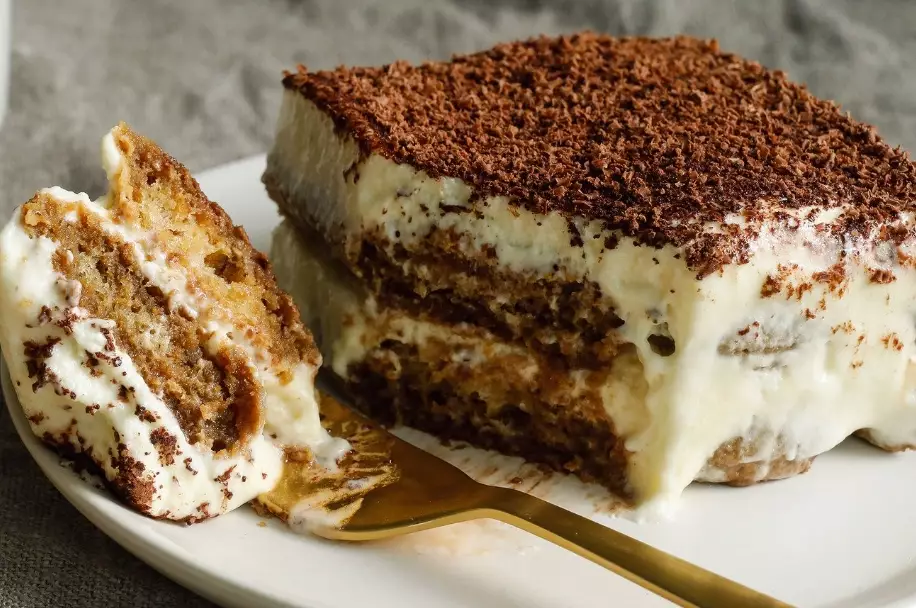
My Personal Favorite Variation: I adore a Matcha Tiramisu. Whisk high-quality matcha powder into the mascarpone cream. Dip the ladyfingers in a light sugar syrup (skip the coffee). The earthy, bittersweet matcha against the sweet cream is unreal. A total crowd-pleaser for something different.
Not every experiment is a winner, though. I once tried a "savory tiramisu" with sun-dried tomatoes and herbed cheese. Let’s just say it was an interesting experience that did not need repeating. Stick to the sweet realm.
With all these options, how do you choose? Let's compare.
Choosing Your Champion: A Quick Comparison
| Recipe Type | Best For | Effort Level | Key Characteristic |
|---|---|---|---|
| Authentic Classic | Purists, special occasions, impressing foodies. | Medium-High (requires careful technique) | Light, ethereal texture; balanced, sophisticated flavor. |
| No-Egg / Whipped Cream | Quick needs, beginners, when serving cautious guests. | Low (very simple, no cooking) | Rich, stable, and consistently creamy. Forgiving. |
| Fruit Variation (e.g., Berry) | Summer gatherings, lighter dessert option, non-coffee lovers. | Medium (requires making a puree) | Bright, fresh, and visually stunning. Less heavy. |
| Flavor Twist (e.g., Matcha, Pumpkin) | Adventurous cooks, themed dinners, breaking the monotony. | Medium (same base technique, new flavors) | Conversation-starting, personalized, fun. |
Okay, you've picked a path. But before you run to the kitchen, let's clear up the questions that always pop up. I get DMs about these all the time.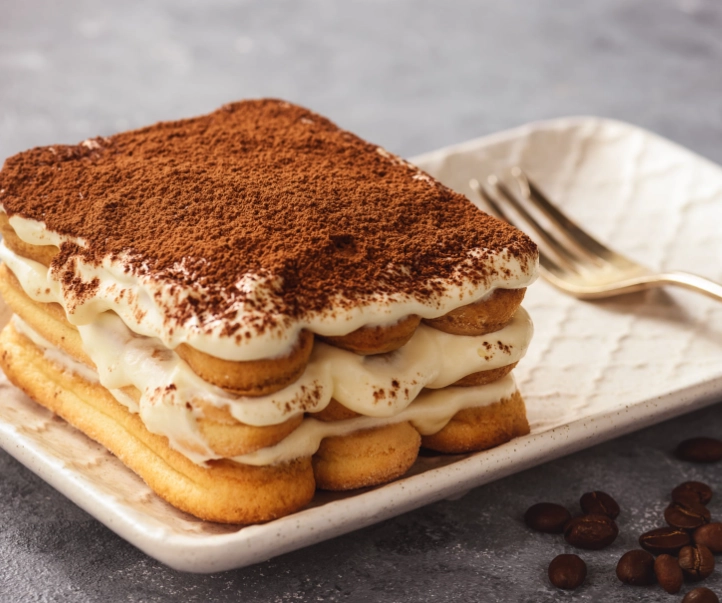
Your Tiramisu Questions, Answered (The Real Stuff Google Doesn't Always Tell You)
See? Most problems have a fix or a reason. A lot of tiramisu recipes just give you steps, but they don't tell you what to do when things go slightly sideways. Now you know.
Bringing It All Home: Your Next Step to Tiramisu Success
Look, at the end of the day, tiramisu is just a dessert. It’s not brain surgery. But it’s a dessert that carries a lot of romance and expectation. The goal here wasn’t to give you one rigid tiramisu recipe, but to give you the understanding and confidence to make it your own.
Start with the classic if you’re feeling bold. Start with the no-egg version if you want a guaranteed win. Try a fun variation once you get the hang of it. The most important ingredient, honestly, is patience—patience to whisk the yolks properly, patience to fold gently, and the cruel patience to let it sit in the fridge overnight.
I still remember the first time I made a tiramisu that actually made me close my eyes and go "Mmm." It wasn’t my first attempt. It was probably my fifth. But getting there, understanding the why behind each step, was so satisfying. That’s what I hope you get from this guide.
So go on. Pick a recipe, grab some mascarpone, and get started. Your perfect tiramisu is waiting. And if it turns into soup on the first try? Welcome to the club. Dust it with extra cocoa, call it a "deconstructed tiramisu parfait," and try again next week. You’ve got this.