In This Guide
- What Exactly Is Pollock, and Why Should You Cook It?
- Your Pollock Prep Playbook: Thawing, Drying, Seasoning
- Top Cooking Methods for Pollock, Ranked by Ease & Flavor
- Can't-Miss Pollock Recipes You'll Actually Make
- Mistakes to Avoid (I've Made Them So You Don't Have To)
- Answering Your Pollock Questions (The Stuff You Actually Google)
- Beyond the Basic Fillet: Creative Ways to Use Pollock
- Wrapping It Up: Your New Kitchen Staple
Let's talk about pollock. You've probably seen it at the store—it's that affordable, mild white fish that always seems to be on sale. Maybe you've picked it up, brought it home, and then stared at it in the fridge, wondering, "Now what?" I've been there. For years, I thought it was just a boring fish, good for fish sticks and not much else. Boy, was I wrong.
I remember the first time I decided to give it a real shot. It was a Tuesday, the budget was tight, and salmon was looking a bit too pricey. I grabbed some Alaskan pollock fillets, figuring if I messed it up, at least I hadn't wasted much money. What happened next completely changed my weeknight dinner game. That humble piece of fish turned into a flaky, flavorful meal that had everyone asking for seconds. It was a revelation.
That's what this is all about. This isn't just a list of pollock recipes. It's a deep dive into turning this underrated seafood superstar into the most reliable, healthy, and delicious player in your kitchen. Whether you're a seasoned cook or someone who gets nervous just turning on the stove, there's a pollock recipe here for you.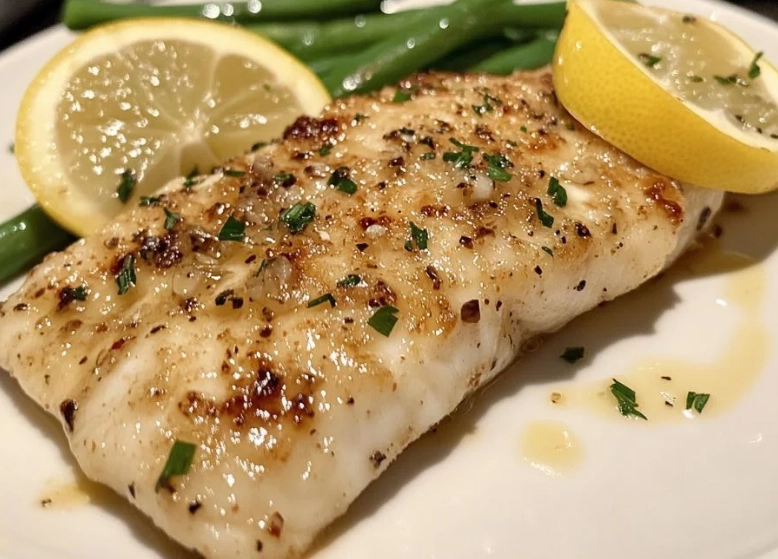
What Exactly Is Pollock, and Why Should You Cook It?
Before we get to the good stuff (the cooking!), let's get to know our main ingredient. Pollock comes in a couple of main varieties. You've got Alaskan pollock, which is a huge fishery and one of the most sustainably managed in the world according to the NOAA Fisheries. Then there's Atlantic pollock, which is a different species but cooks up very similarly. Both are part of the cod family, which explains their mild flavor and flaky texture.
So why bother with pollock recipes over other fish?
The Pollock Advantage: It's almost always cheaper than cod, haddock, or halibut. It's incredibly lean and packed with protein. A 3-ounce cooked serving has about 20 grams of protein for under 100 calories. It's also a great source of B vitamins and selenium. And because it's so mild, it's a perfect "gateway fish" for picky eaters or kids. It just soaks up whatever flavors you throw at it.
I think the biggest hurdle for people is that they don't know how to handle it. They worry it will be bland or fall apart. I had those worries too. But with a few simple tricks, which we'll get to, those problems vanish.
Your Pollock Prep Playbook: Thawing, Drying, Seasoning
Most of us buy pollock frozen. It's frozen at sea, which locks in freshness. How you treat it from frozen to pan is the secret to 90% of successful pollock recipes. Do it wrong, and you get a soggy, watery mess. Do it right, and you get restaurant-quality fillets.
The Right Way to Thaw
Never, ever thaw it in warm water or on the counter. The best method? Overnight in the fridge. Just move the sealed package from the freezer to the fridge the night before you plan to cook. If you're in a pinch, place the sealed fillets in a bowl of cold water. Change the water every 20-30 minutes. It'll be ready in about an hour. This gentle thawing keeps the texture intact.
The Single Most Important Step
This is non-negotiable. Once your fillets are thawed, pat them bone-dry with paper towels. I mean it. Get every bit of surface moisture off. This is the magic trick for getting a beautiful sear instead of a steam. Wet fish will never brown properly. Take an extra minute here. It makes all the difference.
Pro Tip: After patting dry, let the fillets sit on a fresh paper towel on a plate in the fridge, uncovered, for 15-20 minutes. This air-dries the surface even more for ultimate crispiness.
Seasoning: Don't Be Shy
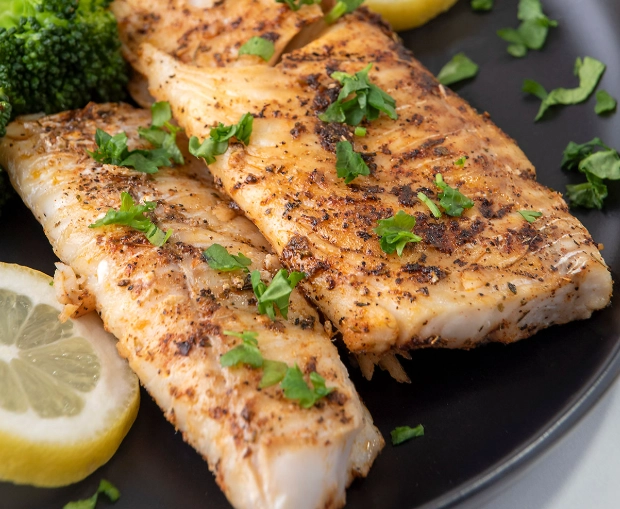
Pollock needs help in the flavor department. It's a blank canvas. Salt and pepper are your foundation. Season both sides generously, right before cooking. From there, the world is yours. A simple dusting of paprika and garlic powder works wonders. Lemon pepper is a classic. For an herby vibe, dried dill, thyme, or an Italian herb blend are perfect partners.
Think about what you're craving. Want something with a kick? A sprinkle of cayenne or chili powder. Something cozy? A little smoked paprika. The best pollock recipes start with confident seasoning.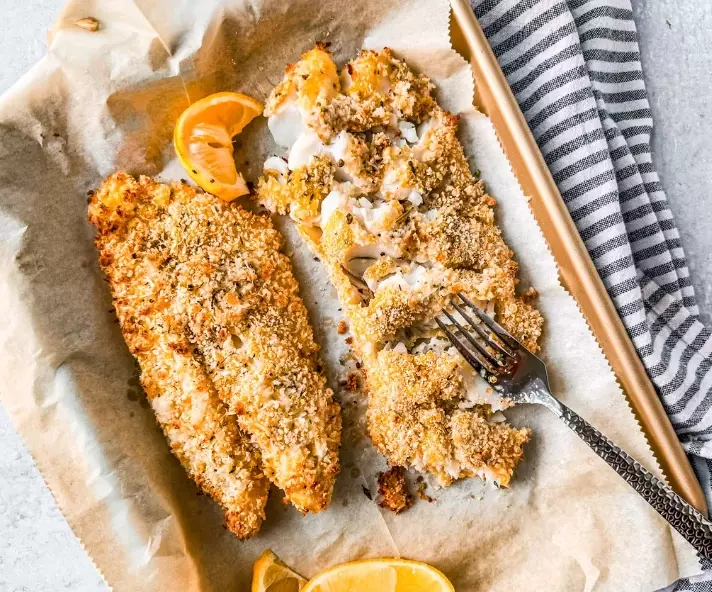
Top Cooking Methods for Pollock, Ranked by Ease & Flavor
Alright, let's get cooking. Here’s how I’d rank the most popular methods, based on how foolproof they are and how tasty the results are. This isn't just my opinion—it's what I've found works best after testing dozens of pollock recipes.
| Method | Best For | Key to Success | My Personal Take |
|---|---|---|---|
| Baking | Hands-off cooking, feeding a crowd, keeping things light. | Don't overcook! 10-12 mins at 400°F (200°C) is usually perfect for 1-inch thick fillets. | My absolute go-to. It's so hard to mess up. You can add veggies to the same sheet pan for a complete meal. |
| Pan-Searing | A gorgeous, crispy crust and a quick cook time. | Hot pan, enough oil, and that DRY fish we talked about. Don't move it until it releases easily. | Gives you the most "chef-y" result. Feels fancy but takes less than 10 minutes. The texture contrast is unbeatable. |
| Air Frying | Ultra-crispy results with minimal oil, super fast. | Lightly spray or brush with oil. Cook in a single layer. Shake the basket halfway. | Perfect for "fish and chips" style meals without the deep fryer mess. The crust gets incredibly even. |
| Poaching | The most tender, delicate texture. Great for diets. | Use a flavorful liquid (court-bouillon) and keep it at a bare simmer, never a boil. | Honestly, I find this method a bit bland on its own. It's great for fish that will be flaked into a salad or chowder. |
Can't-Miss Pollock Recipes You'll Actually Make
Let's move from theory to practice. These are the pollock recipes that have earned a permanent spot in my rotation. They're tested, they're loved, and they solve the "what's for dinner" problem without drama.
The Ultimate Lemon-Garlic Baked Pollock
This is the one I make when I have zero mental energy but still want something that tastes like I tried. Preheat your oven to 400°F (200°C). Place your dried, seasoned fillets on a parchment-lined baking sheet. In a small bowl, mix together 3 tablespoons of melted butter (or olive oil), the zest and juice of one lemon, 3 minced garlic cloves, and a tablespoon of chopped fresh parsley. Spoon this glorious mixture over the fillets. Bake for 10-12 minutes, just until the fish flakes easily with a fork.
The result? Moist, flaky fish swimming in a buttery, garlicky, lemony sauce. I spoon the extra sauce from the pan over some rice or roasted potatoes. It's a 15-minute miracle.
Crispy Panko-Crusted Air Fryer Pollock
This satisfies the fish stick craving in a much healthier way. Set up three shallow dishes: one with flour seasoned with salt and pepper, one with a beaten egg, and one with panko breadcrumbs mixed with a little paprika, garlic powder, and maybe some grated parmesan if you're feeling fancy. Dredge each dry fillet in flour, then egg, then press firmly into the panko to coat. Spritz lightly with oil. Air fry at 400°F (200°C) for 8-10 minutes, flipping halfway.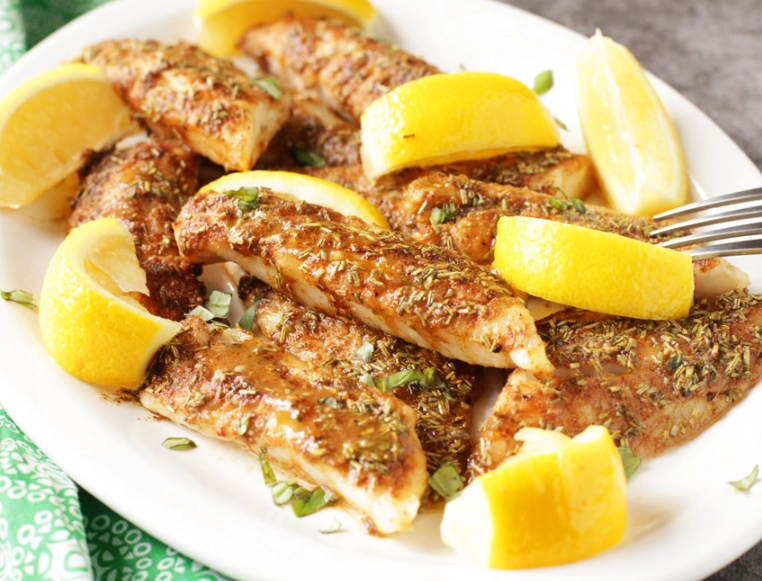
My Experience: The first time I tried this, I didn't press the panko on hard enough. Half of it ended up in the bottom of the air fryer basket. Lesson learned—really press that coating on! Now, it comes out with a shatteringly crisp crust every time. I serve it with a quick tartar sauce or just a big wedge of lemon.
One-Pan Mediterranean Pollock & Vegetables
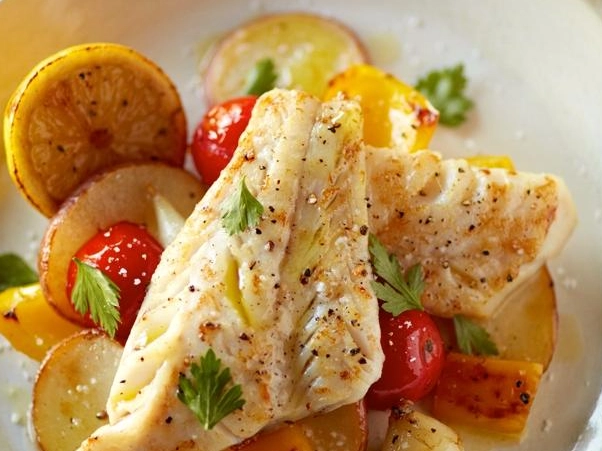
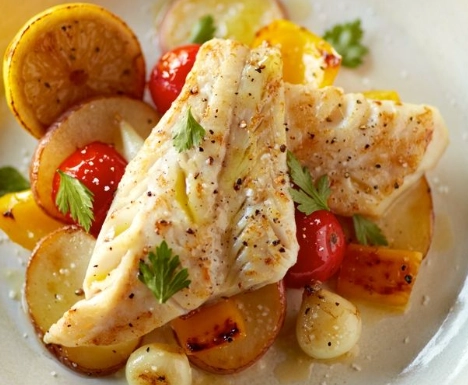
This is a full meal with almost no cleanup. On a large sheet pan, toss cherry tomatoes, sliced zucchini, red onion, and bell peppers with olive oil, salt, pepper, and dried oregano. Roast at 425°F (220°C) for about 15 minutes. Take the pan out, push the veggies to the sides, and add your seasoned pollock fillets to the center. Drizzle the fish with a little more oil. Crumble some feta cheese over everything. Roast for another 10-12 minutes until the fish is done. Finish with a handful of Kalamata olives and fresh basil.
The veggies get roasty and sweet, the feta gets a little melty, and the fish steams gently in all those flavors. It's colorful, healthy, and makes you feel like you're on vacation.
Mistakes to Avoid (I've Made Them So You Don't Have To)
Let's be real. Even the easiest pollock recipes can go sideways if you trip on a common pitfall. Here's my hall of shame, compiled from personal kitchen fails.
Overcooking is Enemy #1. This is the cardinal sin with any white fish, but especially pollock. It goes from perfectly moist to dry and rubbery in a matter of minutes. The fish is done when it turns opaque and flakes easily with a fork. It will continue to cook a bit from residual heat after you take it off the heat, so err on the side of slightly underdone. Trust me, a slightly translucent center is better than a chalky fillet.
Crowding the Pan. When pan-searing or air frying, give each piece some personal space. If you pile them in, they'll steam each other instead of browning. You want that beautiful Maillard reaction, and that needs hot, direct contact with the cooking surface.
Underseasoning. Remember, pollock is mild. It needs your help. Taste your seasoning mix before it goes on the fish. If it doesn't taste good on its own, it won't taste good on the fish.
Using a Flimsy Spatula. A thin, floppy spatula will tear your beautiful fillet when you try to flip it. Use a good, sturdy fish spatula or a wide, thin metal turner. Slide it all the way under the fish with confidence.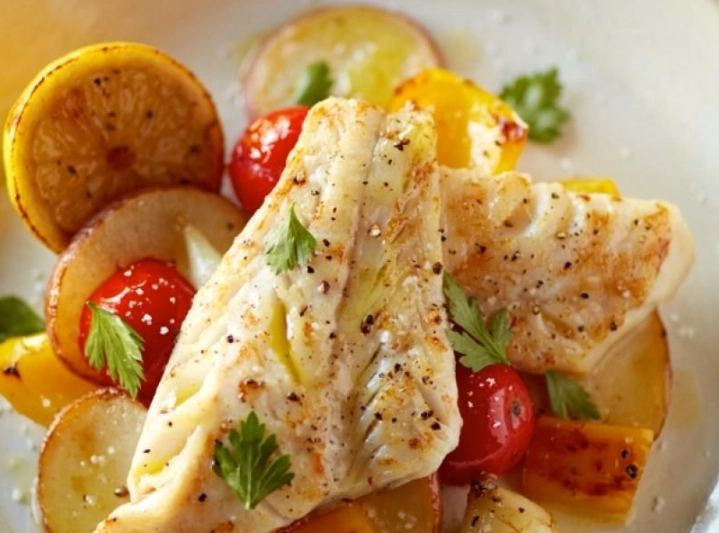
Answering Your Pollock Questions (The Stuff You Actually Google)
I get it. You're standing in the kitchen with a package of fish and a head full of questions. Here are the answers I needed when I started.
Absolutely. It's a lean, high-protein, low-mercury fish. The FDA lists pollock as a "Best Choice" fish, meaning it's low in mercury and safe to eat 2-3 servings a week. It's also one of the most sustainable choices you can make, especially Alaskan pollock.
They're cousins and can almost always be used interchangeably in recipes. Pollock is slightly softer and can be a bit more delicate, so handle it with a bit more care. It's also usually more affordable. Cod might hold a slightly firmer shape in stews, but for 95% of home cooking, you won't notice a difference in your pollock recipes.
This almost always comes down to two things: improper thawing (too fast in warm water) or it was previously frozen and refrozen, which damages the cell structure. Always buy from a reputable source, thaw slowly in the fridge, and cook it the same day you thaw it.
You can, but I don't recommend it for the best texture. It will release a lot of water as it thaws in the broth, potentially making your soup watery and diluting the flavor. For soups, it's worth the extra step to thaw and pat it dry first, then add it in the last few minutes of cooking.
Beyond the Basic Fillet: Creative Ways to Use Pollock
Once you're comfortable with the basic fillet recipes, a whole new world opens up. Pollock is fantastic flaked and used in other dishes. It's a budget-friendly secret weapon.
Fish Tacos: This is a no-brainer. Season fillets with chili powder, cumin, and paprika. Pan-sear or bake until flaky. Flake into chunks and serve in warm tortillas with cabbage slaw, avocado crema, and a squeeze of lime. Cheaper and often tastier than restaurant versions.
Fish Cakes or Burgers: Mix flaked, cooked pollock with mashed potato or breadcrumbs, an egg, some chopped herbs (dill is classic), and seasoning. Form into patties and pan-fry until golden. They freeze beautifully, too.
Chowder: A hearty New England-style chowder is the perfect place for pollock. Its mild flavor lets the creamy, potato-y, bacon-infused broth shine. Add the flaked fish at the very end so it doesn't overcook.
I made fish cakes for a potluck once, and no one believed the main ingredient was humble pollock. They thought it was some fancy crab cake imitation. That's the power of a good recipe.
Wrapping It Up: Your New Kitchen Staple
Look, at the end of the day, cooking should solve problems, not create them. It should feed your body, please your taste buds, and not wreck your budget or your evening. That's what good pollock recipes do.
This fish went from a "meh, I guess" item on my grocery list to a genuine favorite. It's the reliable workhorse that's always there for a quick, healthy, and surprisingly delicious meal. It forgives mistakes (mostly), rewards a little effort, and consistently delivers.
The next time you're meal planning, give one of these ideas a shot. Start with the baked lemon-garlic version. It's foolproof. Get comfortable with it. Then maybe try the crispy air fryer method. Before you know it, you'll be tweaking and creating your own signature pollock recipes.
And hey, if you do mess it up? Don't sweat it. It's just fish. A cheap, forgiving, wonderful piece of fish. That's the whole point.