Quick Navigation
- What Are Tapas, Really? More Than Just Small Plates
- Planning Your Tapas Party: A Stress-Free Checklist
- The Recipe Vault: From Can't-Miss Classics to Modern Favorites
- Your Tapas Questions, Answered (The Stuff You Actually Want to Know)
- Bringing It All Together: Your Tapas Night Game Plan
- The Final Bite
Let's be honest, the first time I heard about tapas, I thought it was just fancy Spanish bar food. A few olives here, a piece of cheese there. Then I actually went to a tapas bar in Barcelona, and my mind was completely blown. It wasn't just food; it was an experience. A slow, meandering, delicious conversation that lasted for hours. That's what I want to help you recreate at home. Forget the stress of a three-course meal. Tapas are about sharing, trying a bit of everything, and keeping things wonderfully relaxed.
This guide is everything I wish I'd known before I started trying to make tapas recipes myself. We'll go deep, from the non-negotiable classics to fun twists you can whip up with what's in your fridge. I've had my share of kitchen fails (nobody needs to know about the overly salty patatas bravas incident of 2019), so I'll help you sidestep those pitfalls.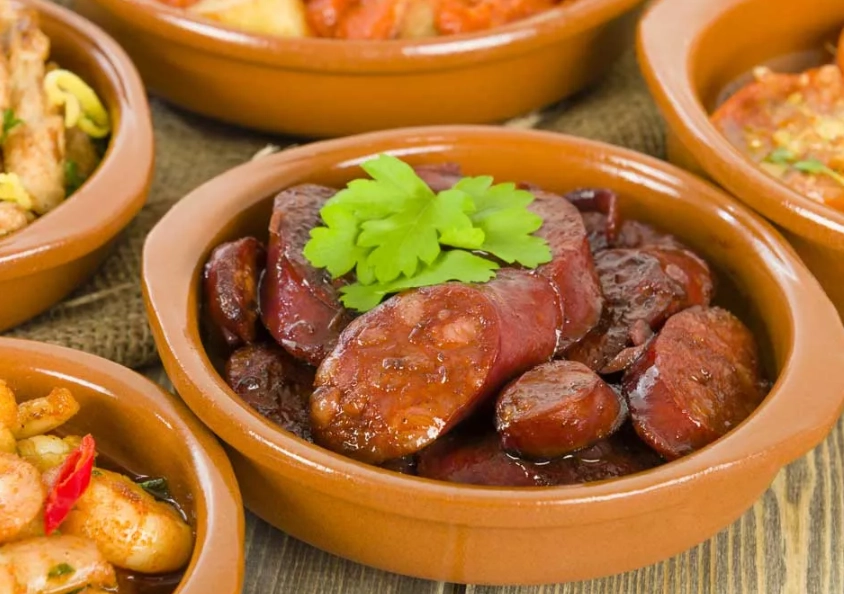
What Are Tapas, Really? More Than Just Small Plates
Okay, let's clear this up first. Calling tapas "Spanish appetizers" is like calling a symphony "some nice sounds." It's technically true but misses the entire point. The word "tapa" literally means "lid" or "cover." Legend has it the tradition started with bartenders placing a small slice of bread or ham over a glass of sherry to keep flies out. That small snack evolved into a culinary philosophy centered around sociability.
The real magic of tapas is in the pacing. It's not about one big dish. It's a parade of flavors. You order a few things, share them, talk, sip your drink, and then order a few more. It turns a meal into an event. When you're looking for authentic Spanish tapas recipes, you're not just looking for instructions to make food. You're looking for a blueprint for a great night in.
Planning Your Tapas Party: A Stress-Free Checklist
Throwing a tapas party is honestly the easiest way to host. No one expects a perfectly timed, sit-down affair. The pressure is off. But a little planning goes a long way in making you a calm host who actually enjoys the party. Here’s my battle-tested approach.
First, think about variety. You want a mix of textures, temperatures, and effort levels. I aim for this rough breakdown:
- No-Cook or Minimal Cook: Things like marinated olives, manchego cheese with quince paste, good jamón serrano (if you can get it), or simple Pan con Tomate (tomato bread). These are your lifesavers—ready in minutes.
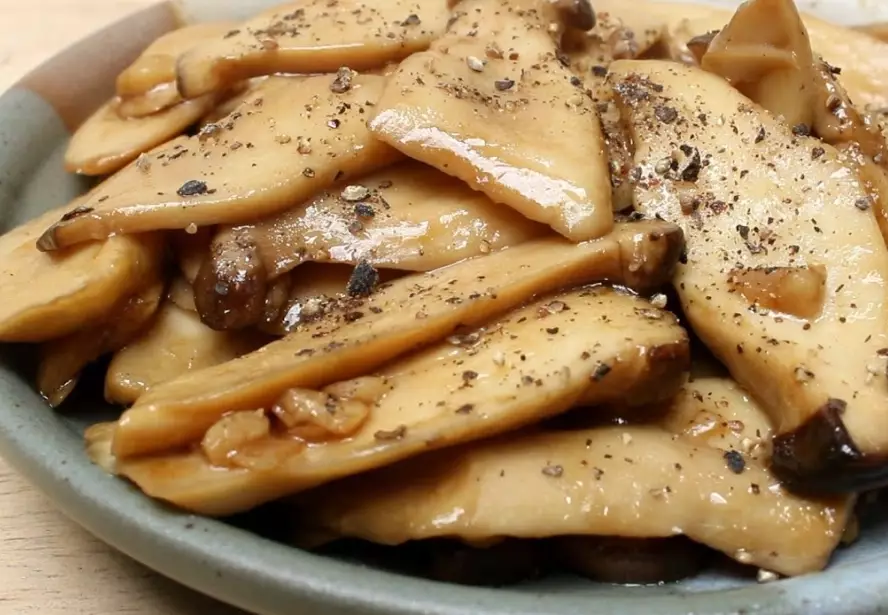
- Make-Ahead Champions: Dishes that taste better the next day or can be assembled last minute. Think tortilla española (it's great at room temp), marinated mushrooms, or a big bowl of gazpacho for shots.
- Hot & Fresh, Quick to Cook: The stars of the show that need last-minute attention. Gambas al ajillo (garlic shrimp) take 5 minutes. Chorizo cooked in cider is even faster. Plan to make these in batches as the party goes on.
How many tapas recipes do you need? For a group of 6-8 people, I find 5-7 different dishes is perfect. It feels abundant without being wasteful or sending you into a cooking coma. Here's a simple table I use for planning quantities. It's not a rigid science, but it prevents the "oh no, we're out of food" panic.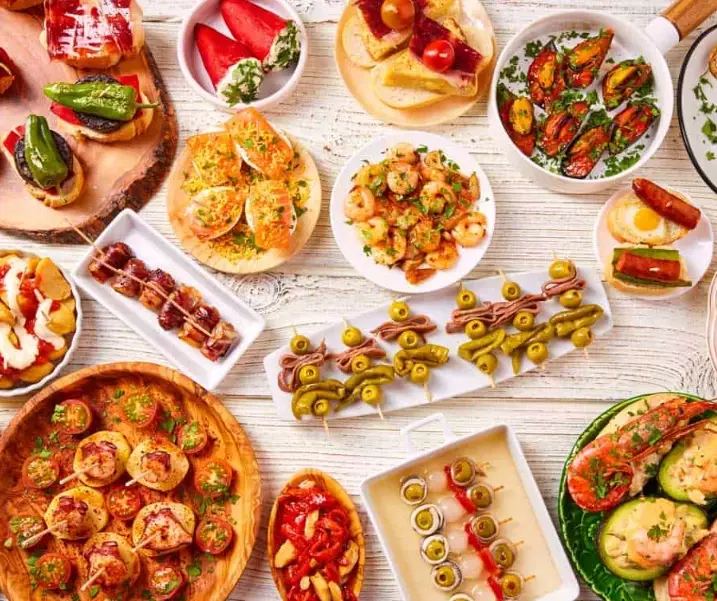
| Number of Guests | Total Number of Tapas Dishes | Pieces/Portions per Dish (approx.) | Key Tip |
|---|---|---|---|
| 4-6 | 4-5 | Enough for everyone to have 2-3 tastes | Focus on 2 make-ahead dishes. |
| 6-10 | 5-7 | Plan for smaller, more frequent servings | Include 2-3 no-cook options. |
| 10+ | 7-10 | Smaller portions, more variety | Enlist a friend to help with hot items! |
Drinks are easy. Spanish red wine (like a Rioja or Garnacha), dry sherry (Fino or Manzanilla), or a simple sangria are all classic pairings. For non-alcoholic options, sparkling water with lemon or a non-alcoholic sangria base work great. Put drinks in a central spot and let people help themselves.
The Recipe Vault: From Can't-Miss Classics to Modern Favorites
Alright, let's get to the good stuff. Here are some of my go-to tapas recipes, broken down by category. I've included the absolute essentials and some personal favorites that always get rave reviews.
The Foundation: Classic Spanish Tapas Recipes
You can't go wrong with these. They're the pillars. Mastering a few of these gives you instant credibility.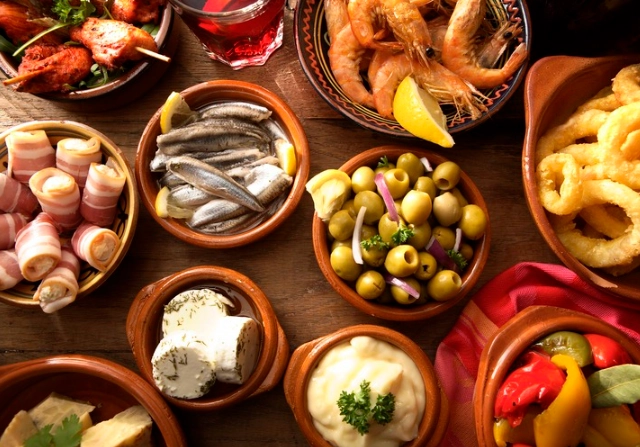
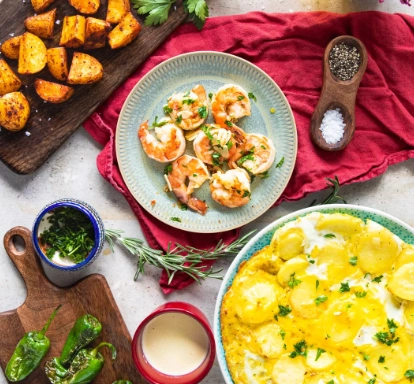
Tortilla Española (Spanish Omelette): This is the ultimate test of a good tapas cook, and honestly, it took me a few tries to get it right. The goal is a creamy, barely-set interior and a golden exterior. The secret is cooking the potatoes and onions slowly in plenty of olive oil until they're tender, not crispy. Then, you mix them with the eggs. The flip is dramatic, but you can finish it under a broiler if you're not feeling brave. It's sublime warm, but it's truly perfect at room temperature, making it the best make-ahead dish ever. The Spanish Ministry of Culture and Sport even highlights its cultural significance, which tells you how serious this dish is (Spanish Ministry of Culture).
Gambas al Ajillo (Garlic Shrimp): This is the showstopper. It takes 5 minutes and the smell alone will bring everyone to the kitchen. Use the best olive oil you have, a generous amount of sliced garlic (not minced, it burns too easily), and a hit of dried chili flake. Cook the shrimp just until they turn pink, then finish with a squeeze of lemon and a sprinkle of parsley. Serve immediately with bread to soak up that incredible garlic oil. Don't even think about skipping the bread.
Patatas Bravas: Crispy fried potatoes smothered in a spicy tomato sauce (the "brava" sauce) and usually a garlic aioli. The debate over the perfect bravas sauce is a friendly Spanish civil war. Some are tomato-based, some are spiked with vinegar and paprika, others are creamy. My favorite version uses a smoked paprika-spiked tomato sauce. The key is getting the potatoes super crispy so they hold up under the sauce.
Vegetarian Tapas Recipes That Steal the Show
Vegetarian tapas are not an afterthought in Spanish cooking; they're often the star. When you're searching for vegetarian tapas ideas, these are the heavy hitters.
Pan con Tomate (Pa amb tomàquet): This Catalan staple is the essence of simplicity. You rub a halved, very ripe tomato over toasted bread (rubbing in the pulp and juices), then drizzle with good olive oil and sprinkle with salt. That's it. The quality of your ingredients is everything here. It's the perfect base for other toppings like manchego or jamón, but it's perfect on its own.
Pimientos de Padrón: These are a game of delicious Russian roulette. Most of these small green peppers are mild and sweet, but about one in ten is surprisingly spicy. You simply blister them in very hot olive oil until the skin is charred in spots, then toss them with coarse sea salt. Serve them whole—the fun is in eating them and seeing who gets the spicy one. They're incredibly addictive.
Croquetas: Creamy, crispy, and utterly irresistible. The classic is jamón serrano, but for a vegetarian tapas option, wild mushroom croquetas or spinach and cheese are fantastic. They involve making a thick béchamel, mixing in your filling, chilling it solid, then breading and frying. Yes, it's a project, but you can make and freeze them ahead of time. Trust me, they're worth the effort.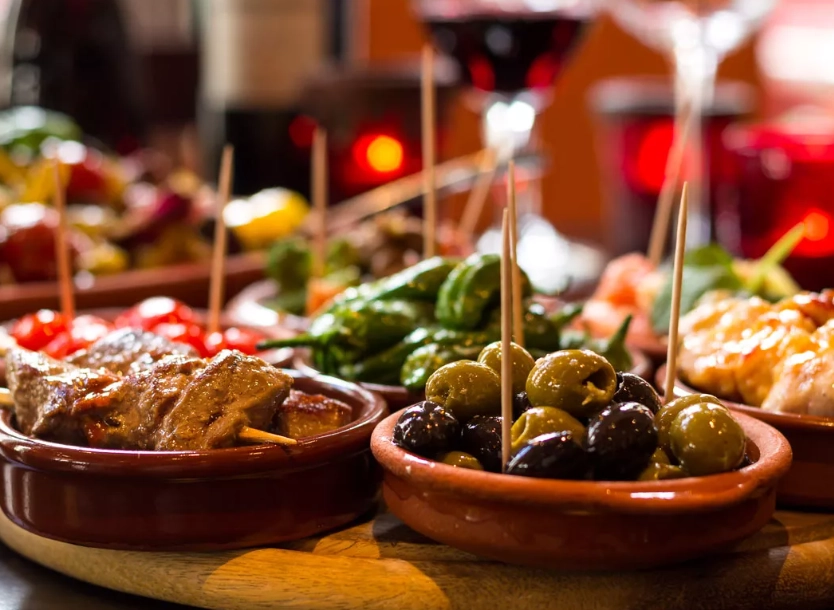
Modern & Easy Tapas Recipes for Busy Nights
Not every tapas night needs to be a production. Sometimes you just want a few easy tapas recipes to share on a Tuesday. These are my quick fixes.
- Chorizo in Cider (Chorizo a la Sidra): Literally slice some Spanish chorizo (the hard, cured kind), throw it in a hot pan for a minute to release its oils, then add a glug of dry Spanish cider. Let it bubble and reduce for a few minutes until it becomes a glossy sauce. Serve straight from the pan. It's sweet, spicy, and takes less than 10 minutes.
- Manchego & Quince Paste (Dulce de Membrillo): This is the ultimate no-prep tapas. Slice some manchego cheese, add a slice of the firm, sweet quince paste, and maybe a couple of marcona almonds. The salty-sweet combo is perfection.
- Quick Marinated Olives: Don't just serve olives from the jar. Warm them gently in a pan with a splash of olive oil, a strip of orange zest, a rosemary sprig, and a pinch of chili flake. Let them cool in the marinade. The flavor transformation is huge for almost no work.
Your Tapas Questions, Answered (The Stuff You Actually Want to Know)
Bringing It All Together: Your Tapas Night Game Plan
Let's walk through a hypothetical Friday night tapas party for 6 people, using the tapas recipes we've talked about.
Two Days Before: Make your tortilla española. Let it cool, wrap it, and refrigerate. Make the bravas sauce and aioli for the potatoes. Store separately.
The Day Before: Marinate your olives. Prep the mushrooms if you're doing them. Make the croqueta mixture, form them, bread them, and freeze on a tray.
Day Of, 2 Hours Before: Take the tortilla and cheese out to come to room temp. Arrange your no-cook platters (cheese, quince, nuts). Set the table with lots of small plates, napkins, and wine glasses.
30 Minutes Before Guests Arrive: Fry your croquetas from frozen and keep them warm in a low oven. Fry the potatoes for the patatas bravas and keep them warm.
As Guests Arrive: Put out the tortilla (sliced), the cheese board, the marinated olives, and the croquetas. Pour drinks. Let people graze.
After the First Round: Heat up the bravas sauce, toss the warm potatoes in it, drizzle with aioli, and serve. Then, in quick succession, cook the gambas al ajillo and the chorizo in cider. These hot items will come out staggered, which keeps the energy up and the food fresh.
And that's it. You're not stuck in the kitchen, you're enjoying the party, and you've delivered an amazing, varied spread of authentic Spanish tapas with minimal last-minute chaos.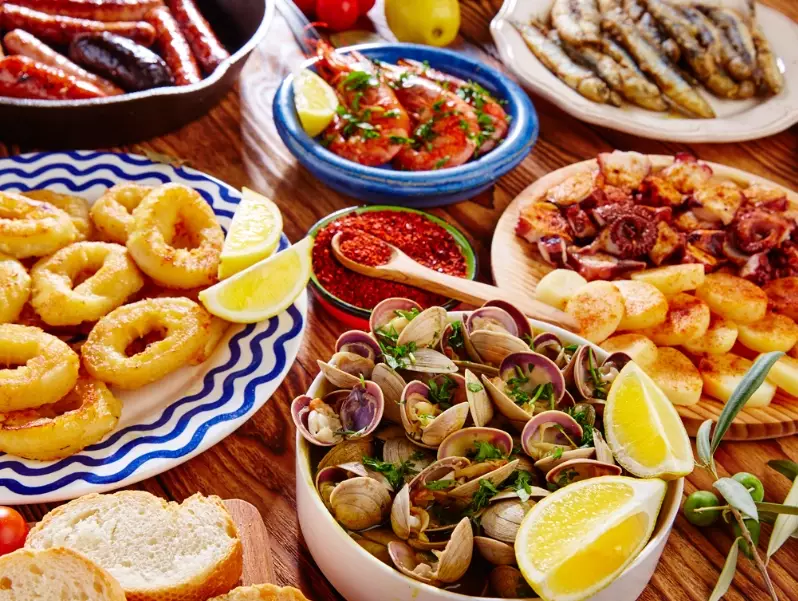
The Final Bite
At the end of the day, the best tapas recipes are the ones that get made and shared. Don't let perfectionism stop you. Start with something simple like pan con tomate and chorizo in cider. See how the shared plates get people talking and relaxing in a way a formal meal sometimes doesn't.
Use this guide as a toolbox, not a rulebook. Mix the classics with your own creations. The most authentic thing you can do is to gather people, share food slowly and with joy, and maybe argue a little about whose bravas sauce is best. That's the real Spanish way. Now, go pour a glass of Rioja and start planning your menu. You've got this.