What You'll Find in This Guide
So you want to make haggis. I get it. There's something about that idea—tackling a dish that feels wrapped in mystery and maybe a little bit of intimidation. Is it just a weird pudding? A historical curiosity? Let me tell you, a proper haggis food recipe is more than that. It's hearty, it's flavorful, and when done right, it's genuinely delicious. Forget the jokes for a minute. Making it yourself is a project, sure, but it's a deeply satisfying one that connects you to a whole tradition of Scottish cooking.
I remember the first time I decided to try a homemade haggis recipe. I was living abroad and missed the real thing from a trip to Scotland. The store-bought versions... well, they were fine, but they lacked soul. They tasted processed. I wanted the rough texture, the peppery kick, the richness that comes from doing it properly. The problem? Most recipes online were either overly simplified (just mix some stuff in a bowl) or so fiercely traditional they assumed you had a local butcher who would hand you a cleaned sheep's stomach lining. Right.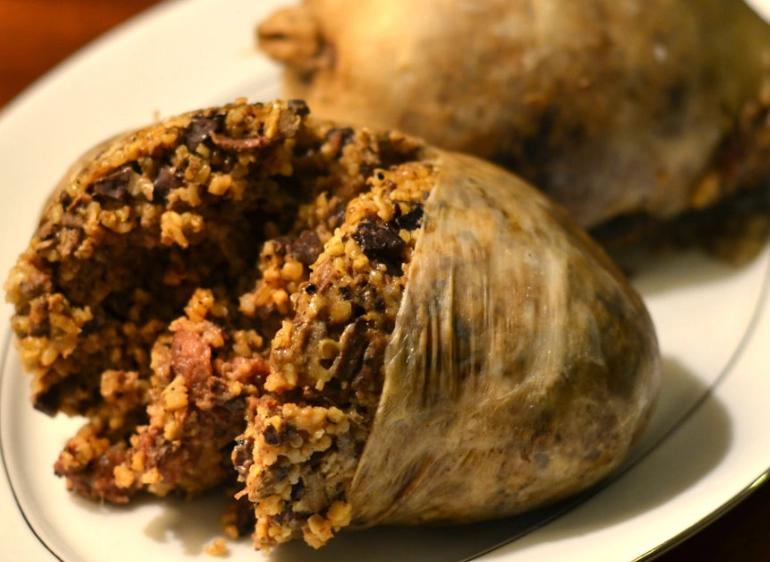
This guide is for the rest of us. The home cooks who are curious, maybe a little adventurous, and want a clear path to an authentic result without the unnecessary fog. We'll walk through what haggis actually is, how to get the ingredients (even if your local supermarket doesn't sell sheep's pluck), the step-by-step process, and how to avoid the common pitfalls that can turn your labor of love into a bland, mushy disappointment.
What Is Haggis, Really? Breaking Down the Mystery
Let's clear the air immediately. Haggis is not a mysterious monster. At its core, it's a seasoned savory pudding. Its genius lies in its practicality. It's a dish born from necessity, using every part of the animal in a way that is both nourishing and full of flavor. The traditional casing is a sheep's stomach, but let's be honest, that's the part that makes most newcomers pause. The filling is what matters: finely minced sheep's heart, liver, and lungs (the "pluck"), mixed with toasted oatmeal (pinhead oatmeal is key), onions, suet, spices, and stock.
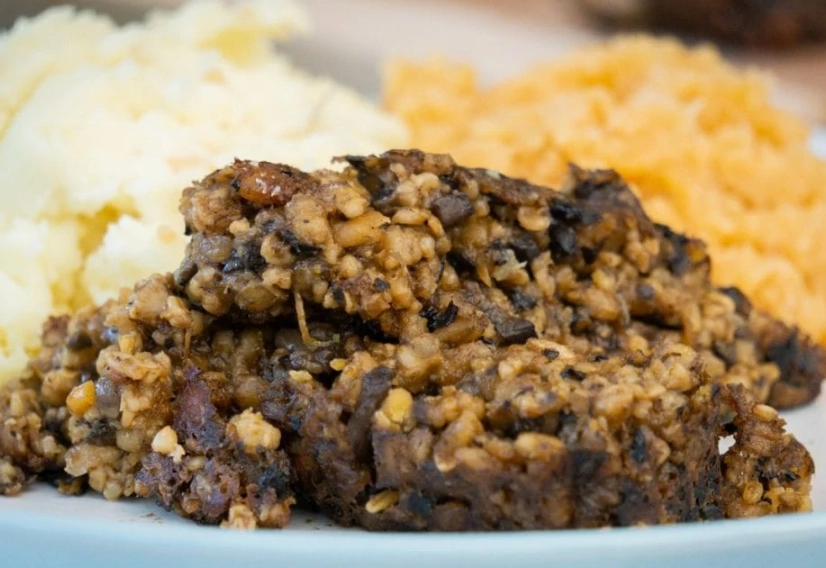
The cooking process is what transforms these humble ingredients. It's boiled or steamed slowly, allowing the fats to render, the oatmeal to swell and absorb all the rich flavors, and the spices to meld together. The result should be coarse, crumbly, moist, and powerfully savory. It shouldn't be smooth like a pâté or dense like a meatloaf. Texture is everything in a good haggis recipe.
And no, it doesn't taste "offaly" in a bad way. The spices—primarily black pepper and coriander—are robust and balance the richness of the meat perfectly. Think of it as the Scottish equivalent of a great Italian sausage or French pâté: humble ingredients elevated through technique and seasoning.
The Core Ingredients: A Non-Nonsense Shopping List
This is where many potential haggis makers stall. Sourcing. You can't just wing this part. The quality and type of ingredients directly define your final dish. Here’s exactly what you need and, crucially, where to find it or what to use instead.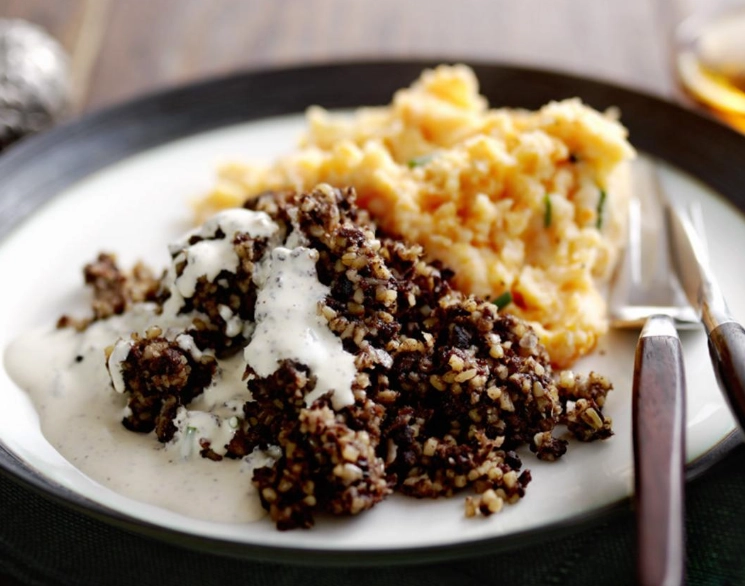
| Ingredient | Traditional Role | Modern Sourcing Tips & Substitutes |
|---|---|---|
| Sheep's Pluck (Heart, Liver, Lungs) | Provides the distinctive meaty base and flavor. Lungs add lightness. | The biggest hurdle. Contact a local halal butcher, a specialty meat supplier, or a farm directly. You may need to order ahead. Substitute: If lungs are impossible to find, use a ratio of 2 parts lamb/liver to 1 part lamb heart. The texture will be denser. |
| Pinhead Oatmeal (Steel-cut oats) | Toasted, they provide essential nutty flavor and crumbly texture. They absorb moisture and fat. | DO NOT use rolled oats or instant oats. They will turn to mush. Pinhead/steel-cut oats are non-negotiable. Find them in health food stores, online, or some well-stocked supermarkets. |
| Beef Suet | Hard fat from around the kidneys. It melts slowly during cooking, basting the mixture from within, keeping it incredibly moist. | Ask your butcher for shredded beef suet. Pre-packaged suet from the baking aisle works in a pinch, but fresh is superior. Do not substitute with butter or oil. |
| Onions | Sweetness and aromatic base. | Yellow or brown onions, finely minced. Simple. |
| Spices: Black Pepper, Coriander, Nutmeg, Mace | Black pepper is the dominant spice, providing heat. Coriander adds citrusy depth. Nutmeg/mace offer warmth. | Use freshly ground black pepper. Toast coriander seeds and grind them yourself for best flavor. Pre-ground is okay but less vibrant. |
| Stock | Moisture and seasoning. The liquid the oatmeal absorbs. | Use the broth you cook the pluck in. It's packed with flavor. This is a secret weapon. |
| Casing | Holds the mixture during cooking. | Traditional: Cleaned sheep's stomach (soaked in salted water). Modern/Home Kitchen Friendly: A 1-liter pudding basin lined with muslin/cheesecloth, OR a loaf pan tightly wrapped in multiple layers of foil. Seriously, this works perfectly and is less fuss. |
See? It's a list, not a magic spell. Getting the pluck is the main mission. Everything else is straightforward grocery shopping. I once spent a whole afternoon calling butchers before finding one. It felt like a victory. The woman on the phone said, "Aye, we can get that for you. For a brave soul, eh?" It made the whole process feel more like an adventure.
The Step-by-Step Haggis Food Recipe Process
Okay, ingredients are assembled. Now, let's cook. This isn't a 30-minute meal. Plan for a good half-day, most of it passive cooking time. The process has distinct stages, and rushing any of them is a mistake.
Stage 1: Preparing the Meat (The Foundation)
This stage is about building flavor and ensuring the right texture.
First, give your pluck a good rinse under cold water. Place the whole pluck (heart, liver, lungs still attached if possible) in a large pot. Cover it completely with cold water. Add a peeled, halved onion, a couple of bay leaves, and maybe a dozen black peppercorns. Don't salt the water yet.
Bring it to a very gentle simmer. I mean gentle. A few bubbles breaking the surface. A rolling boil will toughen the meat and make the liver bitter. Skim off any gray scum that rises. Let it simmer like this for about 1.5 to 2 hours, until the meats are tender. A knife should pierce the heart easily.
Once cooked, lift the meats out and let them cool on a tray. SAVE THE COOKING BROTH. Strain it through a fine sieve. You'll need about a liter of this liquid gold later. This broth is packed with meaty flavor and is what makes your haggis uniquely rich. Discarding it is like throwing away the secret ingredient.
When the meats are cool enough to handle, you need to trim and mince. This is hands-on work. Cut away any obvious gristle or large vessels from the heart and lungs. The liver might have a thin membrane; peel it off. Now, mince. You can use a meat grinder on a coarse plate for authenticity, but a food processor works if you're careful. Pulse in short bursts. You want a coarse, ragged mince, not a fine paste. Think the texture of coarse breadcrumbs. Put all the minced meat into a large mixing bowl.
Stage 2: The Oatmeal & The Mix (Where It Comes Together)
While the meat cools, toast your pinhead oatmeal in a dry, heavy frying pan over medium heat. Stir constantly. You're not trying to cook it through, just to toast it until it smells nutty and takes on a very light golden color. This step is non-negotiable for flavor. Dump the toasted oats into the bowl with the meat.
Now, add your shredded suet and the finely minced raw onions. Yes, the onions go in raw—they'll cook inside the haggis. For spices, I use a heavy hand with black pepper—at least two teaspoons, freshly ground. One teaspoon of ground coriander, and a good pinch each of freshly grated nutmeg and mace. This is your chance to taste and adjust. Some recipes include a pinch of cayenne for warmth, which I personally like.
Now, start adding your reserved warm broth. Pour it in gradually, mixing thoroughly with your hands (clean hands are the best tool here). You're looking for a moist, cohesive mixture that holds together when you squeeze a handful, but it shouldn't be sloppy or wet. You might not need all the broth. Season the mix well with salt. This is critical. Underseasoned haggis is sad haggis. The oatmeal and meat drink up seasoning. Be bold.
Mix, taste (you can cook a tiny patty in a pan to check seasoning), and adjust. This is the soul of your traditional haggis recipe.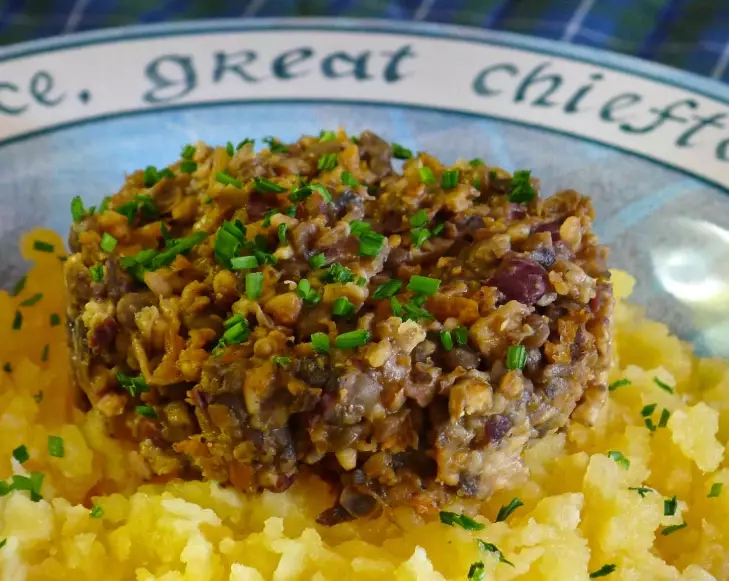
Stage 3: Packing and Cooking (The Final Transformation)
If you're using a traditional stomach, you've pre-soaked it and now you carefully pack the mixture in, leaving about one-third empty for the oatmeal to expand. Sew it up or tie it tightly with string.
For the vast majority of us using a modern method, take a 1-liter pudding basin or a similar-sized heatproof bowl. Line it completely with a large piece of muslin or a double layer of cheesecloth, letting the edges overhang. Pack your haggis mixture in firmly. Bring the cloth edges together over the top and tie them tightly with string, creating a little parcel.
Place this parcel (or your stomach) in a large pot. Fill the pot with enough hot water to come about two-thirds up the side of the basin. You're not submerging it completely. Bring to a very gentle simmer, cover the pot with a lid, and let it steam/poach for a solid 3 hours. Check occasionally to ensure the water hasn't boiled away, topping up with more boiling water as needed.
Those three hours are when the magic happens. The suet melts, the oatmeal swells and softens (but retains its bite), and everything sets into that iconic, crumbly yet moist texture.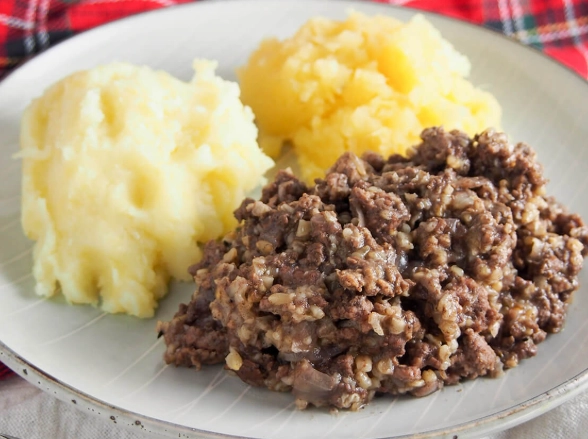
How to Serve and Eat Your Homemade Haggis
Once cooked, you can either serve it immediately or let it cool and reheat it later (often even better, as flavors meld). To serve, unwrap it from its cloth and turn it out onto a warm plate. It should hold its shape but be tender.
The classic, and in my opinion best, accompaniment is "neeps and tatties." The neeps are mashed swede (rutabaga/yellow turnip)—peeled, chopped, boiled until soft, and mashed with butter, pepper, and a touch of nutmeg. They are sweet and earthy. The tatties are simply creamy mashed potatoes. The combination of the peppery, rich haggis with the sweet neeps and creamy potatoes is perfection. A wee dram of Scotch whisky on the side is the traditional drink, and it cuts through the richness beautifully.
Leftovers? Fantastic. Slice it cold and fry it in a pan until crispy on the outside for an incredible breakfast. Crumble it into a shepherd's pie filling. The possibilities are endless.
Fixing Common Haggis Recipe Problems
Even with care, things can go slightly off. Here's how to diagnose and fix common issues.
- Too Dry & Crumbly: You didn't use enough suet or broth. Next time, increase both. For now, serve it with extra gravy or a rich whisky cream sauce.
- Too Wet & Mushy: You used the wrong oatmeal (rolled oats) or added too much liquid. Cooking it longer might help it set more, but the texture will be off. It's still edible—scoop it like a savory porridge.
- Bland & Tasteless: You underseasoned. This is the most common home cook error. Haggis needs aggressive seasoning. Serve with extra black pepper and a well-seasoned gravy. Remember for next time.
- Liver Taste is Too Strong/Bitter: You likely overcooked the liver. Next time, you can even consider cooking the heart and lungs first, then adding the liver for the last 30 minutes of simmering.
Your Haggis Questions, Answered
Why Bother Making It From Scratch?
You could buy a decent ready-made haggis from a Scottish goods website. So why go through all this? For me, it's about understanding. When you make a dish from its fundamental parts, you appreciate it on a different level. You control the pepper level, the coarseness of the mince, the quality of the suet. You taste the direct link between the ingredient in your pan and the final product on your plate.
It's also about connection. Making a traditional haggis recipe is a direct line to centuries of Scottish home cooking. It's a dish made for sharing, for celebration, for filling bellies on cold nights. When you serve a haggis you made yourself, you're not just serving food; you're sharing a story you now understand intimately. Resources like the National Library of Scotland's digital collections offer glimpses into historical cookery, showing how these recipes were passed down.
And honestly? The look on someone's face when they try real, homemade haggis for the first time—especially if they only knew it from jokes—is priceless. The surprise, then the genuine enjoyment. That's the real reward.
So, are you ready to give your own haggis food recipe a try?