Quick Guide to This Biryani Journey
- What Exactly is Biryani? (And What It's NOT)
- The Biryani Family Tree: A Visual Guide to Major Types
- The Anatomy of a Great Biryani: Breaking Down the Components
- Your Step-by-Step Blueprint: A Foolproof Chicken Biryani Recipe
- Navigating Common Biryani Pitfalls & Your Questions Answered
- Taking Your Biryani Further: Advanced Tips & Exploration
Let's be honest. You've probably had biryani before. Maybe it was at a friend's house, a local restaurant, or that one time you tried a frozen packet (we've all been there). And you thought, "This is amazing. I wish I could make this at home." Then you looked up a biryani recipe online and got hit with a wall of text, twenty different spices you've never heard of, and instructions that seem to require a degree in culinary science. Sound familiar?
I've been there. My first attempt at a chicken biryani recipe was a disaster. The rice was mush, the chicken was dry, and the whole thing tasted like cardamom soup. It was disheartening. But after years of trial, error, and learning from some fantastic home cooks, I've cracked the code. This guide isn't about showing off fancy techniques. It's about giving you the clear, practical roadmap I wish I'd had. We're going to break down biryani food recipes into simple, manageable parts. No jargon, just the good stuff.
What you'll get here: We'll start with the basics—what biryani really is (it's not just "spiced rice"). Then we'll tour the incredible variety of regional biryani recipes. I'll give you a foolproof, step-by-step method for a classic version. We'll tackle the big questions and common mistakes. By the end, you'll have the confidence to not just follow a recipe, but to understand it and make it your own.
What Exactly is Biryani? (And What It's NOT)
Before we dive into biryani food recipes, let's clear up the confusion. Biryani is a mixed rice dish with its roots in the Indian subcontinent. The core idea is layers of fragrant, partially cooked rice and marinated meat (or vegetables), cooked together on a low flame. This process, called "dum," is where the magic happens—the flavors from the meat and spices steam into the rice.
Here's where people get tripped up. Biryani is not the same as Pulao or Pilaf. I used to think they were fancy names for the same thing. They're not. In a pulao, the rice and meat are cooked together from the start in a broth. It's a one-pot dish where everything simmers together. Biryani, on the other hand, is about layering pre-cooked or par-cooked components. It's a more involved process, and that's what gives it its unique texture and depth. The grains of rice in a good biryani remain separate, not clumpy.
The history is fascinating, blending Persian culinary traditions with local Indian ingredients. The word "biryani" is thought to come from the Persian "birian," meaning "fried before cooking," which refers to the frying of the meat and sometimes the rice. It was a dish of royalty, perfected in the kitchens of the Mughal emperors. Today, it's a dish for everyone, with each region putting its own spin on the classic formula.
The Biryani Family Tree: A Visual Guide to Major Types
Ask for biryani in different parts of India, Pakistan, or Bangladesh, and you'll get wildly different dishes. It's incredible how one concept has so many faces. Understanding these styles will help you choose which biryani food recipes to try first based on your taste.
Some are rich and aromatic, others are fiery and bold. Some use lots of color, others are more subtle.
| Type of Biryani | Key Characteristics | Flavor Profile & Key Ingredients | Best For... |
|---|---|---|---|
| Hyderabadi Biryani | The superstar. Comes in two main styles: Kacchi (raw meat layered with raw rice) and Pakki (cooked meat layered with par-cooked rice). Known for its intense aroma and use of saffron & fried onions. | Rich, aromatic, balanced heat. Basmati rice, saffron, mint, fried onions (birista), yogurt-based marinade. | Someone who loves ceremony and deep, layered flavors. The Kacchi method is advanced but rewarding. |
| Lucknowi (Awadhi) Biryani | The elegant cousin. Subtler, more refined, and less spicy. The "dum" technique is paramount here, with a focus on delicate aromatics. | Subtle, fragrant, buttery. Uses a yogurt and spice marinade, emphasizes aromatics like saffron, rose water, kewra water. | Those who prefer fragrance over fire. It's sophisticated and less intimidating for new palates. |
| Kolkata Biryani | The unique one. A descendant of Lucknowi style but with a famous twist—the inclusion of whole potatoes and boiled eggs. Often uses a lighter hand with spices and color. | Milder, slightly sweet note from the potato, fragrant. Uses nutmeg and less chili, often less red color. | A lighter, more economical version that's big on comfort. The potato is a game-changer. |
| Malabar / Thalassery Biryani | From Kerala. Uses a unique short-grain rice called Jeerakasala or Khyma rice instead of Basmati. The rice is small and fragrant. | Distinctly different rice texture, coconut-heavy flavors, use of fennel and star anise. | Adventurous eaters wanting to try something completely different from the North Indian standard. |
| Sindhi Biryani | Bold and colorful. Known for being quite spicy and using a ton of different vegetables along with meat. It's a vibrant, hearty affair. | Spicy, tangy, colorful. Often includes tomatoes, prunes, potatoes, and a generous amount of chilies. | Those who love a kick and a plate full of color. It's a complete meal in one pot. |
| Memoni Biryani | Similar to Sindhi but typically made with lamb or mutton, yogurt, and less food coloring. The spice blend is key. | Very spicy, savory, heavy on the browned onions and garlic. | Spice lovers who enjoy robust, meaty flavors without the extra sweetness. |
See what I mean? The world of biryani food recipes is huge. You could spend months exploring just these. My personal favorite to cook at home is a hybrid—taking the layered approach of Hyderabadi but keeping the spice level manageable for my family. It's okay to adapt!
The Anatomy of a Great Biryani: Breaking Down the Components
Every great biryani recipe, no matter the region, is built on a few pillars. Get these right, and you're 90% of the way there.
The Rice: It's Not Just a Filler
You must use good long-grain Basmati rice. Don't skimp here. The cheap, broken grains will turn to glue. Look for aged Basmati—it's longer, drier, and gives that perfect separate grain texture. Wash it until the water runs almost clear. This removes excess starch, which is the enemy of fluffy biryani. Then, you par-boil it. That means cooking it only about 70-75% done. It should still have a firm, chalky core when you bite a grain. It finishes cooking during the "dum" stage.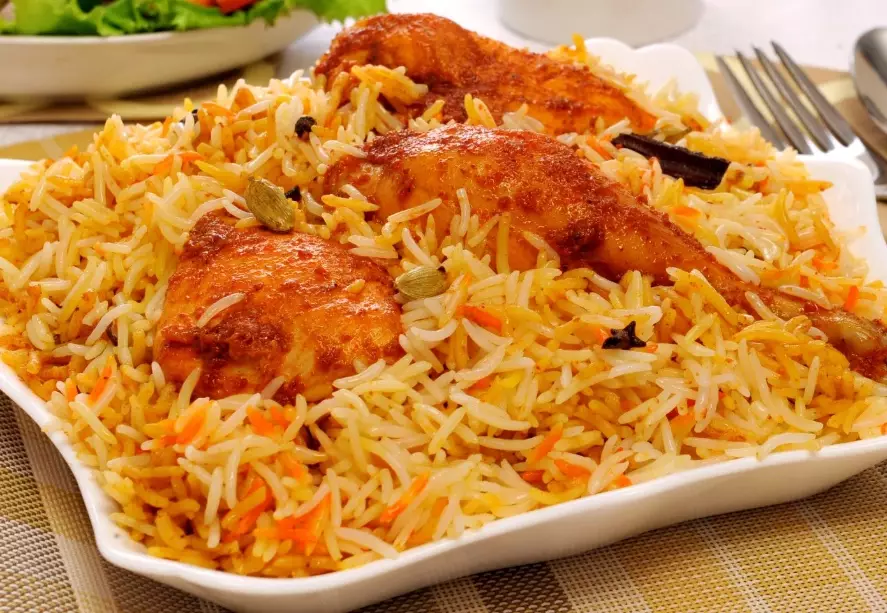
A common mistake is overcooking the rice before layering. If the rice is fully cooked when it goes into the pot for dum, you'll end up with a mushy mess. Trust the process—the rice will finish cooking in the steam.
The Meat (or Veggies): Flavor Central
Chicken (with bone-in, always!), goat, lamb, beef, shrimp, or even just vegetables. The protein is marinated, usually in yogurt and a ton of spices. This isn't a 15-minute marinade. For the best biryani food recipes, you need patience. Overnight is ideal, but a minimum of 2-3 hours is non-negotiable. The yogurt tenderizes, and the spices penetrate deep. Sometimes the meat is also partially cooked ("pakki" style) before layering, which is more forgiving for beginners.
The Magic of Layering (Tahcheen)
This is the soul of the dish. You build your pot like a lasagna. A layer of rice, a layer of meat and its gravy, another layer of rice, maybe some fried onions, herbs, saffron milk. The bottom layer of rice often gets crispy (the "tahdig" in Persian cooking, called "tahka" or "kheema" in biryani), which is a prized part for many.
The "Dum": Sealing in the Goodness
Once layered, the pot is sealed tight with a lid, often with dough or a heavy, wet cloth to trap every bit of steam. It's then cooked on a very low heat. This slow steaming melds all the flavors together. The rice absorbs the aromatic vapors from the meat and spices below. This is where disparate components become one harmonious dish.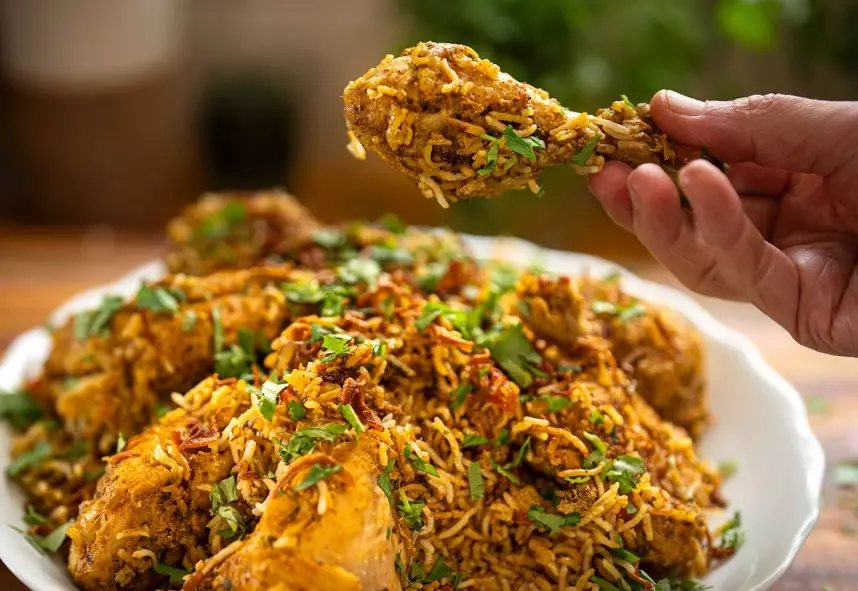
Your Step-by-Step Blueprint: A Foolproof Chicken Biryani Recipe
Let's get practical. Here is a detailed, tested method for a classic chicken biryani. I've made this dozens of times, and it works. Print this, stick it on your fridge.
Before you start: Read the whole recipe once. Gather all your ingredients ("mise en place"). This is a process, not a last-minute dinner idea. Set aside 2.5 to 3 hours from start to finish, though much of it is inactive marinating and cooking time.
Ingredients You'll Need
For the Chicken Marinade:
- 1 kg chicken, bone-in pieces (thighs and drumsticks work best)
- 1.5 cups thick yogurt (not runny)
- 2 tbsp ginger-garlic paste (freshly made if possible)
- 2-3 green chilies, slit
- 1 tsp turmeric powder
- 1 tbsp red chili powder (adjust to taste)
- 2 tbsp biryani masala powder (I recommend making your own or using a trusted brand like Everest or Shan)
- Juice of 1 lemon
- 1/2 cup fresh mint leaves, chopped
- 1/2 cup fresh coriander leaves, chopped
- Salt to taste
For the Rice:
- 3 cups good quality Basmati rice
- 4-5 quarts water for boiling
- 2-3 bay leaves, 4-5 green cardamom pods, 2-inch cinnamon stick, 1 tsp shahi jeera (caraway seeds) or cumin seeds
- Salt (a generous amount for the boiling water)
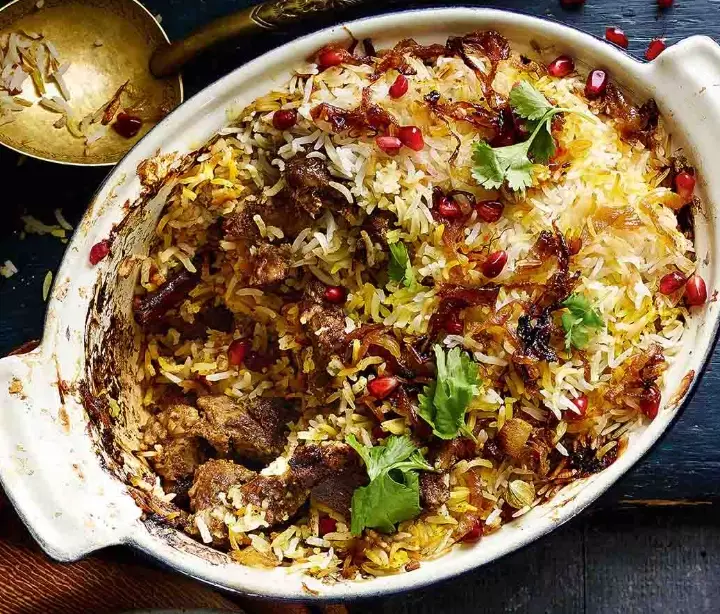
For Layering & Finishing:
- 3 large onions, thinly sliced and fried until golden brown (this is crucial! Don't skip the fried onions)
- A large pinch of saffron strands soaked in 1/4 cup warm milk
- 4 tbsp ghee or neutral oil
- Extra mint and coriander for layering
The Process, Step by Step
Step 1: Marinate the Chicken. Mix all the marinade ingredients in a large bowl. Add the chicken pieces and coat them thoroughly. Cover and refrigerate. Do this first thing, or even the night before. The longer, the better.
Step 2: Prep the Rice. About 45 minutes before you want to layer, wash the Basmati rice under cold water until it runs clear. Soak it in fresh water for 30 minutes. This helps the grains elongate. Then, in a huge pot, bring the 4-5 quarts of water to a rolling boil. Add the whole spices (bay leaves, cardamom, etc.) and a LOT of salt—the water should taste salty like the sea. Drain the soaked rice and add it to the boiling water.
Watch it like a hawk.
Boil for exactly 5-6 minutes. Start testing a grain at 5 minutes. It should be soft on the outside but still have a definite hard core. That's par-boiled. Immediately drain the rice in a large colander. Let it sit there, steam rising. Don't touch it much.
Step 3: Cook the Marinated Chicken. In a large, heavy-bottomed pot (this will be your final biryani pot), heat 2 tbsp ghee/oil. Add the entire bowl of marinated chicken. Spread it out. Cook on medium heat for about 15-20 minutes, stirring occasionally, until the chicken is about 80% cooked through and the marinade has thickened into a gravy. The raw smell of yogurt should be gone. Turn off the heat.
Step 4: The Layering. This is the fun part. In the same pot with the chicken and gravy:
- Spread the chicken and gravy evenly as your first layer.
- Sprinkle half of your fried onions, half of the extra mint/coriander over the chicken.
- Gently spoon half of the par-boiled rice over this to form an even layer.
- Drizzle half of the saffron milk and 1 tbsp of ghee over this rice layer.
- Repeat with the remaining rice, then the remaining fried onions, herbs, saffron milk, and ghee.

Pro-Tip Warning: Do NOT stir the layers after this point! The goal is to keep them distinct until serving. Stirring now will break the rice and muddle everything.
Step 5: The Dum (Slow Steaming). Place the pot on the stove on the lowest possible heat. Cover the lid tightly. For an even better seal, you can place a heavy skillet or tawa (griddle) under the pot and put a weight on the lid, or seal the edges with dough. Let it cook on this "dum" for 25-30 minutes. You'll start to smell the most incredible aromas escaping from the edges.
Step 6: The Finale - Resting and Serving. Turn off the heat. Let the pot sit, covered, for another 15 minutes. This resting period is as important as the cooking. It allows the steam to settle back into the rice, making it perfectly moist and fluffy.
To serve, gently dig your spoon from the top to the bottom to get all the layers in one scoop. Serve with a simple raita (yogurt with cucumber and mint) or a salan (spicy gravy).
Navigating Common Biryani Pitfalls & Your Questions Answered
I've messed up a lot of biryani food recipes to learn these lessons. Here are the big questions and how to avoid the common traps.
Taking Your Biryani Further: Advanced Tips & Exploration
Once you've mastered the basic blueprint, the world is your oyster. Here's where you can start to play and make these biryani food recipes truly your own.
- The Spice Blend: Pre-made biryani masala is fine, but toasting and grinding your own whole spices (coriander, cumin, black pepper, cloves, cardamom, cinnamon, star anise) takes it to another level. The aroma is incomparable. The Serious Eats guide to toasting spices is a great resource.
- The Saffron: Don't just soak it in warm milk. Gently crush the strands between your fingers first to release more flavor and color.
- The Fried Onions (Birista): These are non-negotiable for me. You can buy them pre-fried, but homemade are infinitely better. Slice onions thinly, fry on medium-low heat in oil until deep golden brown and crisp. They take time but add a sweet, savory crunch that defines the dish.
- Experiment with Proteins: Try a goat biryani—it's richer and more traditional in many regions. For a quicker version, shrimp biryani cooks in a flash. For vegetables, paneer (Indian cottage cheese), potatoes, cauliflower, and carrots work wonderfully.
The journey to mastering biryani food recipes is a long and delicious one. Don't get discouraged if your first attempt isn't perfect. Mine certainly wasn't. Each time you make it, you'll learn something new—how your stove behaves on low heat, how your family likes the spice level, the perfect rice-to-meat ratio for your pot.
It's more than just a recipe; it's a project, a labor of love that fills your home with the most incredible smells. And when you finally lift the lid, see those separate, fragrant grains, and serve it to people you care about, all the effort feels worth it. So, pick a recipe, gather your ingredients, and give it a go. You've got this.