Quick Navigation
- What Makes a Tempura Batter Recipe Actually Work?
- The Core, No-Fail Tempura Batter Recipe
- Leveling Up: Variations on the Classic Tempura Batter
- The Oil, The Fry, and The Setup
- Answering Your Tempura Batter Recipe Questions
- Beyond the Batter: The Full Tempura Experience
- The Biggest Myths About Tempura Batter (Debunked)
Let's be honest. We've all been there. You order tempura at a nice Japanese place, and it arrives impossibly light, shatteringly crisp, and almost greaseless. You think, "I can do this." You find a tempura batter recipe online, mix up some flour and water, and end up with something... sad. A soggy, oily, thick coating that bears zero resemblance to the culinary magic you were aiming for. Sound familiar?
It happened to me more times than I care to admit. I'd get frustrated, thinking there was some secret ingredient I was missing. Turns out, the secret isn't in a mysterious powder; it's in the technique and understanding the why behind each step. A great tempura batter recipe is less about a rigid list and more about a philosophy. It's about creating a lacy, delicate web that clings just enough to fry into crispness, letting the ingredient inside shine.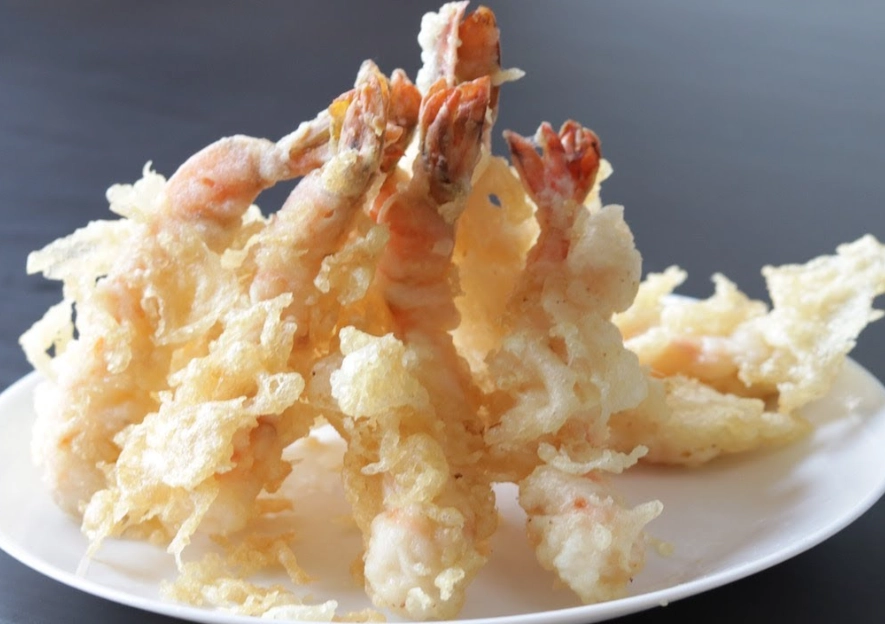
So, if you're tired of disappointing, heavy results, you're in the right place. This isn't just another list of ingredients. We're going deep. We'll talk about the science (in plain English, I promise), the common pitfalls that ruin everything, and the little tweaks that make a world of difference. By the end, you'll have more than a recipe—you'll have the confidence to make authentic, crispy tempura batter at home, anytime.
What Makes a Tempura Batter Recipe Actually Work?
Before we dive into measuring cups, let's understand what we're building. Traditional Japanese tempura batter has a specific goal: maximum crispness with minimum coating. It's not supposed to be a thick, bready layer like some Western batters. The ideal texture is often described as "lacy" or "web-like."
This magic happens because of two key principles: gluten development and temperature control.
The Gluten Game: Why Less Mixing is More
Gluten is the protein network that forms when flour meets water and is agitated. In bread, you want lots of strong gluten for chew. In a tempura batter recipe, gluten is public enemy number one. Too much gluten development makes the batter elastic and cohesive, which leads to a tough, chewy, and dense coating when fried. It acts like a tight net, trapping steam and oil, resulting in sogginess.
That's why every authentic recipe stresses one point above all others: DO NOT OVERMIX. You're not making a smooth pancake batter. You're aiming for a lumpy, streaky, almost unfinished-looking mixture. Those lumps of dry flour will fry up into extra-crispy bits. I know it goes against every baking instinct you have, but trust me here. A few streaks of dry flour are a sign you're on the right track.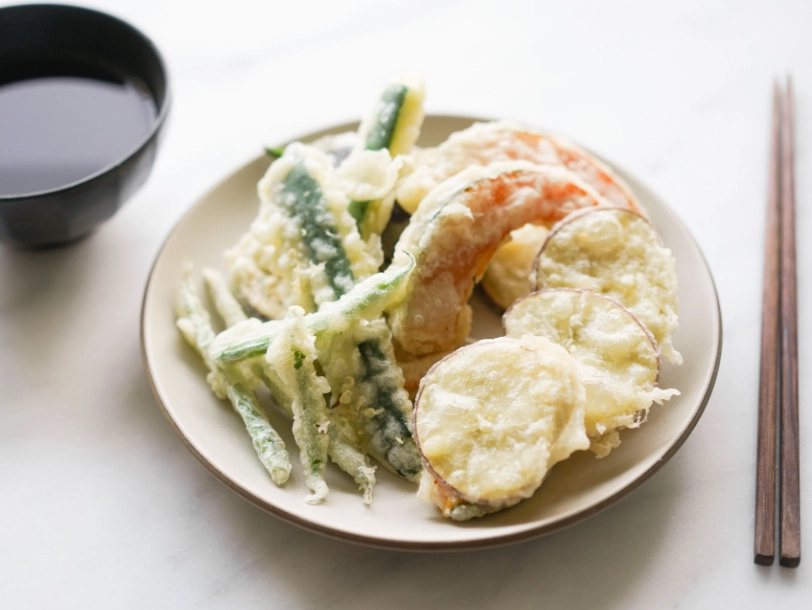
The Temperature Trick: Keeping Everything Ice Cold
This is the second pillar. Why is cold so important? For a few reasons:
- Gluten Control (Again): Cold water slows down gluten formation. Even if you mix a bit too much, starting ice-cold gives you a buffer.
- Viscosity: A colder batter is slightly thicker and clings to ingredients better right before you drop them in the oil.
- Frying Reaction: When the icy-cold batter hits the searing hot oil, the temperature difference causes rapid evaporation of the water in the batter. This creates more bubbles and a more porous, crisper final structure. It also helps prevent the oil from soaking in too deeply.
So, how cold? I'm not talking "cool from the tap." I'm talking properly cold. Some chefs go as far as placing the mixing bowl inside a larger bowl filled with ice water while they combine the ingredients. At the very least, your water should be filled with ice cubes, and your flour should be chilled in the freezer for 30 minutes beforehand. Yes, really.
And your ingredients? Pat them super dry and keep them cool too. A wet shrimp or a room-temperature slice of sweet potato will warm your batter the second it touches it.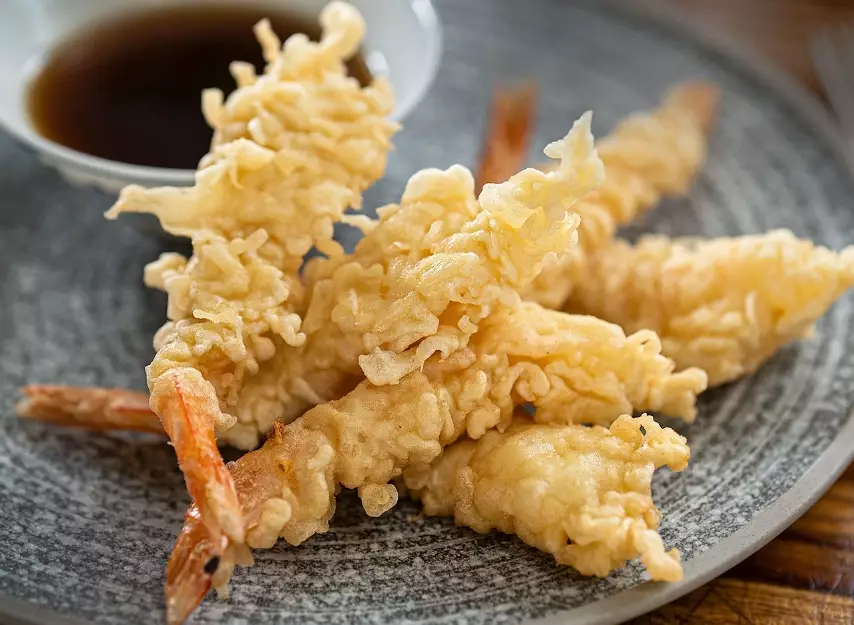
The Core, No-Fail Tempura Batter Recipe
Alright, theory class is over. Here's the foundational recipe. It's deceptively simple. The magic, as you now know, is in the execution. This makes enough batter for about 1 pound of assorted vegetables and seafood.
Ingredients:
- 1 large egg yolk (cold)
- 1 cup ice-cold water (240ml) (I keep a glass of water with ice cubes in it ready to measure)
- 1 cup all-purpose flour (120g) (See, we're even weighing it for precision. But the cup measure is fine if that's your style.)
- Optional: A pinch of salt. (Some add it to the batter, others just season the food and dipping sauce. I'm in the latter camp.)
Equipment: A heavy-bottomed pot or deep fryer, thermometer (crucial!), chopsticks or forks for mixing and turning, a wire rack set over a sheet pan (NOT paper towels).
The Method:
- Prep is Everything: Cut all your vegetables (sweet potato, eggplant, bell pepper, shiitake mushrooms) into even, bite-sized pieces. Pat seafood (shrimp, scallops, white fish) thoroughly dry with paper towels. Set everything on a tray. Place your flour in a wide, shallow bowl. Have your ice water and egg yolk ready. Heat your oil (vegetable, canola, or peanut oil are good) to 340-350°F (170-175°C). Use that thermometer.
- Make the Batter: In a cold mixing bowl, lightly beat the egg yolk. Add the ice-cold water and mix briefly. Scatter the flour over the liquid. Now, with your chopsticks or forks, stir gently—just fold the dry into the wet. Count to 15 strokes. Stop. Look at the batter. It should be lumpy and thin, with plenty of floury streaks. If it looks smooth, you've gone too far. It's okay. Live and learn. But aim for lumpy.
- The Double-Dip (Optional but Effective): For extra lacy results, some chefs do a light dusting of dry flour on the ingredient first. This gives the wet batter something extra to grip onto, creating more texture. It's not strictly traditional, but it works wonders for home cooks.
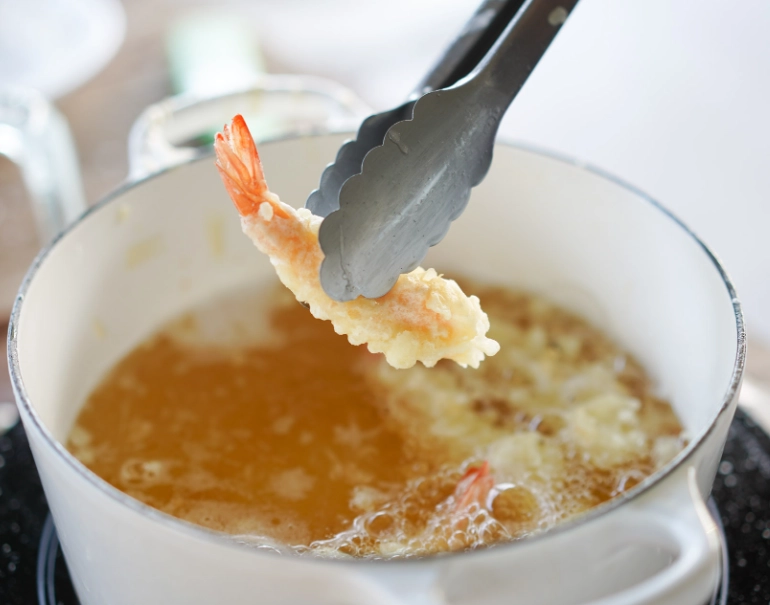
- Fry Immediately: Working in small batches (don't crowd the pot!), dip a piece into the batter, let excess drip off for a second, and gently lower it into the hot oil. The temperature will drop. Adjust the heat to keep it as close to 340°F as possible. Fry until pale golden and crisp, usually 2-3 minutes. The batter should look open and lacy.
- Drain Properly: This is critical. Lift the finished piece out and let it drain briefly over the oil, then place it directly onto a wire rack. Never pile hot tempura on paper towels. The steam gets trapped underneath and creates sogginess. The rack allows air to circulate all around, keeping it crisp. This one change improved my results by 50%.
Leveling Up: Variations on the Classic Tempura Batter
Once you've got the basic tempura batter recipe down, you can start playing. Different ingredients and goals call for slight tweaks. Here’s a quick guide:
| Batter Variation | Best For | How-To & Notes |
|---|---|---|
| The Classic (Egg Yolk) | All-purpose. Vegetables, seafood. Balanced crispness and color. | The recipe above. Reliable and golden. |
| Lighter / Vegan (No Egg) | Aiming for ultimate crispness & whiteness. Also for dietary needs. | Simply omit the egg yolk. Use 1 cup ice water + 1 cup flour. Can be even crispier but may not cling to slippery items as well. |
| Extra-Crispy (Cornstarch Blend) | When you want an audible, glass-like crunch. | Replace 1/4 to 1/2 cup of the all-purpose flour with cornstarch or potato starch. Creates a drier, crisper texture. |
| Beer or Soda Water | Experimentation. Adds flavor and extra bubbles. | Replace the cold water with an equal amount of very cold sparkling water or light beer. The carbonation can lead to a lighter, airier batter. (Personal opinion: the effect is subtle, but fun to try once.) |
The Oil, The Fry, and The Setup
You can have the world's best tempura batter recipe, but if your frying setup is wrong, it's all for nothing.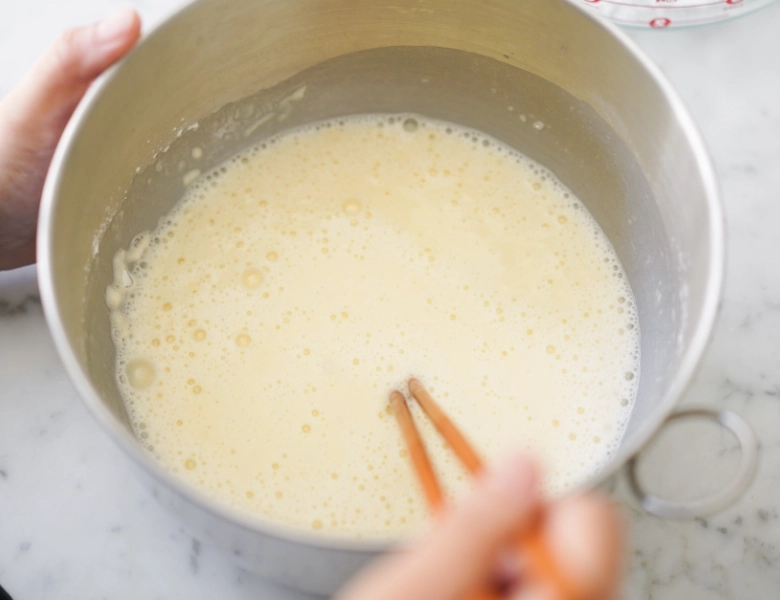
Oil Type & Temperature: Use a neutral oil with a high smoke point. Canola, vegetable, and peanut oil are my go-tos. The temperature is non-negotiable. 340-350°F (170-175°C) is the sweet spot. Too low, and the food absorbs oil like a sponge. Too high, and the batter browns before the inside cooks. A clip-on candy/deep fry thermometer is the best $10 you'll spend for this task.
Pot & Depth: Use a heavy pot (like a Dutch oven) that retains heat well. You need enough oil so the pieces can float freely—at least 2-3 inches deep.
The "Secret" of Two Temperatures: In professional kitchens, they often use a two-stage fry. First at a slightly lower temp (around 320°F/160°C) to cook the interior, then a brief dip in very hot oil (375°F/190°C) to crisp and color the exterior. At home, maintaining one perfect temperature is challenge enough, but it's good to know the pro move.
Answering Your Tempura Batter Recipe Questions
Let's tackle the stuff that keeps people up at night (or at least, keeps them from trying).
Can I use gluten-free flour?
You can, but it behaves differently. A blend meant for all-purpose substitution (like those with rice flour, tapioca starch) often works okay. The lack of gluten is actually a plus for crispness, but the batter may not cling as uniformly. Expect a more delicate, crumbly crisp. It's a great option for dietary needs.
Why did my batter fall off in the oil?
Usually one of three reasons: 1) The ingredient was wet (pat it drier than you think is necessary). 2) The oil wasn't hot enough. 3) You didn't let the excess batter drip off before lowering it in. A quick, confident dip and drop is key.
Can I make the batter ahead of time?
Absolutely not. This is the one hard rule. A tempura batter recipe is designed to be used within minutes of mixing. As it sits, the flour hydrates further, gluten forms, and the leavening (from the cold reaction) dissipates. Mix it right before you fry, every single time.
What's the deal with tempura flour (tempurako)?
You can buy pre-mixed tempura flour in Asian grocery stores. It's usually a low-gluten flour (often a soft wheat or a blend with starch) that's pre-sifted and sometimes contains a leavening agent like baking powder. It's convenient and foolproof for beginners. Just add ice water. For the purist, making your own from scratch is more satisfying, but there's no shame in using tempurako—many home cooks in Japan do. The Japanese Ministry of Foreign Affairs even highlights tempura as a key part of Washoku (traditional Japanese cuisine), acknowledging its cultural significance.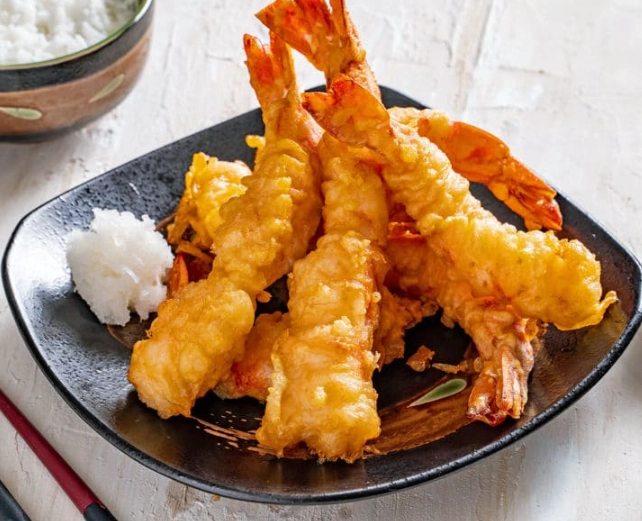
Beyond the Batter: The Full Tempura Experience
A great tempura batter recipe is the star, but the supporting cast matters.
The Dipping Sauce (Tentsuyu): This is simple too. Combine 1 cup dashi (you can use instant), 1/4 cup soy sauce, and 1/4 cup mirin. Simmer for a minute, then cool. Serve with grated daikon radish and fresh ginger on the side. The cool, sharp daikon is the perfect counterpoint to the hot, oily crunch.
What to Fry: Almost anything! Beyond the classics (shrimp, sweet potato, green bean, shiitake), try asparagus, kabocha squash, bell pepper rings, thin slices of onion, even small bunches of herbs like shiso or parsley for a garnish.
Serving: Serve immediately. Tempura waits for no one. Place it on a wire rack over a platter if you must hold it for a few minutes, but really, the cook should be frying the last batch as everyone sits down.
The Biggest Myths About Tempura Batter (Debunked)
- Myth: You need baking powder or baking soda. Truth: Not in traditional tempura. The lift comes from the rapid evaporation of the ice-cold liquid and the minimal gluten. Adding chemical leaveners can give a puffier, but often more cake-like and less crisp, texture. It's a different style.
- Myth: Vodka makes it crispier. Truth: This is a technique from other fried foods (like some fried chicken recipes). Alcohol evaporates faster than water, theoretically leading to less oil absorption. In practice, for a batter as thin as tempura, the effect is minimal compared to mastering temperature and mixing. It's a fun science experiment, but not a necessity.
- Myth: The batter should be thick. Truth: This is the most damaging myth. A tempura batter should be thin, almost runny. It's a coating, not a blanket. If it's coating your ingredient in a smooth, thick layer, you've used too much flour or not enough water. Refer back to the "lumpy and thin" description.
Look, the internet is full of "hacks" and "secret ingredient" tempura batter recipes. Some work, some are gimmicks. The foundation—ice cold, minimal mix, proper fry—never changes. The Science of Cooking website has great general principles on frying and batter chemistry if you want to nerd out further.
So, there you have it. The journey from soggy to sublime. It might take a batch or two to get the feel for that imperfect, perfect mix and the rhythm of frying. But once you do, you'll have unlocked one of the most satisfying techniques in home cooking. A real, honest-to-goodness tempura batter recipe isn't a secret—it's a skill. And now, it's yours.
Go on, chill that bowl. Crack that egg. And embrace the lumps.