Moroccan food isn't just about eating; it's an experience. I remember sitting on a low stool in a Marrakech alleyway, the scent of cumin and slow-cooked lamb weaving through the air from a nearby stall. The first bite of a proper tagine—the meat so tender it fell apart, the sauce deeply spiced but not fiery—was a revelation. It felt complex, yet somehow simple and honest. That's what I want to help you recreate. Forget the intimidating, exotic image. At its heart, Moroccan cooking is about humble ingredients transformed by time, technique, and a handful of key spices.
This guide skips the fluff and gets straight to the practical magic. We'll walk through the pillars of a Moroccan kitchen: the iconic tagine, the staple couscous, the spices that define the flavor profile, and how to avoid the common pitfalls that leave dishes tasting flat. My goal is to give you the confidence to make this cuisine a regular part of your cooking rotation, not just a special project.
What's Inside This Guide
How do you make a traditional Moroccan tagine?
Let's start with the poster child. A tagine refers to both the conical clay pot and the stew cooked inside it. The pot's design circulates steam, basting the ingredients in their own juices. But the real secret is the layering and the slow cook.
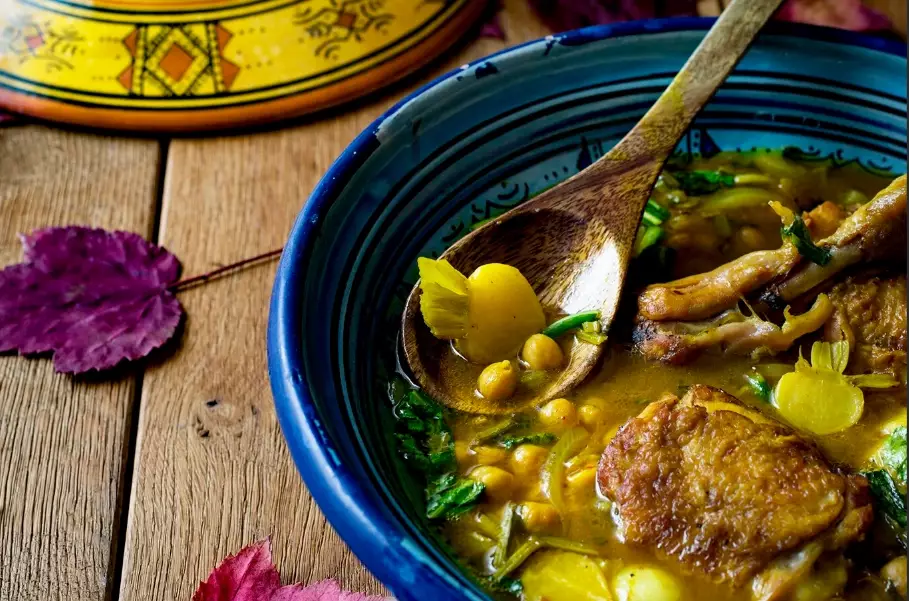
Here’s a foundational Chicken Tagine with Olives and Preserved Lemon recipe. This is the one I make most often.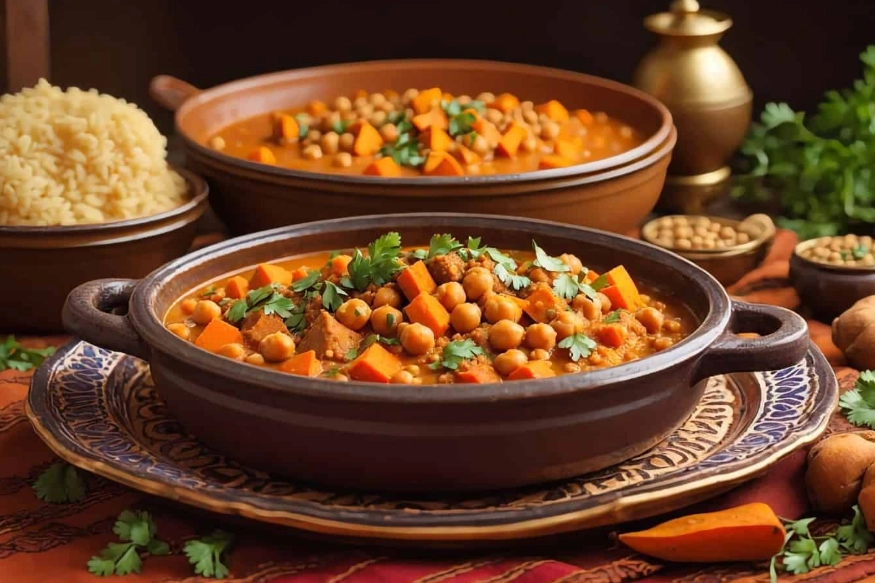
The non-negotiable base: Onions, garlic, ginger, and a big handful of fresh cilantro and parsley, all chopped fine. This mixture, called the marqa, is the flavor foundation. You sauté it in olive oil until soft and fragrant.
The chicken: Use bone-in, skin-on thighs. They stay juicy. Don't just toss them in. Brown them well in the oil first. That caramelization is flavor you can't get later.
Now, the spices. For a pot serving 4-6, add:
- 2 teaspoons ground cumin
- 1.5 teaspoons ground ginger
- 1 teaspoon turmeric
- 1 teaspoon paprika (smoked paprika adds a great twist)
- ½ teaspoon cinnamon
- A good pinch of saffron threads, crumbled into a tablespoon of warm water
Stir those into the onions around the chicken for just a minute until they smell incredible. This toasts them slightly, unlocking their oils. A common error? Adding spices later to the liquid. They just float there, tasting raw.
Add the chicken back in, along with enough water or light broth to come halfway up the pieces. Bring to a very gentle simmer, then cover. If using a traditional tagine, keep the heat very low. In a Dutch oven, a 300°F (150°C) oven works beautifully for about 1.5 hours.
The finish: In the last 15 minutes, add a handful of green olives (rinsed to reduce brine) and wedges of preserved lemon. The lemon's salty, fermented peel is the magic. Just the peel, discard the pulp. Stir in a final handful of chopped herbs before serving.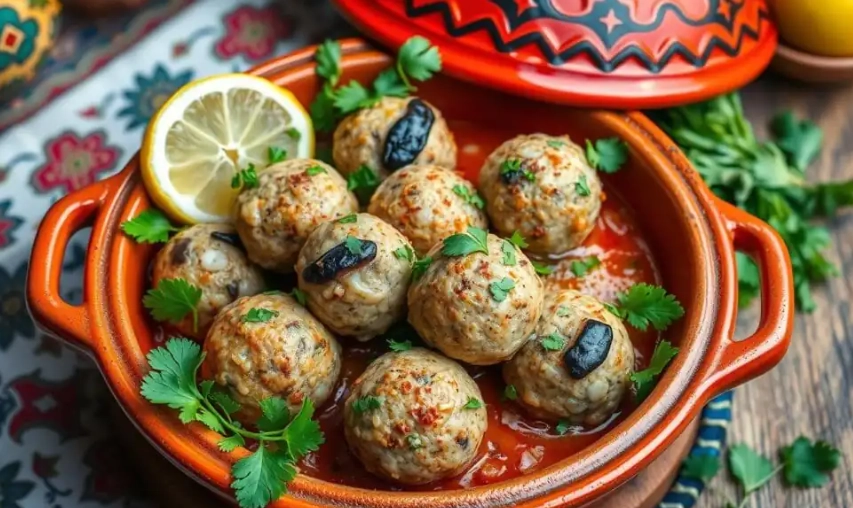
Couscous Done Right: It's Not Just Boiled Grain
Most of us have made instant couscous. Fluffy, neutral, a bit boring. Traditional Moroccan couscous is a different beast. It's a process of steaming, raking, and steaming again to achieve light, separate grains. It's a labor of love, often for Friday family meals.
For everyday, I've found a great middle ground using widely available medium-grain couscous (not the instant kind).
The key is steaming over broth. Place the dry couscous in a wide bowl. Drizzle with 1.5 cups of cold water per cup of couscous and a glug of olive oil. Work it with your fingers to coat every grain. Let it swell for 10 minutes. Then, rake it with a fork to break up lumps.
Transfer it to a steamer basket lined with cheesecloth, set over a pot of simmering water or, even better, the simmering broth from your tagine. Steam for 20-25 minutes. Dump it back into the bowl, sprinkle with a little salt and more cold water, and rake again with a fork. You'll see the grains plump and separate. This method gives you 80% of the traditional texture with 30% of the effort.
Serve it piled high, with the tagine broth spooned over the top. It's meant to soak up the sauces.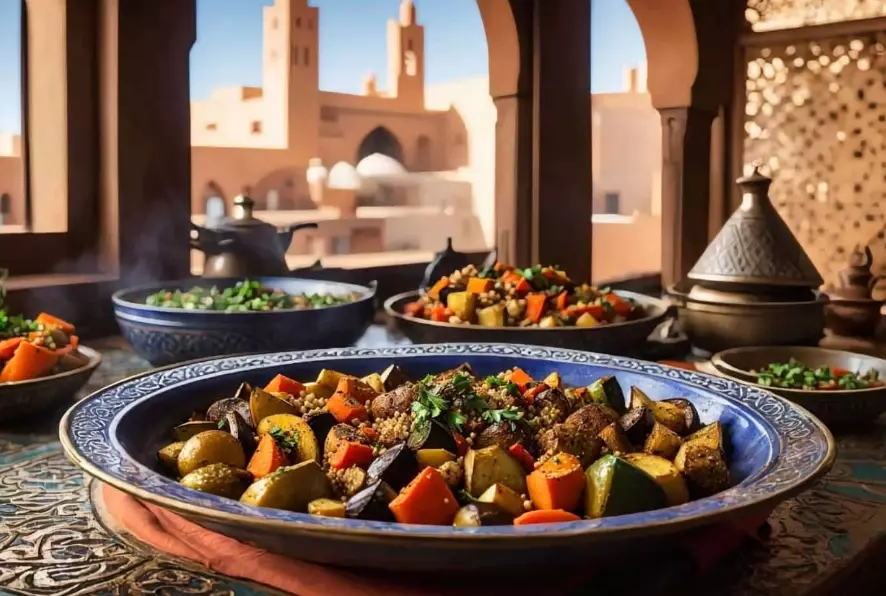
What are the essential spices for Moroccan cooking?
You don't need a cabinet full of obscure bottles. Five core spices do the heavy lifting. Invest in good quality—freshness matters more than a fancy brand.
| Spice | Flavor Profile | Where You'll Use It |
|---|---|---|
| Cumin | Earthy, warm, slightly nutty. The backbone. | In virtually every savory dish: tagines, soups (harira), grilled meats, even some salads. |
| Ginger (ground) | Warm, sharp, and peppery. Adds brightness. | Paired with cumin in most spice mixes. Essential in tagines and pastries. |
| Paprika (sweet or smoked) | Sweet, earthy, adds depth and color. | The base for charmoula marinade, in stews, and on grilled fish. |
| Turmeric | Earthy, slightly bitter, gives that golden hue. | Used for color and its subtle flavor in tagines, rice, and vegetable dishes. |
| Cinnamon | Sweet, woody warmth. The signature note. | In savory tagines (especially with lamb or poultry), in pastries, and in spice mixes. |
Ras el Hanout and Saffron are the luxury players. Ras el hanout ("top of the shop") is a merchant's blend of sometimes 20+ spices. It's incredible, but a well-stocked supermarket blend works fine to start. Saffron is pricey but a few threads add an irreplaceable hay-like aroma and color. Buy threads, not powder.
The Mistakes Most Beginners Make (And How to Fix Them)
I've taught a lot of friends to cook this food. They often hit the same walls.
Mistake 1: Skipping the herb-and-onion base (the marqa). Blitzing onions, garlic, ginger, and herbs into a paste and cooking it down is non-negotiable. It creates a deep, savory-sweet foundation that powdered spices alone can't achieve.
Mistake 2: Overcomplicating the spice blend. Stressing over not having "authentic" ras el hanout. The truth? Many home cooks just use cumin, ginger, paprika, and a bit of turmeric and cinnamon. Master that simple quartet first.
Mistake 3: Rushing the cook. A tagine is not a quick stir-fry. The magic happens in the gentle, long simmer that melds flavors and tenderizes meat. If your stew tastes thin or the spices are harsh, it probably didn't cook long enough.
Moroccan Flavors on a Weeknight: Two 30-Minute Ideas
Not every dish is a slow-cooked feast. Here's how to get the vibe on a Tuesday.
1. Speedy Chickpea and Spinach Sauté
Sauté onion and garlic. Add a heaped teaspoon each of cumin and paprika, and half a teaspoon of ginger. Stir for 30 seconds. Add a can of drained chickpeas and a couple of chopped tomatoes. Cook for 10 minutes until saucy. Stir in a few big handfuls of spinach until wilted. Finish with a squeeze of lemon and yogurt. Serve with flatbread.
2. Express Chicken Skewers
Make a quick charmoula: blend a cup of cilantro, 2 garlic cloves, a teaspoon each of cumin and paprika, juice of a lemon, and enough olive oil to make a paste. Cube chicken breast, coat in half the paste, and thread onto skewers. Grill or broil for 10-12 minutes. Use the rest of the paste as a sauce.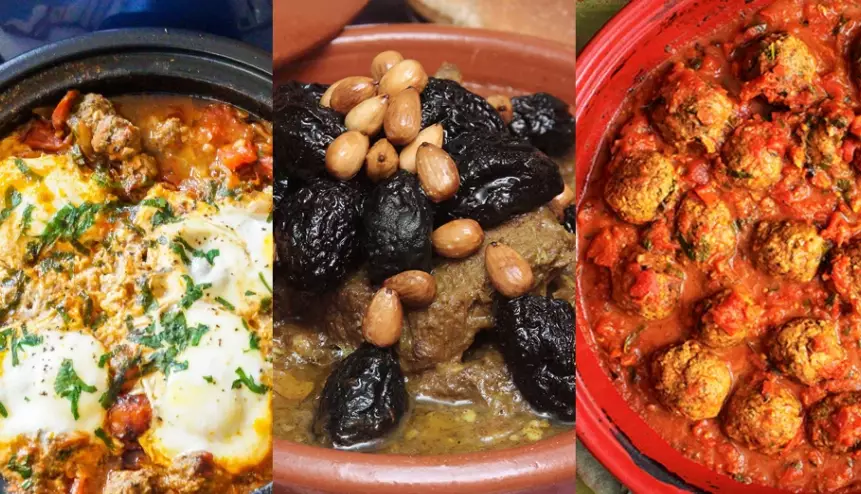
Your Questions, Answered
 The journey into Moroccan cooking starts with one pot. Don't aim for perfection on the first try. Get the spices sizzling with the onions, let something simmer low and slow, and serve it with a pile of fluffy couscous or good bread. That's where the real magic is—not in complexity, but in the transformation of simple things. It's food meant to be shared, so cook a bit extra. You'll want leftovers.