Quick Guide to Bun Bo Hue
- What Exactly Are We Making Here? Understanding Bun Bo Hue
- The Non-Negotiable Ingredients for Your Bun Bo Hue Recipe
- The Step-by-Step Process: Building the Broth, Layer by Layer
- Assembly and Serving: It's More Than Just Pouring Broth
- Navigating Common Hurdles & Answering Your Questions
- Taking Your Bun Bo Hue to the Next Level
Let's be real. You've probably had pho a dozen times. It's everywhere now. But bun bo hue? That's a different beast entirely. It's the bold, spicy, aromatic cousin that doesn't get enough spotlight outside of Vietnam. I remember the first time I tried it in a little Saigon alleyway. The smell alone hit me from three stalls away – lemongrass, shrimp paste, and this deep, meaty richness. I was hooked. And then frustrated, because back home, finding a decent version was like searching for a needle in a haystack. So, I did what any obsessed food lover would do: I spent years bothering friends' Vietnamese grandmothers, trial-and-erroring my way through countless pots, and figuring out how to make a legit Bun Bo Hue recipe work outside of Vietnam.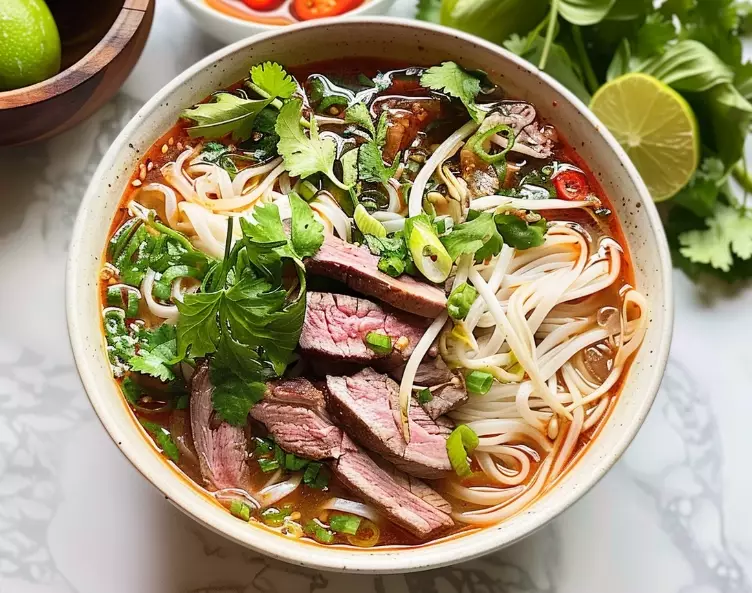
This isn't just another recipe you skim through. If you're looking for a quick, 30-minute weeknight dump-and-stir, this might not be it. Authentic bun bo hue asks for a bit of your time and attention. But what you get in return is nothing short of magical – a complex, multi-layered broth that's spicy, savory, citrusy, and deeply satisfying. It's a project, but the kind of project that fills your house with incredible smells and ends with you slurping noodles happily, wondering why you don't do this every weekend.
What Exactly Are We Making Here? Understanding Bun Bo Hue
Before we dive into pots and pans, let's clear something up. Bun bo hue translates to "noodles (bun) beef (bo) from Hue (hue)." Hue is the old imperial capital in central Vietnam, and the food from that region is known for its sophistication and spice. While pho from the north is subtle and clean, bun bo hue is a flavor explosion.
The signature is the broth. It's usually made with both beef bones and pork bones (often pork hocks or trotters), which gives it a richer, slightly gelatinous body compared to pho's pure beef broth. The red hue comes from annatto seed oil or chili oil, not from tomatoes like some westernized versions might suggest. And then there's the seasoning trio: fermented shrimp paste (mam ruoc), lemongrass, and a specific type of chili sate that builds layers of heat.
The toppings are just as important. You'll typically find slices of beef shank, pork knuckle or ham (cha lua), and sometimes cubes of congealed pork blood (not for everyone, and totally optional). It's served with round, fat rice noodles (bun), not the flat ones used in pho. And the herb plate? It's a party – mint, cilantro, perilla, shredded banana blossom, bean sprouts, and lime wedges.
Why go through all this trouble? Because the store-bought broth packets just don't cut it. They're all salt and MSG, missing the soulful depth you get from a long, slow simmer. Making it from scratch is the only way to truly experience what this dish is about.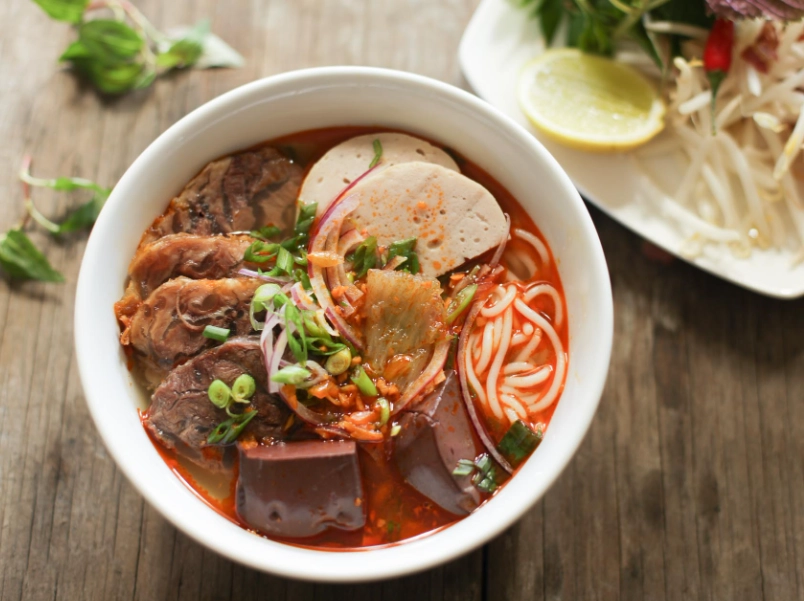
The Non-Negotiable Ingredients for Your Bun Bo Hue Recipe
This is the part where you might need to plan a trip to an Asian grocery store, specifically a Vietnamese one if you can find it. Don't let the list intimidate you. Think of it as a treasure hunt. I've broken it down into what's absolutely essential and what you can fudge a little if you're in a pinch.
The Broth Foundation: Bones & Meat
You need bones for flavor and gelatin. I like a 2:1 ratio of beef to pork. For a large pot serving 6-8 people:
- Beef Bones: 2-3 pounds of beef marrow bones or knuckle bones. Get them cut into pieces if you can.
- Pork Bones: 1-2 pounds of pork neck bones or pork hocks (trotti). Pork hocks add amazing gelatin.
- Beef Shank (Bo Vai/Bắp Bò): 1.5 to 2 pounds. This is your main meat topping. It's lean, has a great texture, and slices beautifully.
Some recipes call for oxtail or beef chuck. They're great for flavor, but they can be fatty. Shank is the classic choice. If your pork hock has skin on, that's perfect – it adds to the body of the broth.
The Aromatic Powerhouse
This is where the magic happens in your bun bo hue.
- Lemongrass: 5-6 sturdy stalks. You'll bruise them and throw them in whole.
- Yellow Onion & Garlic: One large onion and a whole head of garlic, both charred until blackened in spots. This adds a deep, smoky sweetness.
- Shallots: 3-4, also charred.
- Ginger: A 3-inch piece, sliced and charred.
- Rock Sugar (or Yellow Rock Sugar): A small piece, about the size of a walnut. This is crucial for balancing the salty and spicy notes. White sugar can work in a pinch.
- Fish Sauce (Nuoc Mam): A good quality one, like Three Crabs or Red Boat. You'll use this for seasoning at the end.
The Flavor Depth & Color Agents
These are the secret weapons.
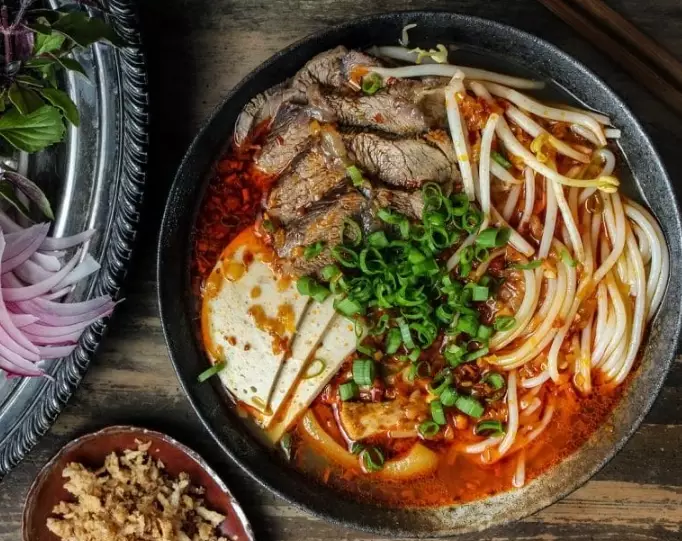
- Fermented Shrimp Paste (Mam Ruoc/Mắm Ruốc): This is the make-or-break ingredient. It smells... intense. Pungent. But when cooked into the broth, it transforms into an indescribable umami depth. Get the jarred, ground kind. You only need a few tablespoons.
- Annatto Seeds (Hạt Điều) or Annatto Oil: For that signature red-orange color. You can buy pre-made annatto oil, or make it by frying seeds in oil and then straining them out.
- Chili Sate (Sate/Sa Tế): Vietnamese chili oil with lemongrass. You can buy it, but making a quick version by blending dried chilies, garlic, and lemongrass fried in oil is far superior.
Here’s a quick table to summarize the core flavor builders and their role:
| Ingredient | Primary Role | What Happens If You Skip It? |
|---|---|---|
| Fermented Shrimp Paste (Mam Ruoc) | Provides deep, funky, complex umami; the soul of the broth. | The broth will taste flat, one-dimensional, and "just beefy." It won't be authentic. |
| Lemongrass | Bright, citrusy, aromatic backbone; cuts through the richness. | The broth loses its characteristic fresh, clean lift and becomes heavy. |
| Annatto Oil | Gives the iconic red-orange color and a subtle, earthy note. | Your soup will look pale, like a standard beef broth. The visual appeal is part of the experience. |
| Rock Sugar | Balances saltiness and spice; rounds out sharp edges without making it sweet. | The broth may taste harsh, salty, or overly aggressive instead of harmonious. |
Noodles, Toppings & Herbs
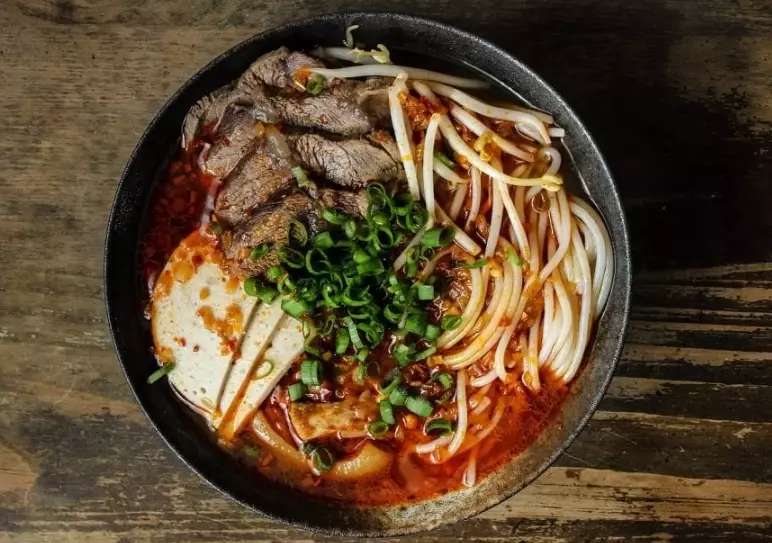
- Rice Vermicelli (Bun): The thick, round kind. Dried or fresh. Fresh is always better if you can find it.
- Pork Loaf (Cha Lua/Giò Lụa): Vietnamese steamed pork sausage. Sliced.
- Herbs & Veg: Mint, cilantro, perilla (tia to), bean sprouts, shredded banana blossom (if available), lime wedges.
- Extra Garnish: Sliced onions, green onions, fried shallots.
The Step-by-Step Process: Building the Broth, Layer by Layer
Okay, ingredients are assembled. Let's cook. Plan for about 4-5 hours, mostly unattended simmering time. Put on some music, pour yourself a drink. This is therapeutic.
Step 1: The Pre-Boil & Scum Removal (Don't Skip This!)
This is the single most important step for a clear, clean-tasting broth. Put all your beef and pork bones in a huge stockpot. Cover with cold water by about 2 inches. Bring to a rolling boil. Let it boil vigorously for 5-8 minutes. You'll see a ton of greyish-brown foam and scum rise to the top. This is coagulated protein and impurities. It tastes bad and makes the broth cloudy.
Dump everything into the sink, rinse the bones under cold water, scrubbing off any clinging scum. Rinse the pot clean too. This might feel wasteful, but trust me, it's not. You're trading murky water for a pristine foundation. Return the clean bones to the clean pot.
Step 2: Charring the Aromatics
While the bones are blanching, char your onion, garlic, shallots, and ginger. You can do this directly over a gas burner (with tongs), under the broiler, or in a dry skillet. You want them blackened in spots, soft, and smoky-smelling. This caramelizes their sugars and adds a foundational roasted flavor to the bun bo hue recipe broth. No raw onion flavors here.
Peel the charred skins off the onion and garlic (don't worry about getting every black bit off – that's flavor). Leave the garlic cloves whole.
Step 3: The Long Simmer
Cover the cleaned bones with fresh, cold water again, about 4-5 quarts. Bring to a gentle simmer, not a rolling boil. A boil will emulsify fat and particles, making the broth cloudy again. You want lazy bubbles. Skim off any new foam that rises in the first 30 minutes.
Add the charred aromatics, the bruised lemongrass stalks, and the rock sugar. Let this simmer gently, uncovered, for about 3 hours. The house will start smelling amazing.
After 3 hours, add the whole beef shank. Let it simmer until tender, about 1 to 1.5 hours more. You should be able to pierce it easily with a fork but it shouldn't be falling apart. Take the shank out, let it cool, then wrap it and refrigerate. You'll slice it cold later – it's much easier.
Let the broth continue to simmer for another 30 minutes to an hour. You're looking at a total simmer time of 4.5 to 5 hours. The broth should have reduced by about a quarter and taste deeply meaty.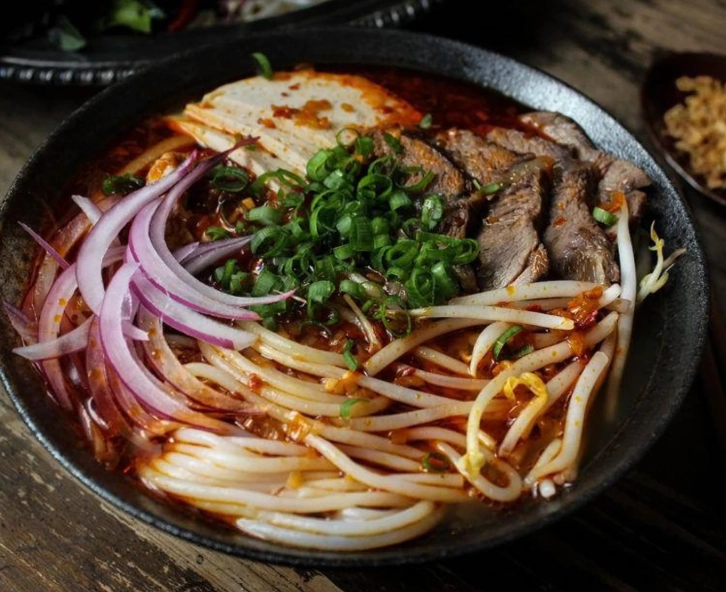
Step 4: The Flavor Bomb & Seasoning
Now, the final act. Strain the entire broth through a fine-mesh sieve or cheesecloth into another large pot. Discard the bones and spent aromatics. You should have a clear, golden-brown broth.
Time to build the final flavor profile. In a small pan, heat your annatto oil (or make it by frying 2 tbsp annatto seeds in 1/4 cup oil for 2 minutes, then strain). Add 3-4 tablespoons of the fermented shrimp paste. Fry it for a minute – yes, it will smell strong. Then add 3-4 heaping tablespoons of your chili sate. Fry for another 30 seconds until fragrant.
Scrape this red, pungent, glorious paste into your strained broth. This is the moment. Stir it in. The broth will turn that famous hue. Bring it back to a simmer.
Season with fish sauce. Start with 3-4 tablespoons, taste, and add more. You're looking for a balance – salty from the fish sauce, deep umami from the shrimp paste, a hint of sweetness from the rock sugar, and the heat from the sate. It should be bold but not assaulting. Let it simmer for another 15-20 minutes to let all the flavors marry.
Taste. Adjust. This is your bowl. Make it yours.
Assembly and Serving: It's More Than Just Pouring Broth
You've done the hard part. Now for the fun. Cook your thick rice noodles according to package directions. Rinse under cold water to stop cooking and prevent sticking.
Thinly slice the chilled beef shank and the pork loaf. Prepare your herb platter – wash, dry, pick. Have your lime wedges, bean sprouts, sliced onions, and fried shallots ready.
In each large bowl, place a nest of noodles. Arrange a few slices of beef shank and pork loaf on top. Ladle the piping hot broth over everything. The hot broth will gently warm the sliced meat.
Now, the interactive part. Let everyone customize their bowl. A big handful of herbs and sprouts, a squeeze of lime, a sprinkle of onions and shallots. Some people like extra chili sate on the side for more heat. The herbs aren't just garnish; they add crucial fresh, cooling counterpoints to the rich, spicy soup.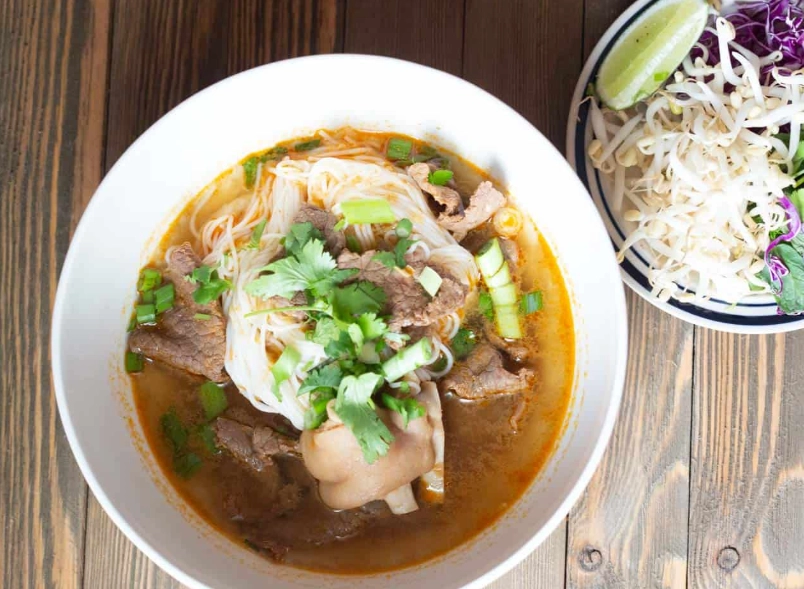
Navigating Common Hurdles & Answering Your Questions
Taking Your Bun Bo Hue to the Next Level
Once you've mastered the basic recipe for bun bo hue, you can start playing.
- Make your own Cha Lua (Vietnamese Pork Loaf): It's a project in itself, involving wrapping pork paste in banana leaves and steaming, but the flavor and texture are miles ahead of the store-bought version. Resources from sites like Hungry Huy offer great guides on traditional Vietnamese charcuterie.
- Experiment with other meats: Some versions include pork blood cubes (huyết), thinly sliced pork belly, or even crab balls. If you're adventurous, try them.
- Perfect your chili oil: Making your own sate allows you to control the type of chili (like arbol for heat, guajillo for flavor), the amount of lemongrass, and the garlic level.
The journey to a great bowl is part of the joy. You'll tweak the fish sauce level, the amount of shrimp paste, the simmering time. Your fifth pot will be different from your first, and probably better. That's how cooking works.
So, is it worth it? All that time, the special ingredients, the careful steps?
Absolutely.
When you finally sit down with that bowl you built from scratch – the vibrant red broth, the tender meat, the tangle of noodles, the mountain of fresh herbs – and take that first slurp, you'll know. You'll taste the layers. You'll feel the warmth. And you'll understand why this dish from Hue has captivated so many people. It's not just food; it's an experience you created. Now go get those bones and start simmering.