Quick Navigation
- What Is Bouillabaisse, Really? (It's Not Just Stew)
- Gearing Up: The Tools You Actually Need
- The Heart of the Matter: Sourcing Your Fish
- The Supporting Cast: Vegetables, Herbs, and The Saffron Question
- The Step-by-Step: Building Flavor, Layer by Layer
- The Rouille: More Than Just Garlic Mayo
- Navigating Common Bouillabaisse Dilemmas
- Final Thoughts: Embrace the Mess
I remember the first time I tried to make a bouillabaisse recipe. It was a disaster. The fish fell apart into mush, the broth tasted like vaguely fishy water, and the whole thing just felt... sad. I'd followed some generic "easy" recipe online, and it showed. The problem was, I didn't understand what I was actually trying to make. I was just throwing seafood into a pot and hoping for the best. Bouillabaisse isn't just any fish stew. It's a ritual from Marseille, a dish with rules and a soul. It's supposed to be robust, aromatic, and layered with flavors from the sea and the Provençal hills. After that first failure, I got obsessed. I read old French cookbooks, pestered a friend from the South of France for her grandmother's tips, and made more mediocre pots of soup than I care to admit. But I figured it out. And now, I want to save you from my early mistakes.
This guide isn't about a "quick weeknight" version. If you want that, there are a million blogs that will tell you to use salmon and clam juice. This is about getting as close as you can to the real deal in a home kitchen, without a Marseille fisherman's daily catch. We'll break down the why behind every step. Why those specific fish? Why the separate cooking of the broth and the fish? Why is the rouille non-negotiable? By the end, you'll not only have a fantastic bouillabaisse recipe, you'll understand it. And honestly, that's half the battle.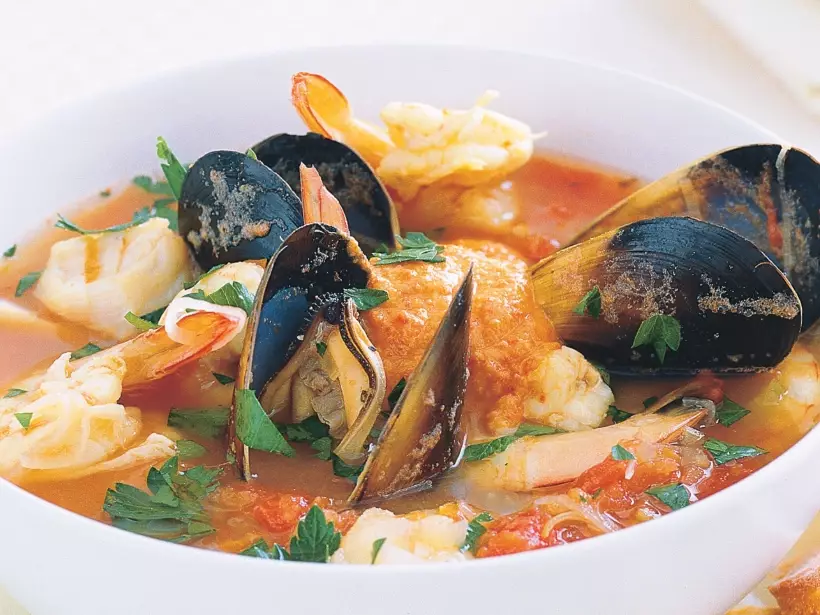
What Is Bouillabaisse, Really? (It's Not Just Stew)
Before we touch a knife, let's clear something up. Calling bouillabaisse a "fish stew" is like calling a Ferrari "a car." Technically true, but it misses the point entirely. Traditionally, it was a fisherman's meal, made from the bony, rock-dwelling fish that couldn't be sold at the market. They'd boil it up ("bouillir" means to boil) with what they had on hand: tomatoes, onions, garlic, fennel, and saffron. The key was the variety of fish—at least four or five different kinds—which created a complex, gelatin-rich broth you'd never get from one type of fish.
The Charte de la Bouillabaisse Marseillaise (The Marseille Bouillabaisse Charter) is a real thing. A group of local restaurateurs actually created it in 1980 to protect the dish's identity. While you don't need to follow it like a law at home, it tells you what the locals consider essential. For instance, it insists on local Mediterranean fish like rascasse (scorpionfish), which is considered the absolute cornerstone of flavor. You can read more about its cultural significance on the Marseille Tourism official website.
So, the soul of an authentic bouillabaisse recipe lies in three pillars: a multi-fish base, a saffron-and-fennel-scented tomato broth, and the ceremonial serving with rouille-topped croutons. Skip any one, and you're making something else. A tasty something else, perhaps, but not bouillabaisse.
Gearing Up: The Tools You Actually Need
You don't need fancy equipment. A home cook's kitchen is perfect. But having the right few things makes the process smoother.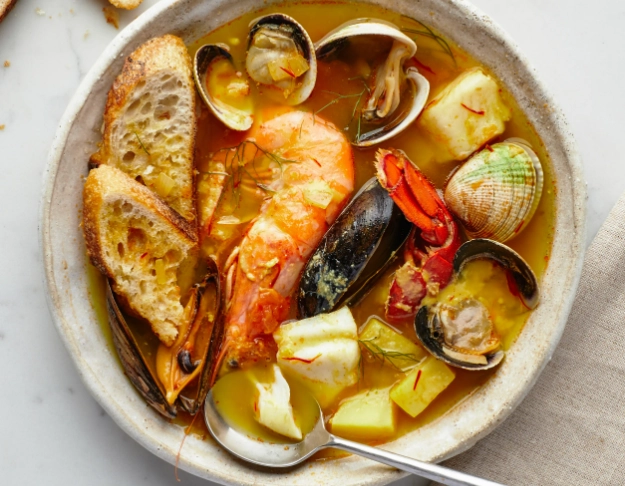
My biggest early mistake? Using a flimsy pot. When you're simmering fish bones for an hour, you want even, gentle heat. A thin-bottomed pot will give you hot spots where things stick and burn, ruining your broth with a bitter, scorched flavor. Trust me, I've been there.
- A Large, Heavy-Bottomed Pot or Dutch Oven: This is your main stage. Something with a thick base that distributes heat evenly is crucial for the broth. A 6 to 8-quart capacity is ideal.
- A Fish Spatula: This thin, flexible spatula is a game-changer for gently lifting and turning the fish fillets without them breaking apart. It's a small investment that pays off every time you cook fish.
- A Fine-Mesh Strainer or Cheesecloth: For straining your broth to silky perfection. You want to remove all the tiny bones, herbs, and vegetable bits.
- A Mortar and Pestle or Small Food Processor: For making the authentic rouille. The mortar and pestle give you a better texture, but a processor works in a pinch.
That's really it. No special gadgets. The magic is in the ingredients and the process.
The Heart of the Matter: Sourcing Your Fish
This is the part that intimidates people the most. You walk up to the fish counter, see twenty different things, and freeze. Let's simplify. The goal is to get a mix of firm-fleshed fish for the chunks and flaky, flavorful fish (often for the broth base). You're also looking for variety—some white fish, some oily fish. Don't stress about finding exact Mediterranean species unless you're near a fantastic international market.
Avoid delicate, thin fillets like sole or flounder. They'll dissolve into nothing. Also, avoid very strong-flavored oily fish like mackerel or bluefish as your main component—they can overwhelm the broth. A small piece for depth is okay, but don't make it the star.
Here’s a practical guide to building your seafood selection. Aim for 3-4 pounds total for 6 people.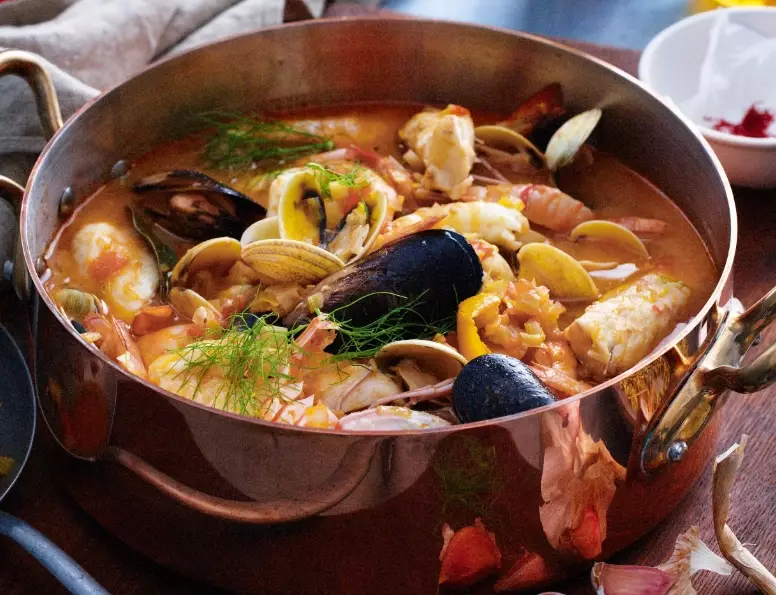
| Fish Type | Best Choices (Firm, for chunks) | Good Choices (Flaky, for broth/flavor) | What to Avoid |
|---|---|---|---|
| White Fish | Halibut, Monkfish, Sea Bass, Snapper | Haddock, Cod, Hake | Tilapia (too bland), Sole (too delicate) |
| Oily/Fatty Fish | -- | Salmon (a small piece!), Mackerel (tiny bit) | Swordfish (too steak-like) |
| Shellfish & Others | -- | Mussels, Clams, Langoustines (if you're splurging) | Shrimp (cook separately, add at end) |
Talk to your fishmonger! Tell them you're making a stew and need some firm fish and maybe some bones or heads for stock. They are your best resource. I often ask for a piece of salmon collar or a fish head to roast and throw in the broth—it adds incredible depth and body. For an authoritative take on sustainable seafood choices that can apply to your selection, the Monterey Bay Aquarium Seafood Watch is an invaluable resource.
What About Frozen Fish?
I can see you wondering. Honestly? For the firmer fish you're going to chunk, high-quality frozen can work if thawed slowly in the fridge. But for the broth, you really want fresh bones or heads if you can get them. The flavor difference is noticeable. Frozen mussels and clams are perfectly fine, just make sure to scrub them well.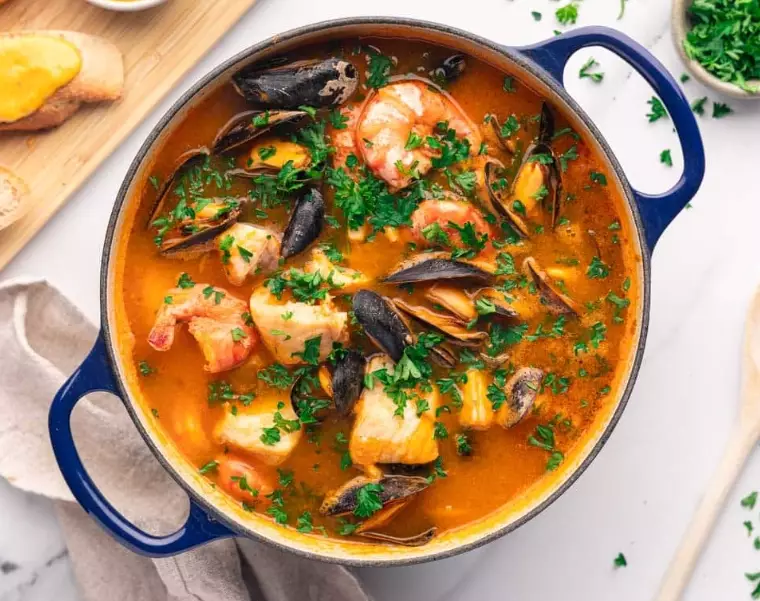
The Supporting Cast: Vegetables, Herbs, and The Saffron Question
The vegetable base is called a sofrito or miropoix. It's not glamorous, but it's the flavor foundation.
- Onions, Leeks, Fennel: The holy trinity. Use the white and light green parts of the leeks, washed thoroughly of grit. The fennel is non-negotiable—that anise note is signature.
- Tomatoes: Canned San Marzano tomatoes are my go-to. They're consistently flavorful year-round. Fresh ripe tomatoes in summer are great too.
- Garlic: Lots. You'll use it in the broth and the rouille.
- Herbs: A bouquet garni (thyme, parsley, bay leaf tied together) is classic. Some orange zest in there is a fantastic, traditional touch.
- Saffron: Ah, saffron. Yes, it's expensive. Yes, you need it. It gives the broth its distinctive golden hue and that deep, earthy, almost hay-like aroma. Don't buy the dirt-cheap stuff; it's often fake or flavorless. Get a small amount of good Spanish or Iranian saffron threads. Toasting them lightly in a dry pan for 20 seconds before crushing wakes up the flavor.
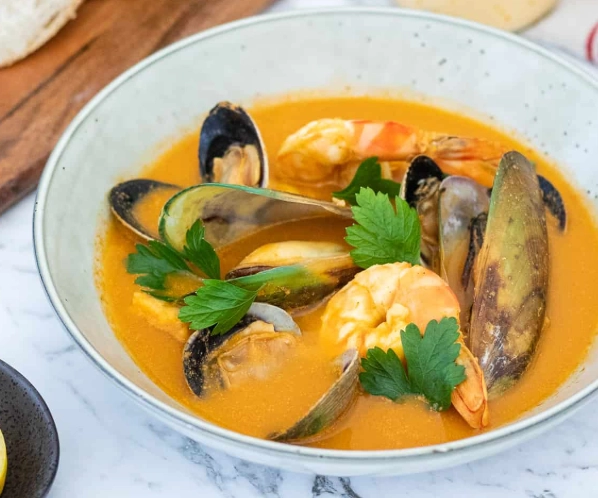
The Step-by-Step: Building Flavor, Layer by Layer
Okay, let's cook. This traditional bouillabaisse recipe process has two main acts: the broth and the fish. Don't rush Act I.
Act I: Crafting the Soulful Broth
- Prep Your Fish: If you got fish heads or bones, chop them into chunks. Pat all your fish fillets dry and cut the firm ones into large, 2-inch chunks. Season lightly.
- Sear for Depth (Optional but Recommended): In your heavy pot, heat a glug of good olive oil. Sear the fish heads/bones and any firmer chunks (like monkfish) until golden. This isn't to cook them through, just to develop a fond (those brown bits) on the bottom of the pot. Remove and set aside.
- Sweat the Veggies: In the same pot, add more oil if needed. Toss in your chopped onions, leeks, and fennel with a pinch of salt. Cook them low and slow until they're soft and sweet, about 15 minutes. Don't let them brown.
- Deglaze and Simmer: Add the garlic and your toasted, crushed saffron threads. Stir for a minute until fragrant. Pour in a good glug of dry white wine (a Provençal white like Cassis is perfect, but a Sauvignon Blanc works) and scrape up all those delicious brown bits. Let it reduce by half. Add the canned tomatoes (crush them with your hands), the bouquet garni, and about 6-8 cups of water or light fish stock. Bring to a boil, then reduce to the gentlest possible simmer. Let it whisper for 45 minutes to an hour. The flavors need time to marry.
- The Strain: This is crucial. Pour the entire broth through your fine-mesh strainer into a large bowl. Press on the solids to get all the liquid, but don't force the pulp through or it will cloud the broth. You should have a beautiful, golden, aromatic liquid. Discard the solids. Taste it. It should taste intensely of the sea, fennel, and saffron. Season well with salt and pepper. This broth alone is a masterpiece.
"The separation of the broth and the fish is the secret. You create a perfect, refined broth first. Then, you poach the fish gently in that broth just before serving. This keeps the fish tender and distinct, not boiled into shreds." – Advice from a Marseille-born home cook.
Act II: The Grand Finale – Cooking the Fish and Serving
- Reheat and Poach: Return the strained broth to your clean pot and bring it to a lively simmer, not a rolling boil. Now, add your fish chunks, starting with the firmest (like monkfish, halibut). Let them cook for 3-4 minutes.
- Add the Delicates: Then add the softer fish (like cod, haddock) and your shellfish (mussels, clams). Cook for another 4-5 minutes, just until the fish is opaque and flakes easily, and the shellfish have opened. Discard any clams or mussels that don't open.
- The Rouille: While the fish cooks, make the rouille. In a mortar, crush a garlic clove and a pinch of salt into a paste. Add a roasted red pepper (from a jar is fine), a piece of day-old bread soaked in a bit of the broth, and a good pinch of saffron. Pound into a paste. Drizzle in olive oil slowly while pounding until you get a thick, mayonnaise-like consistency. Season. It should be garlicky, peppery, and vibrant.
Now, to serve a proper bouillabaisse recipe: Ladle the broth into deep bowls first. Then, artfully arrange the fish and shellfish on top. Serve with thick slices of toasted baguette (rubbed with garlic if you like), a generous dollop of rouille on each, and a bowl of the rouille on the side. The ritual is to spread the rouille on a crouton, float it in the soup, or stir a bit directly into the broth to thicken and spice it up.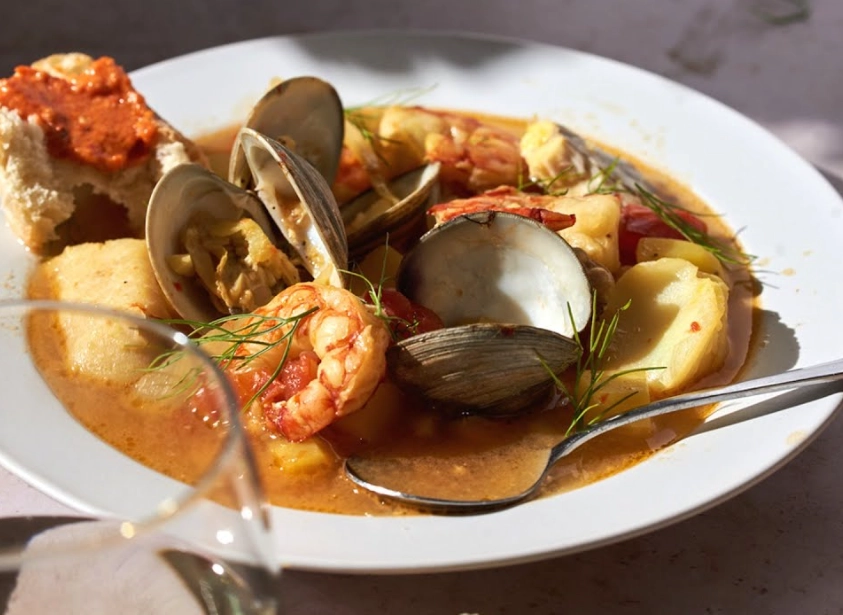
The Rouille: More Than Just Garlic Mayo
Let's pause on the rouille (which means "rust" for its color). It's not an optional garnish; it's a core component. It adds a creamy, spicy, garlicky counterpoint to the briny broth. Store-bought aioli isn't the same—it lacks the depth from the bread, pepper, and saffron. Making it yourself takes 5 minutes and elevates the entire dish from great to transcendent. If you're worried about raw garlic, you can use roasted garlic for a milder flavor. But don't skip it.
Navigating Common Bouillabaisse Dilemmas
Final Thoughts: Embrace the Mess
Making a true bouillabaisse recipe is a project. It's not fast. It requires planning, a trip to a good fish market, and a bit of time at the stove. Your kitchen will smell like the sea. There will be fish bones to deal with. But that's the point. It's a celebratory dish, a labor of love meant to be shared with good friends, crusty bread, and plenty of wine. It connects you to a centuries-old tradition of Mediterranean cooks making magic from the day's catch.
The first time you nail it—when you taste that deep, complex broth, the perfectly cooked fish, and the kick from the rouille—you'll understand why people in Marseille guard this recipe so fiercely. It's more than food; it's a story in a bowl. So, don't be intimidated. Get the best fish you can, respect the saffron, and take your time. You've got this.
And if it's not perfect the first time? Don't worry. Mine wasn't either. The journey is half the fun. Now, go find some fennel.