In This Guide
- What Even Is Arrabiata Sauce? A Little History
- The Non-Negotiables: Your Arrabiata Sauce Recipe Shopping List
- Step-by-Step: Building Your Arrabiata Sauce Recipe
- Arrabiata Sauce Recipe FAQ: Your Questions, Answered
- Beyond the Basics: Variations on the Classic Arrabiata Sauce Recipe
- Storing and Reheating: Making Your Sauce Last
- Troubleshooting: When Your Arrabiata Sauce Recipe Goes Wrong
- Why This Arrabiata Sauce Recipe Beats the Restaurant Version
Let's be honest. The first time I tried to make an arrabiata sauce recipe from a random blog, it was a disaster. Too watery, not enough kick, and somehow tasted... sweet? It was like a timid tomato sauce wearing a spicy Halloween costume. That failure sent me down a rabbit hole. I talked to a friend's nonna in Rome (over a very crackly video call), scoured old Italian cookbooks, and burned more than a few garlic cloves in the process. What I discovered is that authentic arrabiata sauce is deceptively simple. It's about a few great ingredients and the confidence to let them shine. This isn't just another recipe list. It's everything I wish I knew before I started, packed into one guide.
What Even Is Arrabiata Sauce? A Little History
"Arrabbiata" literally means "angry" in Italian. And the name tells you everything. This sauce is angry, spicy, and full of character. It hails from the Lazio region, with Rome as its proud home. Think of it as the rebellious cousin of a classic marinara. Where marinara is smooth and friendly, arrabiata is bold and in-your-face with heat. Historically, it's a cucina povera dish – "poor kitchen" food. It was born from what was available and cheap: tomatoes, garlic, chili, and olive oil. No fancy meats or creams. That simplicity is its superpower. It clings to pasta like a dream and delivers a punch that wakes up your whole palate.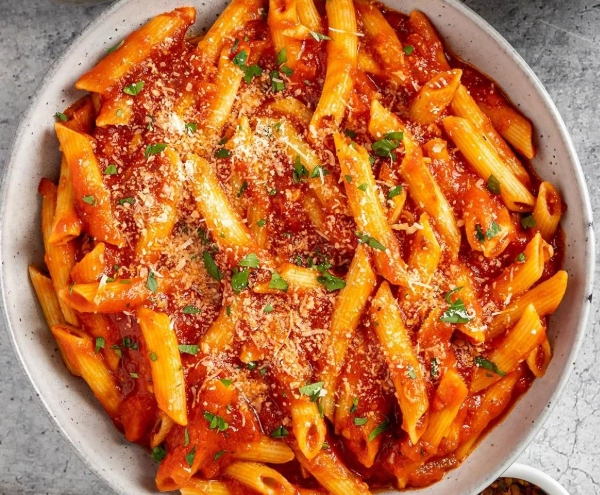
The beauty of a true arrabiata sauce recipe lies in its rustic, unfussy nature. It's a sauce that tolerates no fussiness.
The Non-Negotiables: Your Arrabiata Sauce Recipe Shopping List
You can't build a great house with weak bricks. Same goes for this sauce. Here are the key players, and yes, some are more important than others.
The Holy Trinity (Do Not Skip These)
Get these right, and you're 90% there.
Tomatoes: This is the foundation. For the most authentic flavor, I'm a huge advocate for whole, peeled San Marzano tomatoes. They're D.O.P. certified, which is a fancy Italian way of saying they're the real deal from a specific region, with lower acidity and a sweeter, deeper flavor. You crush them by hand in a bowl. It's messy, it's fun, and it gives the sauce the perfect rustic texture. If you only have good-quality crushed tomatoes, that works too in a pinch. But that tinny-tasting puree? Leave it on the shelf. The European Commission's quality schemes pages explain why D.O.P. labels matter for ingredients like San Marzano.
Chili Peppers: The "angry" part. Fresh red chilies (like cayenne or Thai bird's eye) are fantastic. Dried red pepper flakes (peperoncino) are the classic, pantry-friendly option. The big trick? Control the heat. The seeds and white ribs are where most of the capsaicin lives. For a milder arrabiata sauce recipe, remove them. For maximum fury, leave them in. I usually start with a teaspoon of flakes and adjust.
Garlic: Use fresh cloves. Slice them, don't mince them. Thin slices infuse the oil beautifully and are less likely to burn than tiny bits. They also give you lovely little bursts of flavor in the finished sauce.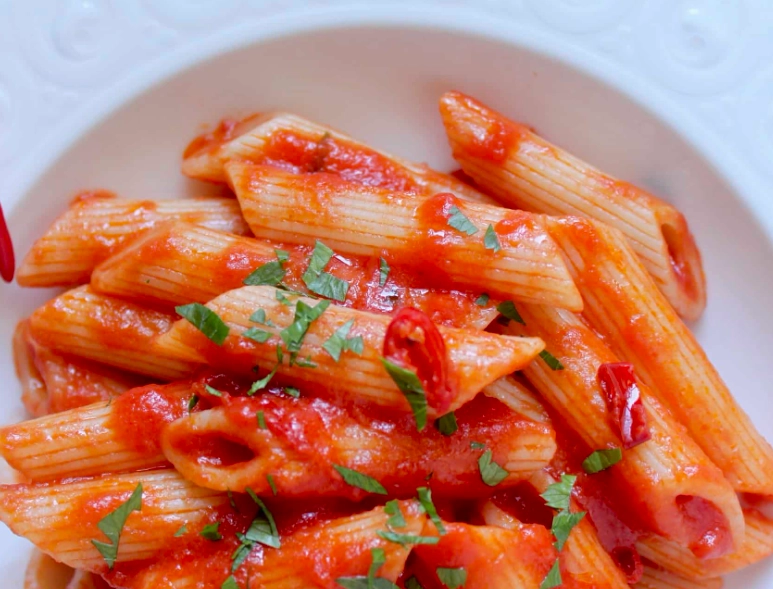
The Supporting Cast (Still Important)
Olive Oil: Use a good extra virgin olive oil. It's not just for frying; its fruity, peppery notes are part of the sauce's flavor profile.
Salt: Kosher salt or sea salt. It's your main tool for balancing the acidity of the tomatoes and highlighting all the other flavors.
Fresh Parsley: Usually added right at the end. It gives a hit of fresh, green aroma that cuts through the richness. Flat-leaf (Italian) parsley is the one you want.
Step-by-Step: Building Your Arrabiata Sauce Recipe
This isn't complicated. It's about patience and paying attention. You're not just making food; you're building layers of flavor.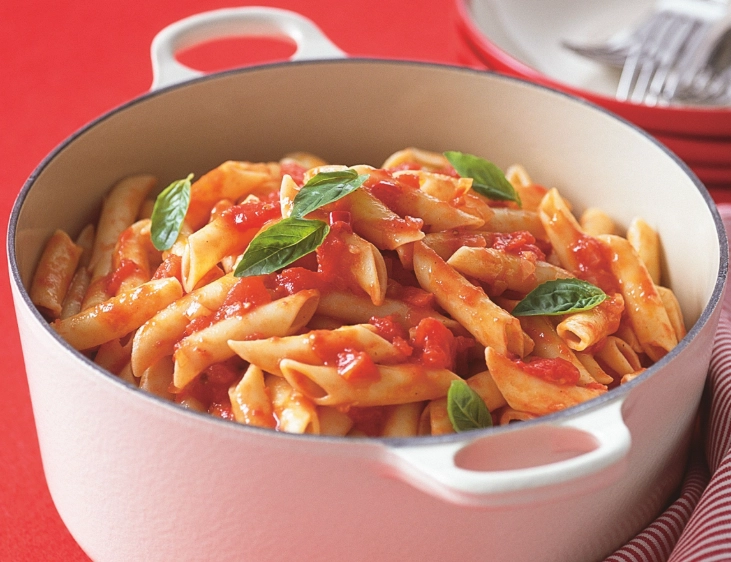
Step 1: Infuse the Oil. Pour a good glug of olive oil into a cold, wide pan. Add your sliced garlic and chili (flakes or fresh). Now turn the heat to medium-low. This is crucial. You want the garlic and chili to gently sizzle and perfume the oil, not turn brown and bitter. It should take 2-3 minutes. You'll smell it when it's ready—fragrant, not sharp.
Step 2: Tomato Time. Add your hand-crushed San Marzanos or crushed tomatoes. They'll sizzle and splatter. That's good. Add a generous pinch of salt. Stir everything together.
Step 3: The Simmer. Let the sauce come to a bubble, then reduce the heat to a low simmer. Let it cook, uncovered, for at least 20-25 minutes. Stir it occasionally. You'll see it transform from a bright, watery red to a deeper, richer, darker red. The oil might start to separate a little on the surface—that's flavor concentrating. This is where the magic happens.
Step 4: Finish and Serve. Taste it. Always taste it. Need more salt? More chili? Add it now. Stir in most of your chopped parsley. Cook your pasta (rigatoni or penne are classic—they trap the sauce) in well-salted water until al dente. Reserve a cup of the starchy pasta water before draining. Add the drained pasta directly to the sauce pan. Toss, toss, toss! Add splashes of that pasta water to help the sauce emulsify and cling to every nook and cranny. Serve immediately with more parsley and a final drizzle of raw olive oil.
Arrabiata Sauce Recipe FAQ: Your Questions, Answered
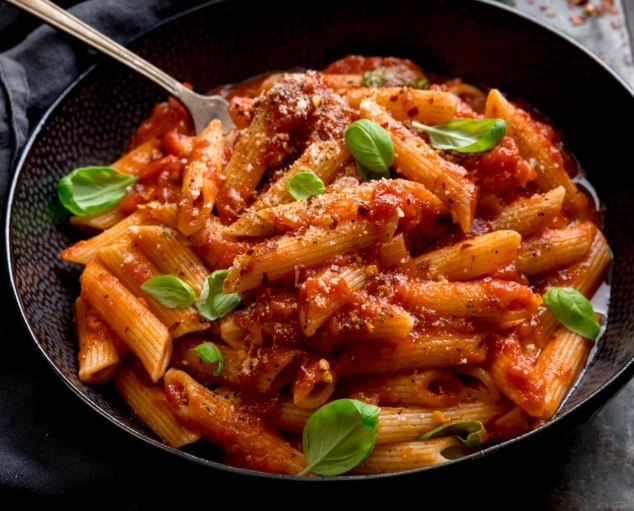
Beyond the Basics: Variations on the Classic Arrabiata Sauce Recipe
Once you've mastered the classic, it's fun to play. Here are a few ideas, ranked from "pretty traditional" to "nonna might side-eye you."
| Variation | What To Add/Change | Best Served With | My Rating (1-5) |
|---|---|---|---|
| Putanesca-Vibes | A handful of pitted Kalamata olives and 2-3 chopped anchovy fillets melted into the oil at the start. | Spaghetti or bucatini. | 5 - Salty, umami heaven. |
| Creamy Arrabiata (not traditional!) | Stir in 1/4 cup of heavy cream or a dollop of mascarpone right at the end of cooking. | Fettuccine or tortellini. | 3 - Delicious but mutes the "angry" heat a lot. |
| Roasted Garlic | Replace fresh garlic with the soft, sweet flesh from a whole head of roasted garlic. | Any short pasta. Makes it deeper, less sharp. | 4 - A mellower, sweeter anger. |
| With Pancetta | Dice 2 oz of pancetta and render it in the pan first. Use that fat instead of some olive oil. | Rigatoni. Adds a smoky, meaty depth. | 4 - Feels more like a meal. |
Storing and Reheating: Making Your Sauce Last
You've made a killer batch. Now what? Let the sauce cool completely at room temperature (don't leave it out for more than 2 hours). For the fridge, use a glass container. It keeps for 3-4 days. For the freezer, portion it into freezer bags or containers. Lay the bags flat to freeze—they'll stack like books and thaw faster. Thaw overnight in the fridge. To reheat, use a saucepan over low heat. It will likely thicken, so have some water or a splash of passata on hand to bring it back to sauciness. I never recommend microwaving it—it heats unevenly and can make the texture weird.
Nutritional Note: Because people ask. A basic arrabiata sauce is pretty healthy. It's low in calories and fat (mostly from heart-healthy olive oil), and tomatoes are packed with lycopene. The exact values depend on your specific ingredients and quantities. For detailed nutritional analysis of common ingredients, resources like the USDA's FoodData Central are invaluable for the curious cook.
Troubleshooting: When Your Arrabiata Sauce Recipe Goes Wrong
We've all been there. Here's a quick fix-it guide.
Sauce is too watery: You probably didn't simmer it long enough. Just simmer it longer, uncovered, until it reduces. Or, you added the pasta water too aggressively. Next time, add it a spoonful at a time.
Sauce is too thick/gloopy: Easy. Add a bit of the reserved pasta water, regular water, or even a splash of the tomato can liquid to thin it out.
It tastes bland: You likely under-salted. Salt is critical to make the tomato and chili flavors pop. Add salt in small increments, tasting after each addition. A lack of simmering time can also lead to a flat, raw tomato taste.
Garlic burned: Sadly, there's no saving this. It makes the whole sauce bitter. You have to start over. This is the #1 reason to start with a cold pan and use low heat.
The key is not to panic. Most mistakes are fixable.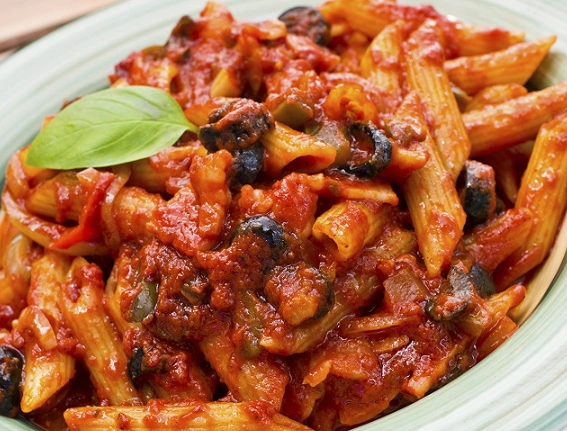
Why This Arrabiata Sauce Recipe Beats the Restaurant Version
Here's the thing. A lot of restaurant arrabiata sauces are... lazy. They use a generic tomato base and just dump in a ton of chili flakes at the end. It's heat without soul. When you make it at home, you control every element. You use better tomatoes. You infuse the oil properly. You let it simmer to develop deep flavor, not just warm it through. The result is a sauce with layers—the fruity oil, the mellowed garlic, the integrated heat of the chili, and the sweet intensity of the cooked tomatoes. It's a world apart from the one-note spicy sauce you often get out. Plus, it comes together in about 30 minutes. It's the ultimate weeknight hero that feels anything but basic.
So, is it worth making your own arrabiata sauce recipe from scratch? A hundred times yes. It's cheaper, it's tastier, and there's a real satisfaction in nailing that balance of fire and flavor. It's a staple in my kitchen now, and I hope it becomes one in yours. Grab some tomatoes, and don't be afraid to get a little angry with it.
For those looking to dive deeper into authentic Italian techniques that apply to sauces like this, the Academia Barilla is a fantastic resource for traditional methods. And if you're wondering about the science behind why certain pasta shapes work better, Serious Eats often has brilliant, experiment-driven articles that explain it all.