Let's be honest. We've all been there. You spend good money on a beautiful piece of meat, follow a recipe to the letter, and what comes out of the oven? Something that resembles sawdust more than a succulent dinner. It's frustrating, and it feels like a waste. I remember my first Thanksgiving turkey. I was so proud. Golden brown skin, picture-perfect. Then we carved it. Dry. So dry we needed extra gravy just to get it down. That was the day I discovered brining, and friends, it changed everything.
Brining isn't some fancy chef's trick reserved for high-end restaurants. It's a simple, almost foolproof technique that home cooks can master in an afternoon. The concept is straightforward: you soak your protein in a saltwater solution, sometimes with extra flavors. But what happens inside that soak is pure kitchen magic. This guide isn't just about giving you a few brine recipes to copy. I want to walk you through the why and the how, so you understand the process, feel confident tweaking it, and never have to serve a dry chicken breast again.
What You'll Learn
What is Brine, Really? It's Not Just Salty Water
At its most basic, a brine is a solution of salt dissolved in water. That's your baseline. But calling it "salty water" is like calling a sports car "a vehicle." Technically true, but it misses the point. The salt is the active ingredient. When you submerge meat in this solution, two main things happen through a process called osmosis and diffusion.
First, the salt water travels into the meat cells. Second, and this is crucial, it changes the protein structure within the meat. The proteins unwind and then bind to the water molecules, trapping them. When you later cook the meat, these trapped water molecules have a much harder time escaping. The result? Meat that retains its natural juices, staying moist and tender even under high heat. It's like giving your meat an internal insurance policy against overcooking. I find it works wonders on lean cuts that are prone to drying out, like turkey breast or pork chops.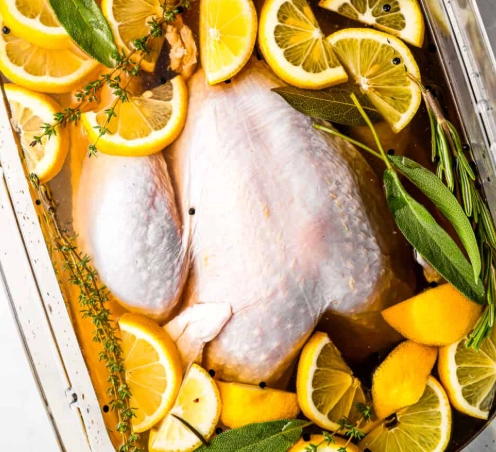
The Basic Brine Recipe Ratio: Your New Kitchen Formula
Forget complicated measurements. The standard ratio for a basic wet brine is so easy to remember: 1 cup of kosher salt to 1 gallon of water. That's your foundation. Why kosher salt? Its larger, flakier crystals dissolve easily and don't contain the anti-caking agents or iodine found in some table salts, which can impart a slight metallic taste. If you only have table salt, use about 3/4 cup per gallon since it's denser.
Now, that's the baseline. But here's where you start to build your own brine recipe. That salt and water mixture is a blank canvas. You can add sweeteners to balance the salt and promote browning. Sugar, honey, maple syrup, or even apple juice work great. A quarter to a half cup per gallon is a good start. Then come the aromatics. This is the fun part. Smashed garlic cloves, whole peppercorns, bay leaves, sprigs of fresh herbs like rosemary, thyme, or sage, citrus peels (avoid the bitter white pith), and even whole spices like coriander or mustard seeds.
You bring this mixture to a brief boil—just to dissolve the salt and sugar and infuse the water with the aromatics. Then you must let it cool completely to room temperature, and then chill it in the fridge before adding your meat. Pouring a warm brine over raw poultry is a food safety nightmare. Trust me, I learned this the hard way and had to toss a whole batch. Patience is key.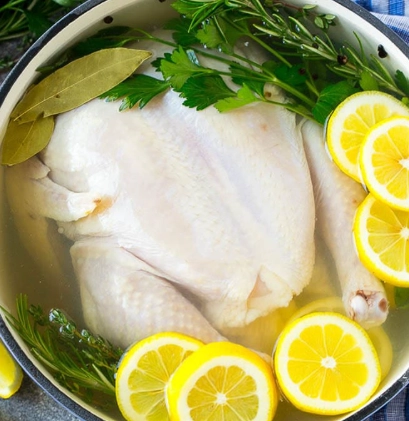
The Science Behind the Perfect Brine (Without the Textbook Jargon)
Let's dig a little deeper, but keep it simple. How does salt, a simple mineral, make such a dramatic difference? It's all about protein and water. Muscle fibers are made of proteins that are tightly wound. When these proteins are exposed to salt, they denature—they unwind. As they unwind, they create spaces that literally trap and hold onto water molecules.
When you cook un-brined meat, the heat causes these proteins to squeeze tight, forcing all the moisture out like wringing a sponge. That moisture ends up in your pan, not in your meat. With brined meat, the proteins are already holding onto water for dear life. The heat still makes them contract, but they can't squeeze out all that trapped liquid. The moisture is locked in. It's a simple chemical hack that gives you a massive margin for error in cooking.
But how long is too long? That's a common question. Brining isn't a "more is better" situation. Over-brining can turn your meat mushy and overly salty, as the proteins break down too much. It's a delicate balance.
| Protein Type | Recommended Brining Time | Special Notes |
|---|---|---|
| Chicken Breasts | 1 to 2 hours | Lean cuts don't need long. Even 30 minutes helps. |
| Whole Chicken | 4 to 12 hours (overnight) | 12 hours is the sweet spot for a 4-5 lb bird. |
| Pork Chops | 1 to 4 hours | Thicker chops benefit from the longer time. |
| Pork Loin or Tenderloin | 4 to 12 hours | Be careful not to over-brine tenderloin; 4-6 hrs is plenty. |
| Whole Turkey (12-14 lbs) | 12 to 24 hours | Don't exceed 24 hours. A full day is perfect. |
| Shrimp or Fish Fillets | 15 to 30 minutes MAX | Seafood brines VERY quickly. Set a timer! |
See that note for seafood? I once forgot a batch of shrimp in a brine for about an hour. They turned into rubbery, salty little pucks. Completely inedible. A harsh lesson in timing.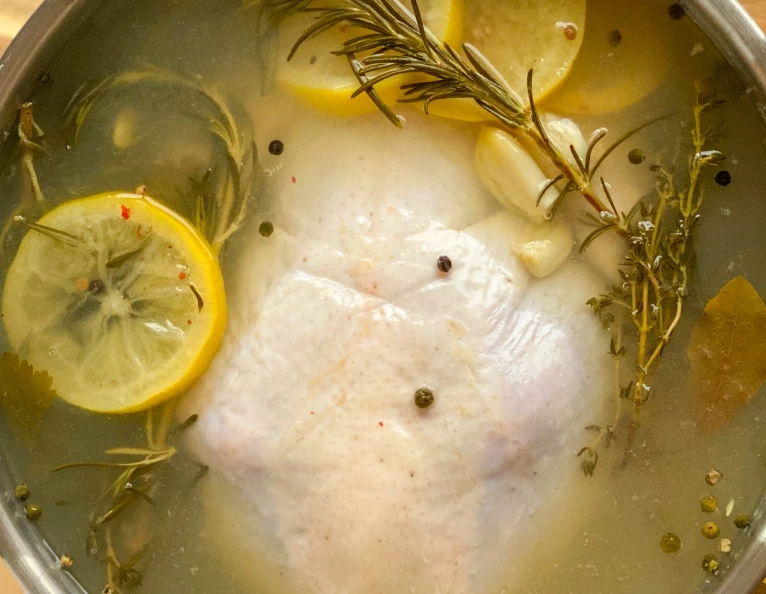
Your Go-To Brine Recipes for Every Protein
Okay, theory is great, but let's get practical. Here are my workhorse brine recipes, tested and tweaked over years. These are starting points. Feel free to make them your own.
The All-Purpose Chicken Brine Recipe
This is my weekly staple. It makes chicken breasts, which are so easy to ruin, absolutely foolproof. It also works beautifully for a whole spatchcocked chicken.
- 1 gallon cold water
- 3/4 cup kosher salt (I like Diamond Crystal)
- 1/2 cup brown sugar or honey
- 5-6 cloves garlic, smashed with the side of your knife
- 1 tablespoon whole black peppercorns
- 3-4 large sprigs of fresh thyme or rosemary (or 1 tbsp dried)
- 2 bay leaves
- Optional: Zest of one lemon or orange
Method: Heat about 2 cups of the water with the salt, sugar, and aromatics until dissolved. Pour into a large pot or container with the remaining cold water. Chill completely. Add chicken and brine in the fridge for the times listed in the table above.
The Ultimate Thanksgiving Turkey Brine
This is the brine recipe that saved my holidays. It's aromatic, slightly sweet, and makes the most flavorful, juicy turkey you'll ever taste. For a 12-14 lb turkey, you'll need a very large container—a clean 5-gallon bucket or a large cooler dedicated to food use works perfectly.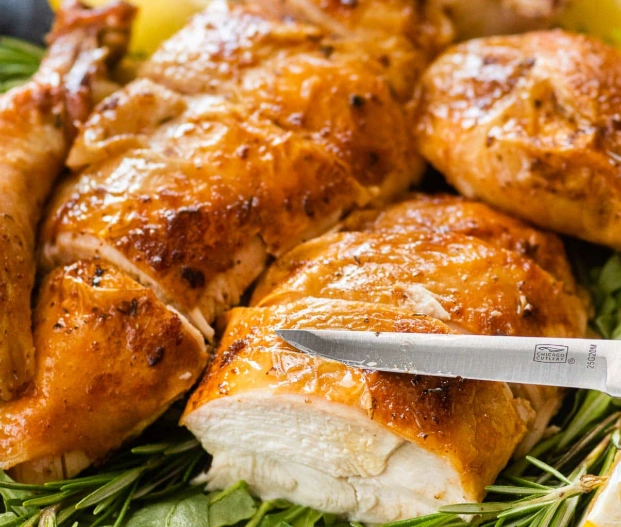
- 2 gallons cold water (divided)
- 1 1/2 cups kosher salt
- 1 cup maple syrup or dark brown sugar
- 2 oranges, cut into quarters (skin on)
- 1 large onion, roughly chopped
- 1 head of garlic, halved horizontally
- A large handful of fresh sage and thyme sprigs
- 2 tablespoons whole allspice berries
- 1 tablespoon whole cloves
Combine 1 gallon of water with all ingredients except the remaining cold water in a large stockpot. Bring to a boil, stir to dissolve. Remove from heat. Add the second gallon of cold water to cool it down quickly. Refrigerate until completely cold. Submerge your thawed, rinsed turkey (giblets removed), and brine for 18-24 hours.
The smell when you take the turkey out is incredible. Like Christmas and Thanksgiving in a pot.
A Quick & Zesty Seafood Brine
For shrimp, scallops, or even firm fish like salmon or cod. This is a "dry brine" or "quick brine" method—you don't need a full submersion. It seasons and firms up the flesh beautifully.
For 1 pound of shrimp (peeled and deveined) or fish fillets: Dissolve 2 tablespoons of salt and 1 tablespoon of sugar in 2 cups of cold water. Add a few slices of lemon and a couple of dill sprigs if you like. Submerge the seafood and set the timer for 15 minutes. For thicker fillets (1-inch), go up to 30 minutes, but no more. Rinse briefly and pat very dry before cooking. This makes shrimp incredibly plump and perfect for grilling.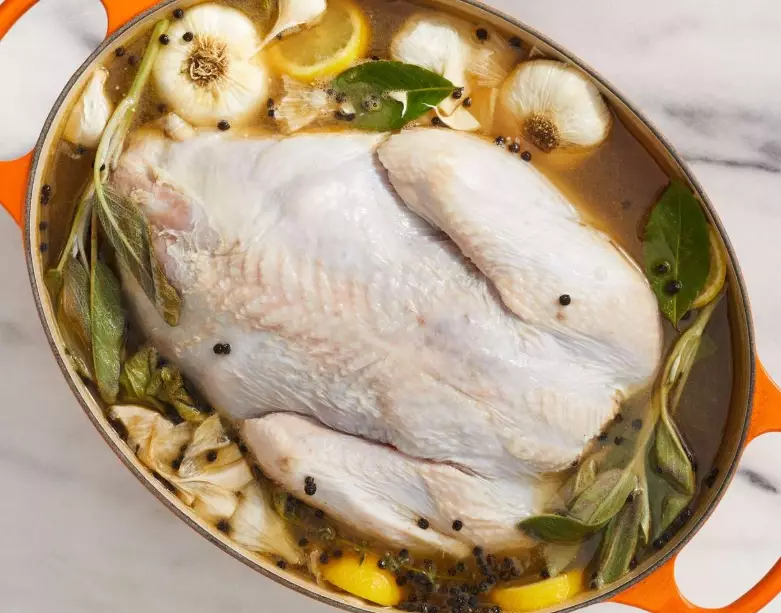
Common Brining Mistakes (And How to Avoid Them)
I've made most of these, so learn from my errors.
- Using a Warm Brine: Already mentioned, but it's the biggest safety risk. Cool it completely.
- Over-Brining: More time does not equal better results. Follow the time guides. Seafood is the most delicate.
- Not Rinsing and Drying: After brining, take the meat out, give it a quick rinse under cold water to remove surface salt, and then pat it thoroughly dry with paper towels. This is non-negotiable for getting good browning. Wet meat steams; dry meat sears.
- Adding Other Salty Ingredients: If you use a brine recipe, remember your meat is now seasoned inside. Go easy on additional salt in any rubs or seasonings you apply after. Taste as you go.
- Using an Iodized Table Salt Heavy Hand: The iodine thing is real for me. It can give a subtle chemical aftertaste in large quantities. Stick to kosher or sea salt for brining.
Dry Brining vs. Wet Brining: What's the Difference?
We've mostly talked about wet brining (submersion in liquid). But there's another popular method: dry brining. This is simply salting the meat heavily and letting it sit uncovered in the fridge for several hours or days. The salt draws out some moisture, dissolves into it, and then is re-absorbed, seasoning the meat deeply. It also dries out the surface, which leads to phenomenally crispy skin on poultry.
Which is better? It depends.
Wet Brining is fantastic for guaranteeing juiciness, especially in lean meats and for beginners. It's very forgiving. The downside? It can slightly dilute the meat's flavor and requires fridge space for a large container.
Dry Brining concentrates the meat's natural flavor and gives you that crispy skin. It's simpler (just salt) and takes up less space. The downside? It's slightly less foolproof for absolute moisture retention, though it's still excellent. For a Thanksgiving turkey I plan to roast, I'm now team dry brine for that crackling skin. But for grilling chicken breasts, I still default to a wet brine recipe for that extra safety net.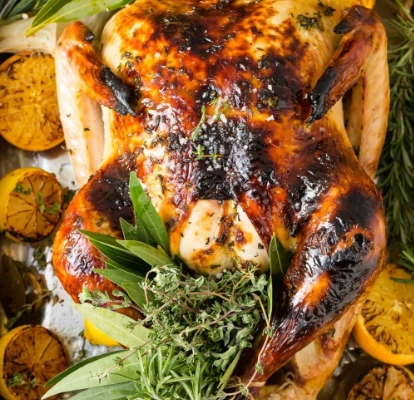
Final Thoughts: Just Try It
The best way to understand the power of a good brine recipe is to do a side-by-side test. Next time you buy two chicken breasts, brine one for an hour in the simple all-purpose brine and just season the other. Cook them the same way. The difference will be stark, and you'll be a convert.
Brining feels like a secret weapon. It takes a little forethought, but almost no active effort. You mix a few things, let time and science do the work, and you're rewarded with consistently better, more impressive results. It turns an ordinary cook into a confident one. It solved my dry turkey problem, and it can solve yours too. Start with the basic chicken brine recipe this weekend. You won't look back.
Got a favorite brine addition I didn't mention? I'm always experimenting. For me, a few slices of fresh ginger in a pork brine is a game-changer. But that's the beauty of it—once you know the basic 1:1 salt-to-gallon ratio and the timing guidelines, the world of flavors is yours to explore. Happy brining!