Saffron. Just saying the word feels luxurious. It’s the world’s most expensive spice by weight, and for good reason. Each crimson thread is the hand-picked stigma of a specific crocus flower. It takes about 75,000 flowers to produce a single pound. That fact alone makes you want to treat it with respect, doesn’t it?
But here’s the thing I’ve learned after years of cooking with it: saffron isn’t just for fancy restaurants or once-a-year feasts. When you know how to use it, a tiny pinch can transform everyday dishes into something extraordinary. It’s not just about color—it’s about that haunting, floral aroma and a flavor that’s like hay, honey, and earth all at once.
This guide is about demystifying that process. We’ll move past the intimidation of the price tag and get straight to the delicious part: cooking.
What’s Cooking Inside?
Essential Saffron Recipes to Master
Let’s start with the dishes where saffron isn’t just an accent—it’s the star. These are foundational. Master these, and you’ll understand the spice’s personality.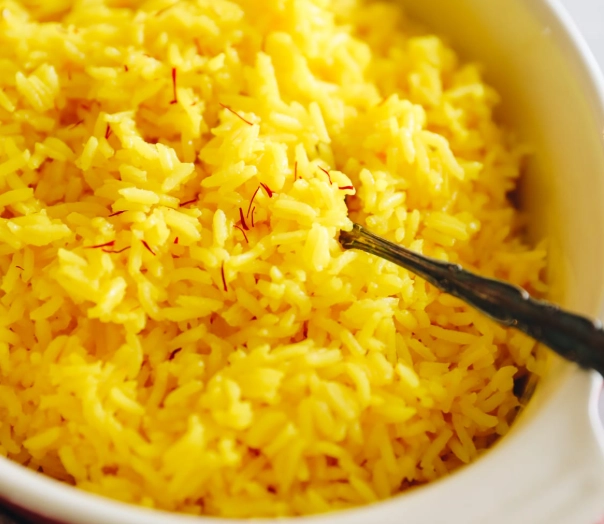
1. The Perfect Saffron Rice (Chelow Za’farani)
This is where your journey should begin. Persian saffron rice is a lesson in subtlety. The goal isn’t a uniformly yellow rice. It’s about creating fragrant, steaming white rice with a stunning golden crust at the bottom called tahdig, often infused with saffron.
How to Make It (The Simple Way):
Bloom the saffron: Crush 15-20 threads in a mortar. Add 3 tablespoons of hot (not boiling) water. Let it sit for 20 minutes. It should turn a deep, sunset orange.
Cook the rice: Parboil 2 cups of basmati rice until it’s just tender on the outside but firm inside. Drain.
Layer and steam: In a pot, melt 3 tablespoons of butter or oil. Mix a large spoonful of the parboiled rice with a tablespoon of the saffron water and yogurt. Spread this mixture in the bottom of the pot—this becomes your saffron tahdig. Gently mound the rest of the white rice over it. Cover and cook on low for 45 minutes.
The reveal: The magic moment. Invert the pot onto a platter. You’ll have a mound of fragrant white rice, crowned by a crisp, golden, saffron-scented crust. Drizzle the remaining saffron water over the white rice for streaks of color and aroma.
The first time I made this, I used cheap saffron. The color was weak, the aroma faint. It was a lesson. For rice, you don’t need the absolute highest grade, but you need threads that are predominantly red, not pale yellow or mixed with lots of “style” (the yellow filaments). A good source makes all the difference.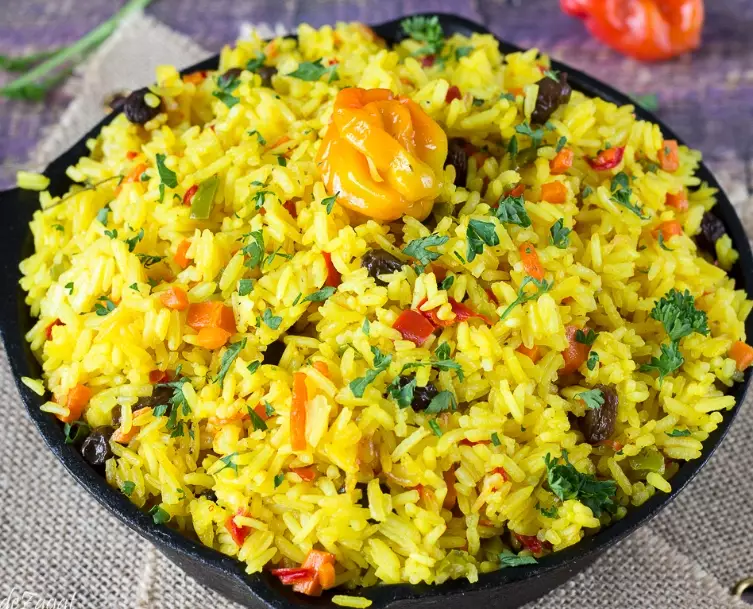
2. Saffron-Infused Seafood Paella
Paella is saffron’s most famous stage. But here’s a tip most recipes don’t stress enough: bloom the saffron in the stock, not just in water. If your recipe calls for 4 cups of fish or chicken stock, take about 1/2 cup of it, warm it up, and steep your crushed saffron threads (about 25-30) in it for 20 minutes before adding it back to the main pot. This way, the flavor infuses the entire cooking liquid from the start.
My non-negotiable paella steps with saffron:
- Use a short-grain rice like Bomba or Calasparra. It absorbs more liquid and flavor without becoming mushy.
- After toasting the rice in the sofrito, pour in that saffron-infused stock all at once. Don’t stir again. This is crucial for the socarrat (the crispy bottom).
- Arrange your seafood (shrimp, mussels, clams) on top. The steam from the rice will cook it perfectly.
The result? Every grain of rice is imbued with a deep, savory-sweet saffron essence that pairs perfectly with the briny seafood. It’s a weekend project that’s absolutely worth it.
3. A Simple Saffron & Garlic Cream Sauce for Pasta
This is your 20-minute weeknight luxury. It’s shockingly easy and highlights saffron’s affinity for dairy and garlic.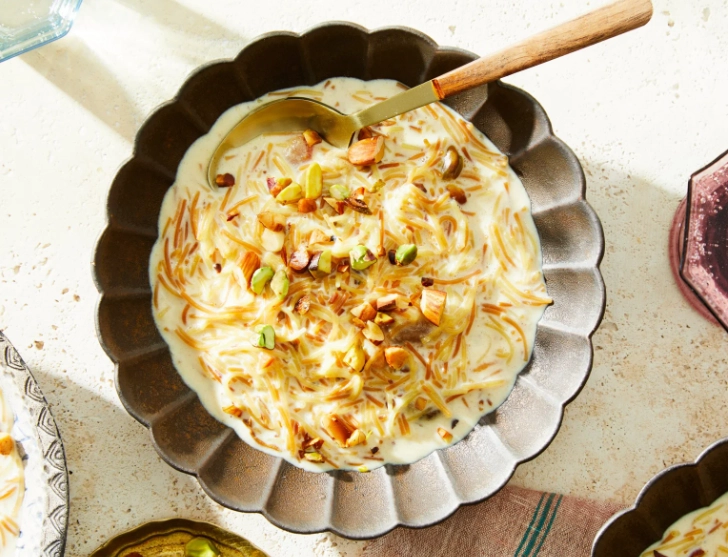
- Bloom 10-12 saffron threads in 2 tablespoons of warm white wine or lemon juice.
- In a pan, gently sauté 3 minced garlic cloves in 3 tablespoons of butter until fragrant.
- Pour in 1 cup of heavy cream and the bloomed saffron mixture. Simmer gently for 5 minutes until it thickens slightly.
- Toss with freshly cooked fettuccine or tagliatelle. Finish with salt, black pepper, and a handful of grated Parmesan or Pecorino.
The sauce turns a beautiful pale gold. It’s rich, but the saffron cuts through with its floral note, preventing it from being cloying. I love it with some sautéed shrimp or scallops tossed in at the end.

How to Store and Handle Saffron Properly
This is where most home cooks waste money. Saffron’s enemies are light, heat, air, and moisture.
The Storage Rule: Airtight. Opaque. Cool. I keep my main stash in its original sealed vial inside a dark cupboard, far from the stove or oven. The small amount I’m currently using goes into a tiny, dark-glass apothecary jar with a tight lid.
Never, ever store it in a clear jar on a spice rack in sunlight. You’ll watch a $20 investment turn into flavorless red threads in a few months.
To Crush or Not to Crush: Always crush it just before using. A mortar and pestle is ideal—the gentle grinding releases the oils. If you don’t have one, use the back of a spoon in a small bowl. Pre-ground saffron loses its potency incredibly fast. I avoid it completely.
The Blooming Step (Non-Negotiable): This is my “10-year experience” hill to die on. You must rehydrate the crushed threads in a warm liquid. Cold liquid takes forever. Boiling water can damage the delicate compounds. Aim for water, stock, milk, or wine that’s hot to the touch but not simmering—around 160°F (70°C) is perfect. Let it sit for 15-20 minutes. You’ll see the color leach out and the liquid become a vibrant orange. Now it’s ready to weave its magic into your dish.
Skip this step, and you’re leaving 70% of the flavor and color locked inside the threads.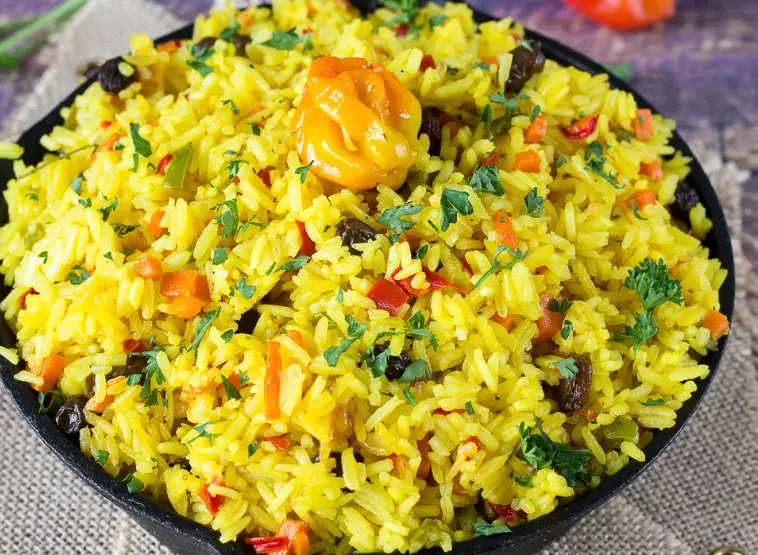
Your Saffron Questions, Answered
Saffron asks for a little attention—to its source, its storage, and its preparation. Give it that, and it repays you a hundredfold in the kitchen. It turns simple rice into a conversation piece, a weeknight pasta into a small celebration. Start with the rice. Get that golden crust. You’ll understand the hype isn’t about luxury; it’s about a flavor nothing else on earth can provide.
Now, go bloom some threads.