In This Guide
Let's be honest. Walking past a patisserie window and seeing those perfect, glossy eclairs lined up like edible jewels is enough to make anyone's mouth water. But then you think, "I could never make those." The choux pastry seems mysterious, the filling temperamental. What if I told you that a great eclair recipe isn't magic? It's just method. And I'm here to walk you through every single step, bump, and potential disaster, so you can pull a tray of gorgeous, creamy eclairs from your own oven.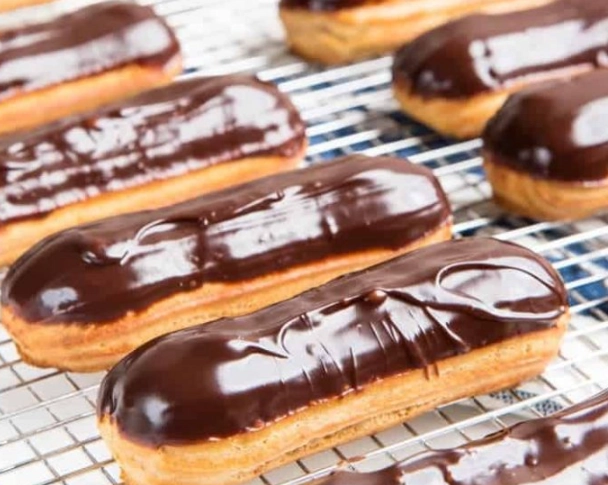
I remember my first attempt. They looked more like deflated footballs than elegant pastries. The filling was runny. It was a mess. But that failure taught me more than any perfect batch ever could. Now, after years of tweaking and testing, I've landed on a process that works. Consistently. This isn't just a list of ingredients and steps; it's the why behind them. We'll cover the classic chocolate eclair, of course, but also how to mix things up once you've got the basics down.
The Foundation: Choux Pastry That Puffs Every Time
Everything about a good eclair rests on the choux pastry shell. It's the vessel. Get this right, and you're 80% of the way there. The goal is a shell that's golden brown, crisp on the outside, and hollow and tender on the inside. It should be sturdy enough to hold filling but delicate to bite into.
The science is simple: you cook flour in water and butter to form a paste, then beat in eggs. The water turns to steam in the oven, puffing the paste. The eggs provide structure. Sounds easy, right? It is, if you pay attention to a few key details.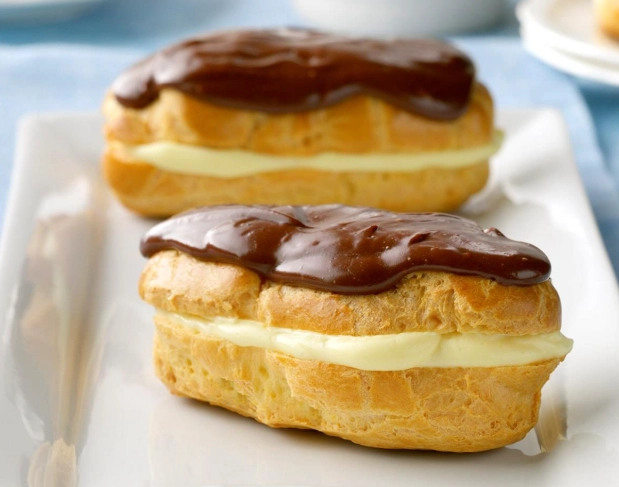
Choux Pastry Ingredients (for about 12-15 eclairs)
- Water: 1 cup (240ml). Some recipes use half water, half milk for richer color. I prefer all water for maximum puff.
- Unsalted Butter: 1/2 cup (115g), cubed. Unsalted lets you control the salt level.
- Granulated Sugar: 1 teaspoon. Just a hint for color.
- Salt: 1/2 teaspoon. Crucial for flavor balance.
- All-Purpose Flour: 1 cup (125g). Sifted! Lumps are the enemy of smooth choux. For even more reliable results, consider using bread flour. Resources like King Arthur Baking's flour guide explain the protein differences beautifully.
- Large Eggs: 4, at room temperature. This is non-negotiable. Cold eggs won't incorporate properly.
The Process: From Pan to Piping
- Cook the "Panade": Combine water, butter, sugar, and salt in a medium saucepan. Bring to a full, rolling boil over medium-high heat. The butter must be fully melted. Immediately dump in all the flour at once.
- Dry the Dough: This is the most critical step. Stir vigorously with a wooden spoon. The mixture will form a ball and leave a film on the bottom of the pan. Keep cooking and stirring for another 1-2 minutes over medium heat to cook out the raw flour taste and evaporate excess moisture. You're aiming for a dough that doesn't stick to your fingers when pinched.
- Cool Slightly: Transfer the dough to a mixing bowl. Let it cool for 5-7 minutes. If it's too hot, it will cook the eggs. You should be able to hold your hand against the bottom of the bowl.
- Add the Eggs: Using a stand mixer with paddle attachment or a hand mixer, beat in the eggs one at a time. Wait until each is fully incorporated before adding the next. The dough will go from shaggy to slick and shiny. It should fall from the beater in a thick, smooth ribbon that holds its shape for a few seconds. You might not need all the egg! The fourth egg is often a partial addition. The consistency is more important than the count.
- Pipe and Bake: Preheat your oven to 425°F (220°C). Line a baking sheet with parchment. Fit a large piping bag with a 1/2-inch plain round tip. Pipe 4-5 inch logs, spacing them 2 inches apart. Smooth any peaks with a damp finger. Bake at 425°F for 15 minutes, then without opening the door, reduce heat to 375°F (190°C) and bake for another 20-25 minutes until deeply golden and very firm. They should sound hollow when tapped.
- Vent and Cool: Immediately poke a small hole in the end of each eclair to let steam escape. This prevents sogginess. Transfer to a wire rack to cool completely before filling.
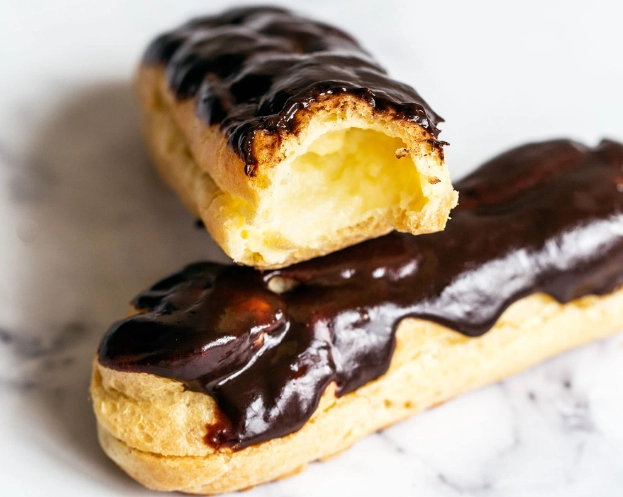
Why the two-stage oven temperature? The initial high heat creates a massive burst of steam for maximum puff. The lower temperature then dries out the interior thoroughly, creating that essential hollow cavity and crisp exterior. It's the secret to the perfect eclair shell.
Common Choux Pastry Problems and Fixes
| Problem | Likely Cause | How to Fix It Next Time |
|---|---|---|
| Shells are flat and don't puff | Dough was too wet (undercooked panade) or oven temp too low. | Cook the flour/water/butter mix longer until a film forms on the pan. Ensure oven is fully preheated. |
| Shells puff then collapse | Under-baked, so structure wasn't set. Or, you didn't vent them. | Bake until deeply golden and very firm. Always poke a hole after baking. |
| Shells are eggy or soft | Too much egg was added to the dough. | Add eggs one at a time and stop when the dough ribbons perfectly. You may only need 3.5 eggs. |
| Shells crack excessively | Oven temperature was too high, causing too-rapid expansion. | Try starting at 400°F instead of 425°F, or ensure your oven isn't running hot. |
| Shells are pale and doughy inside | Not baked long enough at the lower temperature. | Extend the baking time at 375°F by 5-10 minutes. Don't rely on color alone; feel for firmness. |
The Heart: Classic Pastry Cream (Crème Pâtissière)
Now for the soul of the eclair: the pastry cream. This is where you can really taste the quality. A cheap, artificial-tasting filling ruins the whole experience. We're making a rich, vanilla-specked custard that's thick enough to hold its shape but smooth enough to melt in your mouth. The key is patience and constant attention.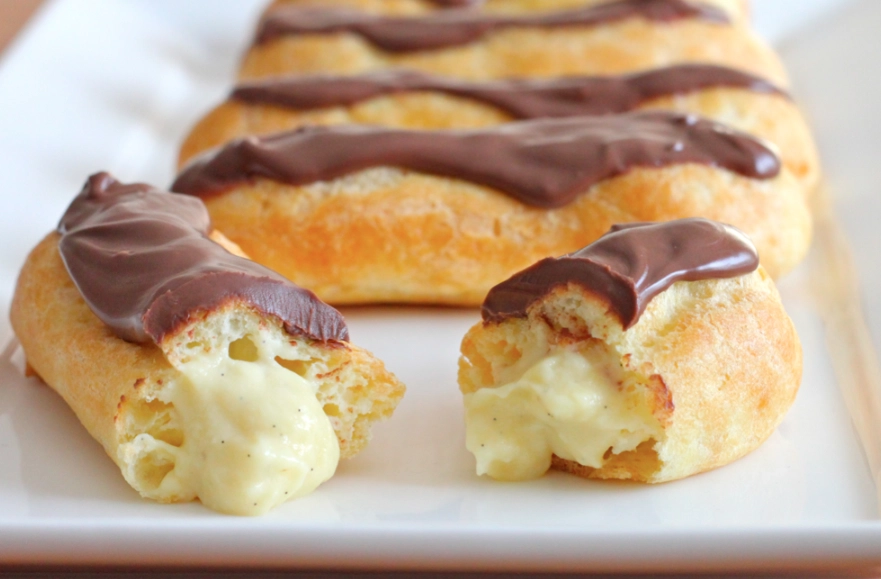
Vanilla Pastry Cream Ingredients
- Whole Milk: 2 cups (480ml). Don't skimp here. The fat content matters for richness and texture.
- Vanilla Bean: 1, split and seeds scraped (or 2 teaspoons pure vanilla extract added at the end). The bean pod adds incredible depth.
- Large Egg Yolks: 6. This makes it luxuriously rich and yellow.
- Granulated Sugar: 2/3 cup (135g).
- Cornstarch: 1/4 cup (30g). This is our thickener. Some use flour, but cornstarch gives a cleaner, glossier finish.
- Salt: A pinch.
- Unsalted Butter: 2 tablespoons (30g), cubed and cold. Whisked in at the end for silkiness.
The process is a dance. You temper the eggs so they don't scramble. You cook the starch so it doesn't taste raw. You chill it quickly to stop the cooking. Let's break it down.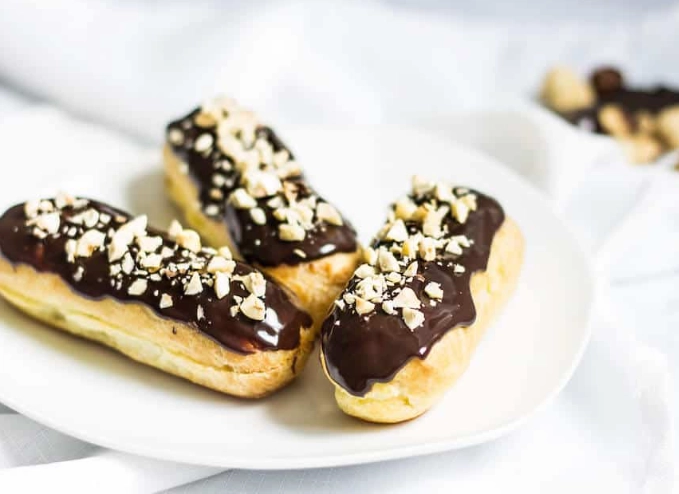
- Heat the milk with the vanilla bean seeds and pod (if using) in a saucepan until just simmering. Remove from heat, cover, and let it steep for 15 minutes. This infuses maximum flavor.
- In a separate bowl, whisk egg yolks, sugar, cornstarch, and salt until very pale and thick. This ribbon stage is important.
- Slowly, while whisking constantly, pour about half of the hot milk into the egg yolk mixture to temper it. Then, pour everything back into the saucepan with the remaining milk.
- Cook over medium heat, whisking constantly and scraping the bottom and corners. It will thicken suddenly. Once large bubbles break the surface, cook for a full 60 seconds more to de-activate the starch enzymes. This ensures your cream stays thick.
- Immediately strain through a fine-mesh sieve into a clean bowl to remove any cooked egg bits and the vanilla pod. Press plastic wrap directly onto the surface to prevent a skin. Refrigerate until completely cold, at least 4 hours or overnight.
- Before filling, give the cold pastry cream a good whisk to loosen it. For extra lightness, you can fold in a cup of whipped heavy cream to make Crème Diplomat. It's easier to pipe and a bit less dense.
Why go through all this instead of using instant pudding? Texture and taste. Homemade pastry cream has a pure, clean flavor and a luxurious mouthfeel that no powder can replicate. It's the difference between a good eclair and a great one. It's the core of any serious chocolate eclair recipe worth its salt.
The Crown: Chocolate Glaze That Shines
The final touch. That dark, shiny, crackly shell that makes an eclair look finished. A lot of recipes use a simple ganache, which is fine, but it can be soft. I prefer a glaze that sets firm and glossy, like a patisserie's. This one uses gelatin for that perfect snap.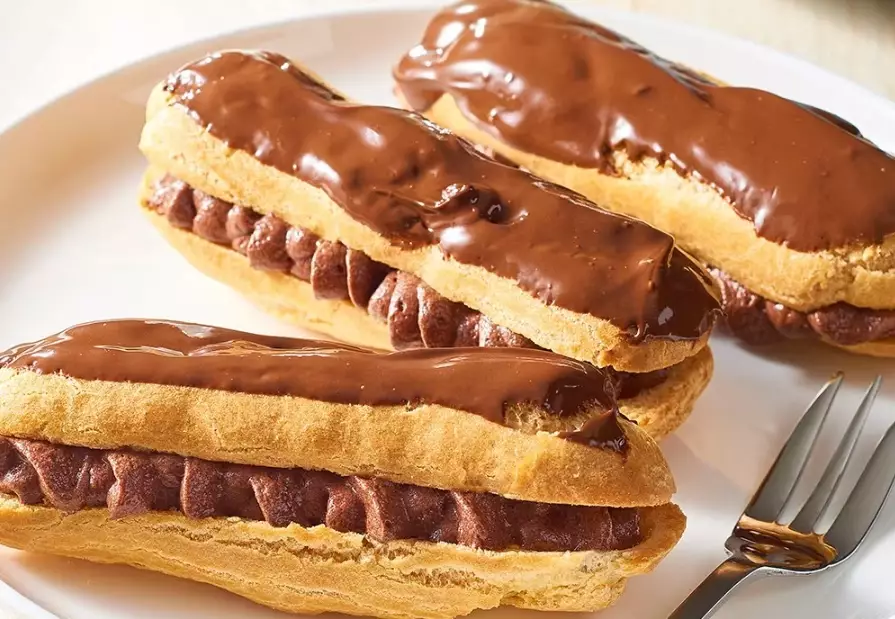
Mirror Glaze Ingredients
- Heavy Cream: 1/2 cup (120ml).
- Light Corn Syrup: 2 tablespoons. This is for shine and to prevent crystallization. You can substitute honey or golden syrup in a pinch.
- Granulated Sugar: 1/4 cup (50g).
- Water: 2 tablespoons.
- Unsweetened Cocoa Powder (Dutch-processed): 1/4 cup (25g). Dutch-processed is less acidic and gives a darker color.
- Powdered Gelatin: 1 teaspoon, bloomed in 1 tablespoon cold water.
- Dark Chocolate (60-70%): 4 oz (115g), finely chopped. Quality matters here.
Combine cream, corn syrup, sugar, and water in a small saucepan. Bring to a simmer, stirring to dissolve sugar. Whisk in cocoa powder until smooth. Remove from heat. Add the bloomed gelatin and stir until completely melted. Pour this hot mixture over the chopped chocolate. Let it sit for 2 minutes, then stir gently until perfectly smooth and glossy. Let it cool until it's just slightly warm and thickened to a coating consistency before dipping your eclairs.
Too fussy? A simple ganache of equal parts by weight of heated cream and chopped chocolate works too. But for that true bakery finish, the mirror glaze is worth the extra five minutes.
Assembly: Putting It All Together
You have your cool, crisp shells. Your cold, thick pastry cream. Your glossy, slightly warm glaze. Now for the fun part.
- Fill the Shells: Fit a piping bag with a small round tip (like a Bismarck tip) or even a star tip. You can also use a long, narrow tip designed for filling. Poke holes in the bottom of each eclair shell (I do three holes along the length). Insert the tip and gently squeeze, filling until you feel a slight resistance and see the eclair plump up slightly. Don't overfill, or it will burst.
- Glaze the Tops: Hold a filled eclair by its sides and dip the top directly into the glaze. Lift, let excess drip off for a second, and set it glaze-side up on a rack. The glaze will set in about 15 minutes.
And there you have it. A complete, classic eclair. But why stop there?
Beyond the Classic: Flavor Variations
Mastered the basic eclair recipe? The world is your oyster (or your pastry). The choux, cream, and glaze formula is infinitely adaptable.
- Coffee Eclairs: Add 1-2 tablespoons of instant espresso powder or very strong brewed coffee reduction to the pastry cream. Glaze with a coffee-flavored icing.
- Fruit Flavors: Fold a few tablespoons of raspberry or passion fruit puree into the chilled pastry cream. Top with a matching fruit glaze.
- Salted Caramel: Use a salted caramel pastry cream and dip the tops in dark chocolate. A personal favorite.
- Matcha Green Tea: Whisk high-quality matcha powder into the pastry cream and the glaze for a stunning, modern look.
The shell itself can be flavored, too. Try adding a bit of orange zest or swapping out a tablespoon of flour for cocoa powder for a chocolate choux. For a deep dive into the science of these flavor infusions and how ingredients interact, resources from reputable cooking science sites like Serious Eats can be incredibly enlightening.
Storing and Serving Your Masterpiece
Eclairs are best eaten the day they are assembled. The shell starts to soften from the moisture of the filling after about 8 hours. But let's be real, you might need to make them ahead.
- Components Separate: Baked, unfilled shells can be frozen in an airtight container for up to a month. Thaw at room temperature and crisp them in a 300°F oven for 5 minutes before filling. Pastry cream keeps for 3 days in the fridge.
- Assembled: Keep assembled eclairs in a single layer in the fridge for up to 24 hours. The glaze may sweat a little. Serve chilled or let sit at room temperature for 15 minutes before serving.
Don't try to freeze filled eclairs. The filling separates and the shell turns to mush. It's a sad sight.
Absolutely. There's a pride that comes from creating something this beautiful and delicious from scratch. It's not a weekday dessert. It's a project, a celebration. A way to show someone you care. You understand the structure of choux now. You know how to tame a custard. That classic eclair recipe is no longer a mystery behind a glass window; it's a skill in your hands.
Start with the classic. Get it right. Then start playing. That's where the real fun begins. Now, go preheat your oven. Your perfect eclair is waiting.