I still remember the first time I had real yakitori in Tokyo. It wasn't at some fancy restaurant, but at a tiny, smoky stall tucked under train tracks. The smell was incredible – sweet, savory, charred. The chicken was impossibly juicy, glistening with a sticky, glossy sauce. I tried to recreate it at home for years with mediocre results. Dry chicken. Burnt sauce. Flavorless skewers.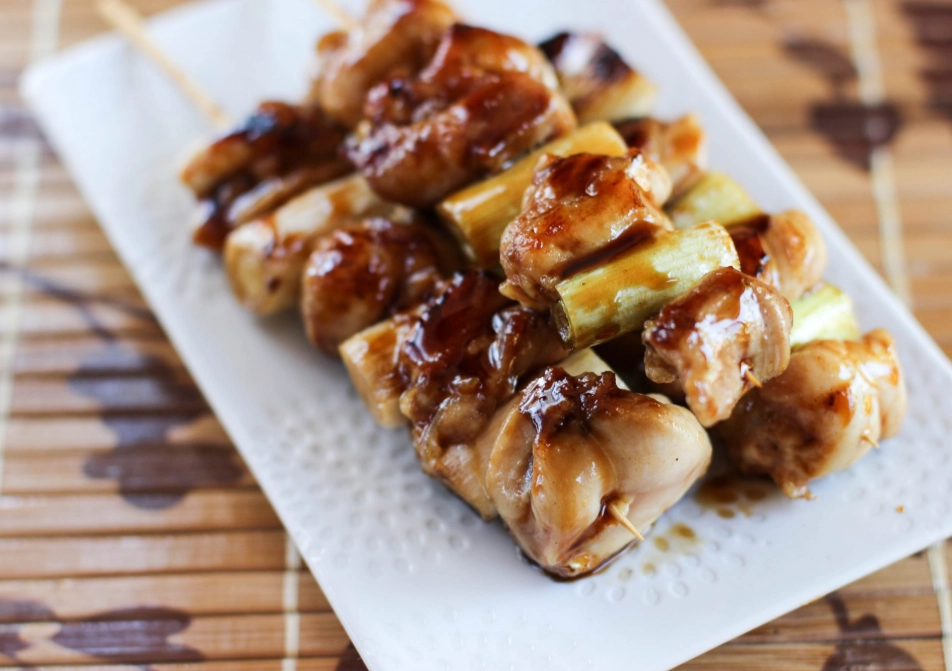
Then I learned the secrets aren't complicated, they're just specific. This isn't about throwing chicken on a grill. It's a simple technique, and once you get it, you'll never look back.
What You'll Learn Here
What You Really Need to Make Yakitori
Let's clear the air. You don't need a fancy Japanese shichirin grill. You need heat, sticks, and chicken. The soul of yakitori is in the method, not the mortgage-level equipment.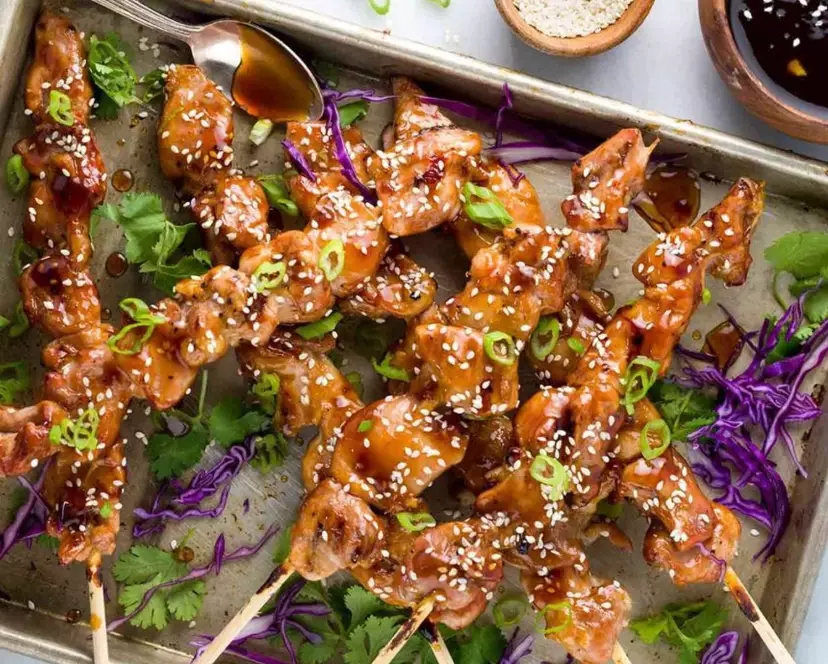
The Great Grill Debate: Charcoal vs. Gas
Charcoal is the traditional choice. It gives that unmistakable smoky flavor. Binchotan (Japanese white charcoal) is the gold standard – it burns incredibly clean and hot for a long time. But it's expensive and can be hard to find. Good quality lump charcoal works beautifully.
Gas is perfectly acceptable, especially for beginners. The control is easier. The key with gas is to not crank it to max. You want medium, even heat. The biggest mistake people make on any grill is using too much heat.
My take? Start with gas to nail the technique. Graduate to charcoal for the flavor upgrade. I use my standard Weber kettle most of the time.
Skewers: Metal vs. Bamboo
Bamboo skewers are cheap and authentic. You must soak them in water for at least 30 minutes to prevent them from burning to a crisp. Metal skewers are reusable and don't burn. They also conduct heat, which can help cook the meat from the inside. I prefer flat metal skewers – the meat spins less when you turn them.
The One Tool You Might Not Think Of
A small, dense basting brush. The cheap, flimsy ones will lose bristles in your sauce. Get a good silicone brush or a traditional Japanese saibashi (cooking chopstick) wrapped in a folded piece of paper towel for basting. You'll also need two small bowls for your sauce – one for basting, one for final dipping (this is a food safety must).
The Yakitori Recipe: Simplicity Itself
The classic yakitori negima – chicken thigh and scallion – is where everyone should start. It's forgiving, flavorful, and teaches you the basics.
| Ingredient | Quantity | Notes |
|---|---|---|
| Boneless, skin-on chicken thighs | 1.5 lbs (about 680g) | Skin-on is non-negotiable. It baste the meat from within and crisps up. Breast will dry out. |
| Scallions (green onions) | 4-5 large | Use the white and light green parts. Save the dark tops for garnish. |
| Soy sauce (regular, not light) | 1/2 cup (120ml) | The backbone of the tare sauce. Use a good quality one. |
| Mirin | 1/2 cup (120ml) | Sweet rice wine. If you only have "aji-mirin" (seasoned mirin), reduce the sugar slightly. |
| Sake | 1/4 cup (60ml) | Adds depth and helps cut richness. Drinking sake is fine. |
| Granulated sugar | 2-3 tablespoons | Start with 2. You can add more later. This is for caramelization. |
Building the Tare (The Secret Sauce)
This is the heart of yakitori. Don't buy it. Homemade is infinitely better and takes 10 minutes.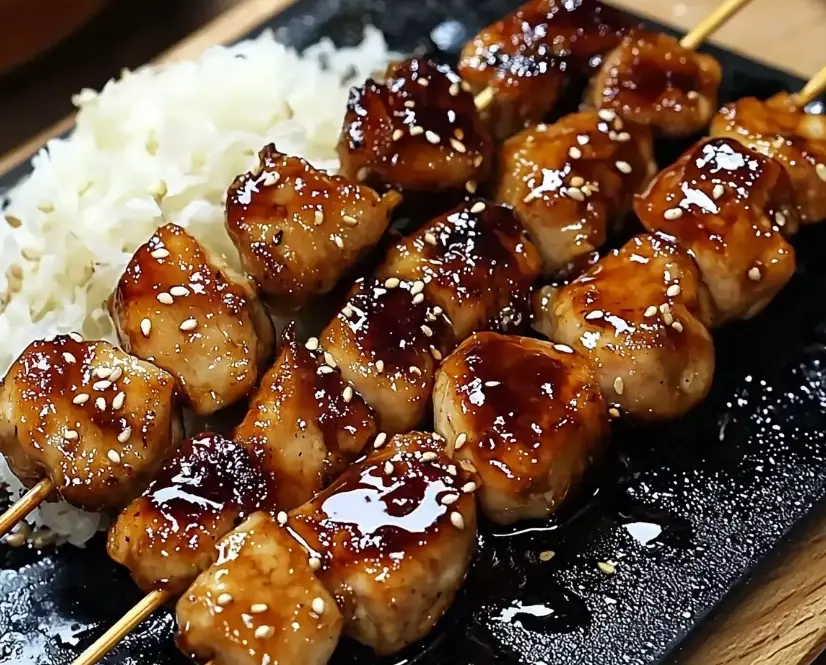
Combine the soy sauce, mirin, sake, and sugar in a small saucepan. Bring it to a simmer over medium heat, stirring to dissolve the sugar. Once simmering, reduce the heat to low. Let it bubble gently for 8-10 minutes until it thickens slightly. It should coat the back of a spoon. It will thicken more as it cools.
Let it cool completely. Now, divide it. Pour half into a bowl for basting. Reserve the other half in a separate, clean bowl for serving. Never cross-contaminate. The basting bowl will touch raw chicken.
Cutting and Skewering Like a Pro
Cut the chicken thighs into roughly 1-inch cubes. Don't make them perfect. Irregular pieces give you varied texture. Cut the scallions into 1-inch pieces, slightly longer than the chicken.
Thread them alternately: chicken, scallion, chicken, scallion. Aim for 4-5 pieces per skewer. Leave a little space between pieces so heat can circulate. Don't pack them tight. Push the pieces down so they're secure, but not so tight they're straining against the stick.
The Grilling Process: Patience is a Virtue
Fire up your grill. You're aiming for medium heat (about 350-400°F / 175-200°C). If using charcoal, let the flames die down and cook over the glowing embers.
Place the skewers on the grill. Listen for the sizzle. Let them cook for 3-4 minutes until you see the edges start to turn opaque. Flip. Cook another 3-4 minutes. You're not cooking them through yet, just getting color on both sides.
Now, start basting. Dip your brush in the basting bowl of tare and paint one side. Flip after 30-45 seconds. Baste the other side. Repeat this flip-and-baste process 3-4 times over the next 5-6 minutes. The sauce will bubble, caramelize, and build up layers. This is where the magic happens.
How do you know it's done? The chicken should feel firm but not hard to the touch, and the juices should run clear. An instant-read thermometer should read 165°F (74°C) at the thickest part.
Take them off the grill. Give them one final, light brush with the clean, reserved tare from the other bowl. This adds a final hit of fresh, glossy flavor.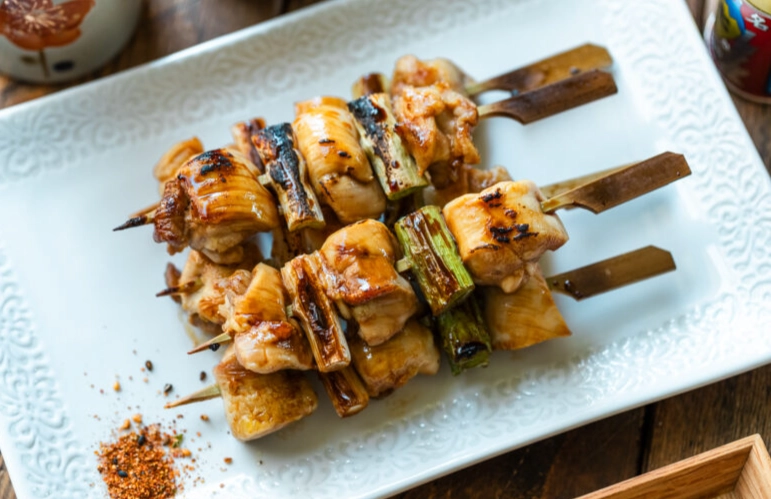
Beyond the Basics: Pro Moves for Next-Level Yakitori
Once you've mastered negima, the world opens up. Different cuts (kushi) have different textures and cooking times.
- Tsukune (Chicken Meatballs): Mix ground chicken thigh with grated onion, a little starch, and soy sauce. Form onto skewers. These are delicate and need gentle heat.
- Tebasaki (Chicken Wings): Break the joints and skewer them flat. They take longer. Cook mostly without sauce, then baste at the very end to crisp the skin.
- Shiso Maki (Chicken wrapped in Shiso leaf): A burst of herbal freshness. Wrap a small piece of chicken in a shiso leaf before skewering.
The Expert's Secret: Two-Zone Grilling & Sauce Timing
Here's a tip you rarely see. Set up your grill with two zones: a direct heat zone and an indirect heat zone (no coals/flames directly underneath). Start the skewers over direct heat to sear. If the sugar in the sauce starts to burn before the chicken is cooked, move the skewers to the indirect zone to finish cooking gently. You can keep basting, but the heat is less aggressive.
Also, taste your tare before you start. Too sweet? Add a splash of soy. Too salty? A tiny bit of water or mirin. It should be a bold, balanced punch of sweet and salty.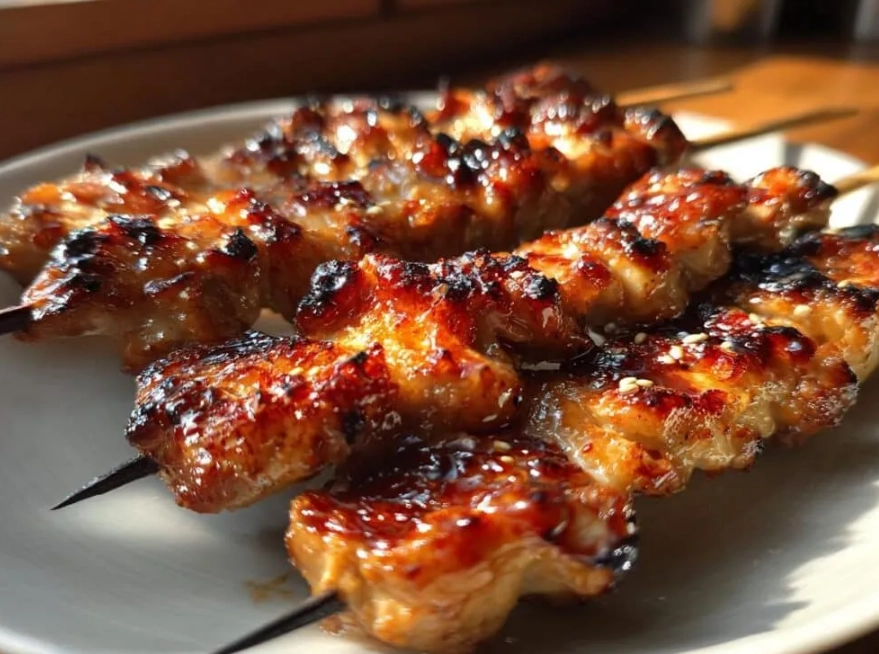
My biggest early mistake? I basted too early and too often. I'd slap sauce on raw chicken, it would drip, flare up, and burn. The chicken skin would blacken while the inside was raw. Wait until the chicken is about 70% cooked (has good color on both sides) before you introduce the sugary tare. Let the fat render first.
Yakitori FAQ: Your Questions, Answered
So there you have it. It's not rocket science. It's good chicken, a simple sauce, and a bit of focused attention on the grill. The first batch might not be perfect. The second will be better. By the third, you'll be wondering why you ever ordered it in.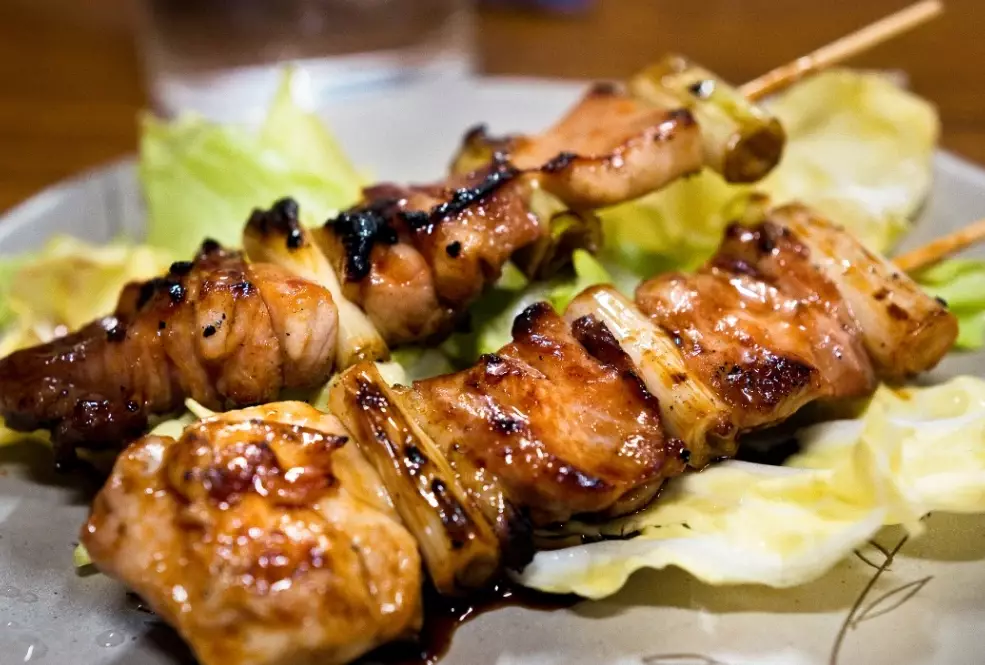
Light the grill. Get your skewers ready. The best yakitori you'll ever have is the one you make yourself.