Your Cooking Compass
- What on Earth is Lobster Thermidor, Anyway?
- Gathering Your Arsenal: Ingredients & Tools You Can't Skip
- The Roadmap: Your Step-by-Step Lobster Thermidor Recipe
- Navigating the Pitfalls: Common Lobster Thermidor Mistakes (And How to Dodge Them)
- The Art of the Pairing: What to Serve With Your Masterpiece
- Your Lobster Thermidor Questions, Answered
- Taking It Further: Variations on the Classic Theme
- Final Thoughts Before You Fire Up the Stove
Let's be honest. The first time you see "lobster thermidor" on a menu, your eyes probably dart to the price column. It's one of those dishes that screams special occasion, fancy French restaurant, and a bill that requires a deep breath. But what if I told you the magic isn't locked in a professional kitchen? That with a bit of patience and the right guide, you can pull off a stunning, authentic lobster thermidor recipe right at home?
It's true. This isn't some simplified, "cheater" version. This is the real deal—rich, creamy, decadent, and packed with that unmistakable lobster flavor. I remember my first attempt. I was nervous, sure. The lobster stared back at me from the cutting board. The sauce threatened to break. But when I pulled that gratinated, bubbling masterpiece out of the oven and took the first bite? Pure triumph. It's a project, I won't sugarcoat that. But it's a deeply satisfying one.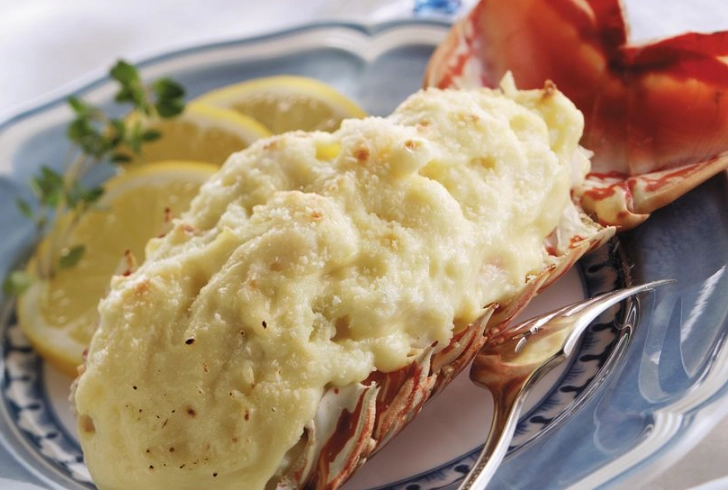
So, why are we so intimidated by the classic lobster thermidor recipe? I think it's the aura. It feels technical, finicky, reserved for chefs in tall hats. But strip that away, and it's a logical sequence of steps: cook lobster, make a sauce, combine, broil. We're going to walk through each one, demystifying the process. You'll learn not just the how, but the why behind each decision. By the end, you won't just be following a recipe; you'll understand it. And that's the key to making it your own.
What on Earth is Lobster Thermidor, Anyway?
Before we dive into pots and pans, a tiny bit of context. Knowing the story makes the cooking feel more connected, I think. Lobster Thermidor is a classic French dish created in the late 19th century. Legend has it (and food historians at the Académie du Goût have debated this) that it was invented at a Parisian restaurant called Maison Maire, named in honor of a successful play called "Thermidor." The original was likely even richer, involving a sauce made with egg yolks and brandy, stuffed back into the lobster shell, and gratinated.
The core idea has always been luxury. It's a dish of contrast: sweet, tender lobster meat paired with a intensely savory, creamy, cheesy sauce that gets a beautiful, slightly bitter crust under the broiler. It's textural heaven. It's also a fantastic way to use a whole lobster, extracting every bit of flavor from the shells for the base of your sauce.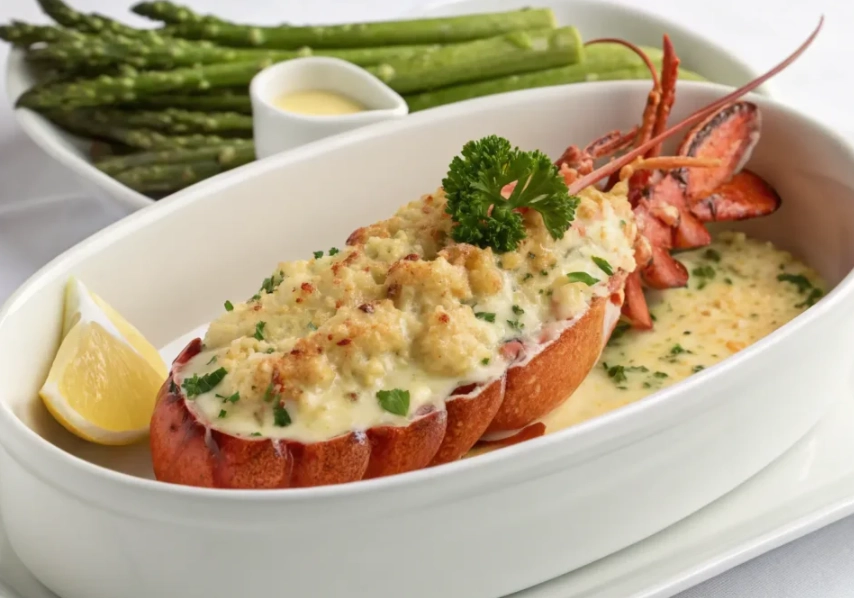
The Thermidor Trinity: At its heart, a proper lobster thermidor recipe relies on three pillars: perfectly cooked lobster, a deeply flavored sauce base (often a mornay or similar rich white sauce), and a final blast of high heat to create that signature gratinated top. Mess up one, and the balance falls apart.
Gathering Your Arsenal: Ingredients & Tools You Can't Skip
You can't build a cathedral with twigs and mud. A great lobster thermidor recipe starts with great components. This isn't the time for shortcuts with pre-cooked lobster meat or canned broth. The flavor builds from the ground up.
The Non-Negotiable Shopping List
- Live Lobsters: The star. Aim for 1.5 to 2 pounds each. One per person is classic, but for a first try or a richer meal, one lobster for two people works beautifully. Hard-shell lobsters have more meat. Look for active ones; lethargy isn't a good sign.
- For the Aromatics & Sauce: Shallots (they're sweeter, milder than onions), garlic, fresh tarragon (dried just won't cut it here), dry white wine (a Chardonnay or Sauvignon Blanc you'd drink), good brandy or Cognac, fish stock or clam juice (low-sodium is best), heavy cream, Dijon mustard, fresh lemon, nutmeg (freshly grated, please), Gruyère cheese (the nutty, melty king for this dish), Parmesan for extra umami, butter (salted, and plenty of it), and all-purpose flour.
- Seasoning Squadron: Kosher salt, freshly cracked black pepper, and a pinch of cayenne or paprika for a whisper of heat.
Now, about the lobster. I get it. Dealing with live seafood is a hurdle. It's the single biggest mental block for most home cooks attempting this dish. If it's a hard no for you, a very good fishmonger might par-cook them for you, but you'll lose some control over the texture and the precious cooking liquid. If you go the live route, the most humane and effective method for home cooks is a quick steam or boil. The U.S. FishWatch guidelines offer general best practices for handling live seafood. It's a personal choice, and it's okay to acknowledge it's not easy.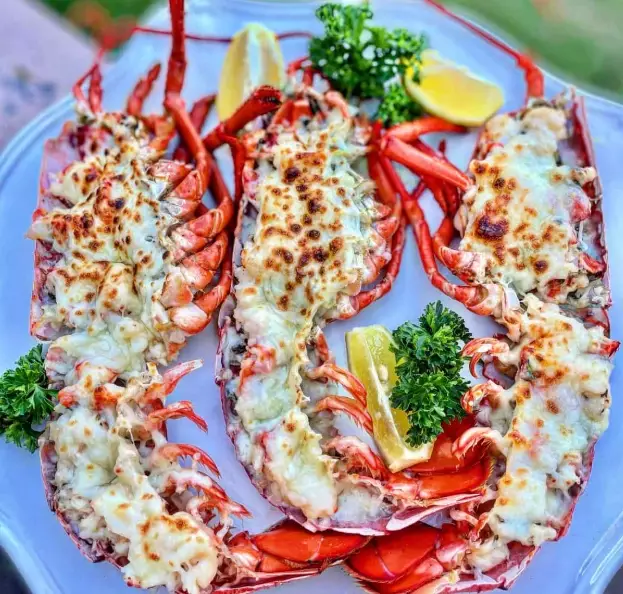
Pro Tip: Call your fish market a day ahead. Tell them you're making lobster thermidor and need lively, hard-shell lobsters. A good monger will help you pick the best and might even share their own cooking tips.
Essential Gear Checklist
- A large stockpot with a tight-fitting lid for cooking the lobsters.
- Kitchen shears and a sturdy chef's knife for breaking down the lobster.
- A medium saucepan for making the sauce.
- A fine-mesh strainer (crucial for a silky sauce).
- Oven-safe gratin dishes or ramekins for the final bake. Using the actual cleaned lobster shells is the classic presentation and looks incredible, but dishes are easier and guarantee even cooking.
- A broiler-safe baking sheet.
The Roadmap: Your Step-by-Step Lobster Thermidor Recipe
Alright, ingredients are assembled, tools are out. Let's cook. I'll break this into phases. Don't feel rushed. Read through once, then take it step by step.
Phase 1: The Lobster Foundation
This phase is all about extracting maximum flavor and getting that meat ready.
Step 1: Cook the Lobsters. Bring a large pot of well-salted water (it should taste like the sea) to a rolling boil. Gently lower in the lobsters, head-first. Cover and cook for about 8-10 minutes for a 1.5 lb lobster. They will be bright red. Immediately transfer them to an ice bath to stop the cooking. This keeps the meat tender and makes handling easier. Reserve about 2 cups of that flavorful cooking water.
Step 2: The Breakdown. This is a hands-on process. Twist off the claws and knuckles. Crack them carefully with a lobster cracker or the back of your knife to extract the meat intact if you can. For the tail, use kitchen shears to cut down the softer underside on both sides, then peel back the shell to release the tail meat in one piece. Don't forget the knuckles! They hold sweet, tender meat. The body (carapace) is your flavor goldmine. Remove the gills (the feathery bits) and the sand sac behind the eyes. Rinse the inside of the shell. Chop the empty body shell and any other shells (claw shells you're not using for presentation) into rough chunks.
Step 3: Make the Lobster Stock (The Secret Weapon). This step is what separates a good lobster thermidor recipe from a transcendent one. In a saucepan, melt a tablespoon of butter. Add the chopped shell pieces and sauté for 5 minutes until fragrant. Add a splash of that reserved cooking water (or some white wine) to deglaze, scraping up any bits. Add enough water or light fish stock to just cover the shells, along with a bay leaf and a few peppercorns. Simmer gently for 25-30 minutes. Strain through a fine-mesh sieve, pressing on the solids. You should have a deeply aromatic, seafood-rich broth. Reduce it by half over medium heat. You'll use this liquid gold in your sauce.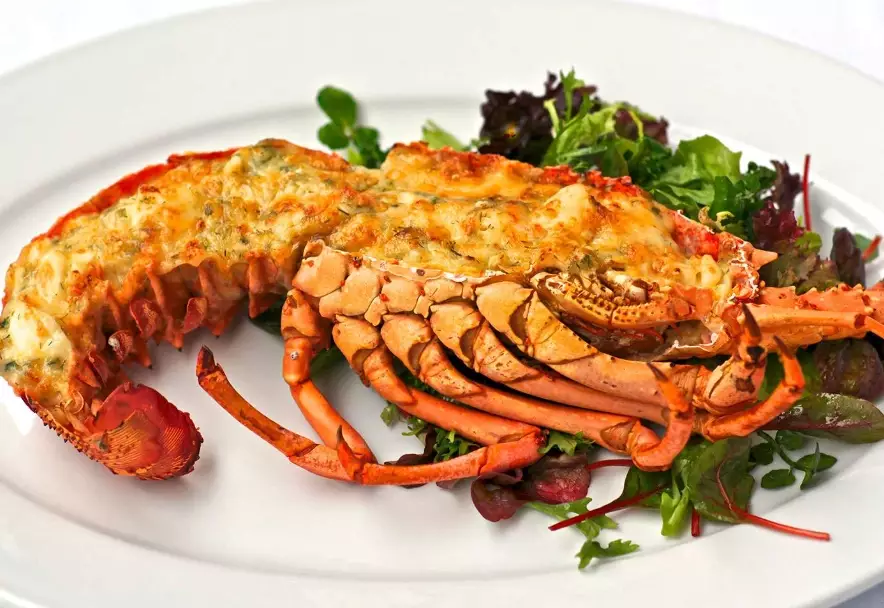
See? The lobster isn't just an ingredient; it's the foundation of the entire flavor profile.
Phase 2: Crafting the Thermidor Sauce
This is the heart of the dish. It should be unctuous, complex, and cling to the lobster.
Step 4: The Aromatic Base. Finely mince a couple of shallots. In your saucepan, melt 3 tablespoons of butter over medium-low heat. Cook the shallots until soft and translucent, about 5 minutes. Don't let them brown. Add a minced garlic clove and cook for another minute until fragrant.
Step 5: Build the Roux & Sauce. Sprinkle in 3 tablespoons of flour. Cook, stirring constantly, for 2-3 minutes. This cooks out the raw flour taste. Slowly whisk in your reduced lobster stock, followed by about 1/2 cup of dry white wine. Whisk vigorously to avoid lumps. Let this simmer for 5-7 minutes until it thickens slightly.
Step 6: The Rich Finish. Stir in 1 cup of heavy cream, a heaping teaspoon of Dijon mustard, a tablespoon of chopped fresh tarragon, and a pinch of freshly grated nutmeg. Season with salt, white pepper, and that tiny pinch of cayenne. Let it simmer gently for another 5-10 minutes to let the flavors marry. The sauce should coat the back of a spoon. Off the heat, stir in a splash of brandy (about 2 tablespoons).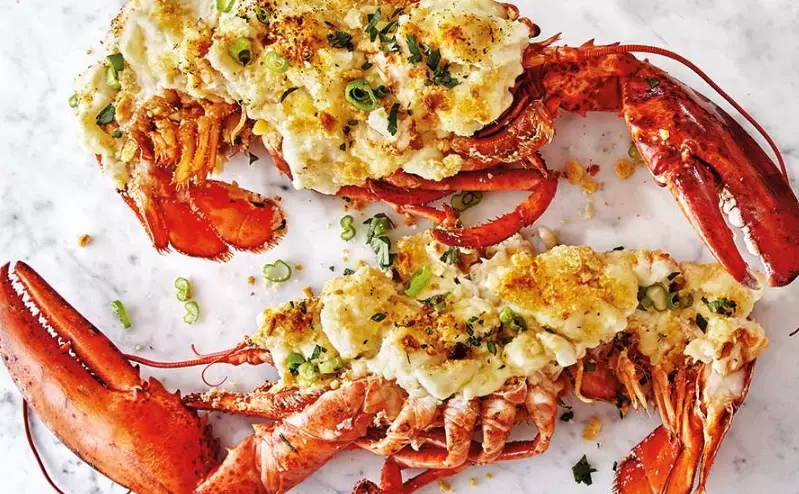
Watchpoint: Do not let the sauce boil after adding the cream and brandy. A gentle simmer is your friend. Boiling can cause the sauce to break or the alcohol to taste harsh.
Phase 3: The Grand Assembly & Finale
Time to bring it all together.
Step 7: Combine. Cut the reserved lobster meat into generous, bite-sized chunks. Gently fold the lobster meat into the warm Thermidor sauce. Be gentle—you don't want to shred that beautiful meat.
Step 8: Fill and Top. Preheat your broiler. Divide the lobster and sauce mixture among your prepared gratin dishes or cleaned lobster shells (placed on a baking sheet for stability). In a small bowl, mix together about 1/2 cup of grated Gruyère with 2 tablespoons of grated Parmesan. Sprinkle this cheese mixture evenly over the top of each dish.
Step 9: The Gratin. Place the dishes under the broiler, about 6 inches from the heat element. Watch it like a hawk! This takes only 2-4 minutes. You're looking for the sauce to be bubbling around the edges and the cheese to be melted, spotty brown, and beautifully crusted.
The first time I did this, I got distracted for maybe 45 seconds. The cheese went from perfect to a slightly bitter, dark brown. Still edible, but not the ideal. That broiler is powerful! Stay put.
Step 10: Serve Immediately. Garnish with a final sprinkle of fresh tarragon or a twist of black pepper. This dish waits for no one. The contrast between the creamy interior and the crisp top is everything.
Navigating the Pitfalls: Common Lobster Thermidor Mistakes (And How to Dodge Them)
Even with a great recipe, things can go sideways. Let's troubleshoot before you even start.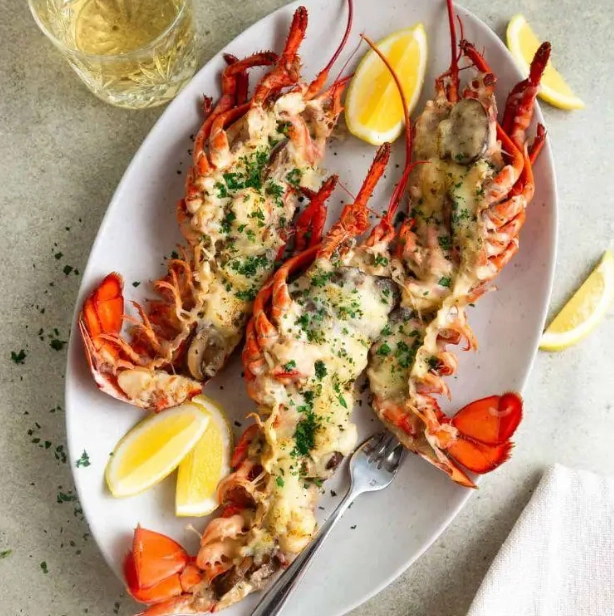
| Mistake | What Happens | The Fix |
|---|---|---|
| Overcooking the Lobster (Twice!) | Rubbery, tough meat. The second cook in the sauce will gently warm it, not cook it further. | Undercook slightly in the initial boil. Shock in ice water immediately. |
| Skipping the Homemade Lobster Stock | A sauce that tastes flat, creamy, but lacking the deep seafood essence. | Don't skip it. It's 30 minutes that makes a 90% difference in flavor depth. |
| A Broken or Grainy Sauce | The sauce separates or feels sandy. Usually from a roux cooked too fast or sauce boiled too hard. | Cook roux on medium-low. Add liquids slowly while whisking. Keep final sauce at a bare simmer. |
| Bland Seasoning | The dish tastes "nice" but forgettable. It needs layers. | Season in stages. Salt the water, season the stock reduction, season the sauce. Taste at every step. |
| Using Pre-Shredded Cheese | The cheese doesn't melt as smoothly and can contain anti-caking agents. | Buy a block of Gruyère and Parmesan and grate it yourself. It melts like a dream. |
The Art of the Pairing: What to Serve With Your Masterpiece
Lobster Thermidor is rich. Your sides should provide contrast—something crisp, fresh, or acidic to cut through the decadence.
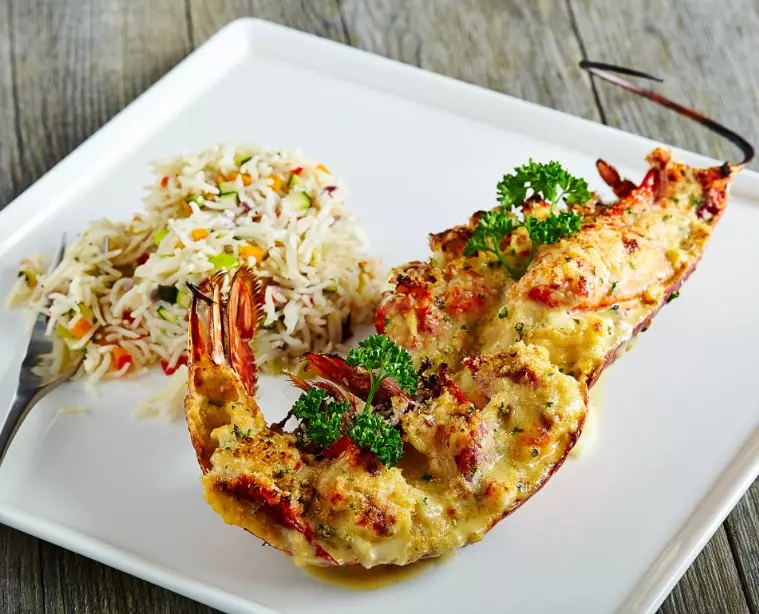
- The Classic Bistro Combo: A simple green salad with a sharp vinaigrette (think lemon-Dijon) served after the main course, as the French often do, to cleanse the palate. Alongside, buttery, steamed asparagus or haricots verts.
- The Heartier Route: If you're serving one lobster for two, a side of buttery, creamy mashed potatoes or pommes purée is absolute heaven for soaking up the sauce.
- The Wine Question: You need acidity and body to stand up to the dish. A white Burgundy (Chardonnay) is the classic, textbook pairing. A rich Champagne or sparkling wine also works wonders. For a red lover, a lighter-bodied, low-tannin red like a Pinot Noir can work if served slightly cool. The Culinary Institute of America's wine pairing resources often cite lobster with creamy sauces as a prime candidate for full-bodied whites.
Your Lobster Thermidor Questions, Answered
Taking It Further: Variations on the Classic Theme
Once you've mastered the foundational lobster thermidor recipe, you can play.
- The Crab Thermidor: Substitute jumbo lump crab meat for the lobster. Be even more gentle when folding it in.
- The Scallop Addition: Add a few seared sea scallops on top of the gratinated dish before serving for an extra layer of luxury.
- A Breadcrumb Topping: For extra crunch, mix your grated cheese with some panko breadcrumbs tossed in melted butter before broiling.
- The Modern, Lighter Touch: Some contemporary chefs use a béchamel lightened with crème fraîche instead of all heavy cream, and focus on a wider variety of fresh herbs. It's less of a gut-bomb but still utterly delicious.
The goal isn't just to copy a recipe, but to understand it so well you can make it yours.
Final Thoughts Before You Fire Up the Stove
Look, a classic lobster thermidor recipe is a commitment. It's not Tuesday night dinner. It's a project for a celebration, a date night you want to remember, or a personal culinary challenge. There will be shells everywhere. Your kitchen will smell like the sea and butter (which is honestly a wonderful thing). You'll have a few pots to wash.
But what you get in return is more than a meal. It's the confidence that comes from tackling a legendary dish. It's the stunned, happy faces of anyone you serve it to. It's the deep, complex flavor that you built from scratch. It's the knowledge that you didn't just follow instructions—you created something truly special.
So go for it. Take your time. Read the steps twice. Taste as you go. And when you pull that bubbling, golden-brown creation out from under the broiler, take a moment. You didn't just make dinner. You made Lobster Thermidor. And that's something to be incredibly proud of.
Now, who's hungry?