Quick Navigation
Let's be honest. When you think of pasta, spaghetti usually hogs the spotlight. But sitting right there in the aisle, often overlooked, is linguine. It's like spaghetti's cooler, flatter cousin. It holds sauce differently, it feels different in your mouth, and it opens up a whole different world of linguine recipes. I used to just grab spaghetti for everything until I had a truly mind-blowing linguine alle vongole in a tiny trattoria. That was it. I was converted.
So why dedicate a whole deep dive to linguine pasta recipes? Because it deserves its own moment. It's not just a substitute. Its flat, slightly elliptical shape is a game-changer for certain sauces. It's sturdy enough for a rich ragù but delicate enough for a simple garlic and oil. This guide isn't just a list of instructions. It's about understanding the *why* behind the best linguine sauce pairings, mastering the technique (yes, there's more to it than boiling water), and getting creative once you've got the basics down.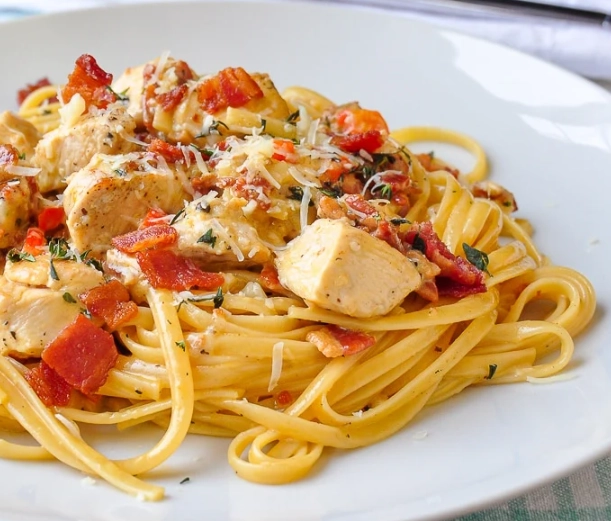
Why Linguine? The Shape is the Secret
You can't talk about easy linguine recipes without understanding the star ingredient. Linguine means "little tongues" in Italian, which is a pretty apt description. That flat surface area is its superpower. Unlike round spaghetti, sauces have more to cling to. The ridges on some dried linguine (look for the word "rigate" on the package) are like little sauce traps.
This makes it perfect for oil-based, emulsion-style, and seafood sauces. Think about it. A silky carbonara, a briny white wine and clam sauce, a simple aglio e olio—these are thin, slick sauces that need a surface to coat, not just slide off. Linguine grabs them and holds on for dear life, ensuring every forkful is perfectly dressed. It's also a fantastic vehicle for pesto, as the flat shape captures all those little basil and pine nut bits.
But here's a personal opinion: I find it less ideal for super chunky, heavy meat sauces. A thick Bolognese? I'd still reach for tagliatelle or pappardelle. The broad ribbons are better for heft. For linguine, think fluid, think elegant, think coastal. That's where it truly sings.
The Non-Negotiable Foundation: Cooking Linguine Perfectly
All the best linguine recipes in the world will fail if the pasta itself is poorly cooked. This is the hill I will die on. It's not complicated, but it requires attention to a few key details that many home cooks gloss over.
First, use a big pot. I mean it. More water means the temperature stabilizes when you add the pasta and prevents sticking. Cramming a pound of linguine into a small saucepan is asking for a gummy disaster. Bring the heavily salted water to a rolling boil before you even think about adding the pasta.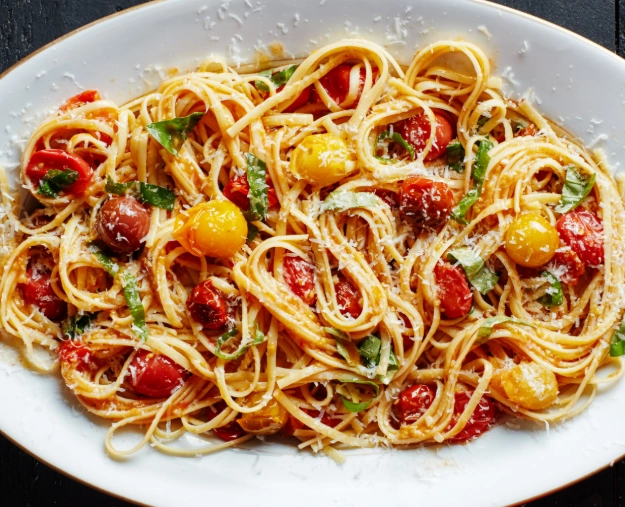
Now, don't break the pasta. I see people do it to fit it in the pot. Please, don't. Gently bend the bundle until the ends touch the water, and as those ends soften, slowly coil the rest in. It will all submerge in seconds. Stir it within the first minute to prevent clumping.
Most importantly, forget the package time. Start tasting a minute or two before the suggested "al dente" time. You want it to have a firm bite, a slight resistance in the center. It will continue to cook a bit in the sauce. Which brings us to the single most important technique in Italian cooking: finishing the pasta in the sauce.
This step changes everything.
Never, ever just drain your linguine and plop sauce on top. Instead, use tongs to transfer the almost-done pasta directly from the pot into your skillet with the simmering sauce. Or, reserve a cup of the starchy pasta water first, then drain. Add the pasta and a splash of that magical water to the sauce pan. The starch in the water helps the sauce emulsify, thicken, and cling to each strand. Toss, toss, toss over low heat for a minute or two until the pasta is perfectly coated and the sauce has thickened. This is the secret to restaurant-quality pasta at home.
The Sauce Spectrum: Finding Your Linguine Match
Okay, the pasta is perfect. Now what do you put on it? The world of sauces is vast, but linguine has its natural partners. Let's break them down, from the timeless classics you must try to some fun, modern twists.
The Undisputed Classics
These are the linguine recipes that have stood the test of time for a reason. They highlight the pasta's shape perfectly.
Linguine alle Vongole (with Clams): This is the king, in my book. The debate between white (bianco) with just olive oil, garlic, wine, and clams, or red (rosso) with a touch of tomato is a friendly Italian civil war. I'm team bianco. The purity lets the briny clam flavor shine. Use fresh clams if you can find them (discard any that don't open after cooking), but high-quality canned clams in juice are a totally respectable weeknight shortcut. The key is the pasta water emulsion with the clam juice, wine, and oil. A finish of parsley, never cheese. (According to the Italian culinary academy, Accademia Italiana della Cucina, cheese on seafood pasta is a major faux pas in traditional Italian cooking).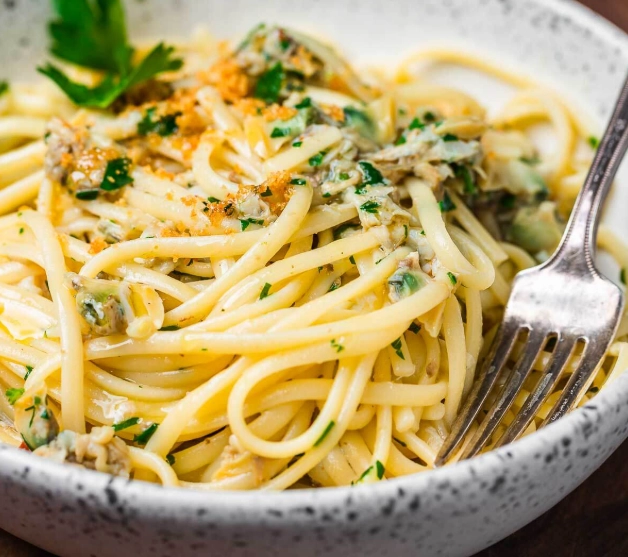
Linguine Aglio e Olio (Garlic and Oil): The ultimate pantry pasta and a true test of technique. It seems simple—just garlic, oil, chili flakes, parsley—but it's easy to burn the garlic or end up with a greasy pool. The trick is gently infusing the oil with sliced garlic over very low heat until it's just golden, then adding a good amount of pasta water to create a creamy, almost velvety sauce that isn't oily at all. It's a lesson in restraint and patience.
Linguine al Pesto: The flat surface is ideal for capturing the gritty, delicious texture of a classic Genovese basil pesto. The debate here is potato and green beans in the dish (traditional in Genoa) or not. I love the added texture. Use a high-quality store-bought pesto in a pinch, but making your own when basil is in season is a revelation.
Weeknight Warrior Recipes
These are the easy linguine recipes you make when you're tired, it's 7 PM, and you need something good on the table fast.
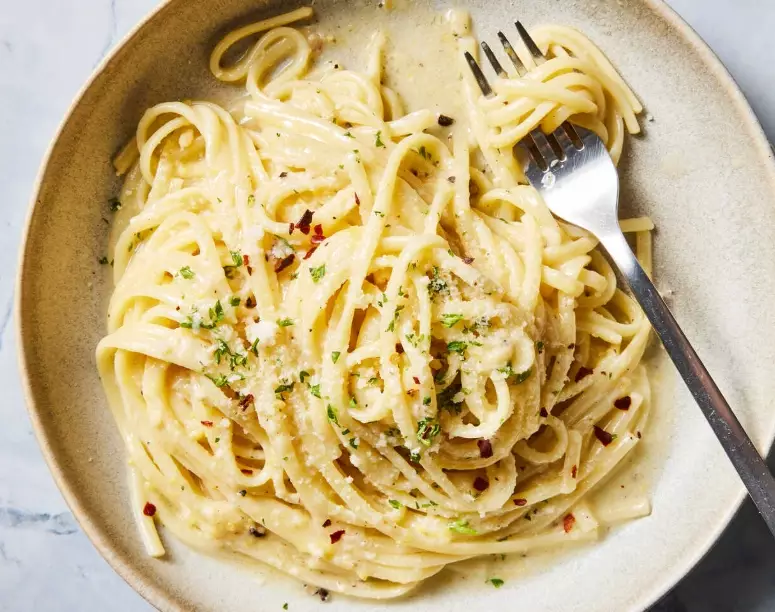
Linguine with Lemon and Cream: A little cream, a lot of lemon zest and juice, some parmesan, and black pepper. It's bright, rich, and comes together in the time it takes to boil water. Add some sautéed shrimp or peas if you're feeling fancy.
"Everything but the Kitchen Sink" Linguine: My go-to clean-out-the-fridge meal. Sauté whatever veggies you have (zucchini, bell peppers, cherry tomatoes, spinach), maybe some diced chicken sausage or pancetta, toss with the cooked pasta, a glug of olive oil, and a handful of cheese. It's never the same twice, and it's always satisfying.
Quick Tomato and Basil: Not every tomato sauce needs to simmer for hours. A can of good San Marzano tomatoes, crushed by hand, cooked down for just 15-20 minutes with a onion base (removed before serving), finished with fresh basil. It's fresh, fast, and lets the tomato flavor be the star.
Creative & Modern Twists
Once you're comfortable with the classics, playing around with linguine pasta recipes is half the fun. Here are a few ideas that stray from tradition but are utterly delicious.
Linguine with Roasted Cauliflower and Brown Butter: Roast cauliflower florets until deeply caramelized. Make a sauce with browned butter (cook unsalted butter until it smells nutty and the milk solids turn brown), sage, garlic, and toasted pine nuts. Toss with the pasta and cauliflower, top with pecorino. It's earthy, nutty, and complex.
Spicy Garlic Linguine with Crispy Breadcrumbs: Take your aglio e olio up a notch. Add anchovy fillets (they'll melt into the oil, adding umami, not fishiness) and a heavier hand with the chili. Top with a big handful of crispy, golden panko breadcrumbs toasted in olive oil for an incredible crunch contrast.
One-Pan Creamy Sun-Dried Tomato Linguine: Cook the linguine in a shallow pan with just enough water or broth to cover it. As it simmers, add sun-dried tomatoes, garlic, and spinach. When the pasta is done and the liquid is reduced, stir in a scoop of mascarpone or cream cheese to create a luxuriously creamy sauce right in the pan. Minimal dishes, maximum flavor.
The Ultimate Linguine Recipe Comparison
To help you visualize the landscape of great linguine recipes, here’s a breakdown of some cornerstone dishes. This isn't about ranking them, but about understanding their character so you can choose based on your mood, time, and pantry.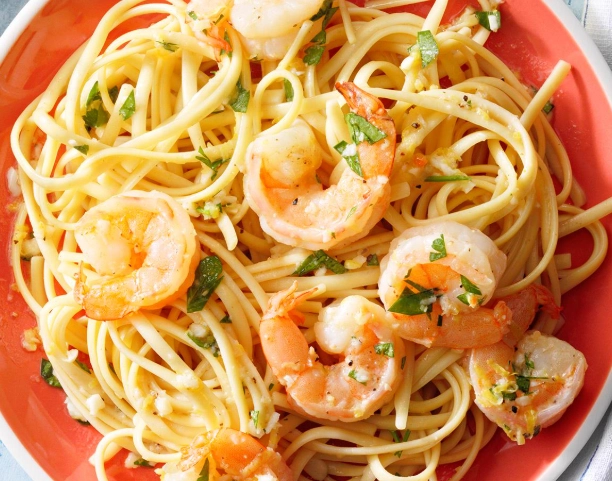
| Recipe | Key Ingredients | Effort Level | Best For | My Personal Take |
|---|---|---|---|---|
| Linguine alle Vongole (White) | Fresh clams, garlic, white wine, parsley, chili flake | Medium (requires fresh seafood) | A special dinner, impressing guests | The gold standard. Unbeatable when done right. Can be pricey with fresh clams. |
| Linguine Aglio e Olio | Garlic, olive oil, chili flake, parsley | Easy | A late-night craving, a pantry lifesaver | Deceptively simple. Master this, and you master a fundamental technique. |
| Linguine with Lemon Cream Sauce | Heavy cream, lemon zest/juice, parmesan | Very Easy | A quick, comforting weeknight meal | My guilty pleasure. It's rich, so a small portion with a side salad is perfect. |
| Linguine with Roasted Veg & Brown Butter | Cauliflower/Broccoli, butter, sage, pine nuts | Medium (roasting time) | A hearty vegetarian main course | Elegant and satisfying. The brown butter makes it feel luxurious. |
| One-Pan Tomato Basil Linguine | Canned tomatoes, onion, basil | Easy | Family dinner, meal prep | Reliable and always a crowd-pleaser. The one-pan method is a genius cleanup saver. |
Answering Your Linguine Questions (The FAQ)
Building Your Linguine Toolkit
You don't need a fancy kitchen to make great linguine pasta recipes, but a few key tools make the process smoother and the results better.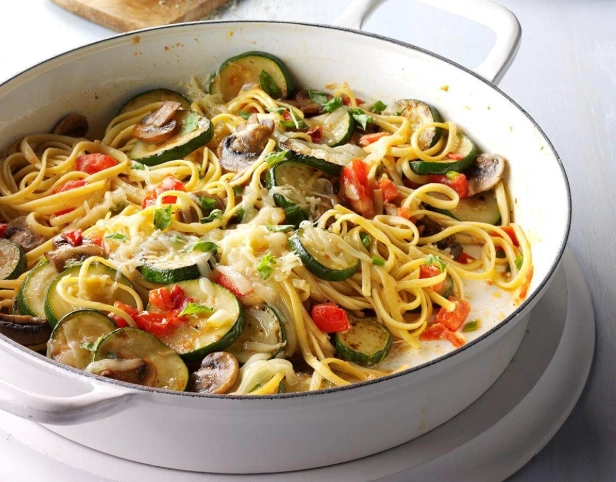
- A Large Pot (8-qt minimum): For boiling pasta properly. Non-negotiable.
- A High-Sided Skillet or Sauté Pan: This is where you make your sauce and finish the pasta. The high sides help with tossing.
- Kitchen Tongs: The best tool for transferring pasta from pot to pan and for tossing.
- A Good Microplane: For zesting lemons and grating hard cheese like Parmigiano-Reggiano into a fluffy pile. A box grater works but a microplane is a game-changer.
- Pasta Server with Holes: Useful for draining if you're not using tongs, and for serving.
- A Liquid Measuring Cup: Specifically for reserving pasta water. Don't eyeball it. Get a cup.
That's really it. You don't need a pasta machine or fancy gadgets.
Final Thoughts: Making It Your Own
At the end of the day, the best linguine recipes are the ones you love to make and eat. Start with a classic to understand the form. Master the technique of cooking the pasta and finishing it in the sauce. Then, start experimenting. Love garlic? Add more. Not a fan of chili? Leave it out. Have some mushrooms about to go bad? Sauté them and throw them in.
Don't get bogged down by dogma. Italian cooking has beautiful, time-tested rules, but home cooking is also about adaptation and personal taste. Use this guide as a roadmap, not a strict rulebook. The goal is to get a delicious plate of pasta on your table, to enjoy the process, and maybe, just maybe, to make linguine the new star of your pasta night.
So go ahead. Put that big pot of water on to boil. Salt it generously. And start thinking about which of these linguine recipes you're going to try first.