Quick Navigation
Let's talk about bibimbap. You've probably seen it—a vibrant bowl of rice topped with a rainbow of vegetables, maybe some meat, a fried egg, and that iconic dollop of spicy red gochujang. It looks stunning in pictures, right? But then you think about making it at home, and suddenly it feels like a project. All those separate components, the chopping, the sautéing... is it even worth the effort?
I'm here to tell you it absolutely is, and it doesn't have to be a weekend-only ordeal. A good bibimbap recipe is more of a method than a rigid set of rules. It's about harmony in a bowl. The name itself gives it away: "bibim" means mixed, "bap" means rice. It's literally mixed rice. And that mixing is where the magic happens—the warm rice, the seasoned veggies, the rich yolk, and the spicy sauce all come together into something greater than the sum of its parts.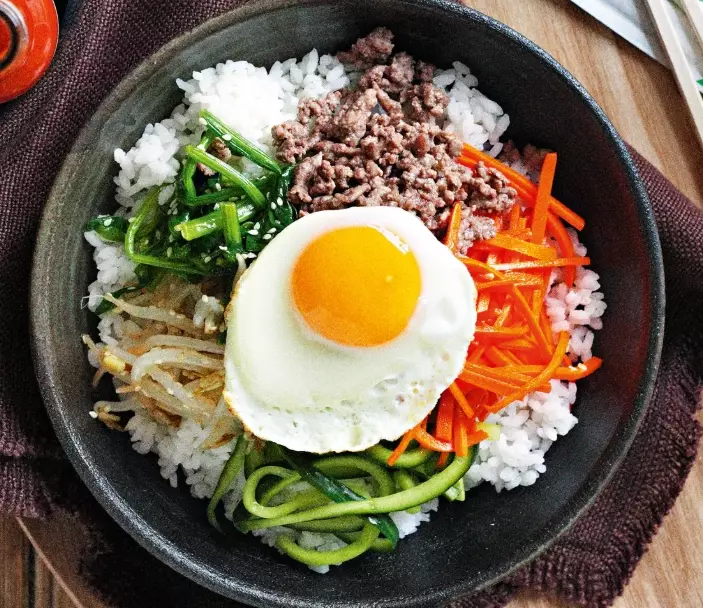
I remember the first time I tried to make it. I followed a recipe to the letter, spent two hours in the kitchen, and ended up with a soggy, lukewarm mess. The rice was mushy, the vegetables were overcooked, and my sauce was just... wrong. It was a disaster. But that failure taught me what not to do, and over many attempts (and conversations with Korean friends), I figured out the shortcuts, the non-negotiables, and the places where you can totally cheat. This guide is the result of all that trial and error. We'll build the ultimate, customizable bibimbap recipe from the ground up.
The Heart of the Matter: Core Ingredients and Prep
Before we fire up the stove, let's get our mise en place sorted. The beauty of a classic bibimbap recipe is in its balance—textures, colors, flavors, and nutrition. You don't need every single item listed here. Think of this as a blueprint.
| Ingredient Category | Classic Choices & Why They're There | Easy Swaps & Shortcuts |
|---|---|---|
| The Rice | Short or medium-grain white rice (like Calrose). It's sticky enough to hold together but firm. | Brown rice, quinoa, or cauliflower rice for a healthier twist. Pre-cooked or microwave rice packets in a real pinch (drain any excess liquid). |
| The Vegetables (Banchan) | Spinach (sigeumchi namul), bean sprouts (kongnamul), carrots, zucchini, shiitake mushrooms, fernbrake (gosari). Each is seasoned lightly and separately for distinct flavors. | Use what's in your fridge! Bell peppers, cucumber, kale, broccoli, or asparagus. Buy pre-sliced stir-fry veggies to save time. Skip the fernbrake (it's hard to find). |
| The Protein | Thinly sliced beef (bulgogi), often marinated in soy, sugar, and pear. A sunny-side-up egg is non-negotiable for most. | Ground beef or turkey, shredded chicken, tofu (pressed and pan-fried), or just double up on the egg. No meat? No problem. |
| The Sauce | Gochujang (Korean red chili paste) is the soul. It's mixed with sesame oil, a sweetener (like honey or sugar), vinegar, and maybe garlic. | Store-bought bibimbap sauce works. For a non-spicy version, mix doenjang (soybean paste) with sesame oil and a touch of sweetener. |
| The Finishes | Toasted sesame seeds, a drizzle of sesame oil, strips of roasted seaweed (gim). | Everything but the bagel seasoning, chopped nuts, a dash of soy sauce. |
See? Already it feels less daunting. You can make a killer bibimbap with just 4-5 vegetables and a simple protein. The key is in how you treat each component.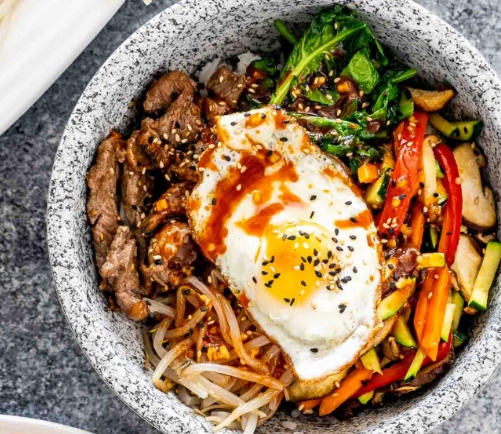
Vegetable Prep: The "Namul" Method
This is where most of your time will go, but it's meditative if you don't rush. Each vegetable is usually blanched or sautéed quickly, then seasoned individually with a simple mix of sesame oil, salt (or soy sauce), minced garlic, and toasted sesame seeds. This individual seasoning is what makes a homemade bibimbap recipe sing compared to a one-pan stir-fry.
- Spinach/Leafy Greens: Blanch in boiling water for 30 seconds, rinse in cold water, squeeze DRY (crucial!), then season.
- Bean Sprouts: Boil for 2-3 minutes until slightly translucent but still crunchy, season similarly.
- Carrots & Zucchini: Julienne and sauté in a tiny bit of oil for 1-2 minutes just to soften slightly. You want crunch.
- Mushrooms: Slice and sauté until they release their water and brown a little. They love a tiny splash of soy sauce.
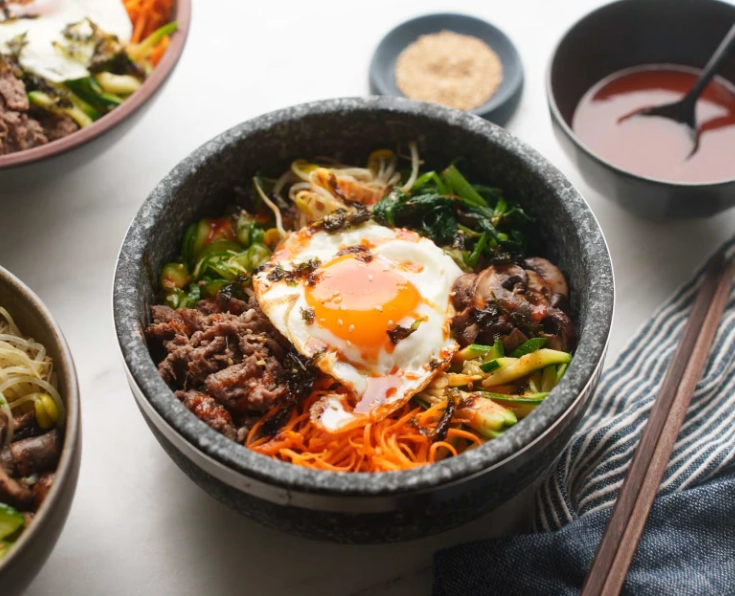
Can you just toss all the veggies in a pan together? Sure. I've done it on a Tuesday night when I just needed dinner on the table. But the flavors will muddle, and the textures will be uniform. It'll still be tasty, but it won't be *great* bibimbap. There's a difference.
Crafting Your Bowl: The Step-by-Step Process
Okay, let's cook. I'll walk you through the traditional method, and then we'll talk about the quick-and-dirty version.
Step 1: The Foundation (Rice & Bowl)
If you have a dolsot (stone bowl), you're aiming for that glorious, crispy socarrat-like bottom called nurungji. Heat the empty dolsot on the stove over medium heat for a few minutes until it's seriously hot. Add a good drizzle of sesame oil to the bottom, then pack in your room-temp or cold rice. Press it down. Let it cook like that for a few minutes until you hear a gentle sizzle.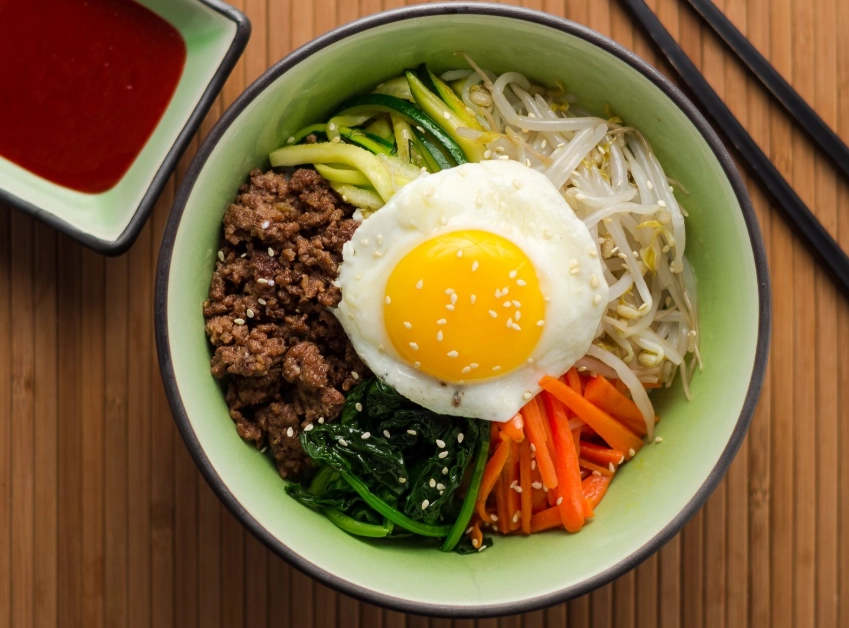
No stone bowl? Use a heavy-bottomed small pot or a non-stick skillet. The crisp won't be as epic, but you'll get a nice toasty layer. Or, just use a regular bowl and accept a softer texture—it's still fantastic.
Step 2: The Artful Arrangement
This is the fun, Instagrammable part. Once your rice is set (or just placed in a warm bowl), arrange your prepared vegetables in little piles on top, like sections of a color wheel. Keep the colors alternating—orange carrots next to green spinach next to white bean sprouts. It's not just pretty; it makes mixing more satisfying.
Place your cooked protein in the center. Then, carefully slide your sunny-side-up egg on top of the protein mound. The goal is for the yolk to be runny. It's the sauce binder.
Step 3: The Sauce & The Mix
Here's where you personalize. Add a generous spoonful (or two) of your gochujang sauce on top of the egg. Sprinkle with sesame seeds and a final whisper of sesame oil.
Now, the main event. Take your spoon and chopstick (or two spoons), and dig right into the center. Start mixing with purpose, folding the rice up from the bottom, integrating the egg yolk and sauce into every nook and cranny. You want every grain to get some love. The sound it makes in a hot dolsot is pure ASMR bliss.
Some people like it only partially mixed, with pockets of distinct flavor. I'm a thorough mixer—I want every bite to have a bit of everything. There's no wrong way, only your way.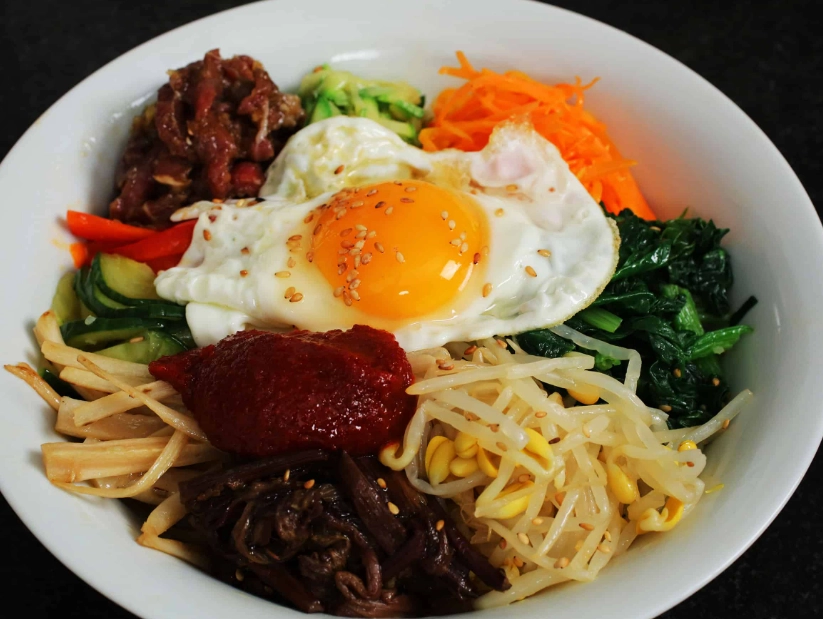
Beyond the Classic: Variations and Customizations
The basic bibimbap recipe is a template waiting for your input. Stuck in a rut? Try these spins.
The Ultimate Vegetarian Bibimbap Recipe: This is a no-brainer. Skip the meat, use tofu (crispy pan-fried cubes are amazing), or add a second fried egg. Load up on different mushrooms—oyster, king oyster, enoki—for a meaty, umami depth. A spoonful of fermented soybean paste (doenjang) in your sauce mix adds complexity.
The "Clean Out the Fridge" Bibimbap: This is my most-made version. Leftover roasted broccoli? In it goes. A handful of lettuce from last night's salad? Chop it and add it raw for fresh crunch. Some leftover grilled chicken or steak? Slice it thin. This approach completely transforms the dish from a planned project into a 20-minute salvation meal.
Dolsot vs. Regular Bowl: The dolsot bibimbap recipe is the premium experience. The bowl arrives scorching hot, the rice crackles, and the mixing continues the cooking process. It's interactive and dramatic. A regular bowl bibimbap is cooler, more refined, and easier to eat. Both are valid.
What about a bibimbap recipe without gochujang? Absolutely. For kids or those sensitive to spice, make a simple soy-sesame sauce: 2 tbsp soy sauce, 1 tbsp sesame oil, 1 tsp honey or sugar, 1 tsp rice vinegar, a pinch of sesame seeds. It's savory, nutty, and delicious.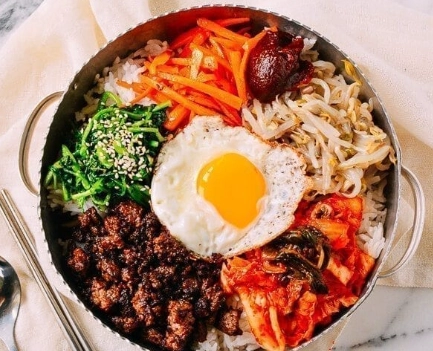
Answers to Your Bibimbap Questions (The FAQ You Actually Need)
Can I make bibimbap ahead of time?
Yes, but with strategy. You can prep all the vegetables (the namul) 2-3 days in advance and store them separately in airtight containers in the fridge. They often taste better the next day as the flavors meld. Cook your protein and store it separately. The rice is best day-old. Assemble and heat when ready. Don't mix it ahead of time—it becomes a soggy, sad porcheon.
What's the best substitute for gochujang?
This is tough because gochujang's flavor—fermented, sweet, spicy, umami—is unique. In a pinch, you can mix Sriracha or another chili paste with a bit of miso paste (for fermentation) and honey (for sweetness). It won't be the same, but it'll work in a crisis. For authenticity, just buy a tub. It lasts forever in the fridge. The Korean Food Foundation has great resources on traditional fermented pastes if you're curious about the craftsmanship behind it.
My rice always gets soggy when I mix. Help!
This is the most common issue. Three culprits: 1) Your rice was too wet to begin with (use day-old). 2) Your vegetables weren't dried properly after blanching (squeeze the spinach like you're mad at it). 3) You're using too much sauce or adding watery ingredients (like fresh tomato). Fix those, and you'll have perfect, separate grains.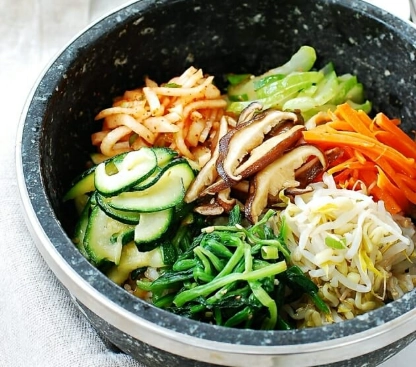
Is bibimbap healthy?
Generally, yes! It's a bowl full of vegetables, lean protein, and whole grains (if you use brown rice). You control the sodium and sugar in the sauce. The portion of rice is reasonable. It's a balanced meal in a bowl. But watch out for restaurant versions that can be heavy on the oil and sugar in the meat marinades.
Do I need special equipment?
Not at all. A few good pans, a pot for blanching, and a bowl are all you need. A stone bowl (dolsot) is a nice-to-have for the ultimate experience, not a must-have. A rice cooker is helpful but not required.
Look, at the end of the day, the best bibimbap recipe is the one you actually make. It shouldn't feel like a final exam in Korean culinary arts. It's home cooking. It's flexible, forgiving, and deeply satisfying.
Start with a simple version—just rice, 3 veggies you like, an egg, and a store-bought sauce. Master the mixing. Then next time, try making your own sauce. Then try a new vegetable. Before you know it, you'll have your own signature version, and you'll understand why this dish is so much more than just a pretty bowl.
It's a meal that engages all your senses, and making it connects you to a beautiful, simple philosophy: great things happen when you bring good, separate elements together and mix them with gusto.