Homemade ricotta cheese is one of those kitchen magic tricks that feels far more impressive than it actually is. You heat some milk, add an acid, and watch it transform into delicate, creamy curds. The flavor? It blows any supermarket tub out of the water—sweet, milky, and infinitely adaptable. Forget the grainy, sometimes gummy stuff you buy. What you make in about 30 minutes is a different food entirely.
I started making my own years ago after a disappointing lasagna. The store-bought ricotta was bland and watery. Once I tried the homemade version, there was no going back. It's not just for Italian food, either. A spoonful on toast with honey is a revelation.
What You’ll Find in This Guide
Why Homemade Ricotta Beats Store-Bought
Let's be clear. Most commercial ricotta contains stabilizers like guar gum or locust bean gum. These help with shelf life and prevent separation, but they also give the cheese a uniform, sometimes pasty texture. Your homemade version has one job: be delicious.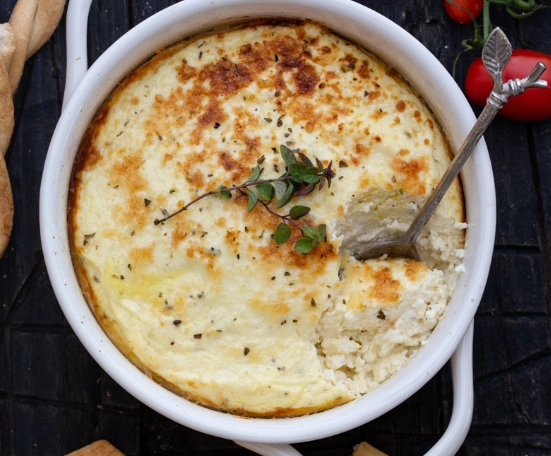
The taste is cleaner, richer. You can control the texture—make it lighter and fluffier for filling cannoli, or a bit denser for spreading on crostini. And then there's the whey. That liquid gold left behind is packed with protein and nutrients. Don't pour it down the drain. Use it to boil pasta for an extra flavor boost, blend it into smoothies, or even water your plants.
Economically, it makes sense too. With just milk, cream, acid, and salt, you're paying for ingredients, not packaging, branding, or cross-country shipping.
Your Ricotta Recipe Toolkit: Ingredients & Equipment
You don't need fancy gear. A heavy-bottomed pot is the only semi-special item, and it prevents the milk from scorching.
The Non-Negotiable Ingredients
Milk: Whole milk is essential. Don't even think about skim or 1%. The fat is flavor and creaminess. For the best yield and texture, avoid ultra-pasteurized (UHT) milk. The high-heat treatment damages the proteins, making them reluctant to form proper curds. Regular pasteurized whole milk works perfectly. If you can find non-homogenized (cream-top) milk, you're in for a treat.
Cream: A half-cup of heavy cream adds luxury and improves yield. You can skip it for a leaner cheese, but the result won't be as luscious.
Acid: This is your coagulant. Distilled white vinegar is reliable and flavor-neutral. Fresh lemon juice adds a subtle brightness. I prefer vinegar for consistency, but lemon is great for desserts. White wine vinegar works in a pinch. Avoid anything dark or strongly flavored.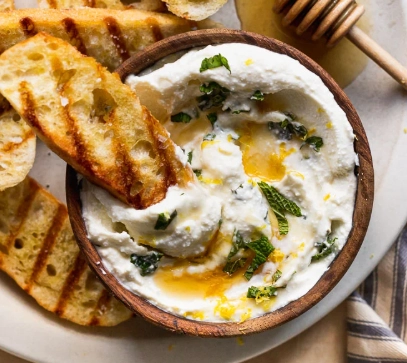
Salt: Fine sea salt or kosher salt. This is for seasoning the cheese itself, not just the cooking liquid.
Pro Tip: The Milk Matters More Than You Think. I experimented with a gallon of cheap, generic whole milk versus a higher-quality local brand. The local milk produced nearly 25% more cheese, and the curds were noticeably plumper and sweeter. It's worth the slight upgrade if you can.
Essential Equipment
A large, heavy-bottomed pot (like a Dutch oven), a good thermometer (instant-read is ideal), a slotted spoon, a colander, and cheesecloth or a clean, thin kitchen towel (flour sack towels are perfect). A fine-mesh strainer is helpful but not required.
The Step-by-Step Ricotta Process
Here’s the basic framework. The entire active time is under 15 minutes.
Step 1: Combine and Heat
Pour one gallon (3.8L) of whole milk and ½ cup (120ml) of heavy cream into your pot. Stir in 1 teaspoon of fine salt. Place it over medium heat. Attach your thermometer. Now, walk away. Seriously. Stir it once or twice to prevent a skin from forming, but constant stirring isn't necessary. You're aiming for a gentle heat rise to around 185-200°F (85-93°C). This should take 15-20 minutes. If you see small bubbles around the edge, you're close. Do not let it reach a rolling boil.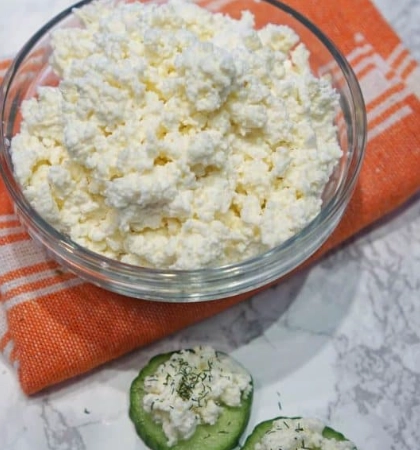
Step 2: Add the Acid and Watch the Magic
Once you hit temperature, turn off the heat. Drizzle in ⅓ cup (80ml) of distilled white vinegar or fresh lemon juice. Give it one, maybe two, very gentle stirs with the slotted spoon. Then stop. You'll see the magic almost immediately. The clear, yellowish whey will separate from the fluffy white curds. Let it sit, undisturbed, for 10 minutes.
Step 3: Drain and Shape
Line your colander with 2-3 layers of damp cheesecloth (dampening it prevents it from absorbing your precious whey) and place it over a large bowl or in the sink. Gently ladle the curds and whey into the colander. Let it drain for 10-20 minutes, depending on how moist you like your ricotta. For cannoli filling, go longer (20-25 mins). For a lasagna layer, 10-15 minutes is perfect.
That's it. Transfer your ricotta to a container. You'll get about 3-4 cups of the freshest cheese you've ever tasted.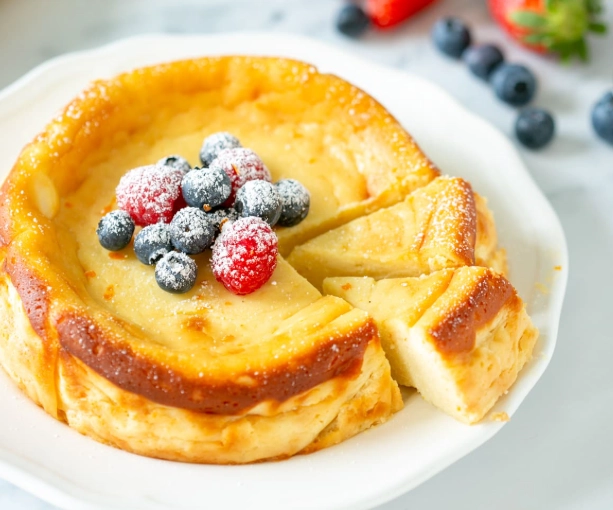
Common Ricotta Mistakes & How to Fix Them
Everyone messes up their first batch. Here’s what usually goes wrong.
Problem: Rubbery, tough curds.
Cause: Overheating or too much acid. If the milk boils or you add extra acid "just to be sure," the proteins seize up too tightly.
Fix: Use a thermometer. The moment you see separation after adding acid, stop. Don't add more.
Problem: Low yield, barely any cheese.
Cause: Impatience during draining. If you squeeze or press the cheesecloth bag, you force out the whey that's still holding tiny curds.
Fix: Let gravity work. Walk away for the full drain time.
Problem: Grainy, sandy texture.
Cause: Using UHT milk or stirring vigorously after adding the acid.
Fix: Buy the right milk and stir gently, just to incorporate.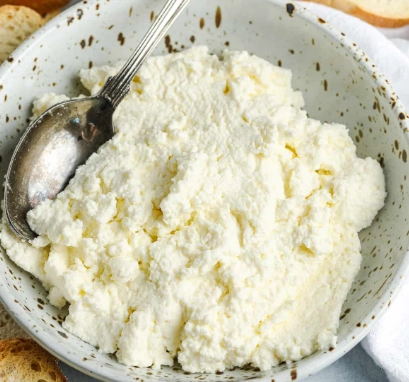
What to Do With Your Fresh Ricotta
This is the fun part. Beyond the obvious lasagna or stuffed shells, fresh ricotta is incredibly versatile.
For Breakfast: Spread it thick on toasted sourdough. Drizzle with good honey and a crack of black pepper. Or fold it into scrambled eggs just before they set for incredible creaminess.
For Lunch: Make a herbed ricotta spread with lemon zest, chopped mint, and parsley. Slather it in a sandwich with roasted vegetables.
For Dinner: Toss warm pasta (like orecchiette) with ricotta, a splash of pasta water, grated Pecorino, and lots of cracked pepper for a 5-minute sauce. It's a Roman classic called "cacio e pepe" style.
For Dessert: Sweeten it lightly with powdered sugar and vanilla. Layer it with berries for a quick parfait, or use it as a filling for crepes.
My personal favorite? A simple ricotta gnudi. Mix 2 cups ricotta, 1 cup grated Parmesan, 2 eggs, and ¾ cup flour. Form into little dumplings and poach them gently. Toss with sage butter. They're like pillowy gnocchi, but lighter.
Your Ricotta Questions, Answered
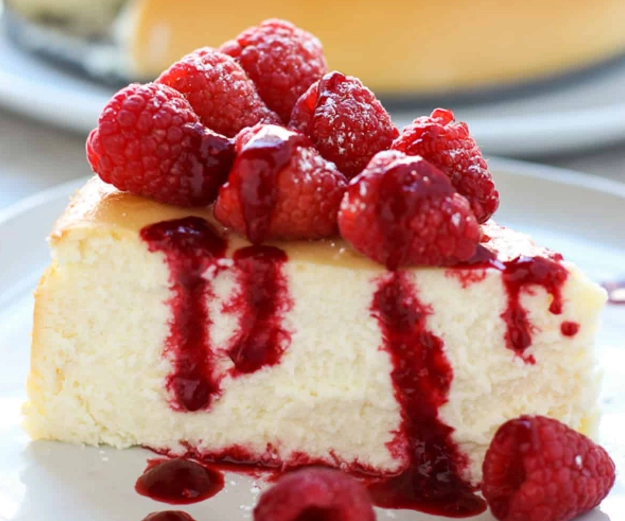
Making ricotta at home demystifies a staple ingredient. You see how simple, whole foods come together. The process is almost meditative—watching the curds form, the slow drain. And the reward is immediate: a bowl of pure, creamy cheese that makes everything you add it to taste better. Give it a shot this weekend. You might just find yourself, like I did, planning your meals around when you can make the next batch.